
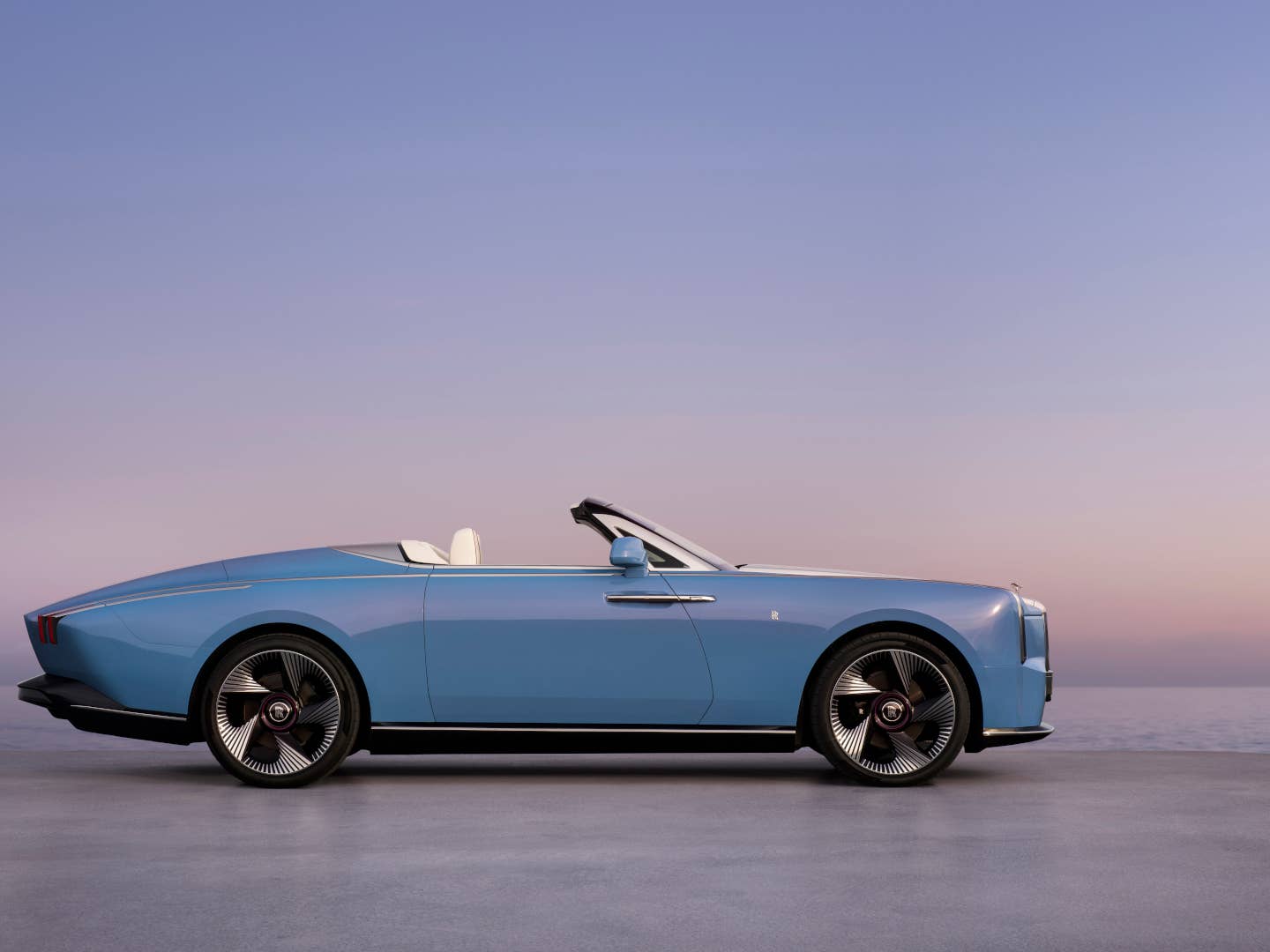
Rolls-Royce Motor Cars has introduced Project Nightingale, a two-seat electric convertible that formalizes its next phase of coachbuilt production. Positioned above its standard lineup, the model is not intended as a volume product but as a curated, limited-series expression of bespoke luxury.
With just 100 units planned globally, Nightingale reinforces the brand’s long-standing strategy: scarcity, personalization, and design-led storytelling.
The significance of Project Nightingale lies less in raw specifications and more in its structural role within Rolls-Royce’s portfolio.
The company has produced one-off commissions before, including recent high-profile projects, but Nightingale establishes a repeatable framework for low-volume coachbuilt vehicles.
This “Coachbuild Collection” effectively becomes a parallel tier of production, targeting clients who want something beyond even the marque’s already extensive bespoke options.
From a design perspective, Nightingale leans heavily on heritage without becoming derivative. Its proportions, particularly the elongated bonnet and set-back cabin, echo experimental models from the early 20th century.
However, the execution is contemporary, with simplified surfacing and restrained ornamentation. The two-seat convertible layout is a deliberate deviation from Rolls-Royce’s typical rear-passenger-focused architecture, signaling a shift toward more driver-oriented experiences within the ultra-luxury segment.
Electrification is another critical dimension. Built on the same underlying architecture as the Spectre, Nightingale continues Rolls-Royce’s transition toward an all-electric future. The choice is pragmatic as much as philosophical.
Electric drivetrains align naturally with the brand’s emphasis on silent operation and smooth power delivery. Rather than positioning electrification as a performance upgrade, Rolls-Royce frames it as a refinement tool, enhancing the calm, uninterrupted driving experience that defines its vehicles.
The interior concept follows a similar logic. Instead of introducing radical digital interfaces or disruptive design elements, the cabin prioritizes atmosphere and craftsmanship.
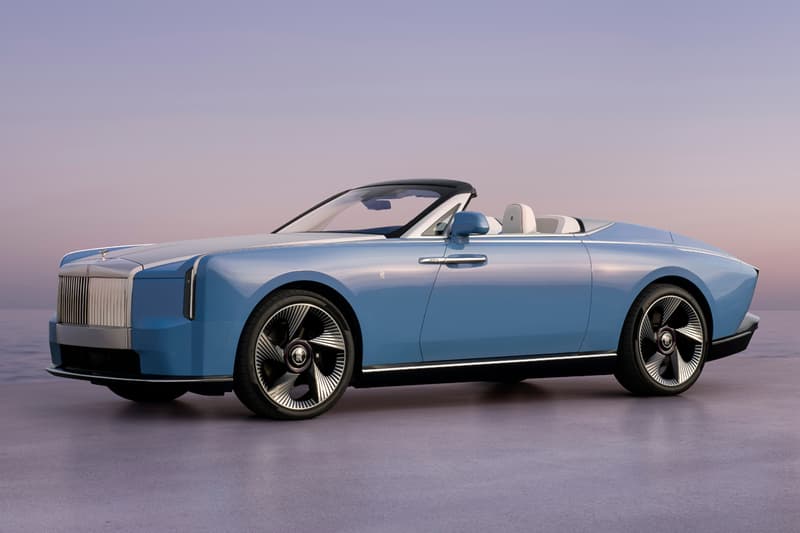
Materials, lighting, and spatial composition are treated as primary design tools. The so-called “Starlight Breeze” environment builds on existing Rolls-Royce motifs but pushes them into more immersive territory. This approach reflects a broader trend in ultra-luxury design, where sensory experience increasingly outweighs technological novelty.
Commercially, Project Nightingale operates on a different set of metrics than conventional automotive programs. Profitability is not driven by scale but by margin and brand equity.
Each unit is expected to command a multi-million-dollar price, with extensive customization pushing final figures significantly higher.
More importantly, projects like Nightingale strengthen Rolls-Royce’s positioning at the absolute top of the luxury hierarchy, where competition is limited and differentiation is primarily emotional rather than functional.
There is also a strategic signaling effect. By committing to a structured coachbuilt program, Rolls-Royce is effectively insulating itself from broader industry pressures, including electrification costs, regulatory shifts, and increasing competition in the premium EV space.
It is doubling down on a niche where those pressures are less relevant and where brand heritage carries disproportionate weight.
Project Nightingale, therefore, should not be evaluated as a standalone product. It is a framework, a proof of concept for how Rolls-Royce intends to operate in the next decade.
The combination of limited production, electric architecture, and high-touch customization suggests a clear trajectory: fewer cars, higher value, and tighter control over the ownership experience.
Nightingale is less about innovation in the conventional sense and more about refinement of an existing philosophy. Rolls-Royce is not attempting to redefine luxury. It is narrowing its definition, making it more exclusive, more deliberate, and increasingly unattainable.
