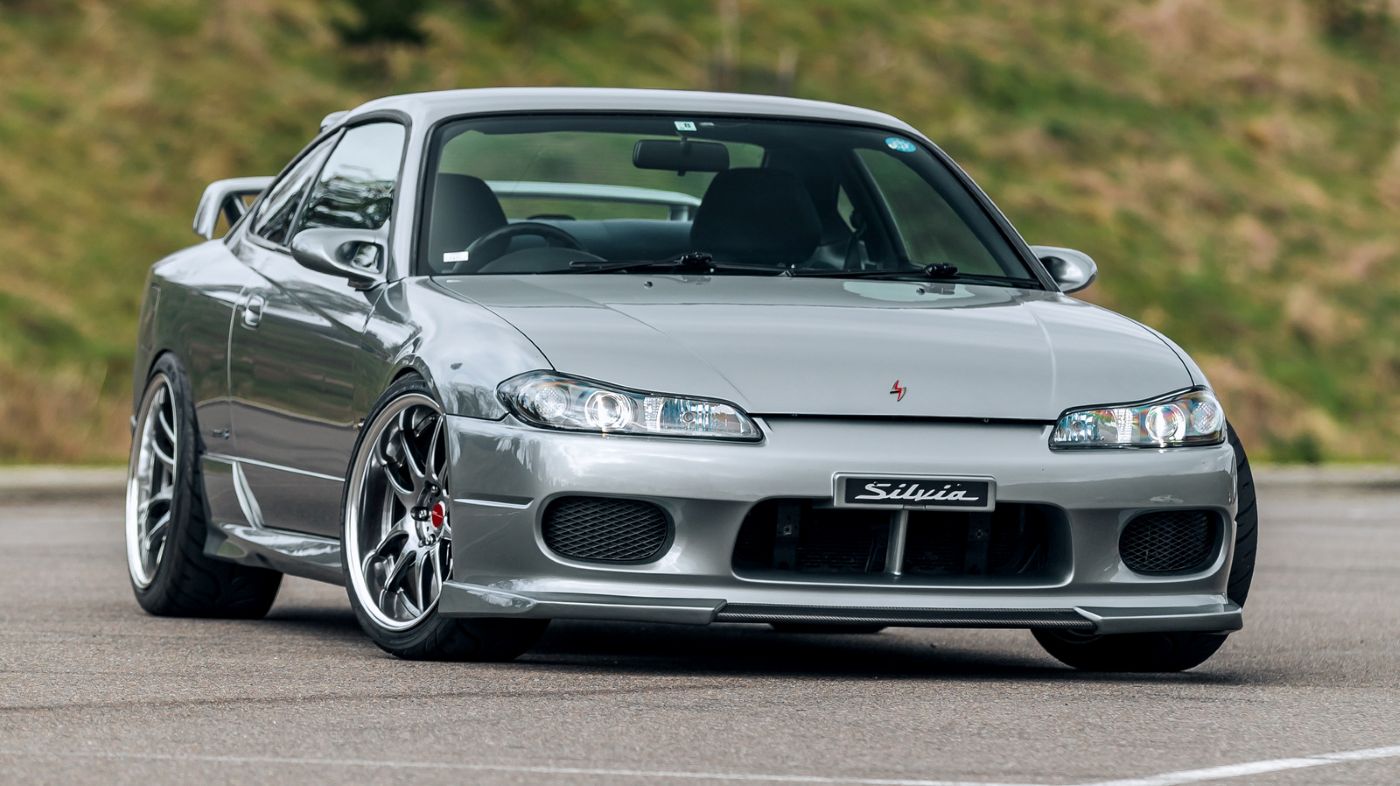
Nissan Motor Corporation is once again drawing attention to its performance heritage, with senior leadership indicating that new sports cars are under active consideration. Among the most discussed possibilities is the return of the Nissan Silvia, a nameplate that remains highly regarded among enthusiasts despite being discontinued more than two decades ago.
The renewed focus on sports cars comes as Nissan works to refine its brand identity in an increasingly competitive global market. While electrification and crossovers dominate sales strategies, company executives have emphasized that performance vehicles still play a critical role in shaping public perception.
Rather than treating sports cars as isolated halo products, Nissan appears to be exploring a more structured lineup that includes multiple performance-oriented models at different price levels.
Currently, Nissan’s sports car presence is largely defined by the Z, which occupies a mid-tier position in terms of pricing and performance. Above it sits the GT-R, although its future remains uncertain as the industry transitions toward electrified platforms.
The potential revival of the Silvia would fill a gap below the Z, offering a more accessible entry point into the brand’s performance ecosystem. This tiered approach mirrors strategies used by other automakers seeking to maintain enthusiast appeal while expanding market reach.
Historically, the Silvia was produced from the mid-1960s until the early 2000s, gaining particular prominence during its later generations. Known for its lightweight construction, rear-wheel-drive layout, and strong aftermarket support, the model became a staple in motorsports and tuner culture.
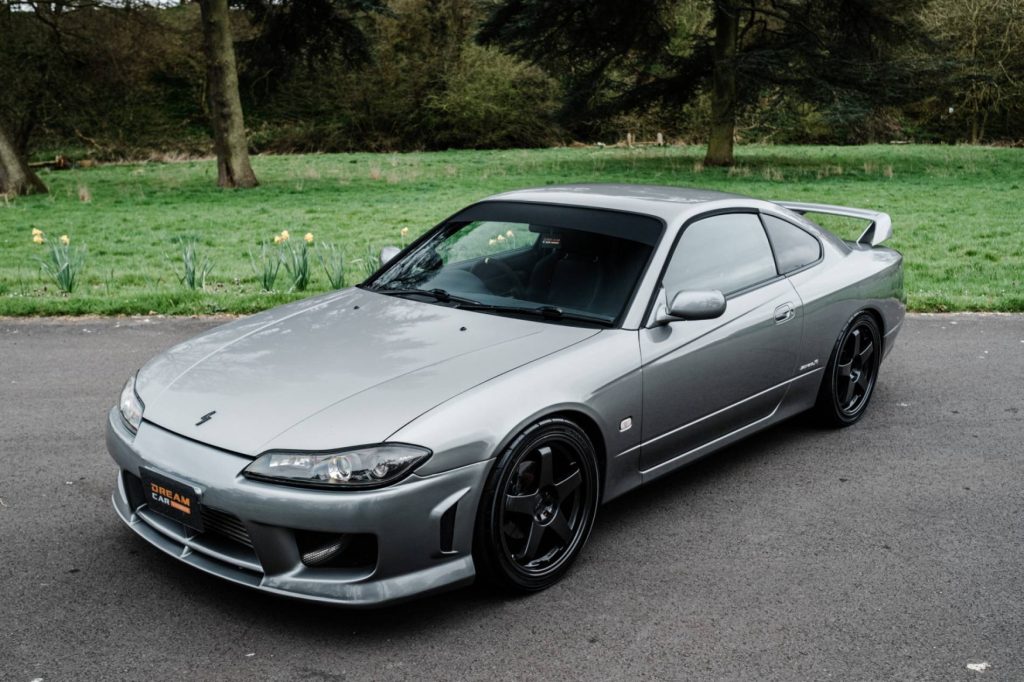
In several regions, including North America, it was marketed under alternative names such as the 240SX, further broadening its recognition. Its reputation for balanced handling and modifiability has kept it relevant long after production ended.
Reintroducing the Silvia, however, would not be a straightforward exercise in nostalgia. Modern safety regulations, emissions requirements, and consumer expectations impose constraints that did not exist when the original models were developed.
Engineers would need to reconcile these demands with the defining characteristics of the Silvia, particularly its emphasis on simplicity and driver engagement. This raises questions about potential powertrain options, with hybridization or full electrification likely to be part of the discussion.
Nissan has not disclosed specific technical details or timelines, but internal conversations suggest that any future sports car would need to align with the company’s broader transformation strategy.
Cost control, platform sharing, and global scalability are expected to influence decision-making, particularly for niche segments where volumes are relatively low. As a result, a new Silvia would likely be developed with a clear focus on efficiency in both engineering and production.
Beyond engineering challenges, the business case for a smaller sports car must also be justified in a market increasingly dominated by SUVs and crossovers.
Even so, Nissan appears to recognize the intangible value of performance models. Vehicles like the Silvia contribute to brand equity in ways that extend beyond direct sales, reinforcing credibility among enthusiasts and strengthening emotional connections with consumers.
The timing of such a revival would also be significant. As the automotive industry navigates the shift toward electrification, there is growing interest in how traditional sports car concepts can evolve. A modern Silvia could serve as a bridge between past and future, potentially combining compact proportions and engaging dynamics with new propulsion technologies.
For now, the Silvia remains a concept under evaluation rather than a confirmed product. However, the consistency of messaging from Nissan leadership suggests that the idea is being taken seriously.
If it moves forward, the project would represent more than just the return of a familiar name. It would signal Nissan’s intent to preserve its performance identity while adapting to the realities of a rapidly changing automotive landscape.