
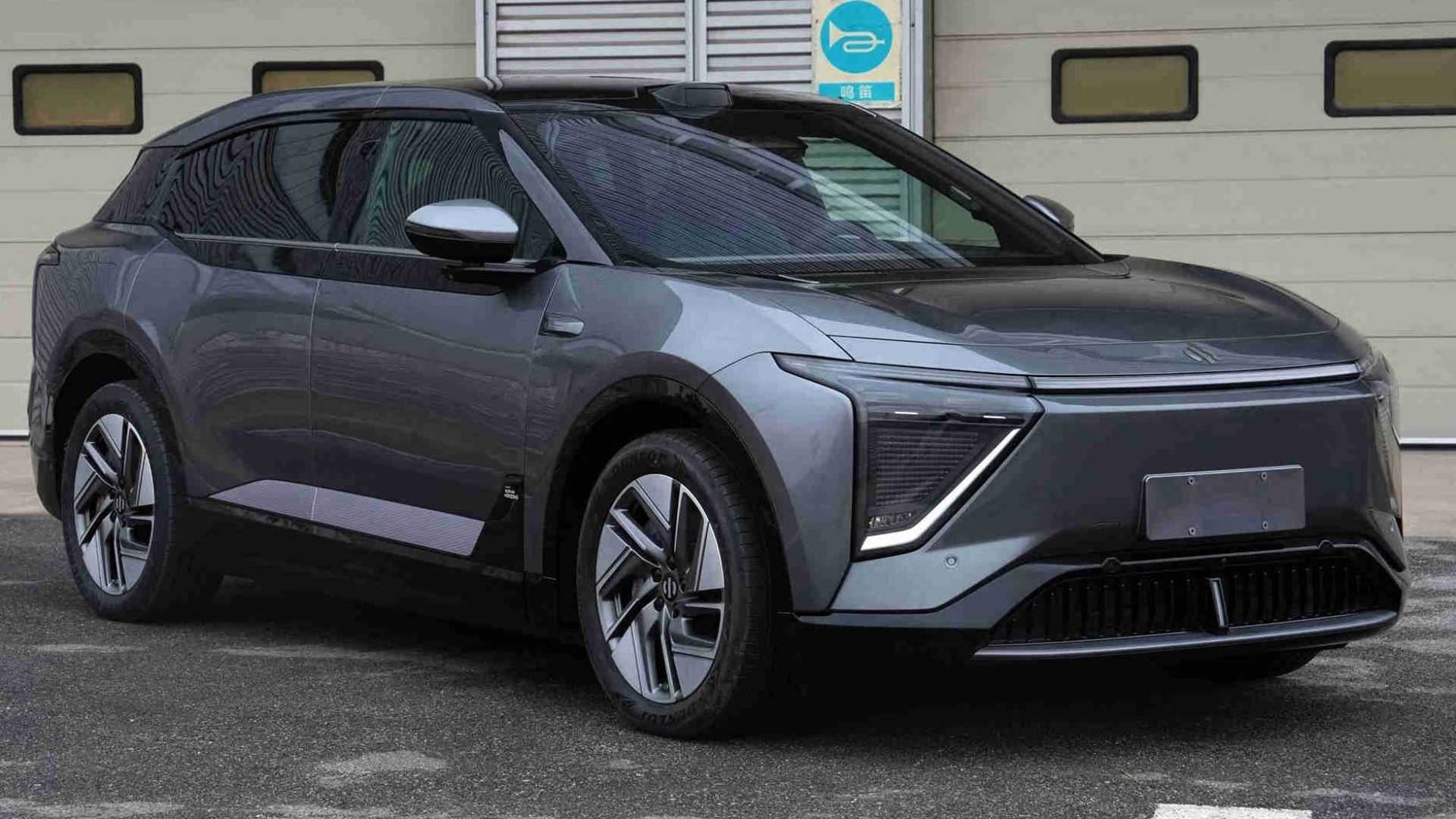
Electric vehicles have reached a significant milestone in the United Kingdom, with new data indicating that they are now cheaper to buy than petrol-powered cars. The shift marks a turning point in the automotive market, where electric mobility is no longer just a long-term cost-saving option but also a more affordable choice upfront.
According to figures compiled by the UK’s largest auto marketplace, the average price of a new electric vehicle has fallen below that of a comparable petrol car.
Recent listings show that the typical EV now costs around £42,620, compared to approximately £43,405 for petrol models. This price gap, while relatively small, represents a notable reversal from previous years when electric cars consistently carried a premium.
Several factors have contributed to this shift. One of the most influential is the growing availability of lower-cost electric vehicles, particularly from Chinese EV manufacturers.
Unlike markets such as the United States and parts of the European Union, the UK does not impose significant tariffs on Chinese-built EVs. This allows these vehicles to enter the market at substantially lower prices, increasing competition and putting pressure on established automakers to adjust their pricing strategies.
Government incentives have also played a role. A recently introduced electric vehicle grant offers buyers up to £3,750 off the purchase price of eligible models.
While the subsidy is capped based on vehicle cost, it has encouraged manufacturers to position more models within accessible price ranges. As a result, consumers now have a broader selection of competitively priced EVs across multiple segments.
Discounting by automakers has further accelerated the trend. In response to tightening emissions regulations and decarbonization targets, manufacturers have increased incentives on electric models to boost sales volumes. This has narrowed the price gap between EVs and traditional internal combustion vehicles, contributing to the current parity.
Beyond upfront pricing, electric vehicles have long held an advantage in running costs. Electricity remains generally cheaper than petrol on a per-mile basis, and EVs require less maintenance due to fewer moving parts.
These savings have historically offset higher purchase prices over time, but the current market shift removes that initial barrier altogether. Buyers are now able to benefit from both lower purchase costs and reduced long-term expenses.
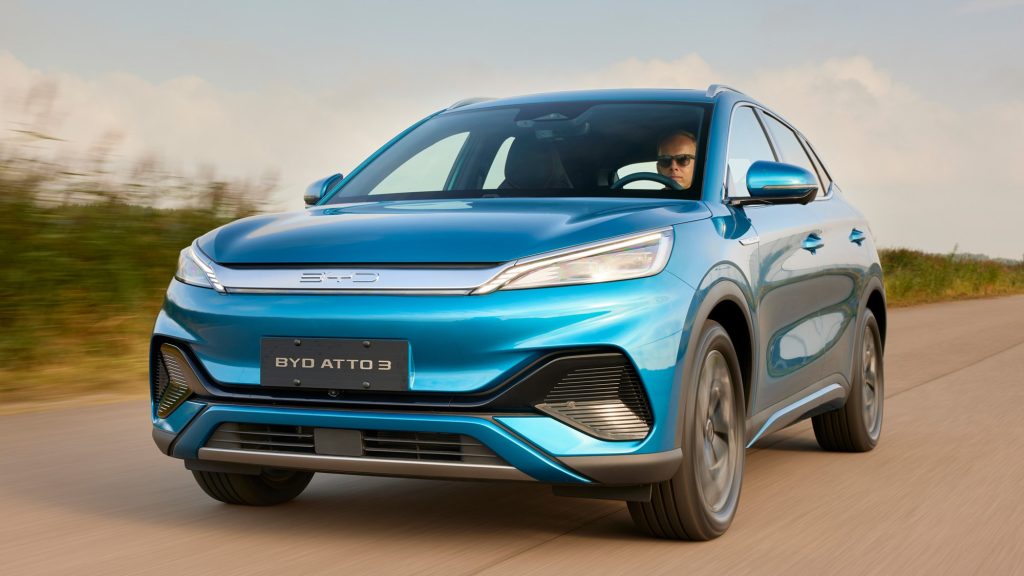
The broader market impact is already becoming visible. The UK has seen a surge in electric vehicle adoption, with sales accelerating toward national targets.
Increased affordability is expected to sustain this momentum, particularly as consumers become more sensitive to fuel costs amid global energy price fluctuations. Rising petrol prices have further strengthened the economic case for switching to electric mobility.
Competition is another key element shaping the market. The presence of lower-cost EVs has forced traditional automakers to rethink pricing and product strategies. In markets where tariffs limit such competition, vehicle prices tend to remain higher.
The UK’s relatively open approach has created a more dynamic environment, where manufacturers must compete on both price and technology.
The implications extend beyond consumer savings. Greater adoption of electric vehicles supports national decarbonization goals by reducing emissions from the transportation sector. With EVs now accessible to a wider range of buyers, the transition away from internal combustion engines is likely to accelerate.
While the price advantage may fluctuate as market conditions evolve, the current development signals a structural change rather than a temporary anomaly. As production scales increase and technology costs continue to decline, electric vehicles are expected to maintain or even expand their pricing advantage.
For consumers, the equation has shifted decisively. Electric cars are no longer a premium alternative justified only by future savings. In the UK, they are increasingly the more economical choice from the moment of purchase, reinforcing their role as the next mainstream phase of personal transportation.
