
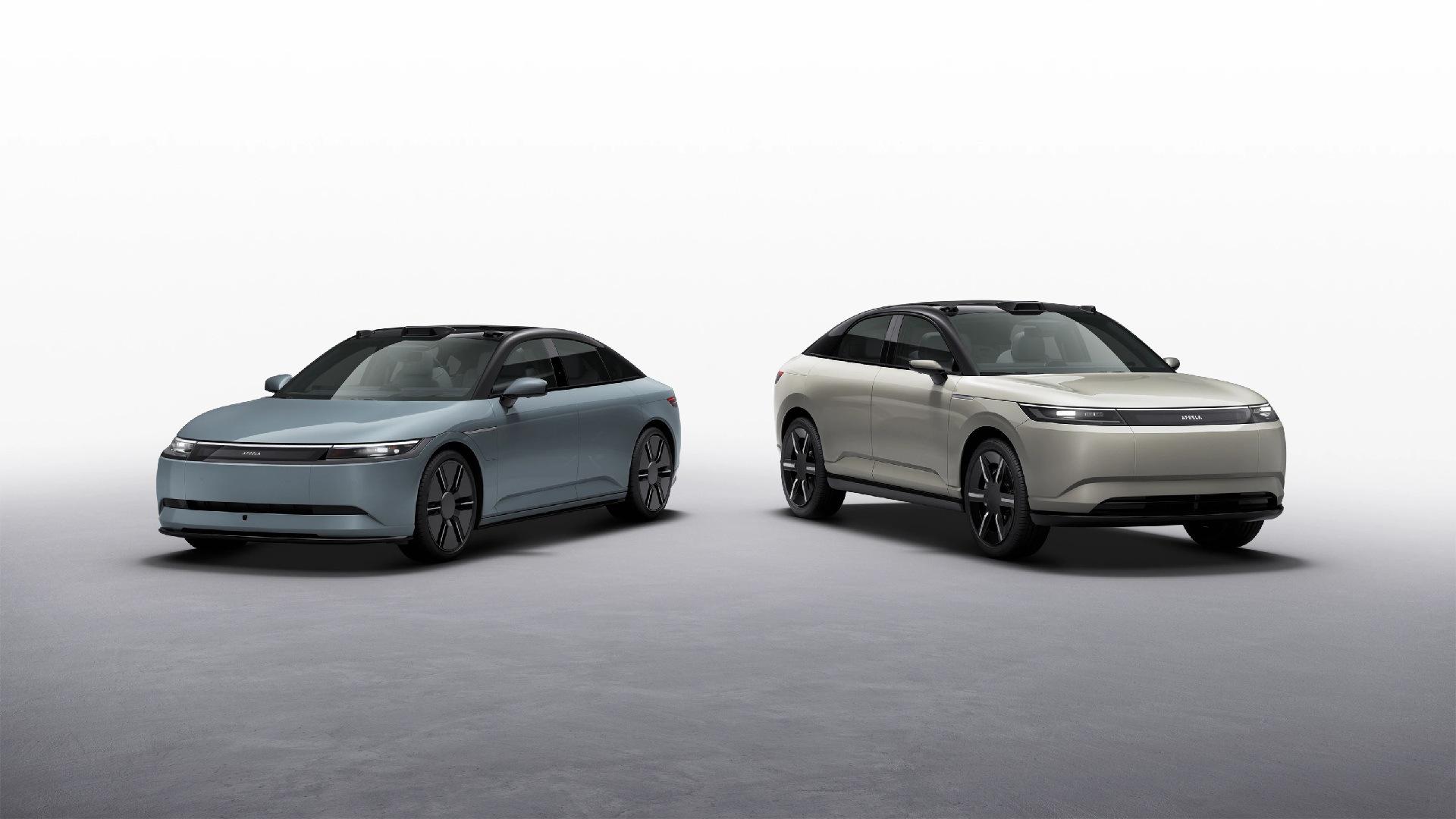
Sony Group Corporation and Honda Motor Co., Ltd. are reorienting their joint mobility strategy, shifting emphasis toward artificial intelligence and software-driven technologies after scaling back plans for a dedicated electric vehicle. The move reflects changing market conditions and a broader reassessment of how value is created in the automotive sector.
The partnership, established under Sony Honda Mobility, was initially formed to develop a premium electric vehicle that would combine Honda’s manufacturing expertise with Sony’s strengths in electronics, sensors, and entertainment systems.
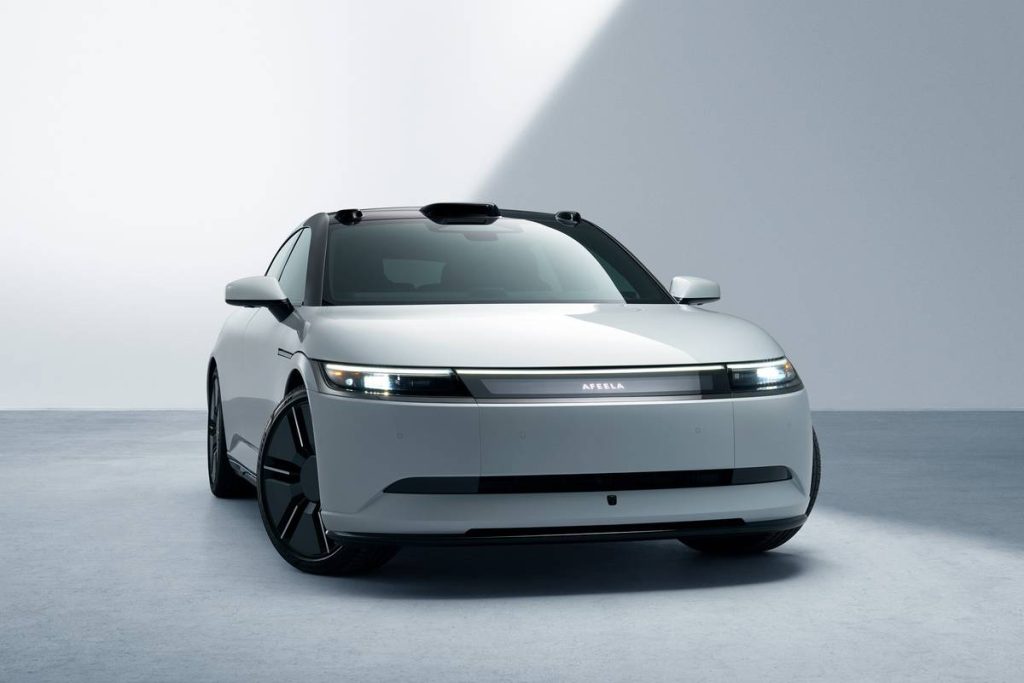
That vision materialized in the form of the Afeela 1, a concept positioned as a highly connected, software-defined vehicle aimed at redefining in-car experiences.
However, the project has since been scaled back as both companies reevaluate the financial and strategic challenges associated with launching a new EV in an increasingly competitive market.
Rising development costs, shifting regulatory frameworks, and intensifying competition from established manufacturers and emerging Chinese brands have made it more difficult for new entrants to secure a viable position. For Honda, these pressures have contributed to a broader adjustment of its electrification roadmap.
Rather than dissolving the partnership, Sony and Honda are redirecting their efforts toward the technologies that underpinned the original vehicle concept. Artificial intelligence is expected to play a central role in this new direction.
The Afeela platform was designed around an advanced AI interface capable of learning driver preferences, enabling natural interaction, and supporting a wide range of digital services. These capabilities are now being explored for applications beyond a single vehicle program.
The shift also aligns with a wider industry trend toward software-defined mobility. Modern vehicles increasingly rely on digital systems for everything from infotainment and connectivity to driver assistance and over-the-air updates.
As a result, the competitive landscape is evolving, with software and user experience becoming as important as traditional engineering. By focusing on these areas, Sony and Honda aim to remain relevant without committing to the full cost and complexity of vehicle production.
Sony’s role in this transition is particularly significant. The company brings expertise in imaging sensors, entertainment ecosystems, and consumer electronics, all of which are increasingly integrated into modern mobility platforms.
Leveraging these capabilities allows Sony to participate in the automotive sector through digital services and experiences rather than manufacturing. This approach reduces capital exposure while maintaining strategic flexibility.
Honda, meanwhile, is adjusting its approach to electrification by placing greater emphasis on hybrid technologies in the near term. This strategy allows the company to meet emissions requirements and maintain profitability while continuing to evaluate long-term EV investments.
By collaborating with Sony on software and AI, Honda can also enhance the technological sophistication of its future vehicles without bearing the full burden of development alone.
The decision to pivot away from a dedicated EV project highlights the complexity of entering the electric vehicle market. Even with substantial resources and complementary expertise, developing a competitive product requires significant scale, supply chain integration, and sustained investment.
For Sony Honda Mobility, the challenges of aligning these factors appear to have outweighed the immediate benefits of launching a new model. At the same time, the move underscores a broader shift in how automakers and technology companies view mobility.
The focus is increasingly on ecosystems rather than individual products, with emphasis placed on connectivity, data, and user interaction. In this context, the technologies developed for the Afeela project may still deliver value, even if the vehicle itself does not reach production.
Looking ahead, Sony Honda Mobility has not ruled out future vehicle development. The partnership remains active, and both companies have indicated that they will continue to explore opportunities in mobility. However, the immediate priority is clear: building capabilities in artificial intelligence and software that can be applied across a range of platforms and services.
The pivot reflects a pragmatic response to market realities. Instead of competing directly in a crowded and capital-intensive EV segment, Sony and Honda are focusing on areas where they can differentiate more effectively. In doing so, they are aligning their strategy with the evolving definition of mobility, where digital integration and intelligent systems are becoming central to the user experience.
