
Hyundai Motor Group has announced a warranty extension for certain electric vehicles affected by a known issue with the Integrated Charge Control Unit (ICCU). While the fault impacts a relatively small percentage of vehicles, it has been serious enough in some cases to cause a complete loss of power, either preventing the car from starting or stopping it during driving.
The issue has primarily affected models built on Hyundai’s E-GMP platform, which is shared across both Hyundai and Kia electric vehicles. The ICCU is responsible for managing charging functions, including supplying power to the 12-volt battery. In some cases, voltage irregularities can trigger a fuse failure, leading to a sudden loss of power.
Although the failure rate is estimated at around 1 percent, affected owners have reported difficult experiences. These include long wait times for repairs and, in some instances, repeated failures even after the ICCU unit was replaced. The persistence of the issue over time has raised concerns among EV owners, particularly because it can leave drivers stranded without warning.
Hyundai has already attempted to address the problem through recalls and software updates designed to manage voltage spikes more effectively. However, these measures have not fully eliminated the issue. As a result, the company is now extending warranty coverage specifically for ICCU-related failures.
Under the new policy, Hyundai is adding a 5-year, 80,000-mile extension to the existing warranty coverage for this component. This brings total ICCU coverage to 15 years or 180,000 miles, significantly exceeding standard warranty terms. The extension applies at no cost to customers and is intended to provide reassurance while the company continues working on a more permanent solution.
In an official statement, Hyundai emphasized its focus on safety and long-term reliability, noting that customers experiencing warning signs such as dashboard alerts, reduced power, or charging issues should contact authorized dealers for inspection and support. Owners can also check whether their vehicle is affected by entering their VIN on Hyundai’s official service website.
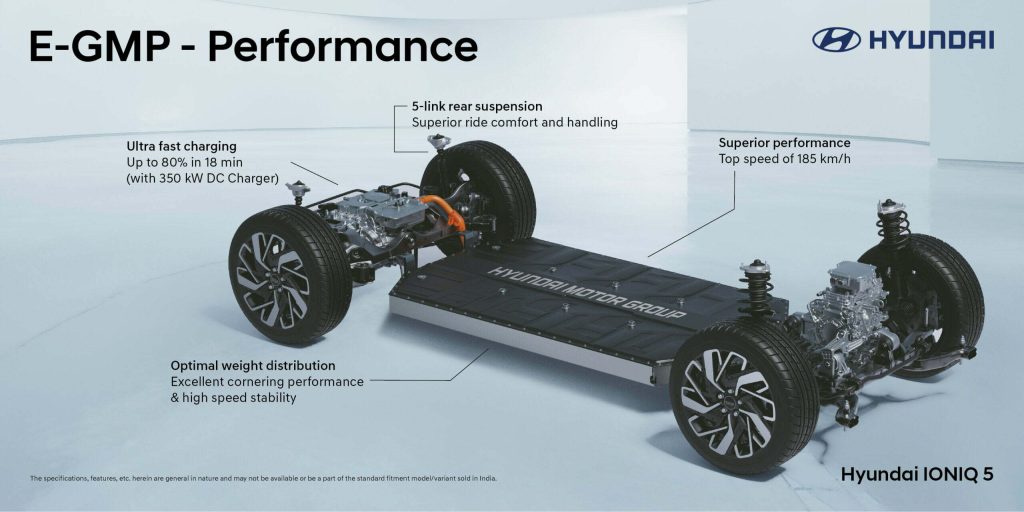
While the announcement was initially confirmed for the United States, there are indications that similar measures may be introduced in other regions. Reports suggest that some vehicles in Germany are already receiving comparable warranty updates, pointing toward a broader global response.
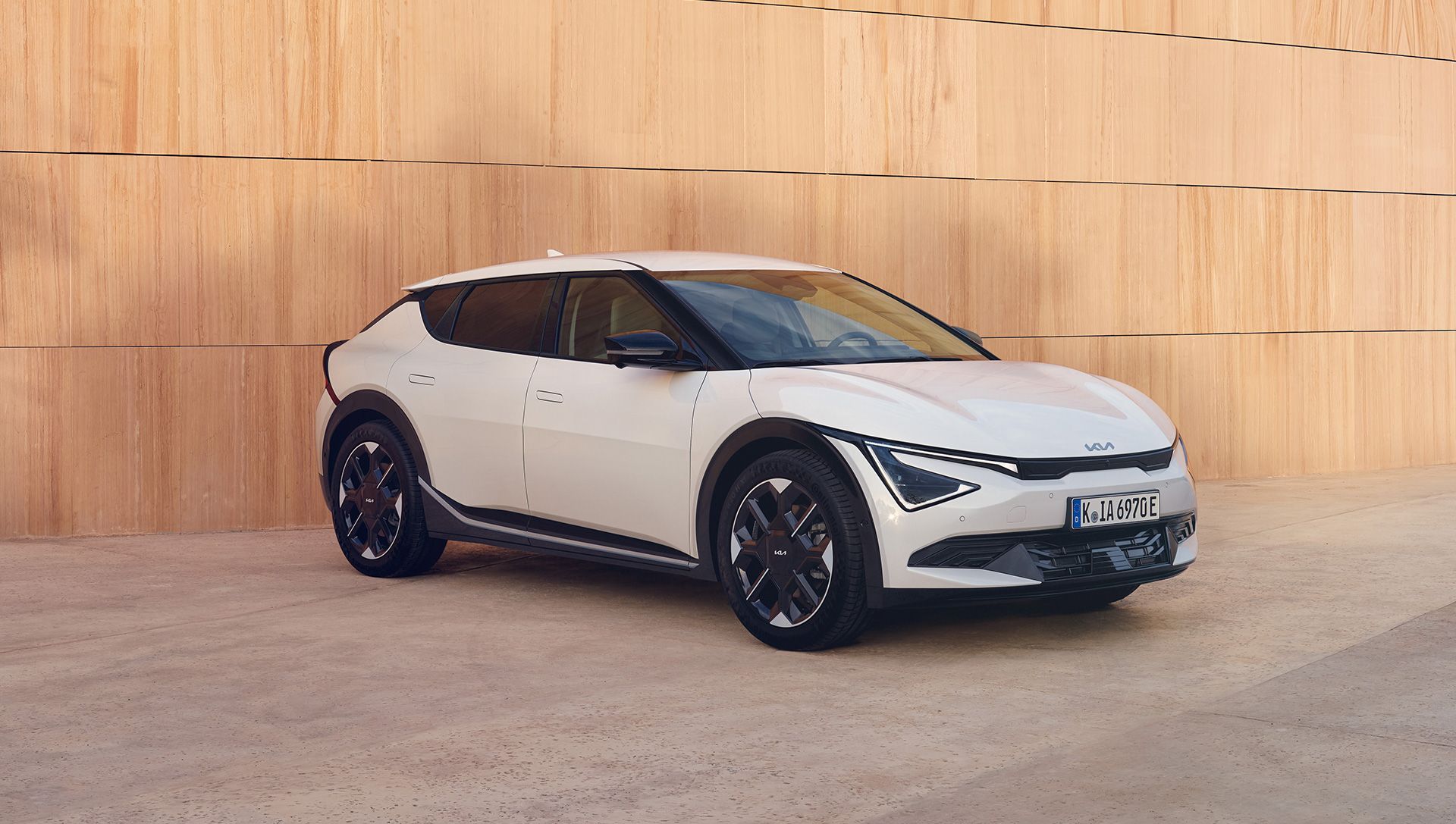
Kia, which produces vehicles using the same E-GMP architecture, is expected to follow a similar approach. The company has stated that it will provide further details to dealers and owners of models like the Kia EV6 in the near future, suggesting that a matching warranty extension is likely.
From an industry perspective, this move represents an acknowledgment of an ongoing issue that has affected customer confidence. While the extended warranty provides long-term coverage and reassurance, it does not fully eliminate the inconvenience faced by affected owners, particularly those who may still experience breakdowns or extended service delays.
The decision reflects a balance between customer support and ongoing technical development. Hyundai is effectively buying time to refine a permanent fix, while ensuring that owners are protected if the issue occurs.
For current owners, the most practical step is to confirm whether their vehicle has received the latest software updates and to monitor for any early warning signs related to ICCU performance.
