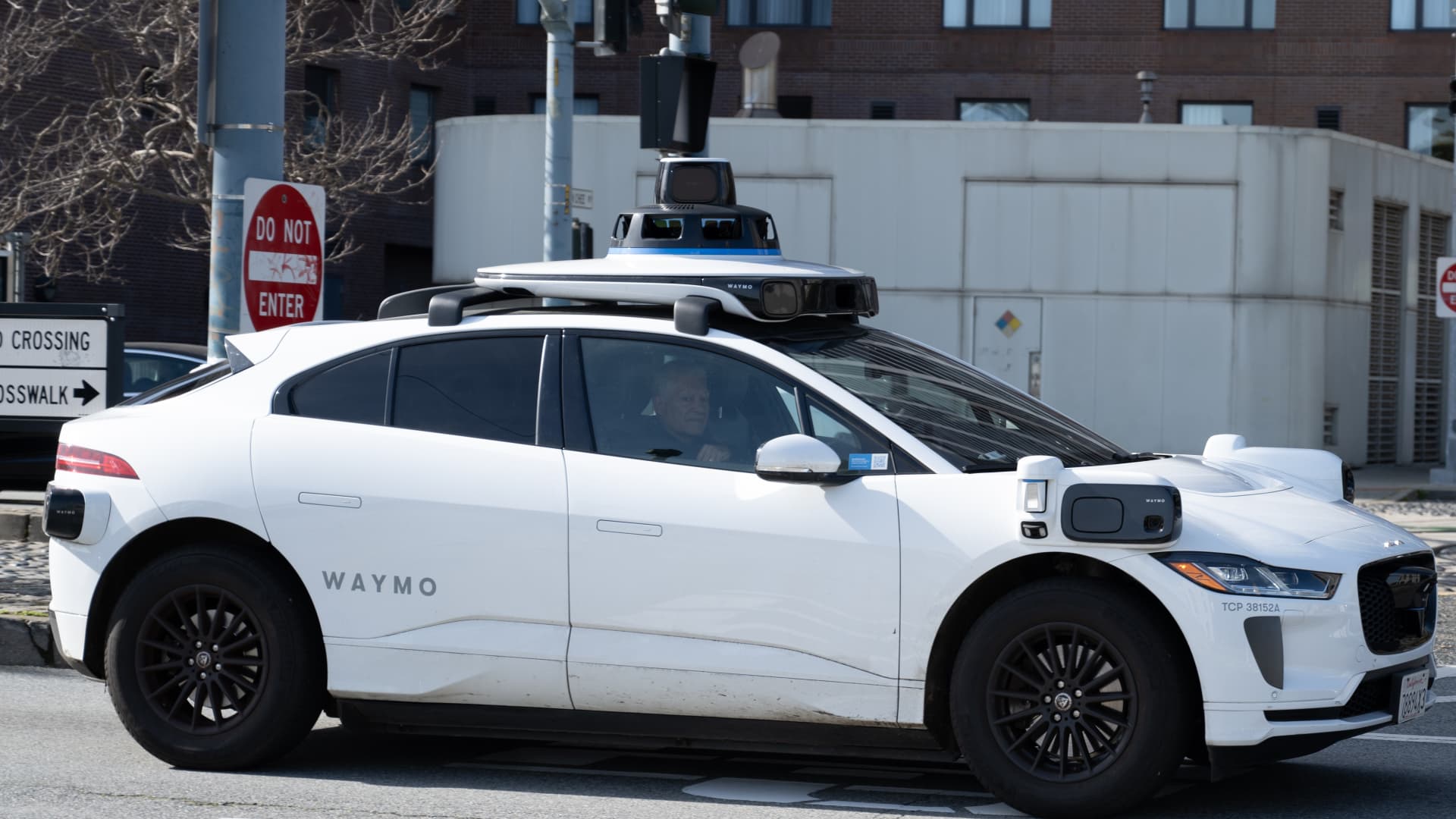
Waymo is expanding the role of its robotaxi fleet by using its vehicles to detect potholes and report them to city authorities. The initiative turns autonomous cars into mobile data collectors, helping improve road maintenance while they operate as part of regular ride-hailing services.
The system works by using the same sensors that power Waymo’s self-driving technology. Each vehicle is equipped with cameras, radar, and LiDAR, which continuously scan the road and surrounding environment.
These sensors can identify irregularities in road surfaces, including potholes. When a defect is detected, the system records its location and sends the information to local agencies responsible for road repairs.
This effort is being developed in collaboration with Waze, which helps distribute the data more broadly. Pothole alerts can be shared through the platform, allowing both city officials and everyday drivers to access real-time information. Drivers can also confirm or report issues, creating a feedback system that improves accuracy over time.
The program is currently being tested in several U.S. cities where Waymo operates its robotaxi services, including Phoenix, San Francisco, Los Angeles, Austin, and Atlanta.
These locations provide a range of traffic conditions and road environments, helping the company evaluate how well the system performs in different settings. Early data suggests that hundreds of potholes have already been identified through this approach.
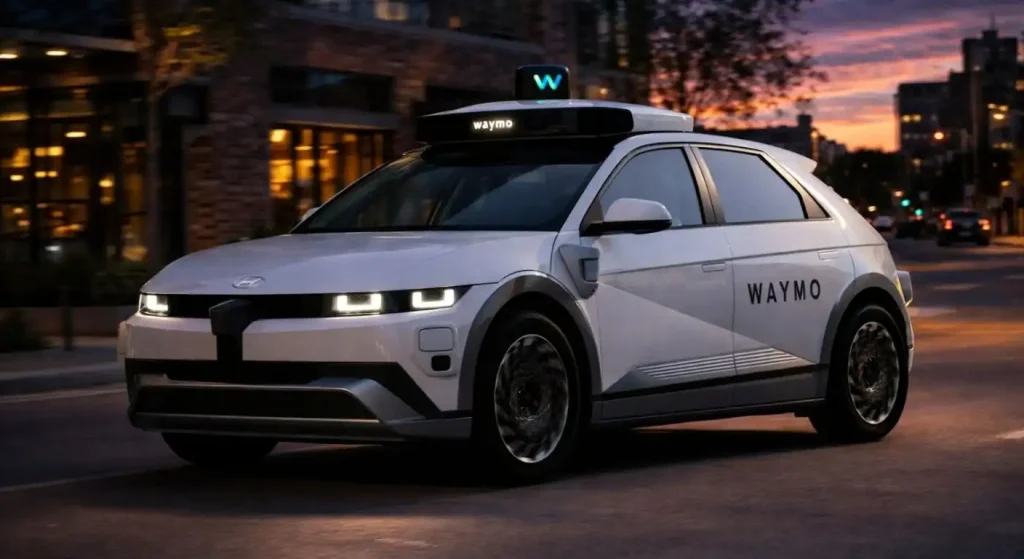
One of the main advantages of this system is continuous monitoring. Traditional methods of identifying road damage often depend on public complaints or scheduled inspections.
These methods can be slow and may miss issues that develop between inspections. Waymo’s vehicles collect data constantly as they move through the city, allowing for faster detection of road problems.
For city authorities, this can improve response times and resource planning. Instead of waiting for reports, maintenance teams can receive precise location data and prioritize repairs more efficiently. Faster repairs can reduce the risk of vehicle damage and improve road safety for drivers.
The initiative also highlights how autonomous vehicle technology can be used beyond transportation. The sensors required for safe self-driving operation can also analyze infrastructure conditions in detail. This expands the practical value of robotaxi fleets, especially as they grow in size and coverage.
However, the system is still in an early stage of deployment. Its long-term effectiveness will depend on how widely it can be scaled and how accurately it performs across different types of roads. Areas with lower traffic may still require traditional inspection methods, and the data collected by vehicles may need to be combined with existing reporting systems.
Waymo’s approach shows how autonomous vehicles can contribute to urban infrastructure management. By combining transportation services with real-time data collection, the company is positioning its robotaxi network as part of a broader smart city framework. If successful, this model could change how cities monitor and maintain their road networks, making the process faster and more data-driven.