
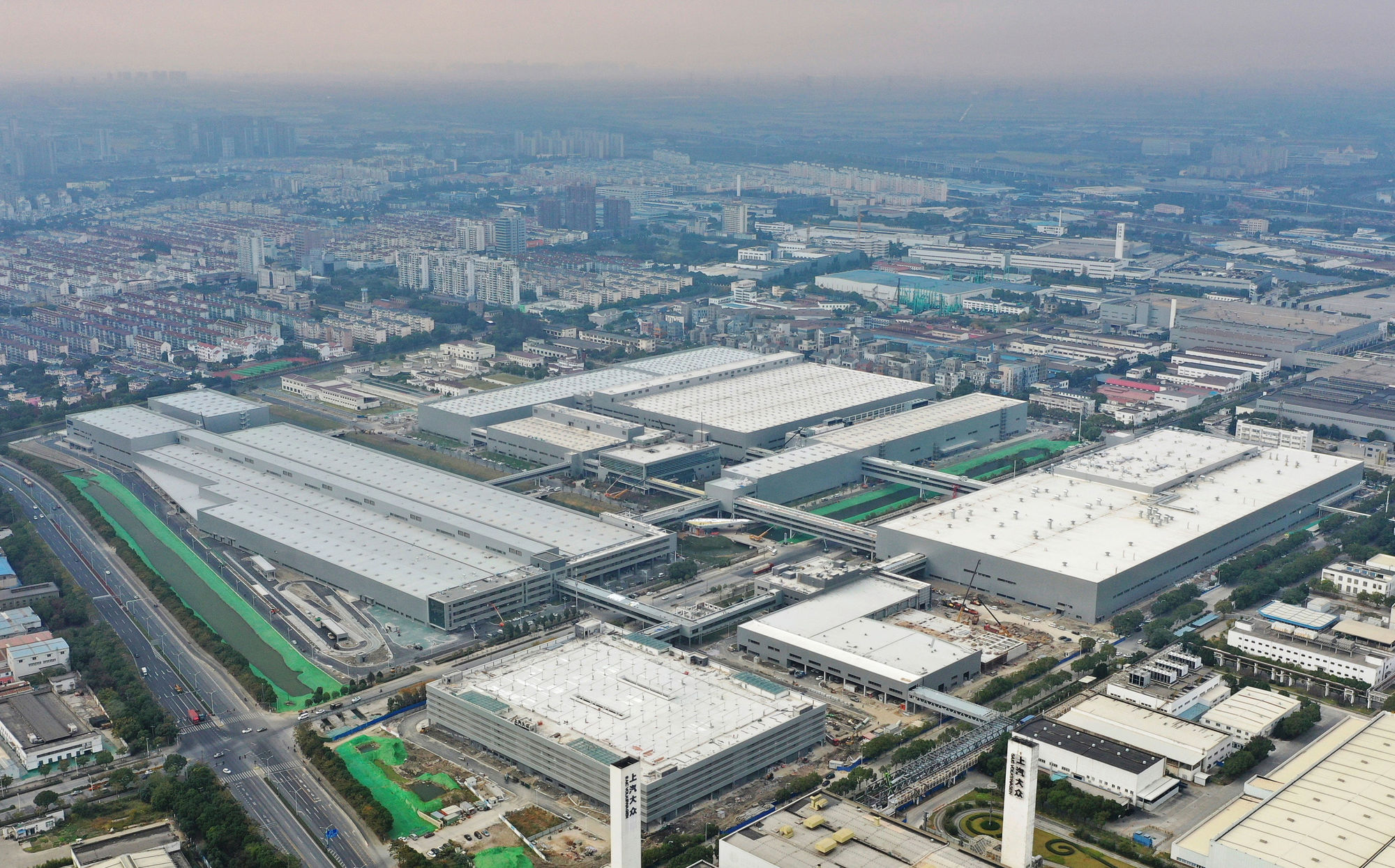
Volkswagen is preparing another major reduction in production capacity, cutting plans by roughly one million vehicles as the company continues to grapple with weakening demand, rising costs, and intensifying global competition. The move lowers its projected annual output capacity to around nine million vehicles, marking a significant contraction for one of the world’s largest automakers.
This latest adjustment reflects a broader restructuring effort underway at Volkswagen as it attempts to recalibrate its operations to align with what executives increasingly describe as a “new normal” for the automotive industry. Slowing sales in key markets, particularly in Europe and China, have forced the company to reconsider its scale and cost base.
The production cuts come alongside growing concerns about employment. While Volkswagen has not confirmed exact figures, the scale of the reduction suggests that job losses are likely. Tens of thousands of positions could be at risk as the company looks to streamline operations and improve efficiency across its manufacturing network.
A major pressure point has been China, once Volkswagen’s most reliable growth engine. The company has seen its market position erode as domestic Chinese automakers rapidly gain ground, particularly in the electric vehicle segment. These competitors have been able to offer more affordable and technologically competitive models, reshaping consumer expectations and intensifying price competition.
At the same time, Volkswagen faces rising costs in Europe, including higher energy prices, labor expenses, and regulatory burdens tied to emissions and electrification targets. These factors have made large-scale production increasingly difficult to sustain at previous levels of profitability.
Trade tensions and tariffs have added another layer of complexity. Export strategies that once helped balance regional demand are now less effective, forcing the company to localize production more aggressively while also managing geopolitical risks. This has contributed to a more fragmented and less predictable global operating environment.
Volkswagen’s leadership has acknowledged that the industry is undergoing a structural transformation. The transition to electric vehicles, combined with digitalization and shifting consumer behavior, is reshaping traditional business models. Legacy automakers like Volkswagen must invest heavily in new technologies while simultaneously managing declining returns from internal combustion engine vehicles.
Despite these challenges, Volkswagen continues to pursue its electrification strategy, though at a more measured pace. The company has adjusted timelines and investment priorities to better reflect current market conditions, particularly as EV demand growth has proven less consistent than previously expected in some regions.
The decision to cut production capacity is therefore not an isolated move but part of a broader strategic reset. By reducing output targets, Volkswagen aims to stabilize margins, optimize resource allocation, and position itself more competitively in a rapidly evolving market.
However, the social and economic implications remain significant. Large-scale workforce reductions could have ripple effects across supply chains and regional economies, especially in areas heavily dependent on automotive manufacturing.
Volkswagen’s situation underscores a wider trend affecting the global auto industry. Manufacturers are increasingly being forced to balance the costs of transformation with uncertain demand, all while facing new competitors and regulatory pressures. In this context, scaling back production is less a temporary adjustment and more a reflection of long-term structural change.
As Volkswagen moves forward, its ability to execute this transition efficiently while maintaining technological relevance will be critical. The reduction of one million vehicles from its production plans signals both the severity of current challenges and the extent of the adjustments required to navigate them.
