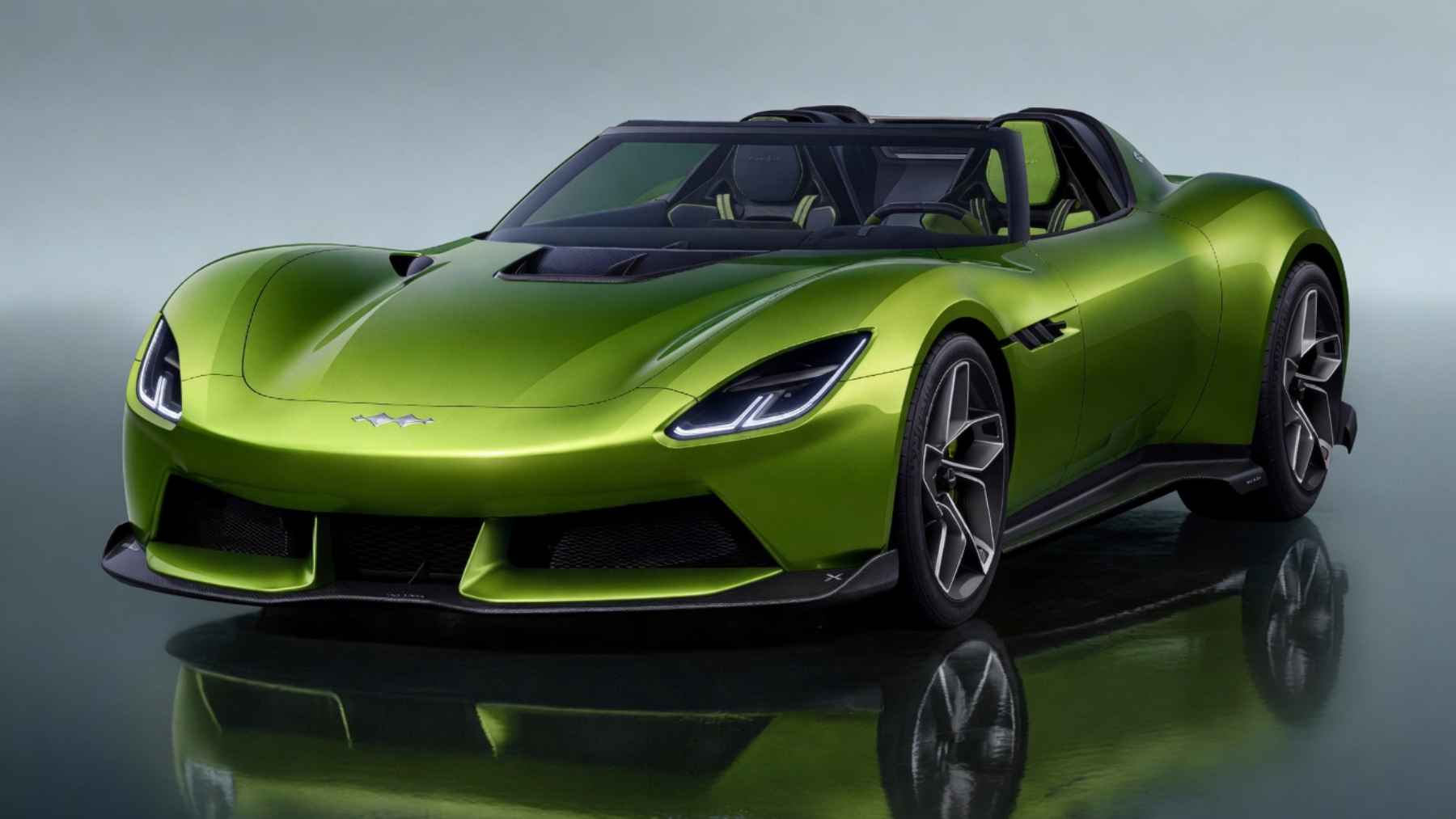
BYD has taken a notable step into the high-performance electric segment with the revealing of the Formula X, a dramatic two-seat convertible developed under its premium sub-brand Fang Cheng Bao. Revealed at Auto China 2026, the model signals a clear expansion beyond BYD’s core strength in mass-market electric vehicles into a more specialized, performance-driven category.
The Formula X stands out immediately for its design. Unlike conventional electric vehicles that prioritize minimalism and efficiency, this model adopts an aggressive, supercar-inspired aesthetic.
It features a low, wide stance and sharply sculpted bodywork, with proportions engineered to emphasize speed and visual impact. BYD describes the silhouette as adhering to a “golden ratio,” while the overall posture has been likened to that of a predatory animal, reinforcing its performance intent.
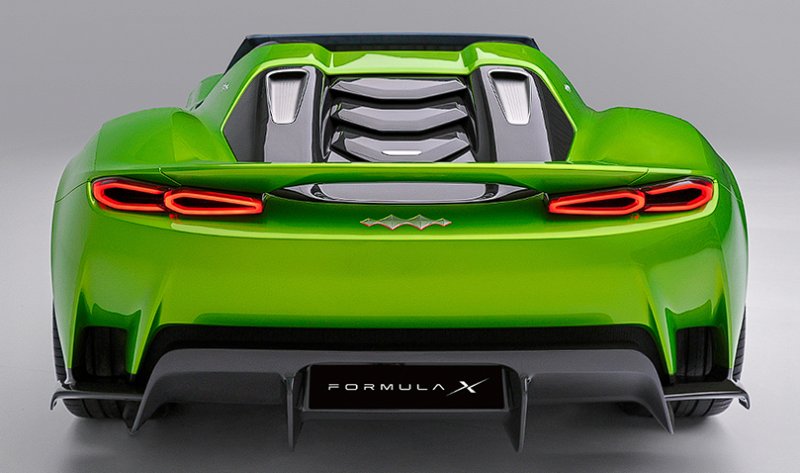
Aerodynamics play a central role in the vehicle’s development. The exterior incorporates 19 separate air vents, along with a large rear diffuser and an active spoiler system.
These elements are designed not only to enhance the car’s visual identity but also to improve airflow management and high-speed stability. The use of a full carbon fiber body further supports this objective, reducing overall weight while increasing structural rigidity, a combination typically associated with high-end performance vehicles.
One of the Formula X’s most distinctive features is its door mechanism. The car employs a hybrid design that blends characteristics of gull-wing and scissor doors, creating a theatrical entry and exit experience. This approach is rarely seen outside of exotic supercars and serves to position the Formula X as a statement product within BYD’s expanding portfolio.
Inside, the vehicle departs from the increasingly common trend of screen-dominated interiors. Instead, it adopts a driver-focused cockpit layout with a wraparound design.
The cabin integrates fixed sports seats, a retractable steering wheel, and a four-point harness system, emphasizing control and engagement over convenience. Physical controls remain a key part of the interface, suggesting that BYD is targeting driving enthusiasts rather than purely tech-oriented buyers.
While detailed performance specifications have not yet been disclosed, the overall engineering direction indicates a strong emphasis on dynamic capability.
The combination of lightweight materials, advanced aerodynamics, and a compact two-seat configuration suggests that the Formula X is intended to deliver competitive acceleration and handling within the emerging electric sports car segment.
The model also reflects a strategic shift for Fang Cheng Bao. Initially known for rugged SUVs and off-road-oriented vehicles, the sub-brand is now moving into a more performance-centric space.
This diversification aligns with broader trends in the global EV market, where manufacturers are increasingly exploring niche segments to differentiate themselves as competition intensifies.
Production intent is a key aspect of the Formula X. Unlike many concept vehicles that remain purely experimental, BYD has indicated that this model is being developed for real-world manufacturing, with production and sales expected to begin as early as next year.
However, initial availability will likely be focused on China and select international markets. Entry into regions such as the United States remains uncertain due to regulatory and distribution challenges.
The introduction of the Formula X comes at a time when BYD is already experiencing rapid growth in the global automotive industry. The company has established itself as a dominant force in the electric vehicle sector, particularly in China, where it competes with both domestic rivals and international brands.
Expanding into high-performance vehicles allows BYD to strengthen its brand image while showcasing its technological capabilities.
At a broader level, the Formula X illustrates how electric platforms are enabling new forms of vehicle design and performance. Without the constraints of traditional internal combustion engines, manufacturers can experiment with more radical proportions, advanced materials, and unconventional features.
Formula X is not just a new model but an example of how the boundaries between concept cars and production vehicles are becoming increasingly blurred.
If BYD can translate the design and engineering ambition of the Formula X into a competitive production offering, it could mark a meaningful step in the company’s evolution from a volume-focused EV manufacturer to a more diversified automotive brand with presence across multiple segments.