
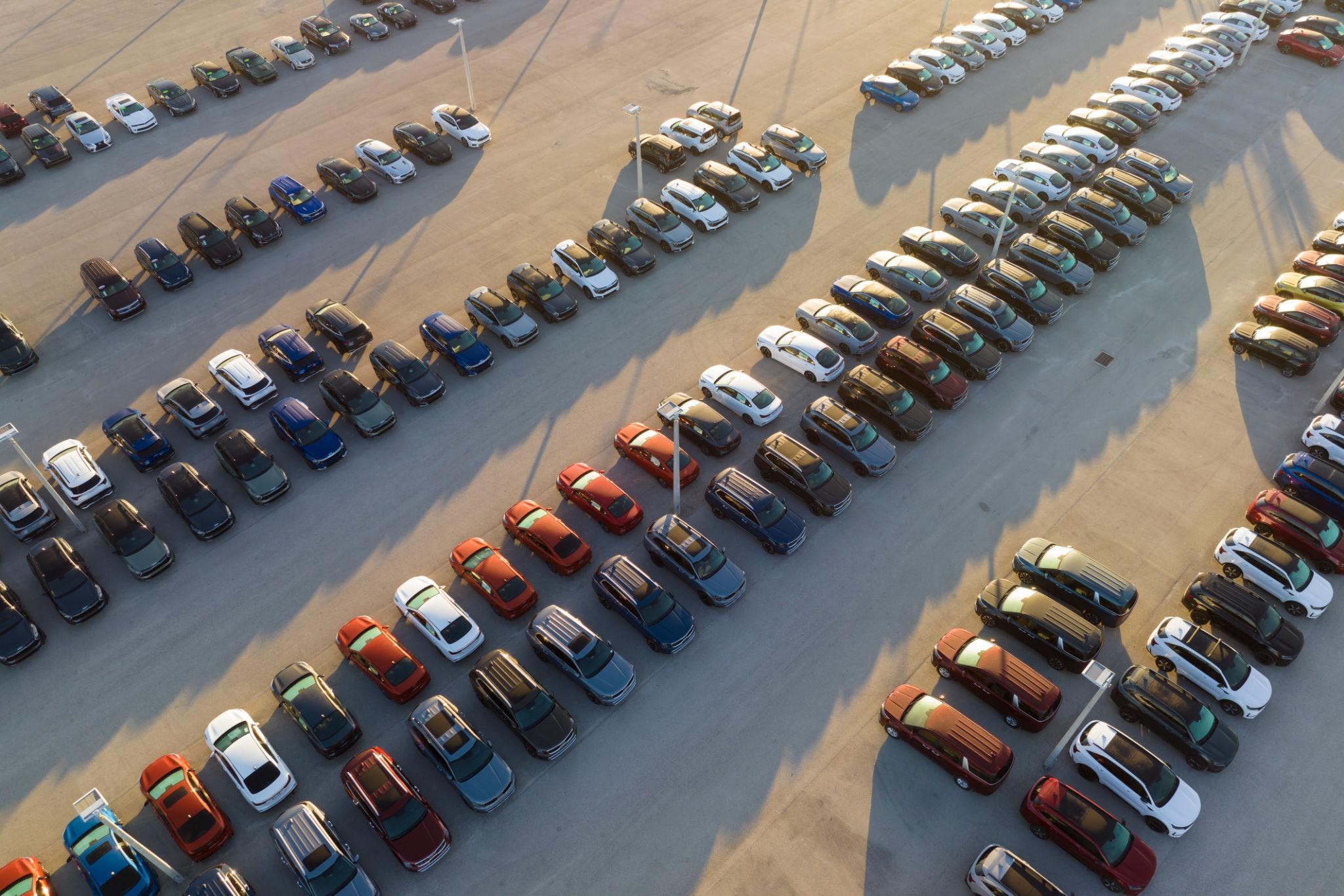
Used truck prices in America are staying stubbornly high. Millions of buyers are frustrated, and many are wondering when relief will finally come. The answer is complicated. Multiple forces are working together to keep prices raised across the country. It’s not just supply and demand anymore. Deep structural shifts in the truck market have changed the game entirely.
From tariffs to tight inventory, the pressure is coming from every direction. Even dealers are scratching their heads at how resilient these prices have become. Americans love their trucks. The Ford F-150, Ram 1500, and Chevy Silverado consistently top the best-seller charts year after year.
That love comes with a price tag. And right now, that price tag isn’t getting smaller anytime soon. New truck prices have exploded past $60,000 on average. That pushes millions of buyers straight into the used market. But the used market is just as tight. Low supply and high demand have created a perfect storm of raised prices. Understanding why prices are stuck starts with understanding the forces behind them. Here’s the real story.
New Truck Prices Are Pushing Everyone Into the Used Market
New trucks have never been more expensive in American history. The average transaction price for a new pickup now exceeds $62,000 nationwide.
That price point shuts out millions of hardworking Americans completely. They turn to the used market looking for a deal, but they’re not finding one.
When millions of buyers flood into used trucks simultaneously, competition drives prices up fast. Basic supply and demand punish everyone who waits too long to buy.
Automakers have also quietly shifted their production strategy over recent years. They are now building fewer base-model trucks and pushing heavily loaded premium trims instead.
A simple, affordable work truck barely exists on dealer lots anymore. What you find instead are fully loaded models packed with luxury features most buyers never asked for.
This trim strategy inflates new truck sticker prices dramatically across every brand. It makes even three-year-old used trucks look like a reasonable bargain by comparison.
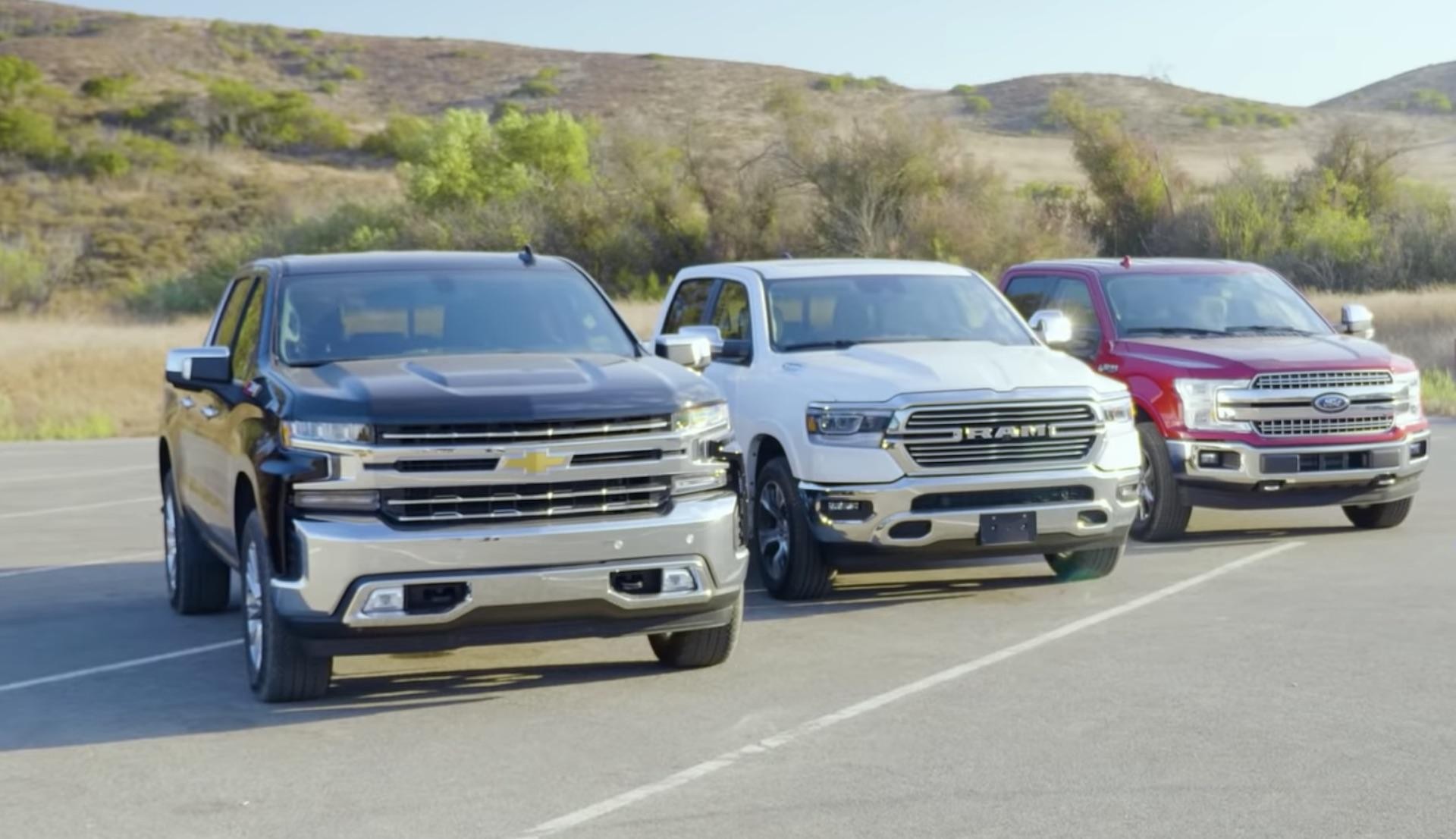
Trucks also hold their value better than almost any other vehicle on the road. A five-year-old Ford F-150 can still command $35,000 without any hesitation from sellers.
Strong resale value is excellent news for current owners looking to sell. But it is brutal news for everyday buyers trying to save money in a tough economic climate.
Buyers who stretched their budgets five years ago are now sitting on serious equity. They have zero motivation to sell cheaply and every reason to hold firm on price.
The used truck buyer today is essentially competing against the entire American workforce. There are simply more people chasing fewer affordable trucks than at any point in recent memory.
Tariffs and Supply Chain Problems Are Making Everything Worse
Tariffs on imported steel, aluminum, and critical auto parts have quietly raised production costs across the board. Those higher manufacturing costs get passed directly to consumers standing in the showroom.
Automakers don’t absorb extra expenses out of generosity or goodwill. Every single dollar of added production cost shows up somewhere in the final sticker price.
New truck prices rise sharply because of tariff pressure on raw materials. That ripple effect immediately and predictably lifts used truck prices right behind them.
The supply chain crisis that began during the pandemic years never fully healed itself. Semiconductor shortages slowed truck production dramatically for years, and dealer inventory never truly recovered to normal levels.
Millions of trucks that should have rolled off assembly lines simply were never built. That permanent production gap still haunts the available used truck supply every single day.
Rental fleets and large commercial buyers also held onto their aging trucks much longer during the shortage period. Fewer fleet returns meant dramatically fewer affordable used trucks hitting dealer lots and auction lanes.
Now those same aging commercial fleets are retiring slowly and reluctantly. The flood of returned fleet trucks that dealers were desperately hoping for has turned into a disappointing, slow trickle instead.

Parts shortages have also affected repair timelines across the country. Trucks sitting in body shops waiting on backordered parts are unavailable to the market for months at a time.
Global uncertainty continues to keep supply chains dangerously unpredictable for manufacturers. Every new international disruption tightens already strained inventory and pushes retail prices higher once again.
Dealers themselves are ordering conservatively because they fear getting caught with unsold inventory. Cautious ordering keeps a lot of stock lean and gives sellers tremendous pricing power over buyers.
Also Read: 10 Vehicles With Brake Pads You Can Buy at Any Walmart
Americans Simply Won’t Stop Buying Trucks
Truck culture in America runs incredibly deep and shows no signs of weakening. Pickup trucks aren’t just vehicles here; they’re a lifestyle, a personal statement, and a professional working tool all rolled into one.
Demand for trucks stays remarkably strong even when the broader economy slows down. Buyers will cut back on vacations, dining out, and entertainment long before they ever give up their pickup truck.
Contractors, farmers, electricians, and tradespeople depend on trucks to earn their daily living. Their demand is not optional or discretionary; it is built directly into their professional and financial survival.
Even suburban buyers who never haul a single load still want a truck in their driveway. The deep perception of toughness, capability, and American freedom keeps that aspirational demand burning consistently hot.
Lenders also love financing pickup trucks above almost every other vehicle category. Strong and reliable resale values make trucks low-risk collateral for banks, credit unions, and captive finance companies.
Easy and accessible financing keeps demand artificially raised even at historically high price points. Buyers stretch their monthly budgets much further when the payment feels manageable on paper.
A $55,000 used truck becomes psychologically easier to justify at $699 a month over 84 months. Long loan terms have quietly masked the true cost of truck ownership for millions of American families.
The truck segment is also almost completely dominated by domestic American brands. Ford, General Motors, and Ram control the market with very little serious foreign competition applying meaningful downward pricing pressure.
Without genuine competition forcing aggressive discounts, automakers have little real incentive to lower prices. The market comfortably lets them hold the line, and they do exactly that every single quarter.
Brand loyalty in the truck segment is also extraordinarily powerful and deeply emotional. Ford families buy Ford. Ram families buy Ram. That loyalty removes price sensitivity from the equation entirely.
The Certified Pre-Owned Trap Is Keeping Budget Buyers Out
Certified Pre-Owned programs sound like a great deal on the surface. But in the truck segment, CPO pricing has become another barrier blocking budget-conscious buyers from affordable options.
Dealers use CPO status to justify prices that are only a few thousand dollars below new. The certification adds perceived value and allows sellers to extract near-new prices from used inventory.
A two-year-old CPO Ram 1500 might carry a $52,000 price tag at a franchise dealer. That’s barely a discount over walking into a showroom and buying brand new with incentives applied.
Private party sales offer better pricing but come with significant risks for buyers. No warranty protection, unknown service history, and title complications scare many first-time buyers away from private deals.
The fear of buying a lemon keeps many buyers locked inside the certified dealer system. That captive audience gives dealers enormous pricing confidence and removes competitive pressure from the equation completely.
Auction prices for used trucks have also remained stubbornly high at the wholesale level. Dealers are paying more at auction than they did three years ago, and those costs flow straight to retail buyers.
When dealers pay $38,000 at auction for a used truck, they cannot sell it for $35,000 and survive. Retail prices must stay high simply to protect dealer margins and keep the business model functioning.
Online platforms like CarMax and Carvana have also brought national pricing transparency to the used truck market. Buyers can now see instantly what similar trucks are selling for in every corner of the country.
That national transparency has actually helped keep prices high rather than bringing them down. Sellers know exactly what their truck is worth on a national basis and refuse to accept anything less.
Regional arbitrage opportunities have nearly disappeared because of real-time pricing data. The days of finding a cheap truck in a rural market and flipping it in a city are essentially gone.
Economic Uncertainty Is Locking Owners In Place
When the economy feels shaky and unpredictable, people hold onto reliable assets tightly. A paid-off truck sitting in the driveway represents financial security that many Americans aren’t willing to surrender.
Owners who bought during low-interest-rate years are now trapped in a different way. Trading in means taking on a new loan at today’s much higher interest rates, a financially painful proposition for most families.
A buyer who financed a truck at 2.9% in 2021 has no desire to refinance at 7.5% today. They keep their current truck running and maintained rather than stepping into a painful new payment.
This lock-in effect removes tens of thousands of quality used trucks from the available market every single month. Supply stays tight, not because trucks are disappearing but because owners are simply refusing to let go.
Insurance costs have also risen sharply alongside vehicle values across the country. Higher insured values mean higher premiums, which adds another layer of financial pressure on potential buyers already stretched thin.
Inflation has eaten into household budgets in ways that make large discretionary purchases feel increasingly dangerous. Even buyers who want a new truck are pausing and waiting for some signal that conditions will improve.
That hesitation creates a strange standoff in the market. Sellers won’t drop prices, and buyers can’t comfortably afford current prices, and the stalemate just keeps dragging on month after month.
Economic anxiety is essentially freezing the used truck market in place. Until financial conditions shift meaningfully for American families, this standoff shows no clear signs of breaking.
Also Read: 9 Cars Where Tire Rotation Is Free at the Dealer for Life
