
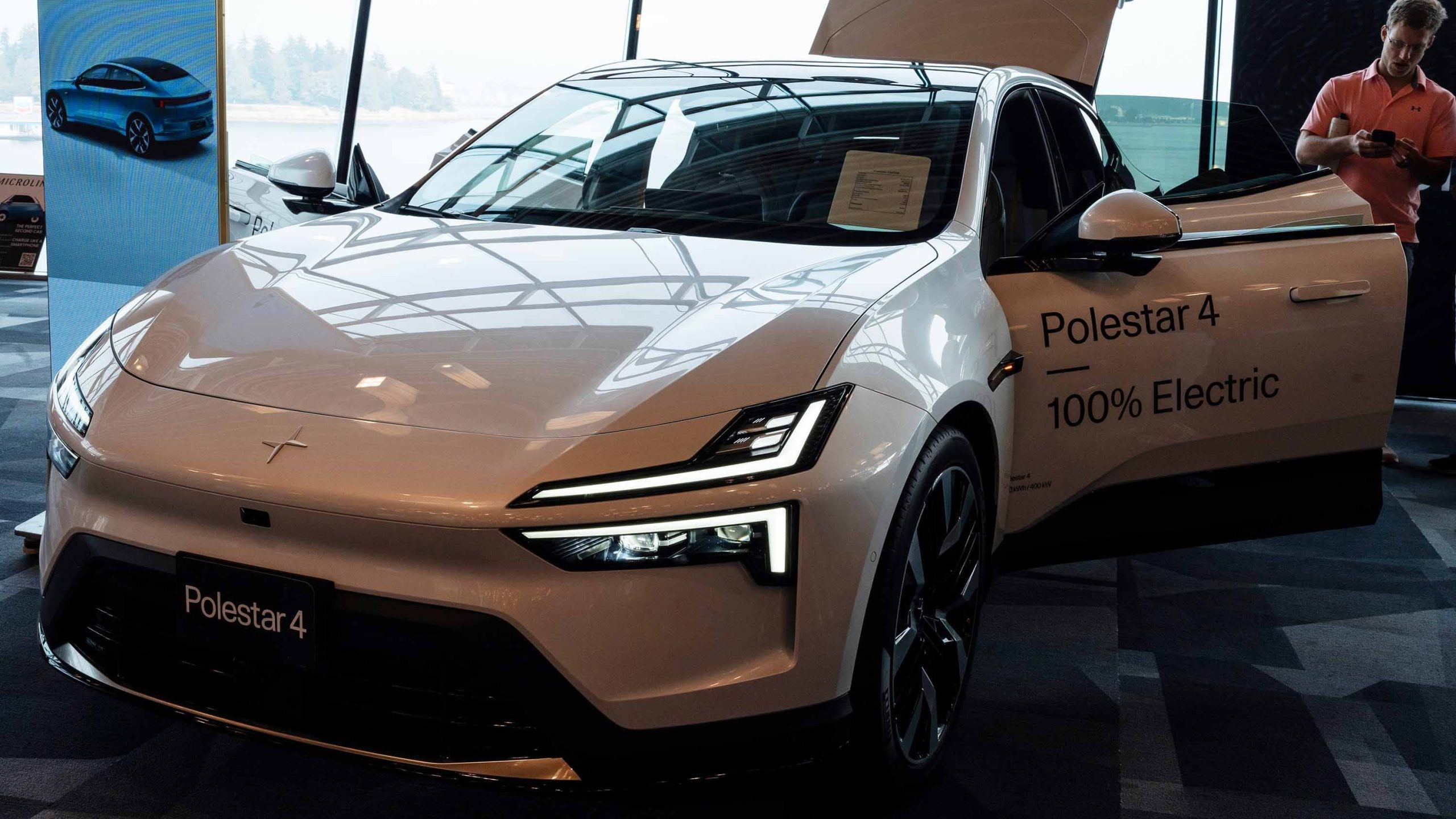
An emerging argument in policy and economic discussions is that the United States requires a clearer and more coordinated industrial strategy for electric vehicles. Advocates of this position point to increasing global competition, particularly from China, where sustained government investment and long-term planning have supported rapid expansion in electric vehicle production, battery development, and consumer adoption.
Reports indicate that China has invested more than $230 billion into its domestic electric vehicle sector over the past decade and more. This level of commitment has helped build large-scale manufacturing capacity, secure access to battery materials, and reduce production costs through scale.
As a result, Chinese manufacturers have been able to move quickly, producing vehicles at competitive prices while also advancing battery technology and supply chain control.
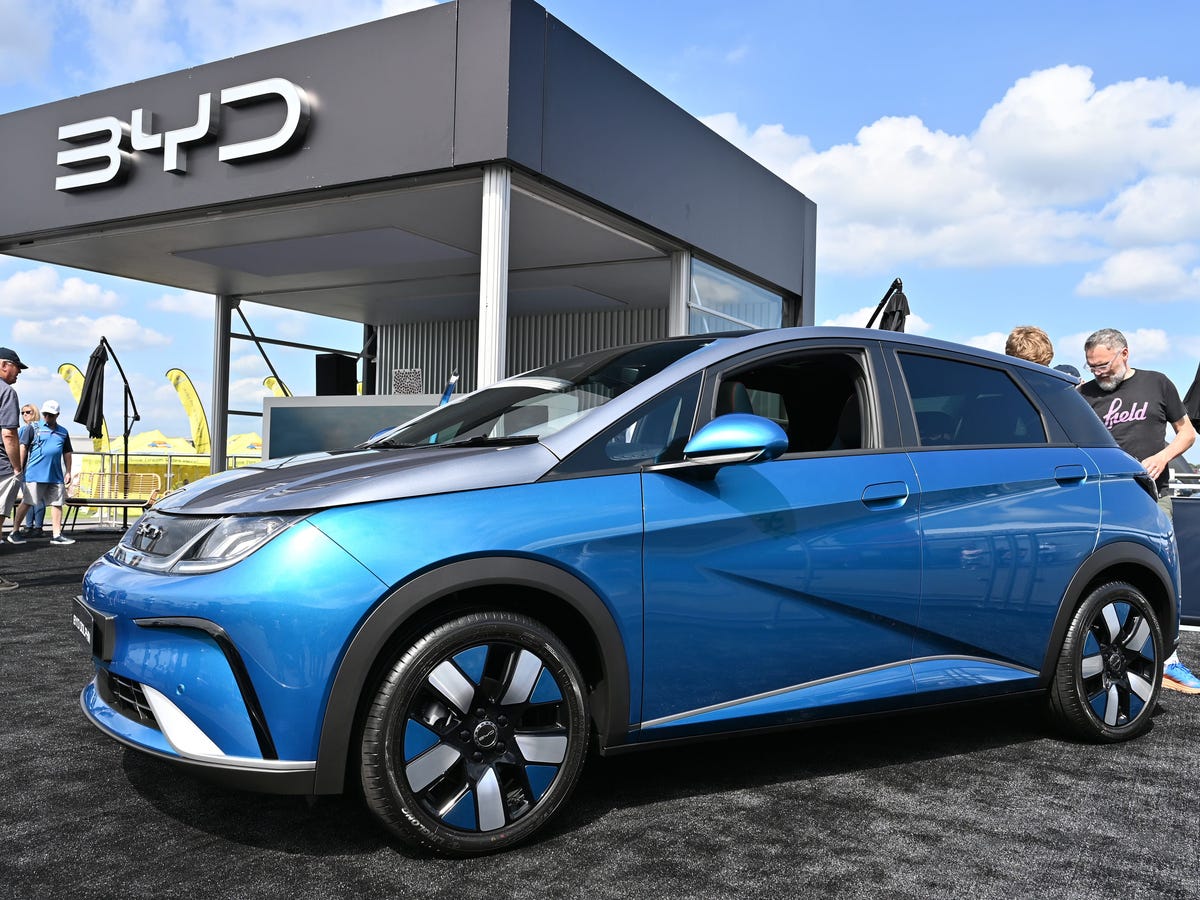
The United States, by comparison, has taken a different approach. Instead of a single coordinated framework, policy has often relied on a combination of tax incentives, emissions regulations, and market participation. These measures have supported growth in electric vehicle adoption, yet they have not always followed a consistent direction.
Changes in administration, regulatory priorities, and legislative adjustments have created periods of uncertainty for manufacturers and suppliers. This lack of consistency has made long-term planning more difficult for automakers. Investment decisions in this sector require years of preparation, particularly for factories, battery plants, and research facilities.
When policy direction changes frequently, companies face increased risk when committing to large-scale projects. Industry representatives have repeatedly expressed concern that unpredictable policy environments can slow development and affect supply chain coordination.
The central argument raised in the op-ed is that without a structured industrial strategy, the United States may struggle to maintain competitiveness in a sector that is expected to play a central role in transportation, energy use, and industrial employment over the coming decades.
Electric vehicles are not standalone consumer goods. They are part of a wider system that includes battery production, semiconductor integration, charging networks, mineral extraction, and software development. A coordinated policy approach could help align these elements more effectively, ensuring that progress in one area supports growth in others rather than developing in isolation.
Also Read: What China’s EV Price War Crackdown Means for U.S. Car Buyers
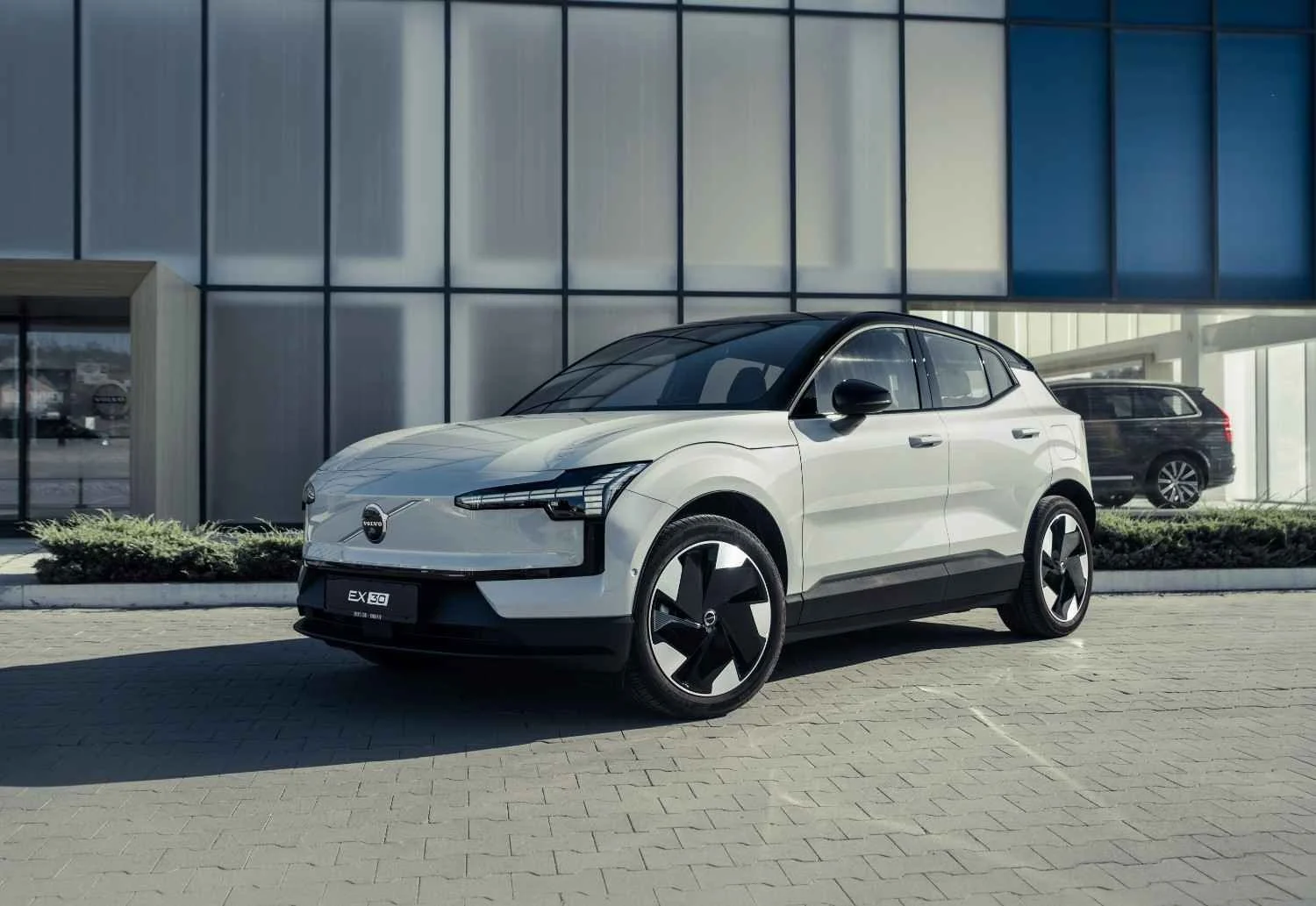
Policy Instability and Industry Response in the United States
A major concern highlighted in discussions around U.S. electric vehicle development is policy instability. As time goes on, federal incentives for electric vehicle purchases, emissions standards, and manufacturing support have shifted depending on political leadership and legislative priorities.
This has created an environment where long-term forecasting becomes more difficult for manufacturers. Automakers planning new factories or supply chain investments often operate on timelines that extend beyond a single political cycle.
When regulatory frameworks or incentive structures change within those periods, companies may need to revise or delay investment decisions. This can affect not only vehicle production but also supplier networks, labour planning, and research initiatives.
Complicating matters further are differences between federal and state-level regulations. In some cases, states have adopted stricter emissions requirements or different incentive structures compared to federal standards. For manufacturers operating across multiple states, this creates additional administrative and production challenges, as compliance requirements may differ depending on market location.
Consumer adoption patterns in the United States also reflect a slower-than-expected transition toward electric vehicles. While adoption has increased in recent years, electric vehicles still represent a limited share of total vehicle sales. Factors influencing this include charging infrastructure availability, vehicle pricing, driving range concerns among some buyers, and regional differences in access to support systems.
These combined factors have led some manufacturers to reassess production targets and investment timelines. In certain cases, companies have reduced projected output or adjusted financial forecasts tied to electric vehicle programs. This reflects a cautious response to both market uncertainty and policy variability.
The op-ed suggests that a more consistent and clearly defined industrial policy could reduce uncertainty, allowing manufacturers to plan with greater confidence. Stability in policy direction would also support supplier development and infrastructure investment, both of which are essential for scaling production efficiently.
Also Read: China’s BYD Surpassed Tesla in Global EV Sales for First Time
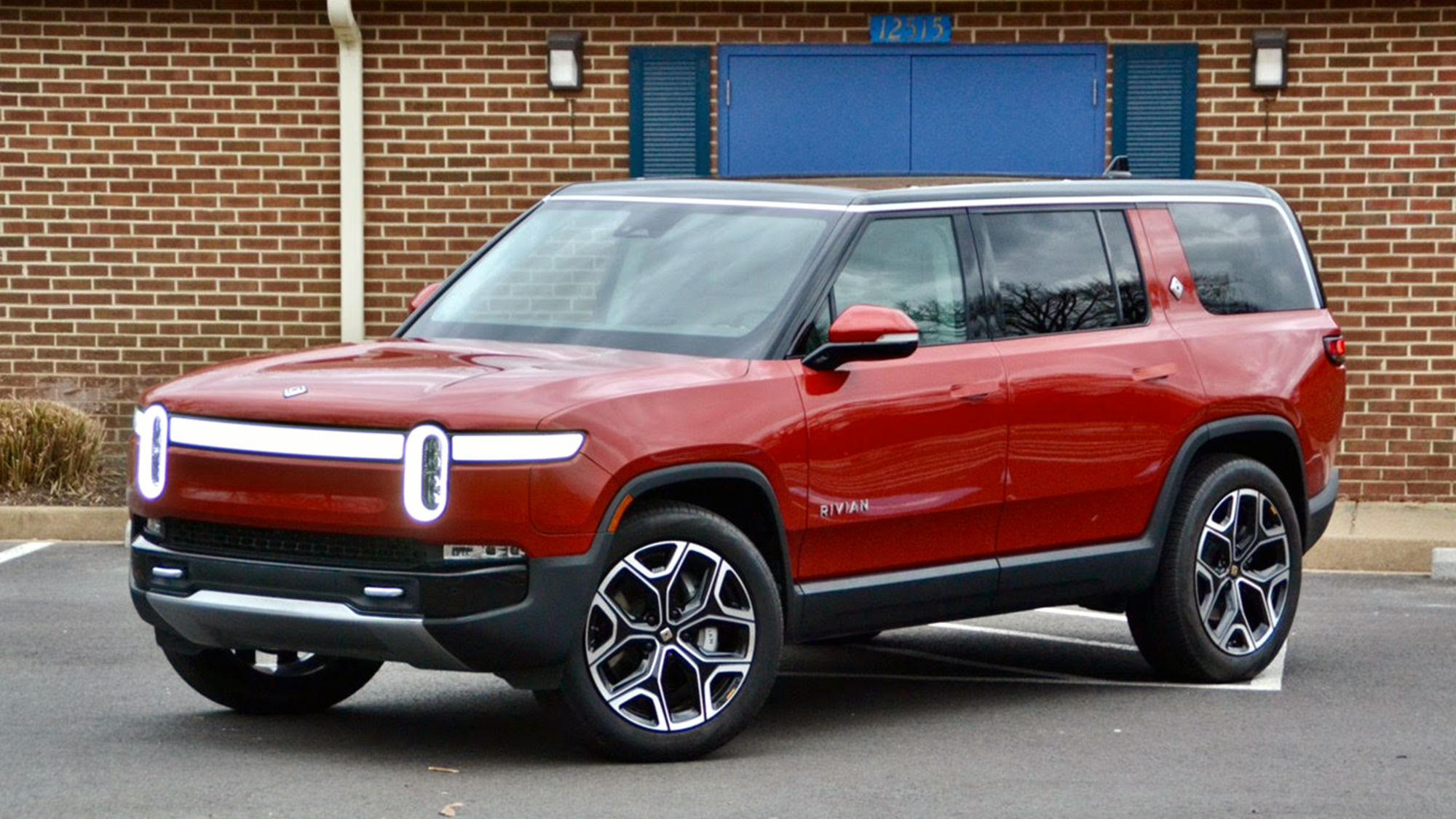
Global Competition and the Strategic Direction Debate
International competition plays a central role in the discussion surrounding electric vehicle industrial policy. China’s approach, which combines government planning, financial support, and infrastructure expansion, has enabled it to build a strong position in global electric vehicle manufacturing. This includes not only finished vehicles but also dominance in battery production and major material processing.
The scale of this development has created pressure on other major economies to respond with their own strategies. Without coordinated action, there is concern that manufacturing leadership in electric vehicles and related technologies may move away from traditional industrial powers.
Supply chain security is another important factor shaping this debate. Electric vehicles depend on a range of critical minerals, including lithium, nickel, cobalt, and graphite. These materials are often concentrated in specific geographic regions, which introduces potential risks related to supply disruption, pricing volatility, and geopolitical uncertainty.
To address these challenges, some analysts suggest that the United States could benefit from a strategy that supports domestic mining, processing, and recycling of major materials. Strengthening local supply chains would reduce dependency on external sources and improve resilience in times of global disruption.
At the same time, there is recognition that the United States does not need to replicate another country’s model directly. Instead, it could build a framework that reflects its own economic strengths. These include a large consumer market, strong research institutions, advanced engineering capabilities, and a well-established automotive industry.
A coordinated industrial policy could focus on areas such as battery innovation, charging infrastructure expansion, workforce development, and domestic manufacturing support. These efforts would not only support electric vehicle adoption but also strengthen related industries such as energy storage and grid technology.
Beyond industrial considerations, there is also an employment dimension. Electric vehicle manufacturing has the potential to support large numbers of jobs across production, engineering, logistics, and infrastructure development. A structured policy approach could help ensure that these opportunities are distributed across different regions, supporting broader economic development goals.
The op-ed concludes that the United States stands at a critical point in the development of its electric vehicle sector. While progress has been made through incentives and private investment, the absence of a unified industrial strategy has limited the pace and coordination of growth.
As global competition intensifies and technological advancement accelerates, the discussion around a more structured national approach continues to gain attention from policymakers, industry leaders, and economic analysts.
Also read: 5 Electric Vehicles That Cope With Houston Gridlock vs 5 That Overheat Early
