
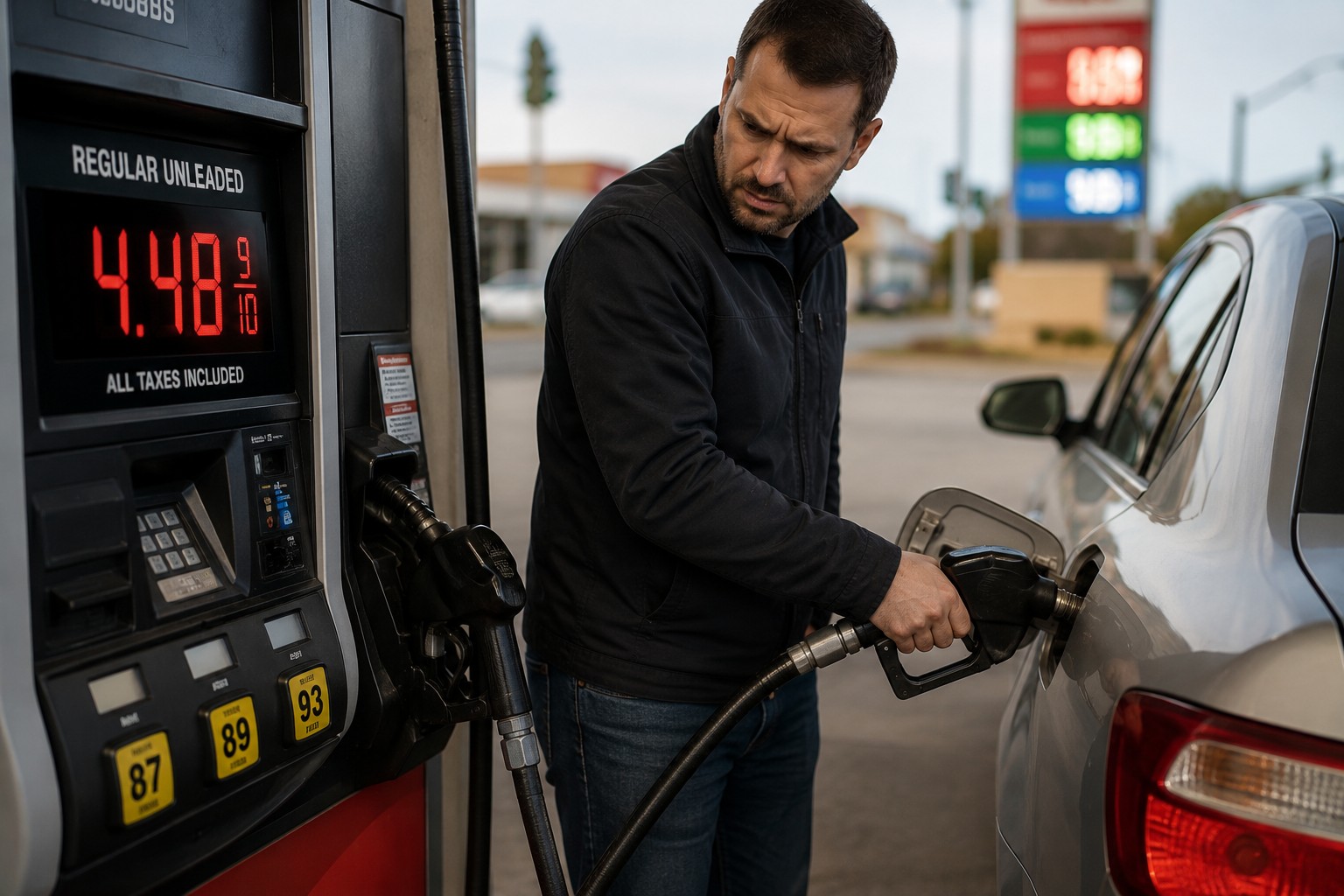
American drivers are once again facing a harsh reality every time they pull up to a gas station. The national average price for a gallon of regular gasoline has surged by 31 cents in just one week, climbing to $4.48, a level not seen since the darkest days of the 2022 energy crisis.
The sudden jump is squeezing household budgets from coast to coast, erasing the modest relief that consumers had briefly enjoyed in mid-April when ceasefire talks had nudged prices slightly downward.
For working families already stretched thin by years of rising inflation, the return of four-dollar-plus gasoline feels less like a market fluctuation and more like a crisis with no visible exit. Economists, energy analysts, and everyday drivers are all asking the same question: how much higher can prices go, and when will this end?
The War Fueling the Crisis
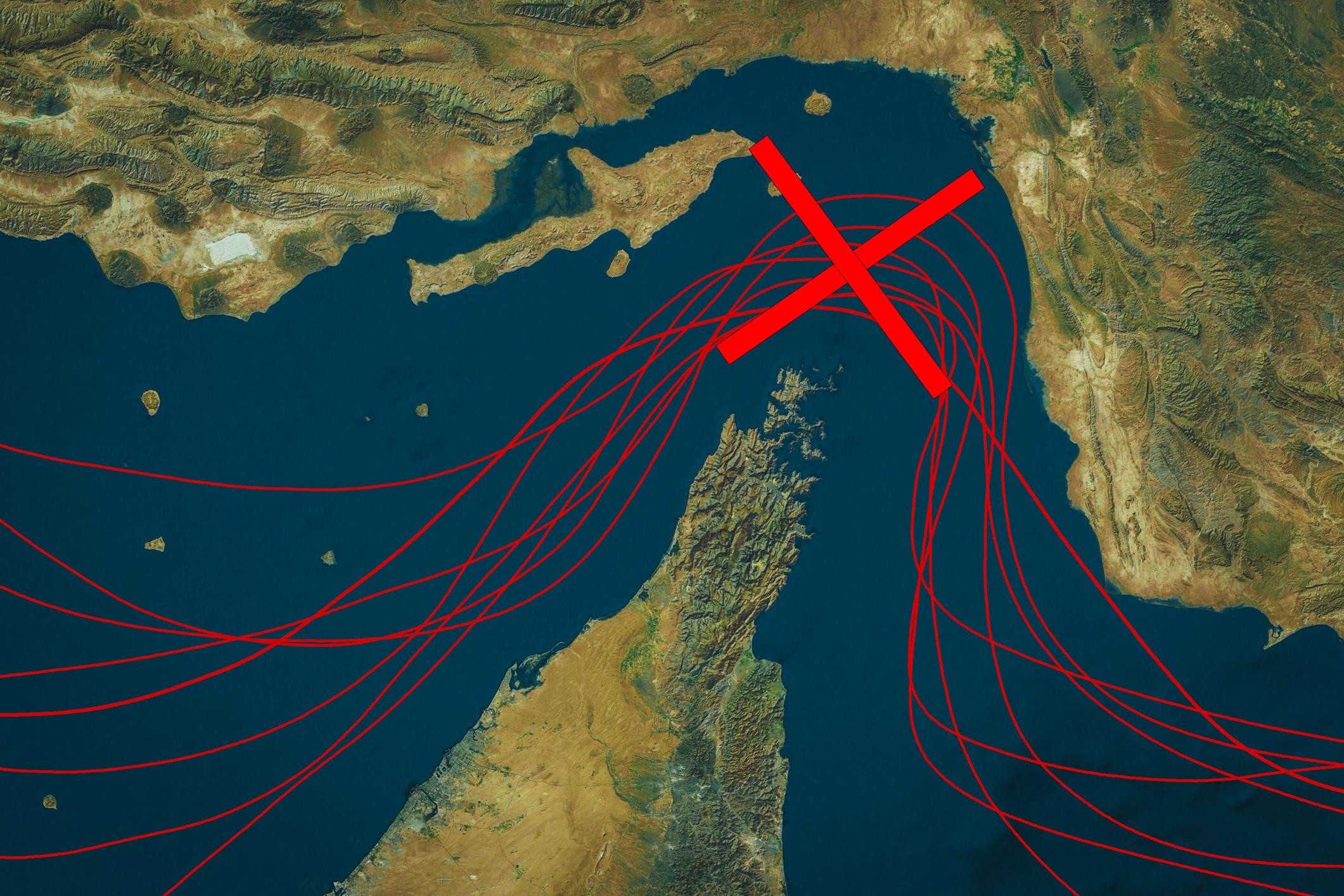
The dramatic spike at the pump is not the result of seasonal demand or domestic refinery issues; it is the direct consequence of an ongoing war with Iran that has thrown global oil markets into turmoil. At the center of the storm is the Strait of Hormuz, a narrow but critically important waterway in the Persian Gulf through which approximately one-fifth of the world’s crude oil normally passes.
Since the conflict escalated, the strait has been severely disrupted. Oil tankers have been stranded, rerouted, or are simply refusing to risk the passage altogether. When that volume of oil stops flowing, the effects ripple through every fuel market on the planet almost immediately.
Crude oil, which accounts for roughly half of what consumers pay at the pump, has been on a relentless upward climb since the war’s early weeks. Analysts describe the situation as a “fundamental shortfall” in global supply, one that no political statement or temporary ceasefire agreement can quickly reverse.
West Texas Intermediate crude has been trading above $100 per barrel, a threshold that historically signals painful times ahead at the gas station. Every day the strait remains constrained adds more pressure to an already fragile system.
Also Read: How to Find the Battery Drain Bug on a 2025 Ram
A Moment of Hope That Quickly Vanished
There was a brief window in mid-April when it seemed the worst might be behind American drivers. Early signs of ceasefire negotiations between the warring parties brought crude prices down for nearly two consecutive weeks.
The national gas average responded, dipping modestly and giving millions of motorists a small but welcome break. Some energy analysts cautiously suggested that the market had peaked and that a gradual easing was possible.
That optimism proved short-lived. Diplomatic talks broke down, tensions surged once again, and crude oil climbed back above $100 per barrel with renewed force.
The 31-cent weekly spike wiped out nearly everything gained during the relief period, leaving consumers more frustrated than before. The whiplash effect, prices falling just enough to raise hopes, then rising sharply again, has made financial planning difficult for families and small businesses alike.
Compared to Past Crises
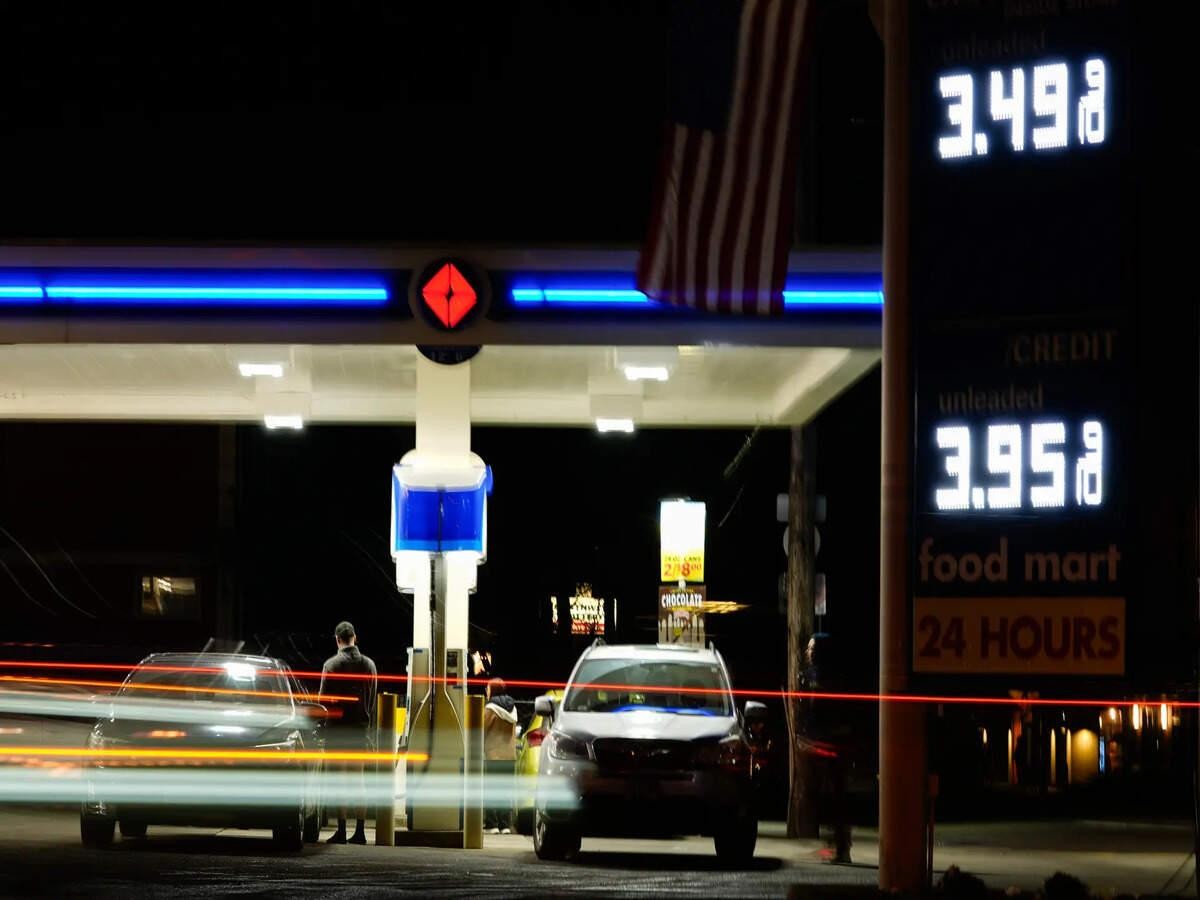
Energy experts are drawing direct comparisons to March 2022, when Russia’s invasion of Ukraine triggered a 60-cent weekly jump, the largest single-week increase in modern history.
The current Iran war crisis now ranks alongside that moment in terms of severity and sustained impact. Gasoline prices today already exceed where they stood during the same period in 2022, and back then, prices continued climbing well past Memorial Day before eventually retreating.
What Drivers Should Do
With no swift resolution in sight, experts urge drivers to shop around between stations, consolidate errands, maintain tire pressure, and reduce highway speeds, small habits that can add up to meaningful savings during a prolonged crisis. Relief, when it comes, will likely be slow and uneven.
Also Read: How to Tell If a Used Car Was Repainted After a Crash
