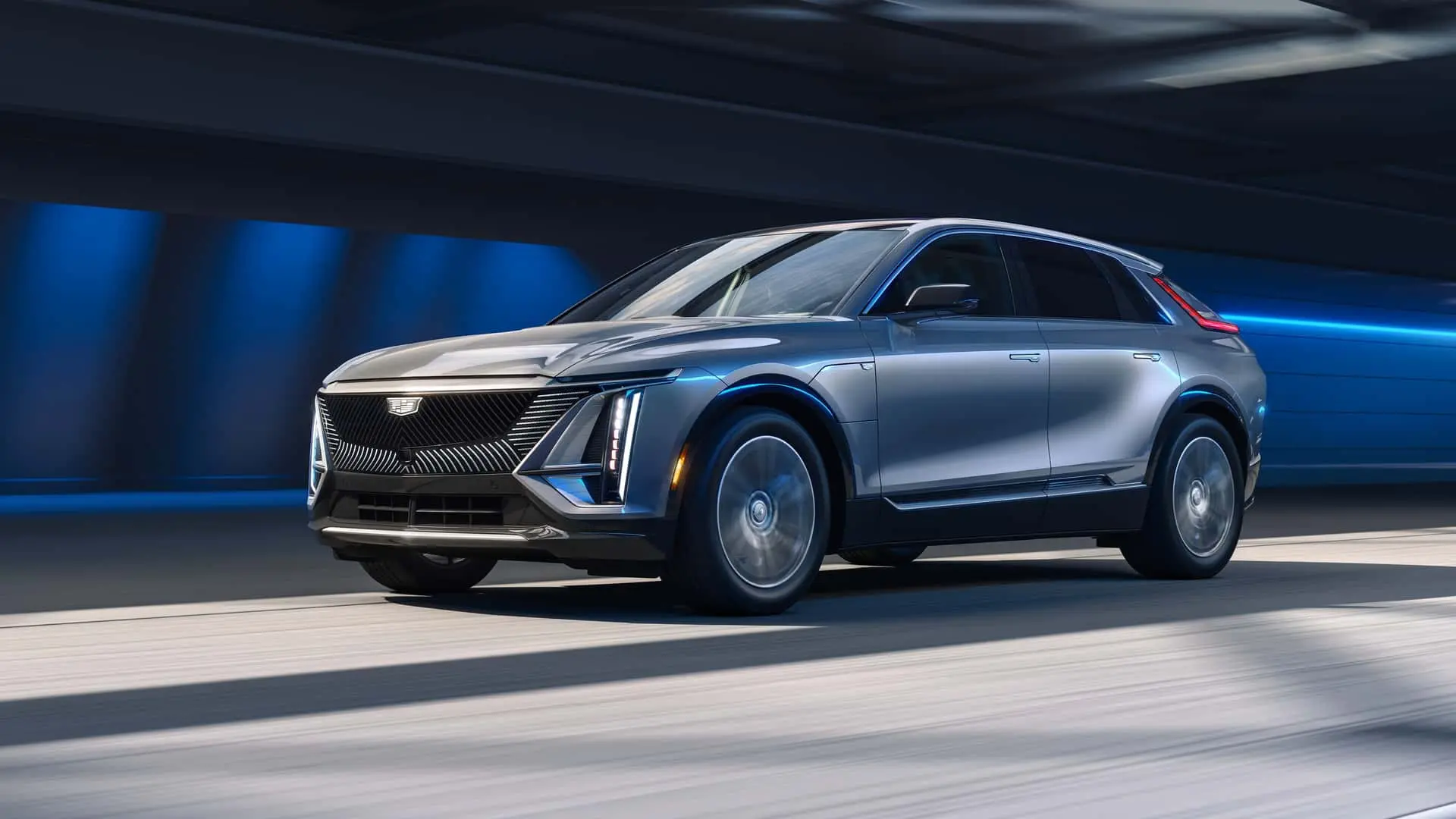
Cadillac entered the electric vehicle era hoping to reinvent itself as a modern luxury technology brand capable of competing with Tesla, Mercedes-Benz, BMW, and Audi.
The company invested heavily in futuristic styling, massive digital displays, advanced battery platforms, and an entirely new generation of premium electric SUVs designed to reposition the historic American nameplate for the future. The strategy initially generated excitement.
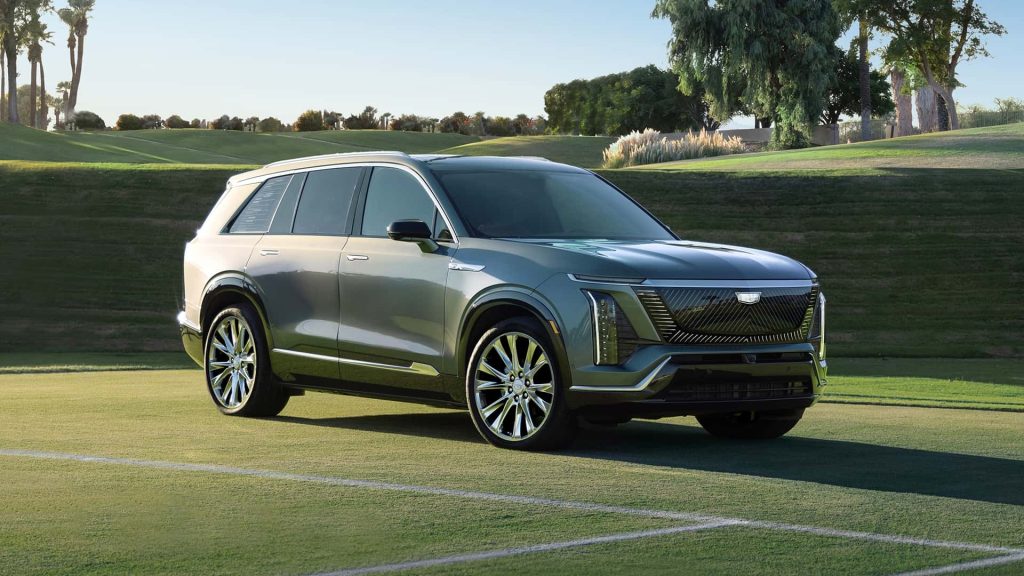
Vehicles like the Cadillac Lyriq and the newer Cadillac Vistiq represented a major shift away from Cadillac’s traditional gasoline-powered image. Sharp styling, modern interiors, and ambitious technology goals signaled that General Motors intended Cadillac to become one of its leading electric luxury brands.
But while Cadillac focused on catching established Western competitors, another threat rapidly emerged from overseas.
Chinese electric vehicle manufacturers are advancing far faster than many American and European automakers expected, and one company in particular is becoming impossible to ignore. Zeekr, the premium EV brand backed by Chinese automotive giant Geely, is now putting serious pressure on legacy luxury brands across global markets.
For Cadillac, that challenge is becoming increasingly uncomfortable. The Lyriq and Vistiq were supposed to represent the future of American luxury EVs.
Instead, they now find themselves competing against Chinese rivals capable of offering aggressive pricing, advanced software integration, impressive range figures, and fast-moving product development cycles that traditional automakers often struggle to match.
The shift highlights how quickly the luxury EV market is changing. Just a few years ago, many Western manufacturers viewed Chinese brands mainly as low-cost competitors.
Today, companies like Zeekr are producing sophisticated premium vehicles specifically designed to challenge established global luxury names. That transformation is reshaping the entire electric vehicle industry.
Cadillac Is Betting Its Reputation on Electrification
Cadillac’s transition toward electric vehicles represents one of the most important reinventions in the brand’s modern history.
For decades, Cadillac struggled to maintain relevance against German luxury rivals that increasingly dominated global premium markets.
BMW, Mercedes-Benz, and Audi established reputations for combining performance, technology, and prestige more effectively than many American luxury brands. General Motors viewed electrification as an opportunity to reset competitive expectations within the luxury market.
The company invested billions into battery development and GM’s Ultium EV platform while positioning Cadillac at the center of its premium electric future. The Lyriq became the first major symbol of that strategy, showcasing sleek styling, a massive digital dashboard, luxury-focused cabin design, and a more technology-driven identity.
Early reactions were largely positive. Reviewers praised the Lyriq’s quiet ride quality, refined interior, and dramatic exterior design. Cadillac finally appeared to have a modern luxury EV capable of attracting buyers who previously would not have considered the brand.
The Vistiq expanded that effort further. Designed as a larger three-row luxury electric SUV, the Vistiq aimed directly at families and premium buyers seeking spacious, high-end electric transportation. Cadillac hoped the model would strengthen its EV lineup while broadening the brand’s customer base.
Yet building strong products is no longer enough. The luxury EV market has become brutally competitive in an unusually short period of time.
Tesla continues dominating public attention, European brands aggressively expand their electric offerings, and Chinese manufacturers are now entering markets with increasingly sophisticated vehicles.
Cadillac, therefore, faces pressure from multiple directions simultaneously. The challenge is especially difficult because luxury EV buyers tend to prioritize technology, software quality, charging convenience, and digital experiences just as much as traditional luxury features. Chinese companies like Zeekr have become exceptionally strong in those areas.
Zeekr Is Moving Faster Than Many Legacy Brands Expected
Zeekr’s rise illustrates just how dramatically the Chinese automotive industry has evolved. Backed by Geely, the same parent company controlling Volvo, Polestar, and several other global automotive investments, Zeekr was created specifically to compete in the premium electric segment.
Unlike traditional automakers transitioning slowly away from gasoline vehicles, Zeekr launched directly into the EV era with modern software-focused architecture and rapid product development strategies. That approach has produced results quickly.
Zeekr vehicles combine premium interiors, advanced driver assistance systems, fast charging capabilities, and strong performance figures with pricing that often undercuts traditional luxury competitors.
The company also benefits from China’s enormous EV infrastructure expansion and highly competitive domestic battery supply chains.
Industry analysts increasingly view Chinese EV companies as some of the world’s most dangerous automotive competitors.
Unlike many legacy manufacturers burdened by decades of combustion engine investments and slower corporate structures, newer Chinese EV brands often operate with greater flexibility and faster engineering timelines. Zeekr exemplifies that advantage.
The company releases new technology rapidly, updates software aggressively, and adapts product strategies with a speed that traditional Western manufacturers frequently struggle to match.
Chinese brands also understand digital ecosystems extremely well because many younger consumers prioritize connectivity and software integration heavily when choosing vehicles.
That creates a major challenge for Cadillac. Luxury buyers entering the EV market increasingly expect seamless technology experiences comparable to smartphones and consumer electronics.
Hardware quality still matters, but software sophistication now influences purchasing decisions far more than it did during the gasoline era.
Chinese EV manufacturers recognized this shift early. As a result, brands like Zeekr now compete not only on price but also on user experience and technological refinement.
That combination has forced legacy luxury automakers into a defensive position faster than many executives anticipated.
The Luxury EV Market Is Becoming a Global Battlefield
The battle between Cadillac and Zeekr reflects a much larger transformation unfolding across the global automotive industry.
Electric vehicles have disrupted traditional competitive hierarchies in ways few expected. During the internal combustion era, established luxury brands relied heavily on decades of engineering heritage, engine development expertise, and manufacturing prestige.
Electrification changed many of those rules. Electric drivetrains are mechanically simpler than traditional gasoline powertrains, lowering barriers for newer companies entering the market. Battery technology, software integration, user interfaces, and charging ecosystems now play much larger roles in determining competitive success.
That environment favors companies able to move quickly. Chinese EV manufacturers benefited enormously from aggressive government support, rapid battery industry growth, and domestic competition that forced companies to innovate at extraordinary speed.
Several Chinese brands now launch products and software updates at a pace Western automakers struggle to replicate. Luxury buyers are noticing.
Consumers who once automatically preferred German or American premium brands are becoming more open to trying newer EV companies if the technology and ownership experience feel superior. Cadillac, therefore, faces a difficult balancing act.
The brand must preserve its luxury identity and heritage while competing against companies built entirely around modern electric technology ecosystems.
At the same time, General Motors still faces enormous pressure to make EV investments profitable while navigating uncertain global demand trends. The stakes are extremely high.
Luxury EV buyers often influence broader market perceptions because premium vehicles shape brand image globally. If Chinese manufacturers establish reputations for delivering better technology and stronger value in the luxury segment, traditional automakers could face long-term brand erosion.
That possibility explains why the competition between Cadillac and Zeekr matters far beyond a few SUV sales figures. It represents a larger fight over the future identity of luxury automobiles themselves.
Cadillac’s EV Ambitions Now Face Their Toughest Test
Cadillac still possesses major advantages in the luxury market. The brand carries more than a century of heritage, strong recognition in North America, and access to General Motors’ enormous engineering and manufacturing resources.
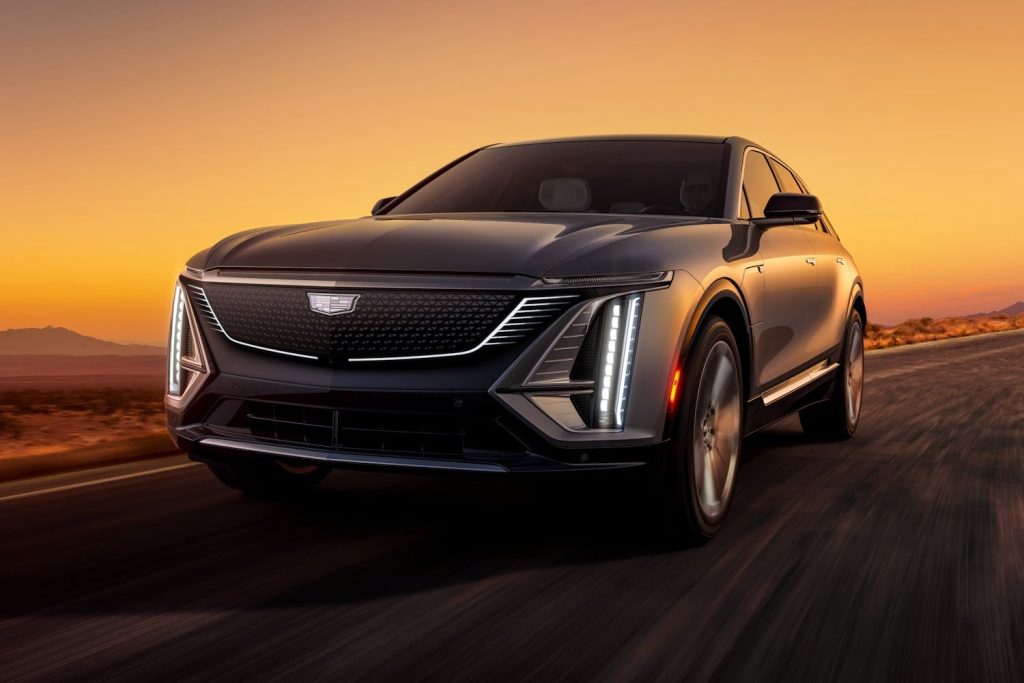
Vehicles like the Lyriq and Vistiq demonstrate that Cadillac is fully capable of building modern, visually striking electric luxury SUVs. But the market is evolving faster than many legacy companies expected.
Chinese EV brands no longer compete merely as cheaper alternatives. Companies like Zeekr increasingly position themselves as premium technology leaders capable of matching or surpassing established Western luxury brands in several critical areas.
That shift creates enormous pressure on Cadillac’s electric strategy. The company hoped EVs would help restore Cadillac’s position as a major global luxury player. Instead, electrification has opened the door for entirely new competitors eager to challenge traditional automotive hierarchies.
The competition will likely intensify further over the next several years. Chinese automakers continue expanding globally while improving quality, software capabilities, battery technology, and brand perception rapidly.
At the same time, Western manufacturers still face high EV development costs, complex supply chain challenges, and slowing demand growth in some markets.
Cadillac’s success may ultimately depend on whether it can move quickly enough. Luxury buyers today expect more than beautiful styling and comfortable interiors. They want advanced software, seamless connectivity, fast charging, modern digital experiences, and constant technological improvement.
Companies that fail to deliver those experiences risk falling behind regardless of heritage or historical reputation. The Lyriq and Vistiq remain important vehicles for Cadillac’s future.
Yet their growing battle against Zeekr demonstrates how dramatically the luxury automotive world has changed in just a few years. The electric era was supposed to give legacy brands a fresh start.
Instead, it may become the moment when entirely new global rivals rise to challenge them permanently.