
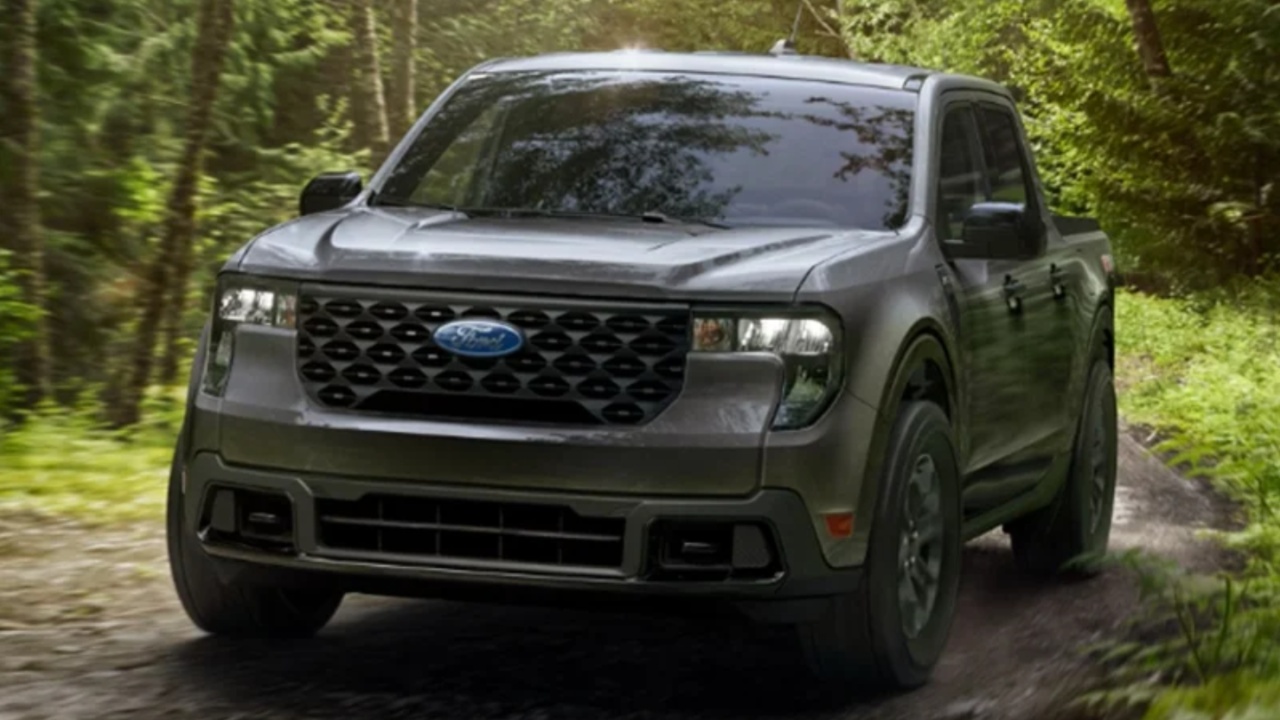
Ram’s long-rumored compact pickup truck, intended to challenge the hugely successful Ford Maverick, has reportedly been delayed again, with new reports during the week of May 25, 2026, indicating the vehicle will not arrive until 2028.
The postponement adds another twist to one of the most closely watched product plans inside Stellantis as Ram attempts to rebuild momentum and dramatically increase sales in the American truck market.
For years, industry observers have expected Ram to enter the growing compact pickup segment after Ford proved there was enormous demand for smaller, more affordable trucks.
Instead of chasing only high-profit, full-size models, Ford’s Maverick tapped into a market filled with younger buyers, urban customers, and drivers who wanted truck practicality without the cost and size of a traditional pickup. The response exceeded expectations.
Ford struggled to keep up with Maverick demand almost immediately after launch. The truck attracted first-time pickup buyers, commuters, and customers transitioning from compact SUVs. In many ways, it reshaped how automakers viewed the American truck market.
Ram watched that success from the sidelines. Now, despite confirmation that Ram still intends to launch its own compact pickup, the delayed timeline means Ford may continue dominating the segment for several more years without serious direct competition from one of Detroit’s major truck brands.
Ram’s Big Sales Ambitions Face Product Delays
The delay comes during a critical period for Ram. Brand leadership has openly discussed aggressive growth targets, including ambitions to increase sales by roughly 60 percent in the coming years. Reaching that figure will require far more than updates to existing heavy-duty and full-size trucks.
Compact pickups represent one of the clearest opportunities for expansion. The modern American vehicle market has changed rapidly. Many consumers no longer want oversized trucks with massive monthly payments and difficult parking dimensions.
Rising fuel prices, insurance costs, and urban congestion have pushed buyers toward smaller vehicles that still offer versatility. That shift helped transform the Ford Maverick into one of the most talked-about new trucks of the decade.
Ram’s absence from the segment has become increasingly noticeable, especially as Hyundai also entered the category with the Santa Cruz. Both competitors recognized that many truck buyers were prioritizing practicality and affordability over maximum towing capability.
Ram executives reportedly understand the opportunity, but internal challenges within Stellantis appear to have complicated development timelines.
The company is currently balancing massive investments across electrification, software systems, global restructuring, and platform sharing between multiple brands. Product scheduling has become increasingly difficult as automakers attempt to manage costs while adapting to uncertain market conditions.
In that environment, smaller projects can easily face delays when larger strategic priorities take precedence.
The Compact Truck Market Is Growing Faster Than Expected
When Ford first announced the Maverick, some analysts questioned whether Americans would embrace a compact unibody pickup in large numbers. Traditional truck culture in the United States had long been associated with larger body-on-frame models like the Ford F-150, Ram 1500, and Chevrolet Silverado.
The Maverick changed those assumptions quickly. Its lower starting price, manageable size, hybrid efficiency, and practical cargo bed appealed to buyers who previously never considered owning a truck.
Some customers used it as a commuter vehicle during the week and a lifestyle vehicle on weekends. Others appreciated the easier parking and improved fuel economy compared to full-size pickups.
The success revealed a major gap in the market. For Ram, entering the segment should have been an obvious strategic move.
Reports over the past few years suggested the company was developing a compact pickup positioned below the midsize Ram Dakota project that was itself eventually canceled. Insiders indicated the smaller truck would likely use a unibody platform shared with other Stellantis vehicles. However, shifting corporate priorities repeatedly slowed progress.
The latest reports now suggest production may not begin until 2028, which effectively gives Ford several more years to strengthen Maverick loyalty and expand its customer base.
By the time Ram enters the market, Ford could already have a deeply established second-generation Maverick with stronger technology, refined hybrid systems, and potentially even fully electric variants.
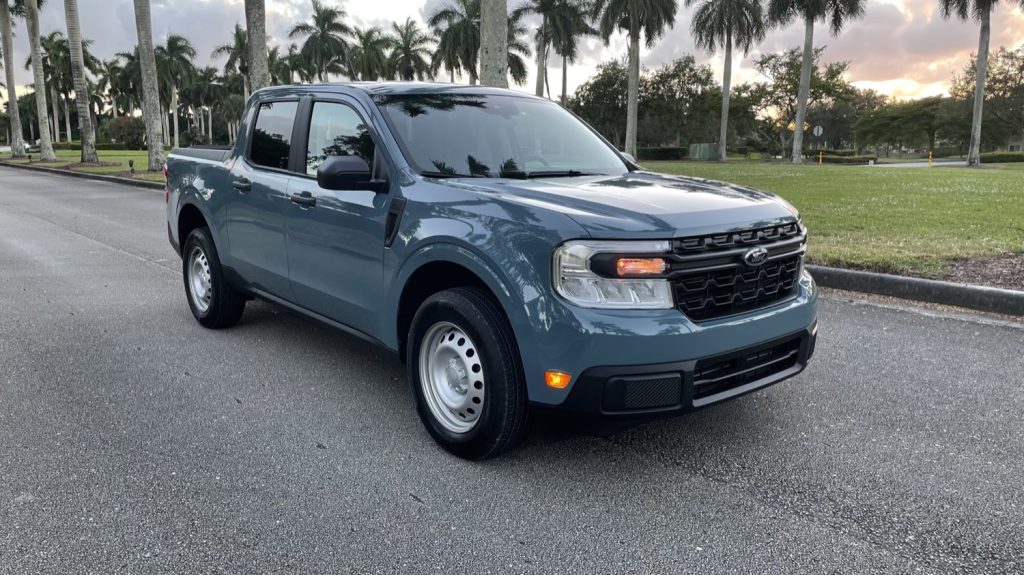
That delay increases the pressure on Ram to deliver something genuinely competitive once its truck finally arrives. Simply matching the Maverick may no longer be enough by 2028.
Ram Must Balance Affordability With Brand Identity
One challenge facing Ram involves preserving its truck identity while moving into a smaller and more affordable category. Ram has built much of its modern reputation around comfort, premium interiors, and powerful full-size trucks. Translating that image into a compact model will require careful positioning.
A cheap-looking budget truck could damage the brand’s premium ambitions. At the same time, pricing the vehicle too high would undermine the entire purpose of entering the segment.
Ford managed that balance effectively with the Maverick by offering practical base trims while still allowing higher-end versions with more technology and upscale features. Ram will likely need a similarly flexible strategy.
Powertrain decisions will also be critical. Hybrid technology has become one of the Maverick’s biggest advantages, particularly for buyers seeking strong fuel economy. Ram’s compact truck will almost certainly require electrified options to remain competitive by the time it launches.
Stellantis already possesses hybrid and plug-in technology across several global products, but adapting those systems for American truck expectations presents additional engineering challenges.
There is also growing speculation that Ram could eventually offer an electric compact pickup, especially as regulatory pressure surrounding emissions continues increasing in major markets. Yet the company must carefully monitor actual consumer demand, particularly after slower-than-expected EV growth in portions of the American market over the past year.
That uncertainty may partially explain the cautious timeline. Automakers are increasingly reluctant to rush major products into segments undergoing rapid transformation. Consumer preferences around hybrids, EVs, charging infrastructure, and affordability continue evolving faster than many manufacturers predicted only a few years ago.
For Ram, waiting until 2028 may provide more clarity about where the market is truly heading. Still, delays carry consequences.
Every additional year without a compact pickup gives Ford more time to strengthen its position and capture buyers who might otherwise have considered a Ram alternative.
Customer loyalty in the truck market tends to run deep, and once buyers become attached to a particular brand or ownership experience, convincing them to switch becomes far more difficult. The longer Ram waits, the harder the challenge may become.
Yet despite the setback, the company appears committed to eventually entering the segment. Executives understand that compact trucks are no longer a niche experiment. They have become one of the few genuinely expanding areas of the American automotive market.
Now the question is whether Ram can arrive late and still make a meaningful impact once the truck finally appears near the end of the decade.
Also Read: 8 Car Mods That Actually Raise Resale Value
