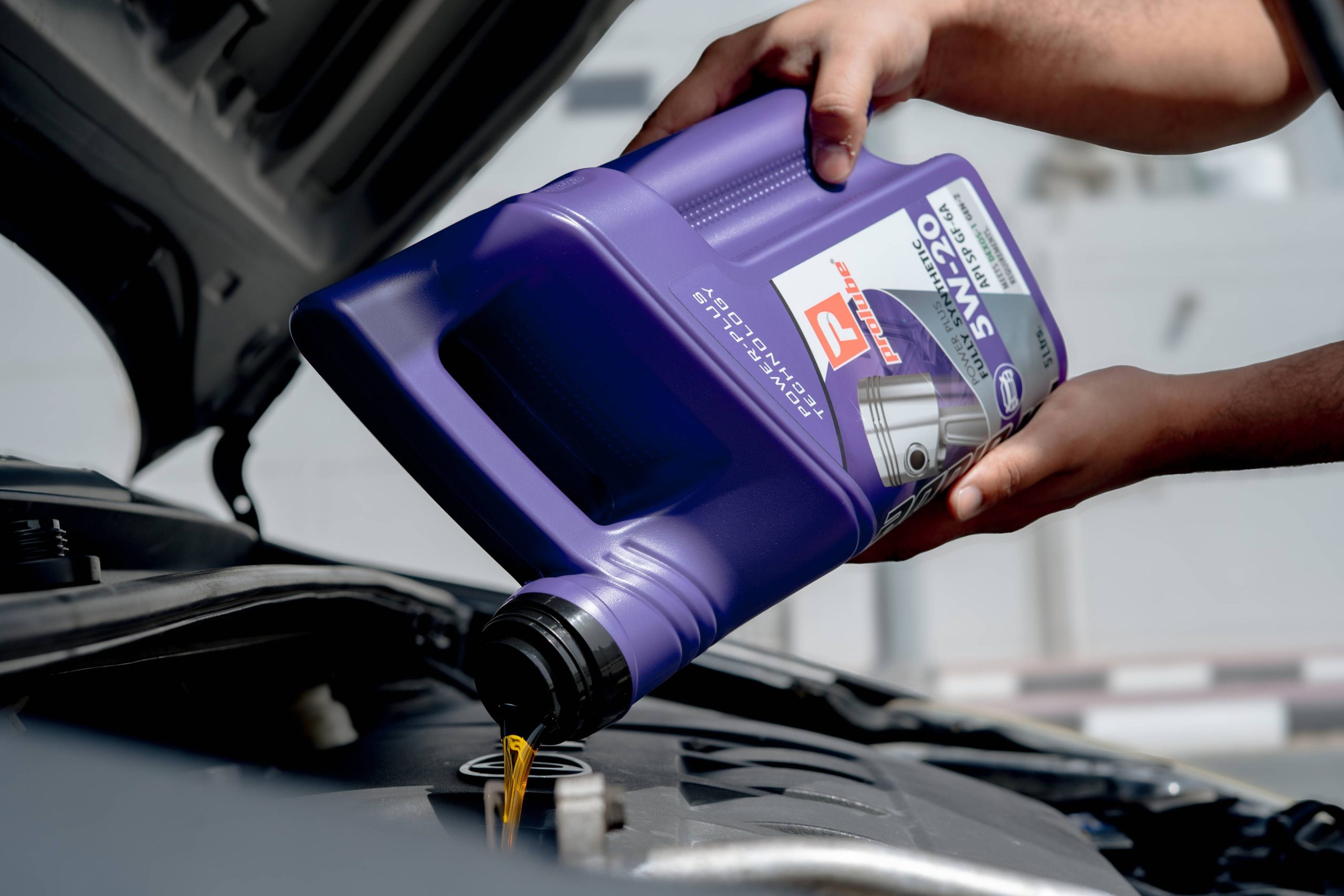
A growing synthetic motor oil shortage is beginning to disrupt dealership operations across the United States as supply chain pressure tied to the conflict involving Iran tightens access to critical base oil imports used in modern lubricants.
During the week of May 25, 2026, concerns intensified after reports emerged that automakers, including Nissan and Toyota, had started rationing supplies to dealerships while distributors and service centers rushed to secure additional inventory before conditions worsen.
The shortage centers around Group III base oils, a highly refined lubricant component essential for producing many synthetic motor oils used in modern vehicles. The United States relies heavily on imports for these materials, particularly from producers in the Middle East and the Asia Pacific regions.
Disruptions tied to regional instability, refinery damage, and shipping constraints through the Strait of Hormuz have now created mounting pressure throughout the automotive service industry.
For drivers, the effects may not yet feel dramatic. Most stores still carry motor oil, and routine oil changes continue at dealerships and repair shops. Behind the scenes, however, manufacturers and lubricant suppliers are increasingly operating in crisis management mode. What began as pricing pressure is now turning into a genuine supply concern.
Also Read: 8 Cars That Are Nearly Impossible to Steal
Dealerships Begin Managing Limited Supplies
Several automakers reportedly issued internal communications to dealerships warning about tightening lubricant availability. Toyota dealers received guidance indicating that supplies of specific low-viscosity synthetic oils, particularly 0W-8 and 0W-16 formulations, could become difficult to maintain consistently.
Nissan dealers were reportedly informed that allocations of genuine branded oil products would be temporarily capped relative to previous purchase volumes. The reason these specific oils matter so much comes down to modern engine design.
Newer gasoline engines are increasingly engineered around ultra-low viscosity synthetic lubricants intended to improve fuel economy and reduce internal friction. Many hybrid systems and turbocharged engines depend heavily on precise lubrication characteristics that older conventional oils cannot easily replicate.
As supplies tighten, some dealerships have already started implementing temporary substitution strategies approved internally by manufacturers.
Certain vehicles originally requiring thinner synthetic formulations may receive slightly different oil grades during routine maintenance intervals in order to preserve inventory for higher-priority applications. Industry analysts warn that these measures represent early defensive actions rather than isolated incidents.
Dealership service departments operate on carefully managed maintenance schedules and inventory systems. When lubricant supplies become unpredictable, the disruption spreads quickly through daily operations.
Service managers must balance customer demand, manufacturer specifications, warranty compliance, and inventory preservation simultaneously.
Some distributors have reportedly begun stockpiling inventory where possible, fearing that future shipments could become even less reliable. Others are limiting order quantities to prevent panic buying throughout the supply chain. That behaviour itself risks accelerating shortages further.
Middle East Disruptions Are Hitting a Vulnerable Supply Chain
The lubricant industry’s dependence on imported Group III base oils has become a major weakness under current geopolitical conditions.
Nearly half of the Group III supply used in synthetic motor oil production reportedly comes from major Persian Gulf producers. Recent attacks affecting regional energy infrastructure, combined with shipping disruptions around the Strait of Hormuz, have sharply reduced available export volumes.
Industry groups warn that some critical facilities supplying the global market have already experienced serious operational damage.
The Independent Lubricant Manufacturers Association has publicly acknowledged the seriousness of the situation, warning that the United States could exhaust existing Gulf-origin Group III inventories within months if conditions fail to improve.
The organization has urged federal agencies and industry regulators to provide temporary flexibility, allowing manufacturers to adapt lubricant formulations while maintaining certification standards. The speed of recent price increases has shocked even longtime industry veterans.
Lubricant market analysts report multiple wholesale price hikes occurring within only a few months, with some bulk oil costs increasing by several dollars per gallon. Under normal market conditions, annual price adjustments tend to be far smaller and more gradual.
This creates difficult financial pressure throughout the automotive service sector. Dealerships rely heavily on maintenance operations for consistent profitability, particularly during periods when new vehicle sales fluctuate because of interest rates or economic uncertainty.
Oil changes remain among the most common customer service visits. If lubricant costs continue rising sharply, dealerships may eventually face decisions about absorbing higher expenses or passing them directly to consumers.
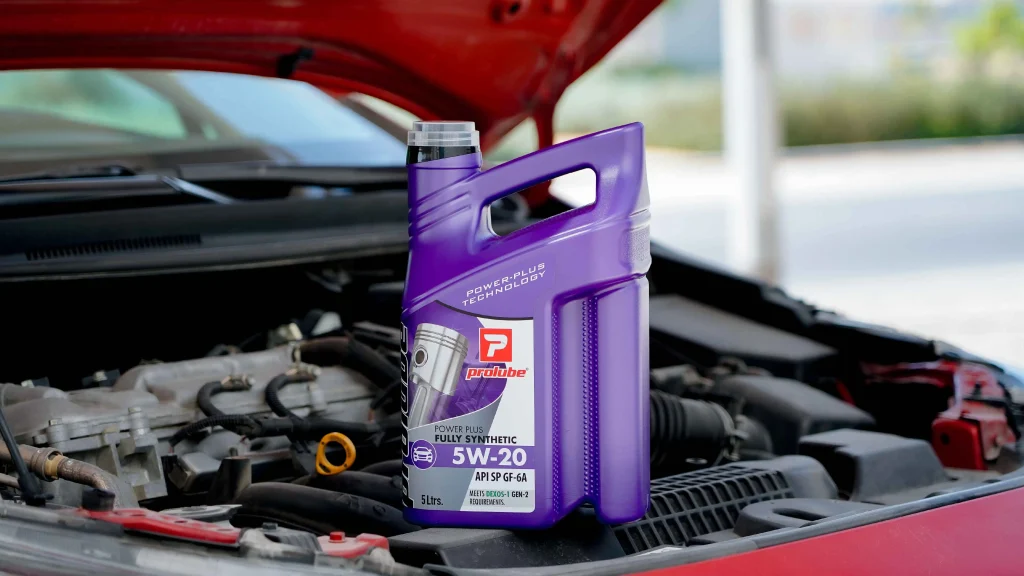
Independent repair shops could face even greater challenges because they possess less purchasing power and smaller inventory reserves than major dealership groups.
Consumers May Soon Notice Higher Prices and Reduced Availability
For now, the shortage has not reached the point where drivers are routinely unable to obtain oil changes. Industry experts stress that the widespread disappearance of synthetic oil from shelves has not occurred yet. Instead, consumers are more likely to encounter gradual warning signs first.
Those signs may include reduced product selection, delayed restocking of specific viscosities, fewer promotional service discounts, and steadily rising maintenance costs.
Drivers with vehicles requiring highly specialized low-viscosity oils could experience the greatest difficulty if shortages deepen. Luxury vehicles, hybrids, turbocharged engines, and newer fuel-efficient models often depend on precisely formulated synthetic lubricants that cannot easily be substituted without manufacturer approval.
The timing is particularly problematic because modern vehicles have become increasingly dependent on strict maintenance standards.
Automakers today frequently design engines with tighter tolerances, smaller displacement turbochargers, and more complex emissions systems.
Using improper oil formulations can potentially affect fuel economy, durability, emissions compliance, or warranty coverage. That leaves dealerships and repair facilities with limited flexibility when supplies become constrained.
The broader automotive industry is watching the situation carefully because lubricant shortages can create ripple effects extending beyond routine maintenance.
Vehicle production itself depends on steady supplies of industrial lubricants and specialized oils used during assembly and testing processes. If Group III shortages worsen substantially, manufacturers may eventually face additional operational pressure beyond dealership service lanes.
For many consumers, motor oil feels like a simple commodity that should always be available without concern. The current shortage demonstrates how dependent modern automotive systems have become on complex global supply chains stretching across politically unstable regions.
A product sitting quietly on a dealership shelf often depends on international shipping lanes, refinery infrastructure, chemical processing networks, and geopolitical stability thousands of miles away. Right now, that entire system is under growing strain.
Also Read: 8 Cars With the Highest Number of Owner Complaints Filed With NHTSA