
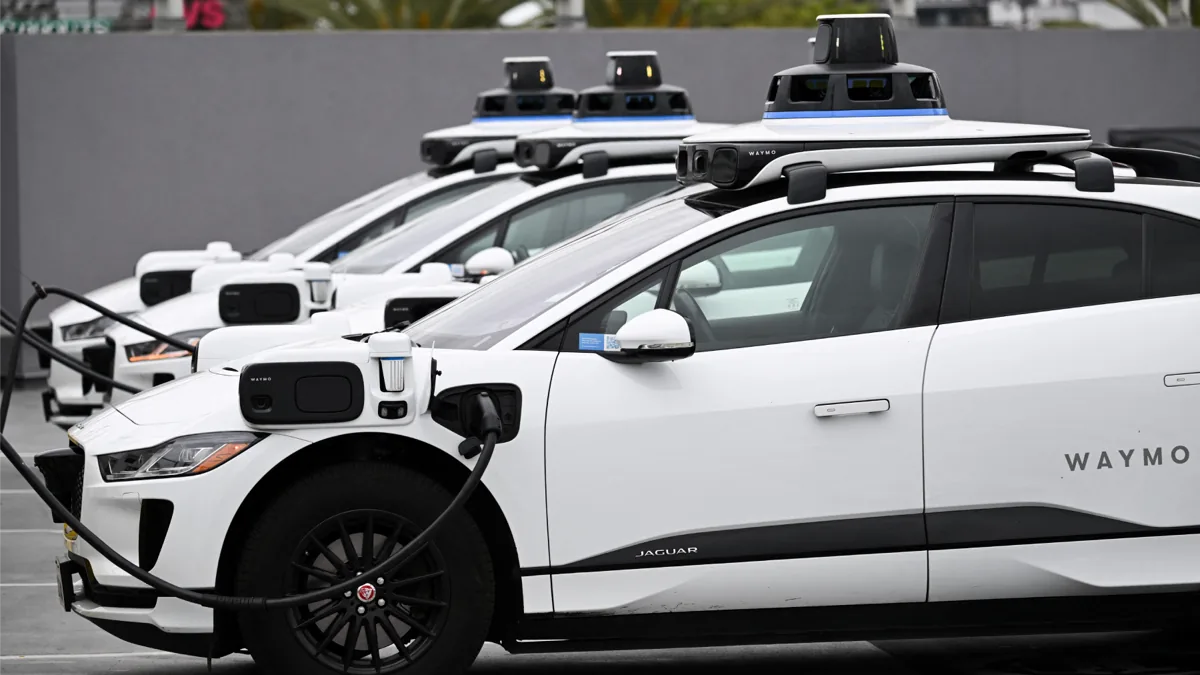
Waymo temporarily suspended its robotaxi operations in Atlanta during the week of May 25, 2026, after one of its autonomous vehicles reportedly drove into a flooded roadway amid severe weather.
The incident has reignited debate about how self-driving systems respond to unpredictable hazards, particularly in situations involving heavy rain, standing water, and rapidly changing road conditions.
According to early reports, the vehicle encountered floodwaters during active service before becoming stranded. No serious injuries were reported, but the event quickly drew national attention because it exposed one of the most difficult challenges facing autonomous driving technology: interpreting dangerous conditions that humans often recognize instinctively.
Waymo responded by pausing service across parts of Atlanta while engineers reviewed operational protocols and environmental response systems. The company stated that safety remained its top priority and that it would carefully analyze the incident before restoring normal operations.
The temporary suspension may appear minor on the surface, but it touches a much larger issue confronting the autonomous vehicle industry.
Modern self-driving systems perform impressively in controlled and predictable environments. They can follow lane markings, detect traffic, avoid collisions, and navigate complex city streets with increasing sophistication.
Yet extreme weather continues exposing weaknesses that even advanced artificial intelligence systems struggle to handle consistently. Flooded roads represent one of the clearest examples.
Also Read: 8 Cars That Are Nearly Impossible to Steal
Why Floodwater Creates a Serious Challenge for Autonomous Vehicles
Human drivers are taught from an early age to avoid driving through standing water. Even shallow flooding can hide potholes, debris, washed-out pavement, or dangerous currents strong enough to disable a vehicle. Drivers often rely on instinct, visual judgment, and contextual awareness to decide whether a road appears safe.
Autonomous systems operate differently. Robotaxis depend on cameras, radar, lidar sensors, high-definition mapping, and machine learning models to interpret surroundings. While these systems excel at detecting objects and following traffic patterns, floodwater introduces variables that are far harder to process accurately.
Standing water can distort sensor readings, reflect light unpredictably, and obscure lane markings entirely. In some cases, the road surface underneath may no longer even exist due to washouts or storm damage.
For a human driver, a flooded street often immediately signals danger. For an autonomous system, determining whether the water is shallow, deep, passable, or life-threatening becomes an extraordinarily complicated calculation. The Atlanta incident appears to highlight exactly that limitation.
Industry experts have repeatedly warned that weather remains one of the biggest barriers to fully autonomous transportation. Rain, snow, fog, dust, and flooding all interfere with sensor performance in different ways. Even the most advanced robotaxis currently operate best in carefully mapped areas with relatively stable conditions.
That reality explains why many autonomous vehicle companies still restrict operations during severe weather events.
Waymo Faces Renewed Scrutiny as Expansion Continues
Waymo has generally maintained one of the strongest safety reputations in the self-driving industry. The Alphabet-owned company spent years slowly expanding operations across cities, including Phoenix, San Francisco, Los Angeles, and now Atlanta.
Unlike some competitors that pursued rapid deployment strategies, Waymo emphasized gradual testing and extensive real-world validation. Its vehicles have collectively logged millions of autonomous miles.
Supporters argue that robotaxis could eventually reduce traffic deaths significantly by eliminating human error, distracted driving, and impaired operation. Waymo frequently points to data suggesting its systems already perform more cautiously than many human drivers in urban traffic environments.
Still, incidents like the Atlanta flooding event demonstrate how fragile public trust in autonomous technology can remain.
Critics of self-driving systems have long argued that edge cases remain dangerously difficult for artificial intelligence to handle. Edge cases refer to unusual situations that fall outside normal operating conditions, including emergency vehicles behaving unpredictably, construction zones, debris, severe weather, or sudden environmental changes.
Flooded roads fit directly into that category. What makes these incidents particularly sensitive is that many people expect autonomous systems to make safer decisions than humans. When a robotaxi drives into floodwater, the event immediately raises questions about whether the system recognized the danger at all and how it evaluated the situation.
Waymo has not publicly released detailed technical findings yet, but the company confirmed it initiated a temporary service pause while reviewing the event internally.
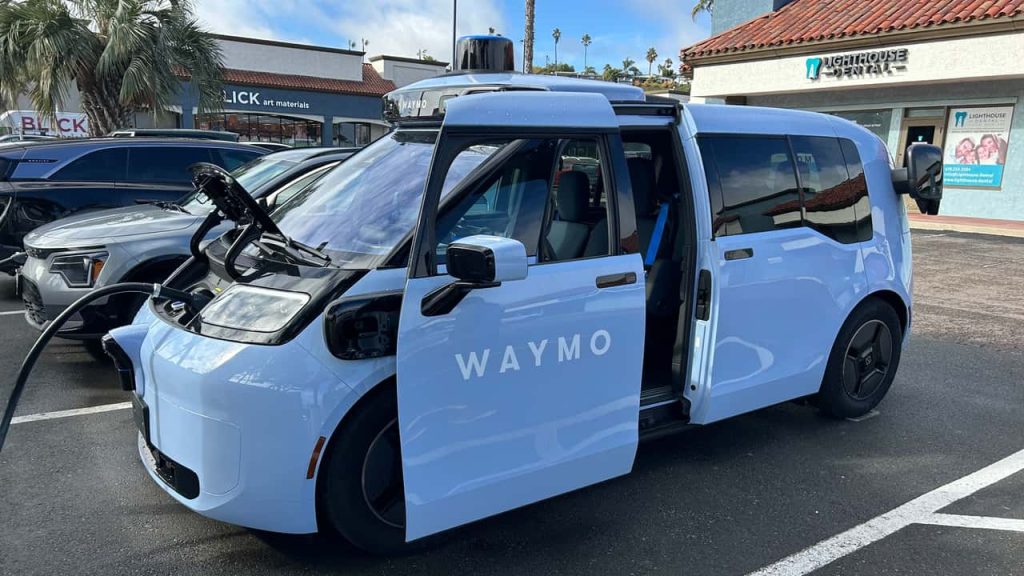
The company also reportedly increased monitoring procedures related to weather conditions before resuming limited operations.
The Incident Highlights a Bigger Industry Problem
The Atlanta suspension arrives at a time when autonomous vehicle companies are aggressively expanding services despite continuing regulatory and technical challenges.
Competition in the robotaxi sector has intensified rapidly as firms attempt to establish leadership before autonomous transportation becomes mainstream. Yet weather-related limitations remain one of the industry’s most stubborn problems.
Even advanced driver assistance systems in consumer vehicles frequently struggle during heavy rain or snow. Lane-centring functions can lose track of road markings, emergency braking systems may react unpredictably, and cameras can become obstructed by water or dirt.
Fully autonomous vehicles face those same challenges on a much larger scale because they must make all driving decisions independently.
The difficulty becomes even greater in cities vulnerable to flash flooding or rapidly changing storm conditions. Roads that appear safe one moment can become dangerous minutes later. Human drivers often rely on contextual clues like flowing water, stalled vehicles, or changing traffic behavior to recognize danger.
Teaching autonomous systems to interpret those subtle environmental signals consistently remains enormously difficult.
The Atlanta event also arrives during a growing public debate about how quickly autonomous vehicle technology should be deployed on public roads. Supporters believe continued real-world exposure is necessary for systems to improve.
Critics argue that companies are effectively using public streets as testing grounds for unfinished technology. Both arguments gained renewed attention after the Waymo incident.
Importantly, no catastrophic outcome occurred in this case. The vehicle became stranded rather than causing a major collision or injury event. Yet even relatively minor incidents involving autonomous systems receive intense scrutiny because the technology remains under constant public evaluation.
For Waymo, the response moving forward may matter as much as the incident itself. Transparent investigation procedures, software updates, and improved weather handling protocols could help reinforce confidence in the company’s approach.
At the same time, the event serves as another reminder that autonomous driving technology still faces major real-world obstacles despite years of rapid progress.
Robotaxis may eventually become a normal part of urban transportation. But incidents like this reveal how far the industry still has to go before self-driving systems can truly handle every unpredictable situation human drivers encounter daily.
Flooded roads are not rare edge cases in many cities anymore. Increasingly severe weather patterns are making them a regular reality.
That means autonomous vehicles will need to learn how to deal with them safely and consistently before the public fully accepts handing over the steering wheel.
Also Read: 8 Cars With the Highest Number of Owner Complaints Filed With NHTSA
