
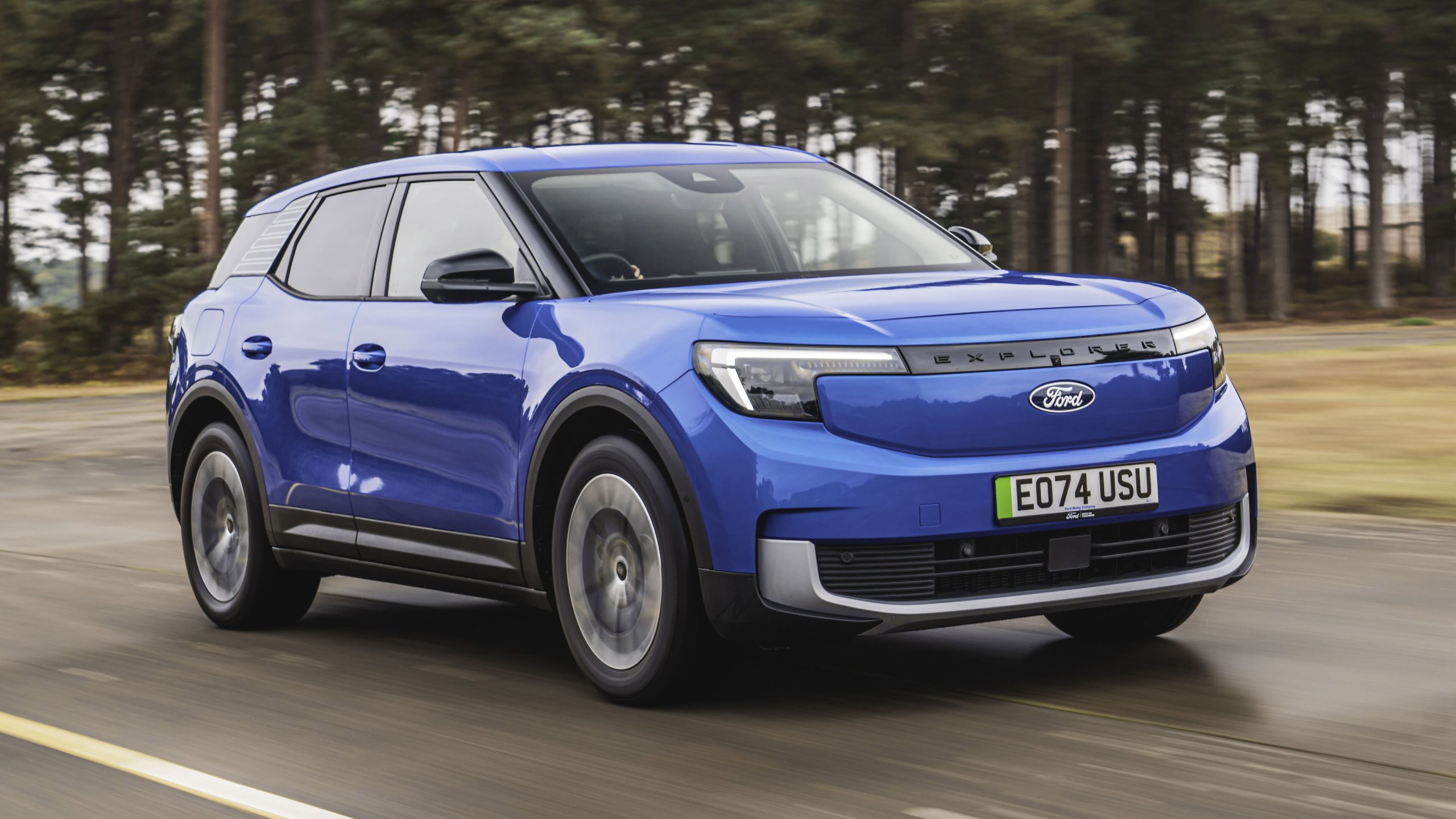
Ford is facing another significant round of recalls in the United States, with nearly 420,000 vehicles affected by a seat belt issue that could increase injury risks during a crash.
The automaker is also addressing a separate “do not drive” recall involving more than 4,000 vehicles, while owners of certain Mustang Mach-E models will receive a software update to resolve a lighting-related defect.
The latest actions highlight the growing challenges automakers face as vehicles become increasingly complex, combining traditional mechanical systems with advanced software-driven technologies.
While recalls remain a common part of the automotive industry, the scale of Ford’s latest announcements has drawn considerable attention due to the number of vehicles involved and the nature of the defects.
Consumer Reports detailed the recalls this week, noting that they affect multiple vehicle lines and require different repair approaches, ranging from physical inspections and component replacements to over-the-air software updates.
For affected owners, the recalls serve as a reminder of the importance of responding promptly to manufacturer notifications, particularly when safety-related systems are involved.
Also Read: Why One Million Americans Stopped Shopping for New Cars?
Nearly 420,000 Vehicles Recalled Over Seat Belt Concerns
The largest of the three actions involves approximately 419,000 Ford vehicles in the United States.
Consumer Reports explained that the recall centers on a seat belt issue that could compromise occupant protection during a collision. According to information submitted to federal regulators, the problem involves components within the seat belt system that may not function as intended under certain conditions.
Seat belts remain one of the most critical safety features in any vehicle. The National Highway Traffic Safety Administration has repeatedly emphasized that properly functioning seat belts significantly reduce the risk of serious injury and death in crashes.
Because of their importance, even relatively small defects within restraint systems often result in large-scale recalls.
Ford has indicated that dealers will inspect affected vehicles and perform repairs as necessary. Owners are expected to receive official notifications detailing the next steps and scheduling procedures.
The recall represents one of the larger Ford safety campaigns announced this year and adds to a growing list of industry-wide recalls involving safety restraint systems.
Separate “Do Not Drive” Recall Raises Urgency
While the seat belt recall affects a far greater number of vehicles, another Ford action may carry even greater urgency for individual owners.
Consumer Reports noted that Ford has issued a “do not drive” warning covering more than 4,000 vehicles. Such warnings are relatively uncommon and are typically reserved for defects that present an upgraded safety risk.
Automakers generally encourage owners to continue operating recalled vehicles until repairs can be completed. A “do not drive” designation signals that the manufacturer believes continued operation could expose occupants to unacceptable danger.
Although Ford’s affected population is comparatively small, the warning underscores the seriousness of the underlying issue.
Industry experts often describe “do not drive” recalls as among the strongest actions an automaker can take short of physically removing vehicles from service. Manufacturers usually work closely with dealers to prioritize repairs and reduce inconvenience for affected customers.
Owners who receive these notices are typically advised to contact their dealer immediately to arrange corrective action.
Mustang Mach-E Receives Over-the-Air Fix
A third recall announced by Ford demonstrates how software updates are increasingly becoming part of modern vehicle repair strategies.
Approximately 45,000 Mustang Mach-E electric vehicles are affected by a lighting-related issue. Unlike traditional recalls that require dealership visits, Ford plans to resolve the problem through an over-the-air update.
Consumer Reports highlighted the recall as another example of how connected vehicle technology is changing the way manufacturers address defects.
Over-the-air updates allow automakers to install software fixes remotely, often without requiring owners to visit service centers. Tesla popularized the approach, but traditional automakers have increasingly adopted similar capabilities as vehicle software becomes more sophisticated.
For customers, the process can be significantly more convenient. Instead of scheduling appointments and waiting for repairs, owners receive updated software directly through their vehicle’s connectivity systems.
The growing use of over-the-air technology is reshaping recall management throughout the automotive industry.
Why Recalls Continue to Increase
The automotive sector has experienced a steady rise in recalls over the past decade. Several factors contribute to the trend. Modern vehicles contain more technology than ever before, including advanced safety systems, connectivity features, electric powertrains, sensors, cameras, and millions of lines of software code.
Each new system introduces additional complexity and potential failure points. At the same time, regulatory oversight has become increasingly rigorous. Automakers are expected to identify defects quickly and take corrective action before problems result in widespread incidents.
Industry analysts often point out that a recall does not necessarily indicate poor vehicle quality. In many cases, recalls demonstrate that manufacturers are actively monitoring vehicles in the field and responding when issues emerge.
Still, repeated recalls can affect consumer confidence, particularly when they involve safety-critical components such as seat belts, airbags, brakes, or steering systems.
The Growing Role of Software in Vehicle Safety
The Mustang Mach-E recall also highlights an important shift taking place throughout the automotive industry.
Historically, most recalls involved physical components that required replacement or repair. Today, many issues can be traced to software programming, calibration errors, or communication failures between vehicle systems.
As vehicles become increasingly digital, software has become just as important as mechanical engineering.
Automakers are investing billions of dollars in software-defined vehicle platforms that allow features to be updated and improved long after a vehicle leaves the factory. While those capabilities offer numerous benefits, they also create new challenges when defects are discovered.
The advantage is that software-based problems can often be corrected more quickly than traditional mechanical issues.
Ford’s decision to address the Mustang Mach-E lighting problem through an over-the-air update demonstrates how manufacturers are adapting to this new reality.
What Owners Should Do
Ford owners are encouraged to determine whether their vehicles are included in any of the newly announced recalls.
Manufacturers typically notify affected customers by mail and provide detailed instructions regarding inspections, repairs, or software updates. Owners can also verify recall status through Ford’s customer support resources or by checking their vehicle identification number through federal safety databases.
Responding promptly is particularly important when recalls involve safety-related systems such as seat belts.
While many vehicles may never experience the reported defect, recalls are issued because manufacturers and regulators believe corrective action is necessary to reduce potential risks.
Safety Remains the Priority
The latest Ford recalls illustrate the broad range of challenges facing modern automakers. A single week brought announcements involving traditional safety hardware, urgent vehicle warnings, and software-based corrective actions delivered remotely.
Consumer Reports’ coverage of the recalls highlights how diverse modern vehicle issues have become. Some defects still require physical repairs performed by technicians, while others can be resolved digitally through connected vehicle technologies.
Despite those differences, the objective remains the same: ensuring vehicles operate safely and as intended.
For Ford, addressing nearly 420,000 vehicles with seat belt concerns, managing a separate “do not drive” campaign, and deploying software fixes to thousands of electric vehicles represents a significant undertaking.
For owners, the recalls serve as another reminder that staying informed and responding to manufacturer notices remains an essential part of vehicle ownership.
Also Read: Tesla Model X Lost 61% Value in 5 Years
