
One of the biggest obstacles to widespread electric vehicle adoption has always been charging time. While modern EVs have become significantly more capable in recent years, refueling a gasoline vehicle still takes only a few minutes, while charging an electric vehicle often requires considerably more patience.
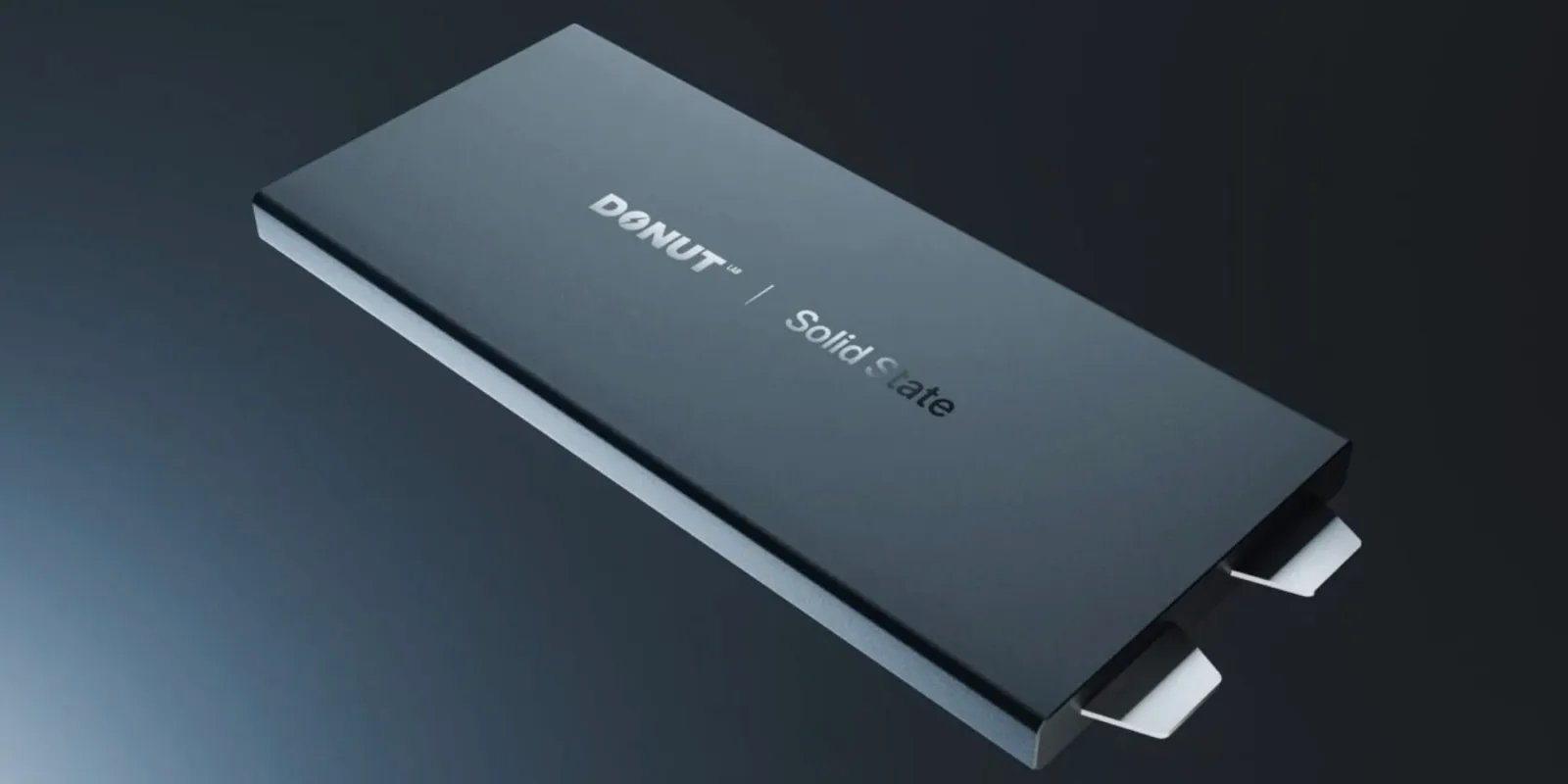
That gap is precisely what Finnish technology company Donut Lab claims it can eliminate. At CES 2026, the company presented a new battery technology that it says can recharge from empty to full in roughly five minutes while retaining 99 percent of its original capacity after an astonishing 100,000 charge cycles.
If those claims prove accurate under real-world conditions, the technology could represent one of the most significant breakthroughs in battery development in decades.
The announcement immediately attracted attention across the automotive and technology industries because the figures being discussed go far beyond the capabilities of today’s mainstream EV batteries.
As promising as the claims sound, industry experts are approaching them with both excitement and caution.
Also Read: Honda Civic vs Toyota Corolla Comparison & Which Is a Better Everyday Car?
Charging Times Have Long Been EVs’ Biggest Challenge
Electric vehicles have improved dramatically during the past decade. Driving range has increased, battery costs have fallen, and charging networks have expanded across many markets. Despite those advances, charging time remains one of the most frequently cited concerns among potential EV buyers.
Even the fastest charging systems currently available generally require between 15 and 30 minutes to add substantial range under ideal conditions. While that represents major progress compared with earlier generations of EVs, it still cannot match the convenience of filling a gasoline tank.
Donut Lab’s proposed solution seeks to change that equation entirely. The company claims its battery can be fully recharged in approximately five minutes, bringing charging times much closer to traditional refueling experiences.
If achieved on a commercial scale, such performance could eliminate one of the most persistent barriers to EV adoption.
Consumers who remain hesitant about electric vehicles often point to charging delays as a major concern. A genuine five-minute charging experience would fundamentally alter that conversation.
The Durability Claim Is Equally Remarkable
While the charging speed generated most of the headlines, another figure may be even more impressive. Donut Lab says the battery retains 99 percent of its capacity after 100,000 charging cycles.
To put that claim into perspective, most modern lithium-ion batteries gradually lose capacity over time. While battery degradation rates have improved considerably, no current mass-market EV battery comes close to maintaining nearly full capacity after such an extraordinary number of cycles.
For comparison, many electric vehicle batteries are designed to retain a substantial portion of their original capacity after several thousand charge cycles.
A battery capable of surviving 100,000 cycles with minimal degradation would represent a dramatic leap forward in durability and longevity.
Such a development could potentially extend battery life far beyond the lifespan of the vehicles themselves.
It could also reduce replacement costs, improve resale values, and alleviate concerns surrounding long-term battery ownership.
CES Has Become a Showcase for Future Mobility
The introduction at CES 2026 highlights how the annual technology event continues to expand its influence within the automotive sector.
Once known primarily for consumer electronics, CES has evolved into a major venue for showcasing transportation technologies, including electric vehicles, autonomous driving systems, connectivity solutions, and battery innovations.
Automakers, suppliers, startups, and technology firms now use the event to present concepts and breakthroughs aimed at shaping the future of mobility.
Donut Lab’s battery announcement was among the more ambitious claims made during this year’s exhibition.
The company has been working to position itself as a technology innovator capable of challenging established assumptions about electric vehicle performance and charging infrastructure.
Presenting the technology at CES ensured immediate visibility among industry leaders, investors, and media organizations from around the world.
Why Extraordinary Claims Require Careful Verification
As exciting as the announcement may be, battery experts are likely to scrutinize the claims closely.
The history of battery development includes numerous examples of promising laboratory breakthroughs that ultimately faced challenges when scaled for mass production. Developing a prototype is one thing; manufacturing millions of reliable, affordable battery cells is something entirely different.
Industry veterans often emphasize the importance of independent testing and validation. Performance figures announced by technology companies typically represent results achieved under specific conditions.
Real-world applications can introduce additional variables involving temperature, charging infrastructure, manufacturing consistency, and long-term reliability. This does not mean Donut Lab’s claims are inaccurate.
Rather, it reflects the cautious approach commonly taken when evaluating new battery technologies. Automakers and investors will likely want to see extensive third-party testing before drawing firm conclusions about the battery’s commercial potential.
The Potential Impact on Electric Vehicles
If the technology performs as advertised, the implications could be substantial. A five-minute recharge would address one of the most common criticisms directed at electric vehicles. Long-distance travel would become significantly more convenient, reducing the need for lengthy charging stops during road trips.
Battery longevity could also transform ownership economics. One of the concerns some consumers have regarding EVs involves long-term battery replacement costs. A battery capable of maintaining 99 percent capacity after an enormous number of charging cycles would dramatically reduce those worries.
The technology could also benefit commercial applications. Fleet operators, delivery services, ride-hailing companies, and public transportation providers often place a premium on minimizing downtime.
Faster charging and longer-lasting batteries could improve operational efficiency across multiple industries. In many ways, the battery’s durability claim may be just as important as its charging speed.
Infrastructure Challenges Would Remain
Even if the battery technology proves viable, another challenge would need to be addressed: charging infrastructure.
Delivering a full charge in five minutes would likely require extremely high-power charging systems. Existing charging networks may not be capable of supporting such rapid energy transfer without significant upgrades.
Power delivery, grid capacity, cooling systems, and charging station design would all become important considerations.
Historically, advances in battery technology have often required corresponding improvements in charging infrastructure.
The success of any ultra-fast charging solution, therefore, depends not only on the battery itself but also on the broader ecosystem supporting it.
That reality highlights the complexity of transforming laboratory breakthroughs into practical transportation solutions.
The Race for Better Batteries Continues
Battery technology has become one of the most competitive areas of automotive development.
Manufacturers and technology companies worldwide are investing billions of dollars in efforts to improve charging speed, energy density, safety, cost, and durability. Solid-state batteries, silicon-anode designs, sodium-ion technologies, and alternative chemistries are all being actively developed.
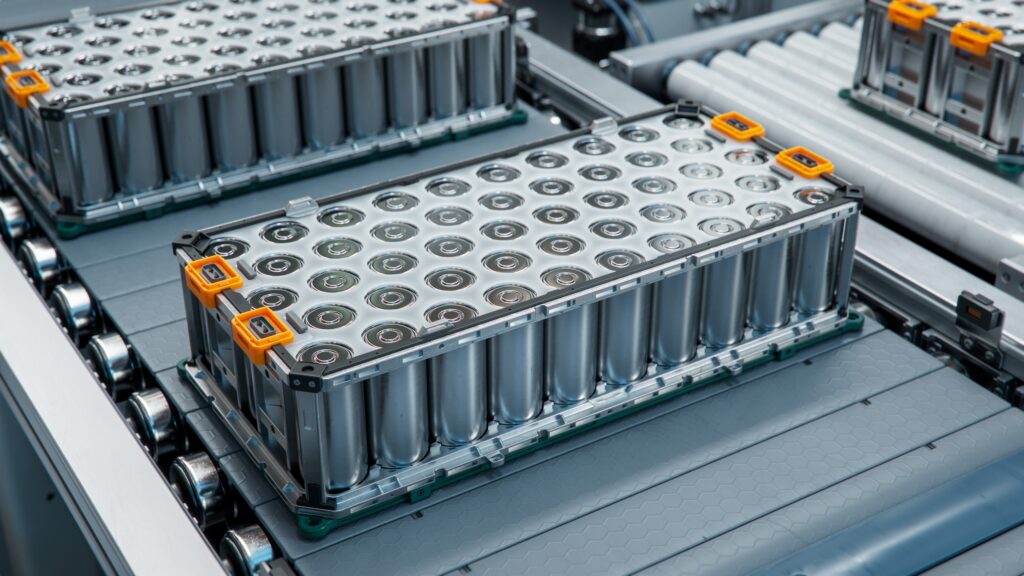
Donut Lab’s announcement adds another intriguing possibility to this space. Whether the technology ultimately reaches production remains uncertain, but the claims themselves underscore the rapid pace of innovation in the battery sector.
The pressure to improve electric vehicle performance continues to drive research at an unprecedented rate.
A Potential Glimpse of the Future
Donut Lab’s presentation at CES 2026 offered a vision of what electric vehicle ownership could look like if charging times and battery longevity improve dramatically.
The company claims its battery can fully recharge in about five minutes while retaining 99 percent capacity after 100,000 cycles, figures that far exceed the capabilities of today’s mainstream EV technology.
Those numbers have understandably generated excitement, but they will also require extensive verification before the industry embraces them as a genuine breakthrough.
For now, the battery remains a promising concept rather than a proven commercial product. Still, the announcement serves as a reminder of how rapidly battery technology continues to evolve. If even a portion of Donut Lab’s claims can be achieved at scale, the future of electric transportation could look very different from the one drivers know today.
Also Read: Consumer Reports Names The Ford F-150: A Top Pick For 2026
