

The U.S. automotive market is showing fresh signs of resilience as both used-vehicle prices and new-car demand move higher, challenging expectations that upgraded interest rates and affordability concerns would continue weighing on consumers.
According to the latest CarGurus Intelligence Report, the average used-vehicle listing price reached $30,200 in May, marking the first time the figure has exceeded $30,000 since August 2023.
The milestone represents a 5.1% increase from a year earlier and suggests that the used-car market has entered a new phase after nearly two years of price normalization.
At the same time, the new-vehicle market posted an equally noteworthy development. CarGurus reported that new-vehicle retail demand rose 5.7% year over year in May, ending a seven-month streak of annual declines. Average new-vehicle listing prices also climbed to $50,700, their highest level since September 2023.
Taken together, the numbers paint a picture of a market that is adapting to higher prices rather than retreating from them. While affordability remains a concern for many households, consumers appear increasingly willing to absorb upgraded vehicle costs, particularly as inventory conditions stabilize and economic uncertainty eases.
The latest data suggest that the long-anticipated collapse in automotive demand has yet to materialize.
Also Read: UAW Approves New Contract, Bringing American Axle Strike to an End
Used-Vehicle Prices Resume Their Climb
For much of 2024 and early 2025, the used-car market appeared to be settling into a more predictable pattern after the extreme volatility that followed the pandemic.
Vehicle shortages, supply-chain disruptions, and limited new-car inventory had previously pushed used-vehicle prices to record levels. As production recovered and inventories improved, prices gradually moderated, leading many analysts to expect further declines.
Instead, the market appears to be moving in the opposite direction. According to the CarGurus May Intelligence Report, average used-vehicle prices rose above the $30,000 threshold for the first time in nearly two years.
The increase is particularly significant because it comes despite continued concerns about financing costs and household budgets.
Industry analysts note that used vehicles remain under pressure from limited supply in several key segments. The pandemic-era slowdown in new-vehicle production reduced the number of vehicles entering the used market through trade-ins, lease returns, and fleet turnover. Those effects continue to ripple through the market years later.
As a result, many late-model used vehicles remain relatively scarce compared with historical norms. That scarcity is helping support prices even as buyers face higher borrowing costs.
Consumers Continue Searching for Value
While used vehicles have become more expensive, they still offer substantial savings compared with new models.
The average new-vehicle listing price reached $50,700 in May, according to CarGurus, highlighting the growing gap between new and used inventory. For many consumers, a lightly used vehicle continues to represent the most practical path to ownership.
Industry experts point out that the definition of affordability has changed significantly over the past several years. Buyers who once expected to purchase a well-equipped new vehicle for less than $35,000 now face a market where average transaction prices often exceed $45,000.
As a result, many shoppers have adjusted their expectations. Rather than delaying purchases entirely, consumers increasingly appear willing to consider older vehicles, higher-mileage examples, or alternative brands in order to stay within budget.
The latest pricing data suggest that this flexibility is helping sustain demand even as vehicle prices remain historically upgraded.
New-Vehicle Demand Rebounds After Months of Declines
Perhaps the most surprising finding in the CarGurus report involves the new-car market. For seven consecutive months, new-vehicle retail demand had declined on a year-over-year basis. Rising interest rates, economic uncertainty, and affordability concerns all contributed to weaker showroom traffic across much of the industry.
That trend reversed in May. According to CarGurus, new-vehicle retail demand increased 5.7% compared with the same month a year earlier, ending the prolonged streak of annual declines.
The rebound suggests that consumers may be becoming more comfortable with current pricing conditions. It also reflects a broader improvement in vehicle availability.
The inventory shortages that defined much of the post-pandemic period have largely eased, allowing dealerships to maintain broader vehicle selections and more stable supply levels.
Greater availability gives consumers more opportunities to find vehicles that match their preferences and budgets.
It also allows manufacturers to compete more effectively through incentives and financing programs. The combination appears to be helping restore momentum to the market.
The Market Is Recalibrating Rather Than Retreating
One of the most important conclusions emerging from the latest data is that consumers are adapting to higher prices rather than abandoning the market.
Throughout 2024 and into early 2025, many economists predicted that sustained affordability pressures would eventually force vehicle prices lower. While certain segments have experienced corrections, the broader market has proven more resilient than expected.
According to industry analysts, consumers increasingly view current pricing as the new normal.
Wages have risen in many sectors, employment levels remain relatively strong, and buyers who postponed purchases during periods of uncertainty are gradually returning to the market. These factors are helping support demand even as monthly payments remain upgraded by historical standards.
The automotive market has effectively entered a recalibration phase. Instead of waiting for prices to return to pre-pandemic levels, many consumers appear to have concluded that such declines are unlikely.
That shift in perception may be one of the most significant developments affecting vehicle sales today.
Inventory Levels Continue To Influence Pricing
Supply remains a critical factor in determining where prices move next. Although dealership inventories have improved substantially compared with the shortages experienced during the pandemic, supply levels remain uneven across vehicle categories.
Popular trucks, SUVs, hybrids, and certain performance models continue to command strong pricing because demand exceeds available inventory. Meanwhile, some segments have become more competitive as manufacturers increase production and dealers work to manage stock levels.
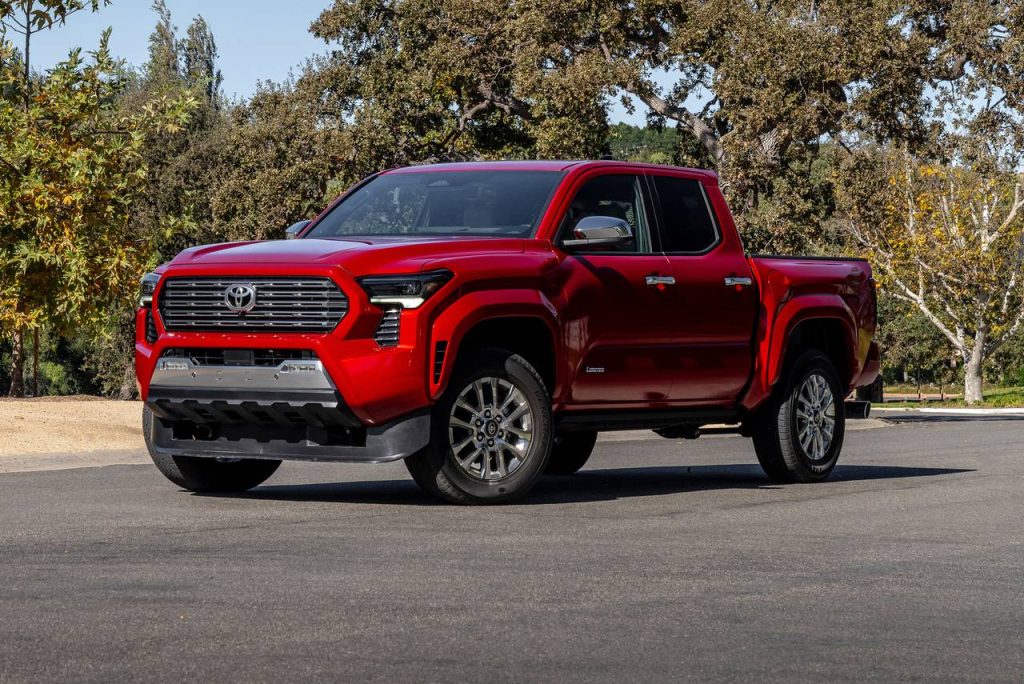
The used vehicle market faces a different set of constraints. Used inventory cannot be produced to meet demand, so supply is determined by factors such as trade ins, lease returns, fleet sales, and private transactions.
The reduced production volumes experienced during 2020 and 2021 continue to limit the number of relatively recent vehicles entering the market.
This dynamic has become one of the primary reasons why prices remain high. Industry analysts expect inventory conditions to remain an important determinant of pricing throughout the remainder of the year.
Financing Remains a Key Variable
Despite improving demand, financing costs continue to shape purchasing decisions. Higher interest rates have increased monthly payments across both new and used vehicle segments.
While some manufacturers have responded with promotional financing offers, many consumers still face borrowing costs significantly above levels common just a few years ago.
The impact is particularly pronounced in the used-car market, where interest rates are often higher than those available for new vehicles. As a result, affordability remains a challenge even when vehicle prices stabilize.
Financial institutions and industry analysts continue monitoring interest-rate trends closely because borrowing costs have become one of the most influential factors affecting vehicle demand.
Any future reductions in rates could provide an additional boost to both new and used sales activity. For now, however, consumers appear willing to proceed with purchases despite the financing environment.
What It Means for Dealers
For dealerships, the latest data offer encouraging signs. Stronger demand generally translates into improved inventory turnover and healthier sales volumes. Rising used-vehicle prices can also benefit trade-in activity by providing consumers with more equity in their existing vehicles.
However, dealers must still operate in a market shaped by affordability concerns and increasingly well informed buyers.
Consumers today have access to extensive pricing data and often compare multiple vehicles before making purchase decisions. Retailers that effectively manage inventory, maintain competitive pricing, and provide transparent buying experiences are likely to remain best positioned for success.
The recent improvement in demand suggests many dealerships may experience stronger conditions during the second half of the year than previously anticipated.
The CarGurus May Intelligence Report provides a snapshot of a market that is proving more resilient than many observers expected.
Used-vehicle prices have climbed above $30,000 for the first time since August 2023, while new-vehicle demand has returned to growth after months of declines. Average new listing prices have also reached their highest level in nearly two years, reflecting continued strength across multiple segments of the industry.
These developments suggest the automotive market is undergoing a period of adjustment rather than contraction.
Consumers remain sensitive to affordability challenges, but they are continuing to purchase vehicles despite upgraded prices and financing costs. Inventory constraints, changing buyer expectations, and steady demand are combining to support market stability.
The months ahead will reveal whether the recent gains represent the beginning of a sustained recovery or simply a temporary rebound. For now, however, the data indicate that buyers have not abandoned the market. Instead, they appear to be adapting to it.
Also Read: What It Really Costs To Own A Ford F-150 For Five Years?
