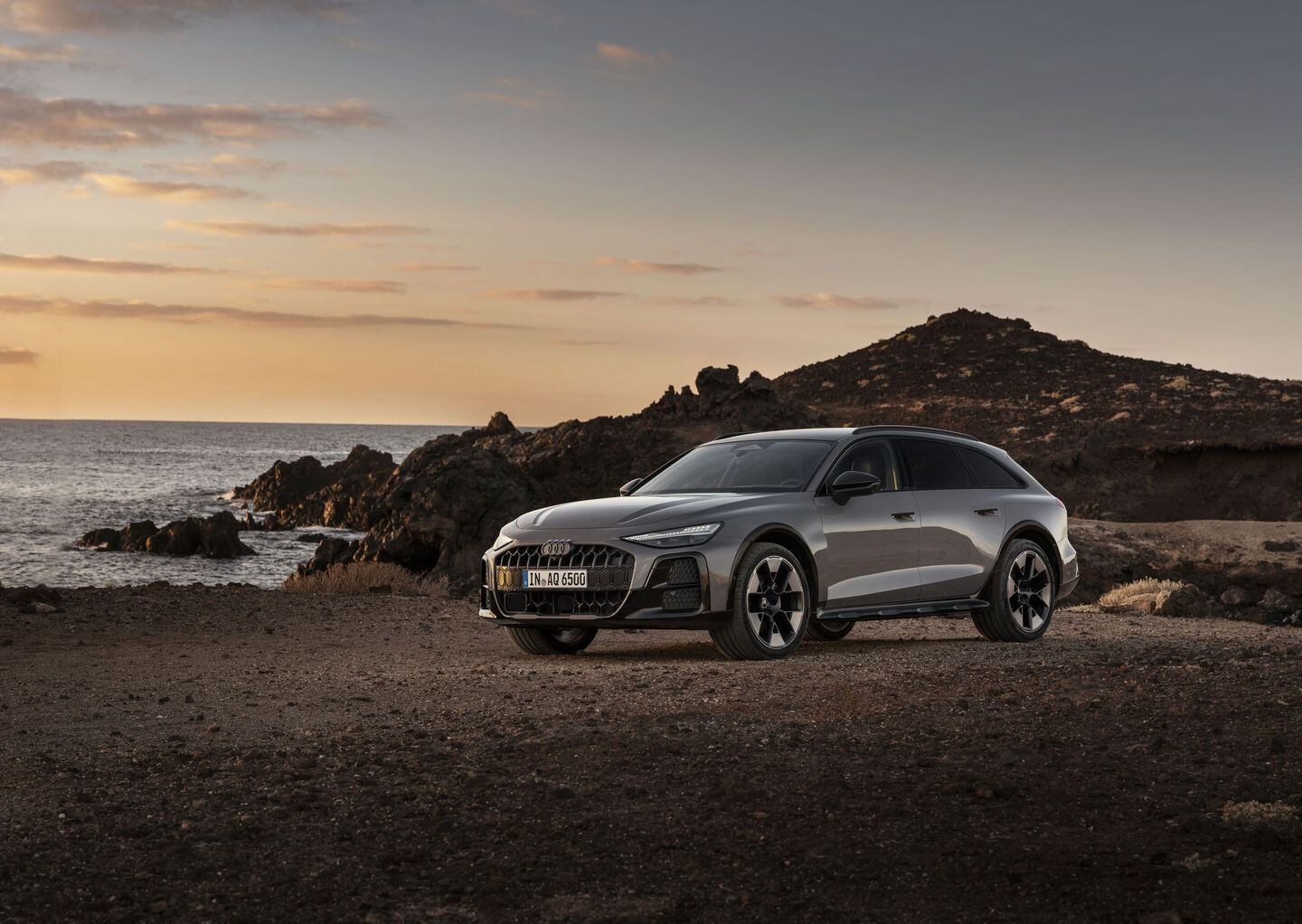
Audi has introduced a new A6 allroad, giving the brand’s long-running luxury wagon a more aggressive design, updated digital cabin, revised chassis technology, and a broader role in the company’s expanding product offensive.
The launch follows the recent Nuvolari concept and redesigned Q7, signaling that Audi is using 2026 to refresh both its core models and its future design direction.
The A6 allroad has always occupied a distinctive place in Audi’s lineup. It combines the long-roof practicality of an Avant wagon with quattro all-wheel drive, extra ground clearance, protective body cladding, and adaptive suspension.
It is not intended to replace an SUV but to appeal to buyers who want premium comfort, cargo space, and confident all-weather capability without the size and driving position of a large crossover.
The new model continues that formula, although it does so with a much bolder visual identity. Audi says the allroad is designed to combine “elegance with off-road capabilities,” and the new bodywork makes that intent clear.
Also Read: 10 Cars That Hold Their Value Better Than a Toyota
Wider Bodywork Gives the Wagon a More Purposeful Look
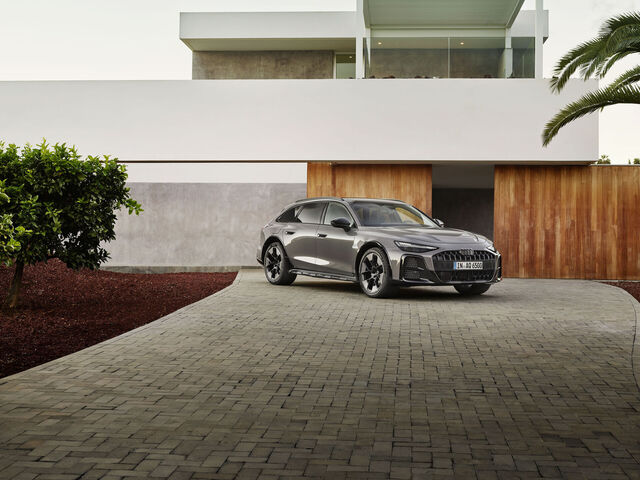
The most noticeable change is the new A6 allroad’s wider stance. Audi has given the vehicle pronounced wheel arches and a more muscular body shape, creating a visual connection with the RS6 Avant while preserving the allroad’s rugged identity.
The model is substantially broader than the standard European A6 Avant. Car and Driver reports that the allroad is 4.3 inches wider than the regular A6 Avant, while Audi says the broader bodywork is meant to give the car a stronger road presence and accommodate its more capable chassis setup.
The front end receives a revised grille treatment, larger lower air openings, and skid-plate-style trim. Black protective cladding around the wheel arches and lower body remains a central allroad feature, but Audi has made the design more integrated than before.
The result is less like a conventional wagon with accessories and more like a distinct model within the A6 family.
The rear continues the same theme with a wider-looking tailgate, updated lighting, and a lower bumper treatment that reinforces the car’s raised, adventure-oriented position.
Audi’s allroad models have traditionally appealed to customers who dislike the bulk of SUVs but still need winter capability, gravel-road confidence, and useful cargo space. The new styling makes that message more visible. It is still a wagon, but it no longer looks understated in the way earlier Allroad generations often did.
Adaptive Air Suspension Remains Central to the Allroad Formula
The new A6 allroad uses adaptive air suspension as standard equipment, and that system remains one of the model’s defining mechanical features.
Audi says the updated suspension gives the vehicle more flexibility across different driving conditions. The allroad rides higher than the standard A6 Avant and can adjust its height depending on the selected drive mode and road surface.
The system provides up to 2.2 inches of adjustable range, allowing the car to lower at speed for improved stability or rise when additional ground clearance is needed.
That does not turn the A6 allroad into a serious off-road vehicle. It is not designed to compete with a Land Rover Defender or Jeep Wrangler. Its mission is more practical. The added clearance can help on snowy driveways, unpaved roads, rough rural routes, and poorly maintained vacation-property access roads.
The air suspension should also preserve the comfort expected from a premium Audi. Wagons often carry heavy loads, and the allroad’s suspension can help maintain a more consistent ride when the rear cargo area is full or when the vehicle is towing.
Audi has also revised the steering system. The company says components between the steering wheel and front tires have been made stiffer, a change intended to create a more direct response. That matters because the new allroad is wider and taller than a normal A6 Avant, and Audi needs to ensure the vehicle still feels composed on fast roads.
Powertrain Choices Reflect Different Global Markets
Audi will offer the A6 allroad with different engines depending on the market. European buyers will have access to a turbocharged 2.0-liter gasoline engine and a 3.0-liter V6 diesel mild-hybrid option.
The diesel version produces 220 kW, or roughly 295 horsepower, and delivers fuel economy figures between 36.8 and 40.6 mpg under European testing.
The United States is expected to receive a different setup. Car and Driver reports that the American A6 allroad will likely use the same turbocharged 3.0-liter V6 found in the new A6 sedan, producing 362 horsepower and paired with a seven-speed dual-clutch automatic transmission.
Quattro all-wheel drive will remain standard, as it has been throughout the allroad’s history. That is essential to the vehicle’s identity. Audi’s all-wheel-drive system gives the wagon a strong advantage in wet, snowy, and low-grip conditions, while also helping it deliver confident acceleration on dry pavement.
The expected U.S. engine would give the allroad considerably more power than mainstream wagons and most compact luxury SUVs. It should also allow Audi to position the car as a premium alternative for buyers who want performance without moving into an S or RS model.
The Cabin Moves Further Into the Digital Era.
Inside, the A6 allroad adopts the latest Audi digital dashboard layout introduced on the redesigned A6 sedan.
The cabin includes an 11.9-inch digital instrument cluster and a 14.5-inch central infotainment display. An optional 10.9-inch passenger display gives the front passenger access to entertainment and navigation functions without interfering with the driver’s screen.
This is a major shift from earlier Audi interiors, which relied more heavily on physical buttons and rotary controllers. The new layout is more screen-focused, reflecting the broader industry trend toward software-driven cabins and larger displays.
Audi has attempted to balance that technology with improved refinement. The company has upgraded cabin insulation and will offer acoustic glazing for the side windows. These changes are particularly relevant for a wagon likely to be used for long-distance travel, where road noise and wind noise can become tiring.
The allroad’s cargo area remains a key advantage. Car and Driver reports 16.5 cubic feet of space behind the rear seats and up to 53 cubic feet with the 40/20/40 split rear seats folded.
That makes the A6 allroad more practical than a traditional sedan while keeping a lower roofline and easier loading height than many SUVs. It can carry luggage, sports equipment, dogs, camping gear, and larger household items without requiring buyers to move into a three-row crossover.
The New Allroad Arrives During a Busy Audi Product Cycle
The A6 allroad is not appearing in isolation. It is part of a wider push by Audi to refresh its lineup and rebuild momentum in several important segments.
The Nuvolari concept has provided a preview of the company’s evolving design language. Revealed during the Monaco Grand Prix period, the concept references the Audi Nuvolari quattro show car from 2003 while presenting a more dramatic interpretation of Audi’s future design direction.
Audi’s U.K. operation described the reveal as a major moment for the brand, placing the concept at the center of its latest product and design updates.
Audi has also redesigned the Q7, one of its most important large SUVs. The Q7 remains a critical model in markets such as the United States, China, and the Middle East, where buyers continue to favor three-row luxury SUVs. Updating it alongside the A6 allroad gives Audi fresh products at both ends of the practicality spectrum.
The contrast is useful. The Q7 serves buyers who want maximum seating height, towing ability, and SUV presence. The A6 allroad targets customers who want many of the same practical benefits but prefer the handling, efficiency, and lower profile of a wagon.
Audi is also expanding its electric range through models such as the A6 e-tron, while continuing to update combustion-powered vehicles on its Premium Platform Combustion architecture. The new A6 allroad represents the latter strategy.
It is a modernized gasoline and diesel vehicle designed to remain relevant as Audi manages a slower and more uneven transition toward electrification than the industry expected only a few years ago.
Pricing and U.S. Timing Remain Important Questions
Audi has announced that the new A6 allroad will be available to order in Europe from June 18, 2026, with deliveries beginning in the fall. The starting price in Germany is €77,250.
U.S. pricing has not been confirmed. The outgoing A6 allroad starts at $74,395 in America, and the higher European price for the new model suggests the next version could cost more when it arrives.
Audi has not announced an exact U.S. launch date, but a company spokesperson told Car and Driver that the vehicle is expected to reach America during 2027.
The price will matter because the Allroad occupies a niche market. It will likely compete most directly with the Mercedes-Benz E-Class All-Terrain while also facing indirect pressure from luxury SUVs such as Audi’s own Q7, the BMW X5, the Mercedes-Benz GLE, and the Volvo XC90.
Yet the allroad has an advantage that those SUVs cannot fully replicate. It offers premium space and all-weather confidence in a package that remains lower, sleeker, and more engaging to drive.
The new Audi A6 allroad is a carefully targeted update rather than a radical reinvention. It keeps the qualities that made the model appealing: wagon practicality, quattro traction, adaptive air suspension, useful cargo room, and long-distance comfort.
But it adds a wider body, more assertive styling, a modern digital cabin, improved refinement, and powertrain technology designed to keep it competitive in a changing luxury market.
Its arrival alongside the Nuvolari concept and redesigned Q7 shows Audi is trying to refresh its image from several directions at once. The company is investing in future design, electric vehicles, luxury SUVs, and combustion-powered wagons rather than relying on one product strategy.
For buyers who still believe a wagon can be more useful and more interesting than an SUV, the A6 allroad remains one of Audi’s most distinctive answers.
Also Read: 10 Most Reliable Trucks Of The Last Decade – RANKED