Tesla’s 2026 product changes are not a normal model-year reshuffle. The company is ending production of the Model S and Model X, the two vehicles that established Tesla as a premium electric-car manufacturer, while redirecting part of its Fremont, California, factory toward Optimus humanoid-robot production.
The shift is significant because the Model S and Model X were once Tesla’s identity. The Model S proved that an electric sedan could be fast, desirable, long-range, and technologically ambitious.
The Model X extended that idea into the luxury SUV market with its Falcon-wing doors, three-row layout, and distinctive design. Yet by 2025, Tesla’s business had become heavily dependent on the Model 3 and Model Y, which accounted for about 97 percent of the company’s deliveries.
Tesla is not retiring every older vehicle in its lineup. The Model 3 and Model Y remain its volume products, while Cybertruck, Semi, Cybercab, and future programs remain part of the company’s wider plans.
But the Model S and Model X are ending without direct replacements, closing the first major chapter of Tesla’s modern vehicle business.
Also Read: 10 Affordable EVs Targeting Under $30,000 by 2027
Tesla Model S
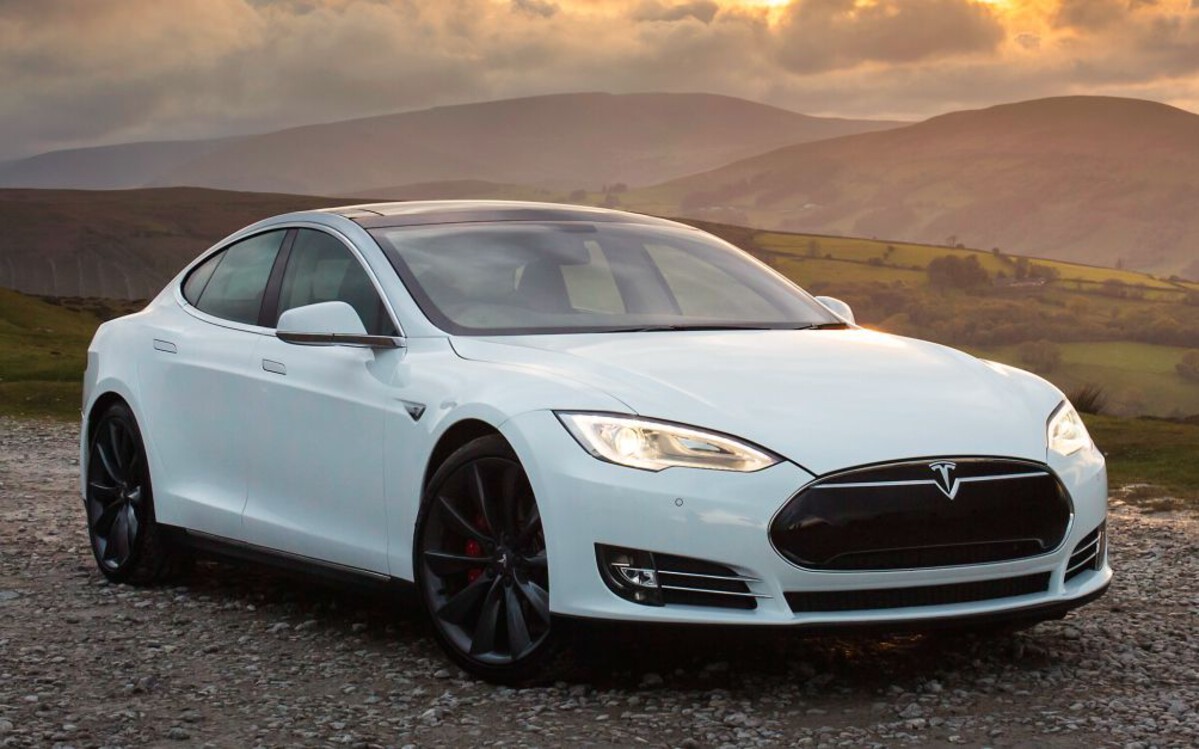
The Tesla Model S is the most important vehicle being retired in 2026. Tesla began Model S deliveries in 2012, at a time when most mainstream electric vehicles were small, slow, short-range cars designed primarily for city use.
The Model S changed that perception. It offered a large battery, a spacious liftback body, quick acceleration, a large touchscreen, over-the-air updates, and a charging network that made longer trips more realistic.
It also helped establish Tesla’s technology-first approach. The Model S was one of the earliest cars to treat software as a central part of the ownership experience.
Tesla could add features, revise interfaces, improve performance, and change vehicle behavior through remote updates. That model has since influenced much of the auto industry.
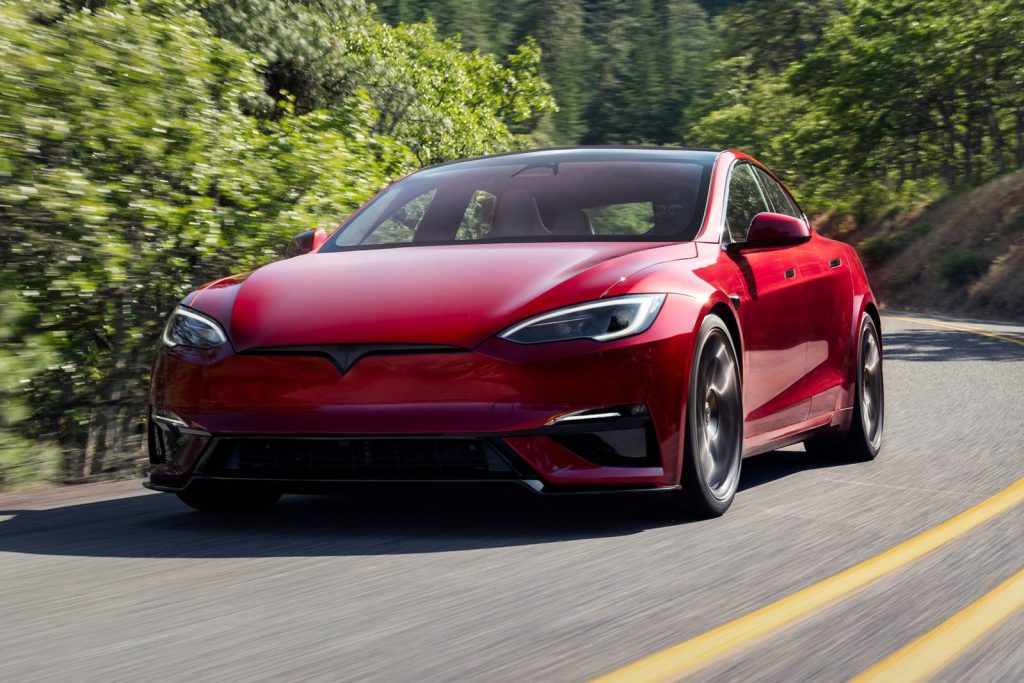
The final Model S remained a remarkably quick luxury sedan. The Plaid version used a tri-motor powertrain and delivered acceleration figures once associated with purpose-built supercars.
Yet the car’s age became harder to hide as competitors introduced newer EV architectures, faster charging systems, more advanced interiors, and fresher exterior designs.
Tesla announced in January that Model S production would end in 2026. By early April, reports indicated that new production had stopped and only existing inventory remained available in some markets. In May, Tesla confirmed that the final Model S had rolled off the Fremont line.
The decision was not caused by a lack of historical importance. It was driven by volume. Tesla no longer reports Model S and Model X deliveries separately, placing them within an “other models” category alongside vehicles such as Cybertruck and Semi.
That category totaled about 50,900 deliveries in 2025, while Model 3 and Model Y deliveries reached roughly 1.59 million.
The Model S leaves behind a difficult legacy to replace. It was not Tesla’s first production vehicle, but it was the car that made the company a serious global automaker.
Tesla Model X
The Model X is also being retired in 2026, ending Tesla’s original luxury SUV program. Tesla began Model X deliveries in 2015. The vehicle shared some of its underpinnings with the Model S, but it had a very different purpose.
It was designed as a premium electric family vehicle, available with multiple seating layouts and a distinctive high-roof shape that provided more passenger space than the sedan.
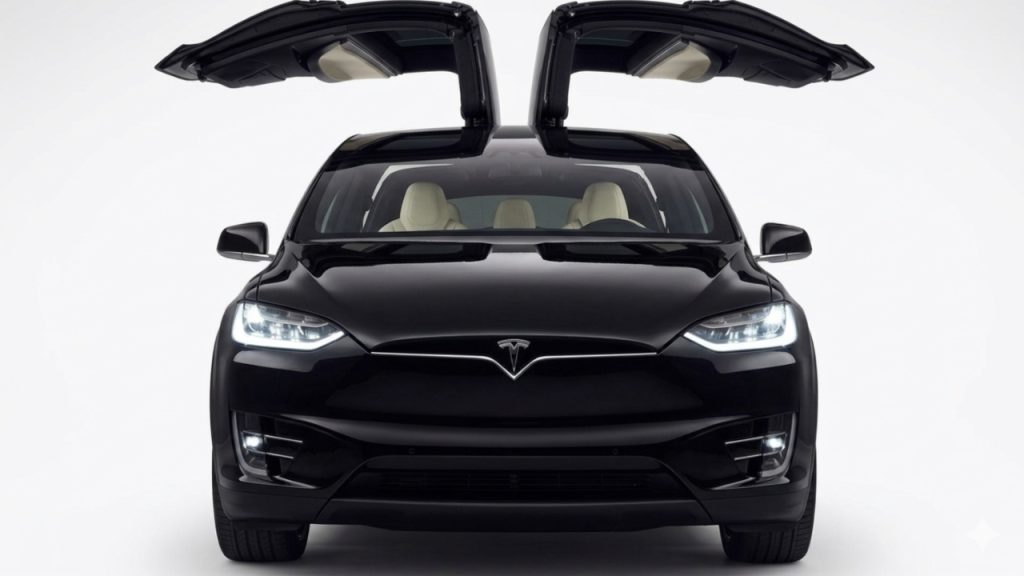
Its defining feature was the falcon-wing rear doors. The doors opened upward and used sensors to adjust their movement around nearby obstacles. They made the Model X instantly recognizable, but they also added complexity, cost, and manufacturing challenges.
The Model X helped prove that an electric vehicle could work as a large luxury SUV before the segment became crowded. Today, buyers can choose from electric SUVs offered by BMW, Mercedes-Benz, Audi, Cadillac, Rivian, Kia, Hyundai, Volvo, Polestar, Lucid, and several Chinese manufacturers in overseas markets.
Tesla updated the Model X several times, including a major 2021 refresh that introduced a revised interior, new screens, updated powertrains, and the high-performance Plaid model.
A further update in 2025 added features including a front bumper camera, new wheel designs, more third-row space, adaptive headlights, and revised ambient lighting.
Those changes kept the Model X competitive in some areas, but they did not solve its larger problem: demand had moved elsewhere.
Tesla’s Model Y became the company’s core SUV product because it was smaller, less expensive, easier to build in volume, and more accessible to a wider range of buyers. The Model X remained a niche luxury product with a high price and unusual design.
Tesla has now ended Model X production alongside the Model S. The company has not announced a direct successor, meaning buyers who want a large Tesla with three rows, Falcon-wing doors, and a flagship price point will have no equivalent replacement within the brand.
Why Tesla Is Ending Both Models
The decision comes down to manufacturing capacity and Tesla’s changing priorities. During Tesla’s fourth-quarter 2025 earnings call, Elon Musk said it was time to give the Model S and Model X programs an “honorable discharge.” He said the Fremont production space would be repurposed for Optimus humanoid robots.
Tesla has set an ambitious long-term goal of building up to one million Optimus robots annually. The company sees Optimus as part of a broader strategy focused on artificial intelligence, automation, autonomy, and robotics rather than solely on selling vehicles.
The Fremont factory has been central to Tesla’s history. It was once operated by a joint venture between General Motors and Toyota before Tesla acquired the facility in 2010. The plant built the Model S and Model X for years, then expanded to produce the Model 3 and Model Y.
Turning part of that facility into an Optimus production base is a major symbolic move. Tesla is giving up production lines for the vehicles that built its premium image in order to pursue a business that remains unproven at a large scale.
Tesla has said its third-generation Optimus design is intended to be the first version suitable for mass production. The company has also acknowledged that the robot program requires a new supply chain and faces difficult manufacturing challenges.
The strategy could eventually prove transformative if Tesla succeeds in producing useful, affordable humanoid robots. But it also carries risk. The Model S and Model X were established products with loyal owners and recognizable identities. Optimus has yet to become a mass-market commercial product.
Model 3 and Model Y Now Define Tesla
The Model S and Model X retirements show how dramatically Tesla’s business has changed. Tesla’s Model 3 sedan and Model Y crossover accounted for approximately 1.59 million of the company’s 1.636 million deliveries in 2025. That works out to about 96.9 percent of total deliveries.
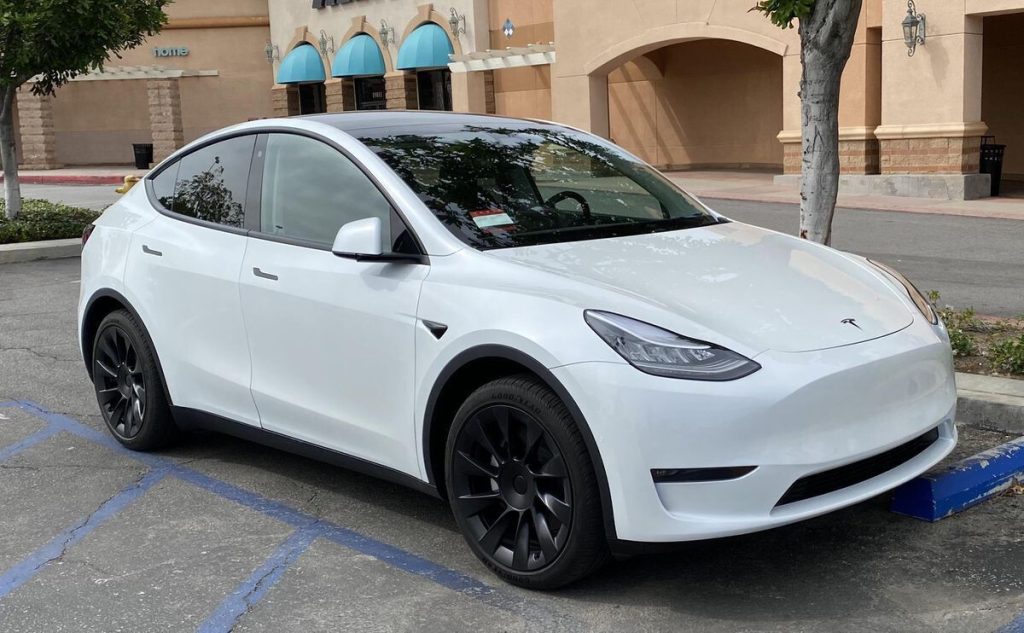
The Model Y is Tesla’s most important vehicle. It has become one of the world’s best-selling electric vehicles because it combines crossover practicality, competitive range, access to Tesla’s charging network, and a lower price than the Model X.
The Model 3 serves a similar role in the sedan market. It is Tesla’s volume four-door car, offering much of the company’s technology at a more accessible price than the Model S.
This concentration creates efficiency. Tesla can focus its engineering, manufacturing, supply chains, software development, and marketing around fewer high-volume models. It also reduces the need to support low-volume vehicles with unique parts and older production processes.
But it creates another issue. Tesla’s lineup is becoming narrower. With the Model S and Model X gone, the company loses its traditional premium sedan and premium SUV. The brand’s remaining mainstream lineup will be dominated by two closely related models, the Model 3 and Model Y.
The Vehicles Tesla Is Not Retiring
The Model 3 and Model Y are not being discontinued. Both remain central to Tesla’s sales strategy, and both have received recent updates.
The Cybertruck is also not being retired, although it remains a much lower-volume vehicle than Tesla’s two core models. Tesla continues to position it as a distinct product aimed at pickup buyers who want unusual styling, stainless-steel construction, and high-performance electric capability.
Tesla’s Semi truck program remains in development while the company continues to discuss Cybercab autonomous vehicles and future robotaxi operations. Tesla has also continued to talk about a next-generation Roadster, though the timing of that project has changed repeatedly.
These programs show that Tesla is not leaving the vehicle business. Instead, it is reducing its emphasis on older flagship models and placing more resources behind products that fit its current strategy: high-volume crossovers and sedans, autonomy, energy storage, AI computing, and robotics.
What Happens to Existing Model S and Model X Owners
Existing Model S and Model X owners will not lose access to their vehicles, service support, or Tesla’s software ecosystem simply because production has ended.
Tesla will continue to support vehicles already on the road, although long-term ownership may become more complicated as parts availability changes and the cars age.
The Model S has been in production for more than a decade, and the Model X has been on sale for more than 10 years. Both have already undergone several revisions, meaning replacement parts and repair procedures can differ significantly by model year.
Resale values could become more unpredictable. Discontinued vehicles sometimes gain collector interest, particularly final editions or low-mileage performance versions. But most used-car values are determined by condition, battery health, repair costs, technology age, and demand rather than rarity alone.
The Plaid versions of the Model S and Model X may hold special appeal because of their extreme performance. Yet buyers should not assume every final-year vehicle will appreciate. Tesla’s frequent price changes, software updates, and evolving battery technology make future values difficult to predict.
The End of Tesla’s Original Luxury Era
The Model S and Model X were not just two products. They represented Tesla’s original promise.
The Model S made electric sedans desirable. The Model X showed that EVs could work as family vehicles. Together, they helped push established luxury brands into the electric market.
Their retirement reflects the company Tesla has become. Tesla is no longer a small automaker trying to prove electric cars can be practical.
It is a large technology company whose vehicle business is concentrated around the Model 3 and Model Y, while its leadership is betting heavily on autonomy and humanoid robotics.
For Tesla enthusiasts, 2026 will be remembered as the year the company quietly retired the cars that made it famous.
Also Read: 10 Hidden Features In The Toyota Tacoma