
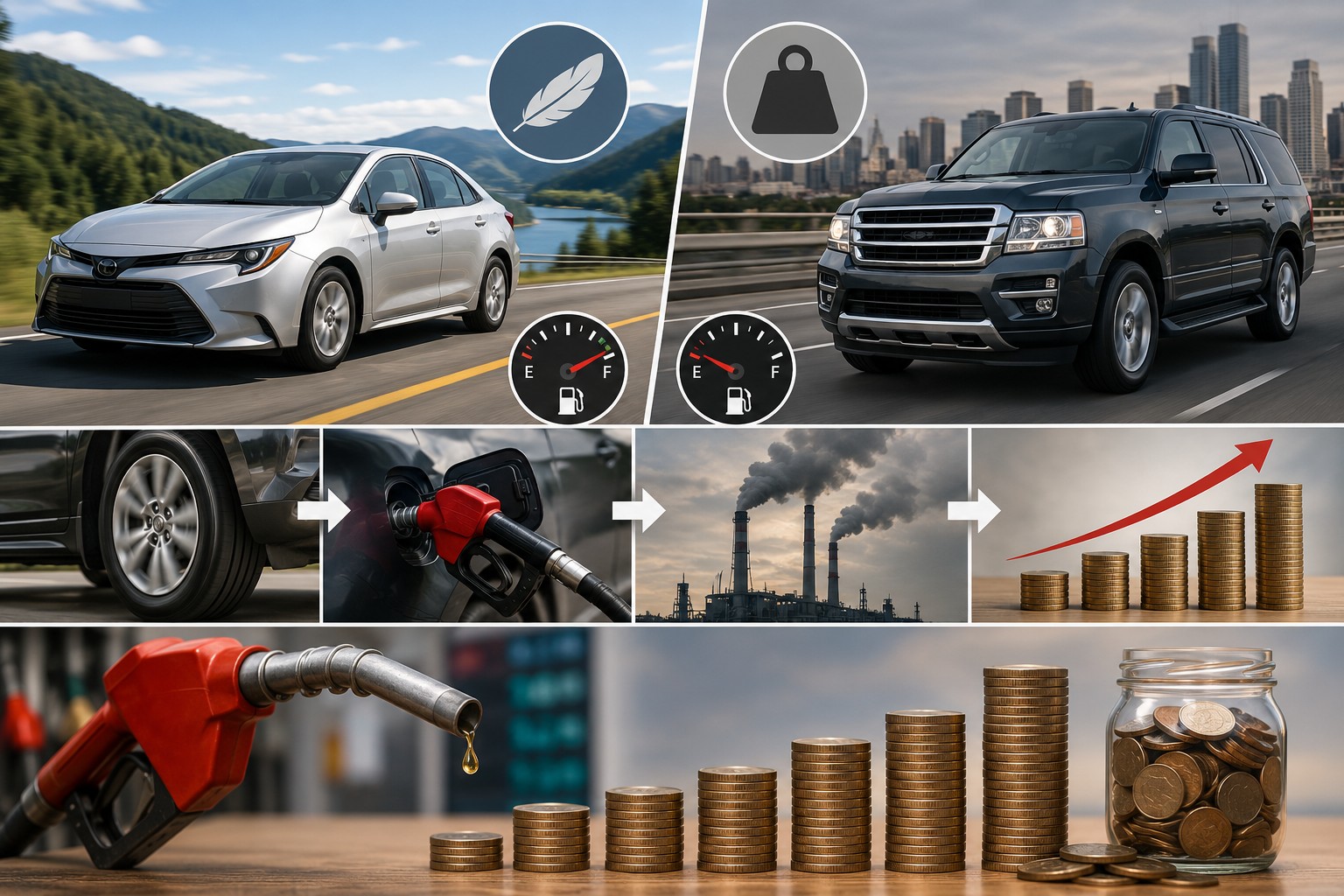
Every time you drive a heavier car, you are spending more money than you realize. The extra weight silently drains your wallet at every gas station, every mile, every year.
Most people think about fuel economy in simple terms. They compare miles per gallon numbers on a window sticker and call it a decision.
But the true cost of driving a heavy vehicle runs much deeper than that sticker ever shows. It compounds over years, over hundreds of thousands of miles, into tens of thousands of dollars lost.
A car that weighs 1,000 pounds more than a lighter alternative does not just burn slightly more fuel. It burns dramatically more fuel across every driving condition you will ever encounter.
The physics are unforgiving and entirely mathematical. Weight demands energy, energy costs money, and money adds up faster than most drivers ever stop to calculate.
By the end of this article, you will understand exactly how vehicle weight inflates your lifetime fuel bill in real dollar amounts. The numbers will surprise you.
How Every Extra Pound Costs Real Money
Weight is the fundamental enemy of fuel efficiency. Every single pound your car carries demands extra energy from the engine to move it forward.
This is not an opinion or a marketing claim. This is Newton’s Second Law force equals mass times acceleration. When your engine accelerates a heavier car, it must generate proportionally more force. More force requires burning more fuel, every single time you press the accelerator pedal.
The U.S. Department of Energy has confirmed the relationship clearly. For every 100 pounds of additional vehicle weight, fuel economy drops by approximately 1 to 2 percent.
Now translate that percentage directly into dollars. The average American drives about 15,000 miles per year. At $3.50 per gallon and 28 miles per gallon average, annual fuel cost sits around $1,875. Add 500 pounds of extra vehicle weight and you create a 5 to 10 percent fuel economy penalty.
A 7.5 percent penalty on $1,875 equals an extra $140 per year. Multiply that by 15 years of ownership and you have spent an extra $2,100 purely because of 500 extra pounds.
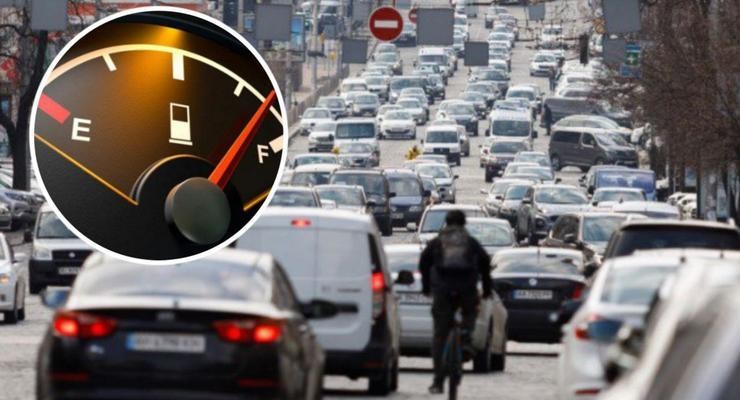
Now consider the gap between a full-size SUV and a compact sedan. A large SUV weighs 5,500 to 6,500 pounds. A compact sedan weighs 2,800 to 3,200 pounds.
The difference exceeds 3,000 pounds in many comparisons. At 1 percent fuel economy loss per 100 pounds, that is a 30 percent penalty on every gallon you buy.
On an annual fuel bill of $2,500 for the heavier vehicle, that 30 percent penalty costs you $750 per year compared to the lighter car. Over 15 years, this single factor alone adds $11,250 to your fuel spending.
A heavier car also presses down on its tires with more force, increasing rolling resistance. Higher rolling resistance means the engine works harder to maintain even a constant highway speed.
You pay for that constant effort on every highway mile you drive. The weight penalty is not just an acceleration tax it is a continuous drain on every mile, every hour, every gallon.
Where the Weight Penalty Gets Brutal
City driving is where the financial punishment of a heavy vehicle becomes most severe. Every traffic light, every stop sign, every yielding moment destroys kinetic energy your engine burned fuel to create.
In a heavier vehicle, that lost kinetic energy is proportionally larger. Physics is clear kinetic energy equals one-half times mass times velocity squared.
A vehicle weighing 4,500 pounds has 50 percent more kinetic energy at any given speed than a 3,000-pound car. Every time you brake, all that energy turns to heat in your brake pads.
Then you burn more fuel building that energy all over again when the light turns green. In city traffic, this cycle repeats dozens of times per commute.
For a commuter driving 12,000 city miles per year, the difference is dramatic. A compact car getting 28 mpg in the city costs $1,500 per year in urban fuel.
A heavy SUV getting 14 mpg on those same 12,000 city miles costs $3,000 per year. The gap is $1,500 every single year just from city driving. Over 10 years of daily commuting, the heavy vehicle costs $15,000 more in city fuel alone. This is the everyday financial reality for millions of drivers in urban and suburban areas.
Traffic congestion compounds the pain further. The average American commuter spends 54 hours per year stuck in traffic, simply idling. A large V8 SUV idles at 0.5 to 0.8 gallons per hour. A compact car idles at 0.2 gallons per hour.
At 54 hours of annual idling in an SUV burning 0.6 gallons per hour, you waste 32 gallons per year costing $112. The compact car owner wastes 10.8 gallons, spending only $38.
The heavy vehicle owner pays $74 more per year simply sitting in traffic doing nothing. Over 15 years, that is $1,110 burned while standing completely still.
Highway Driving and Aerodynamics, Paying Double at Speed
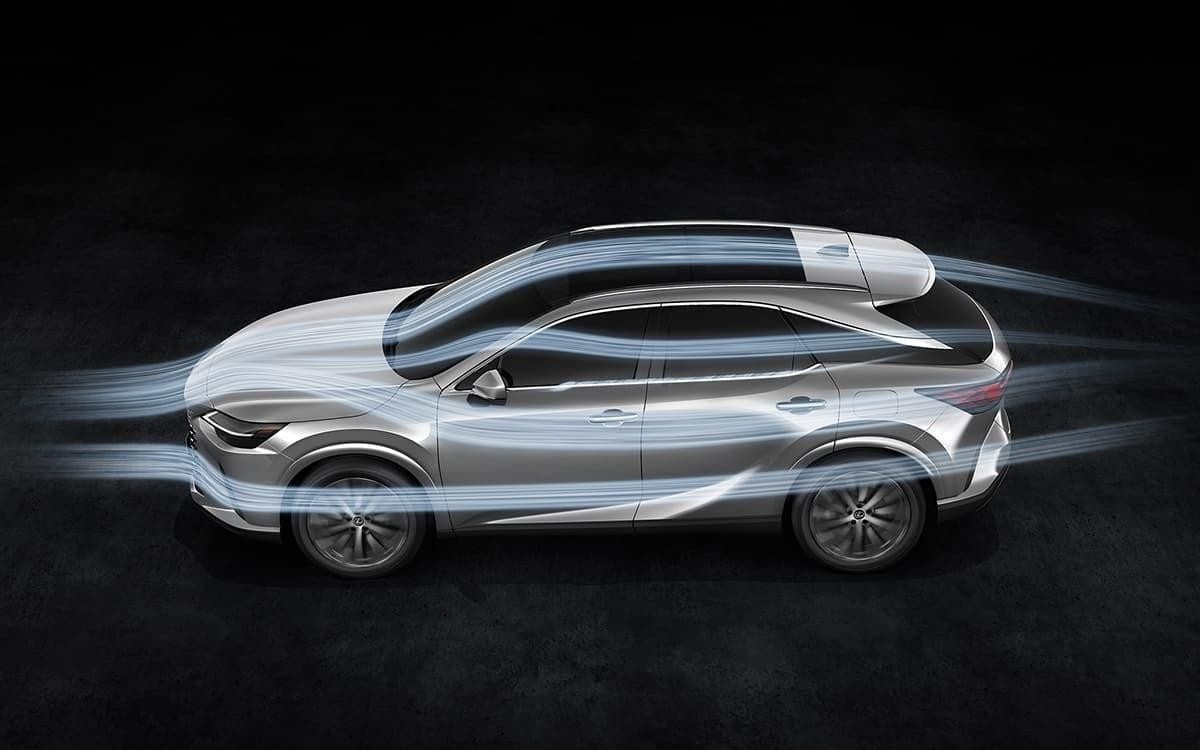
Highway driving feels efficient and steady. But this impression hides a serious financial penalty for heavier vehicles at high speeds. Aerodynamic drag increases with the square of velocity. At 70 miles per hour, drag is the dominant fuel-consuming force on any vehicle.
Heavier vehicles trucks, SUVs, minivans are taller and wider. Their frontal area, which is the surface that strikes oncoming air, is dramatically larger than a compact car’s.
A full-size SUV presents 30 to 35 square feet of frontal area to oncoming air. A compact sedan presents only 20 to 23 square feet. The SUV must push roughly 50 percent more air out of the way at every highway speed. That translates directly into higher fuel burn on every highway mile you travel.
Consider the dollar math specifically. A compact car driver getting 38 highway mpg covers 8,000 highway miles per year for $737 at $3.50 per gallon.

The same driver in an SUV getting 22 highway mpg spends $1,273 on those same 8,000 miles. The annual highway fuel penalty is $536. Over 15 years of highway driving, that gap accumulates to $8,040. This is money spent fighting air because your vehicle is too large and too heavy to be aerodynamically efficient.
Driving at 80 mph instead of 70 mph makes this dramatically worse. That speed increase raises aerodynamic drag by approximately 31 percent. For an SUV already fighting a large aerodynamic penalty, cruising at 80 mph can drop real-world highway economy from 22 mpg to 19 mpg.
On 8,000 highway miles annually, that extra 3 mpg costs an additional $200 per year. Over 15 years of highway speed habits, the aerodynamic penalty alone can exceed $11,000 in wasted fuel.
Fuel Price Spikes, Why Weight Costs You More When Gas Gets Expensive
Fuel prices are volatile and historically trending upward. This volatility creates an asymmetric financial risk that falls hardest on heavy vehicle owners.
Consider two drivers one in a compact car averaging 32 mpg, another in a large SUV averaging 18 mpg. Both drive 15,000 miles per year. At $2.50 per gallon, the compact driver spends $1,172 annually. The SUV driver spends $2,083.
Now fuel prices spike to $4.50 per gallon, as they did in 2022. The compact driver’s annual cost rises to $2,109 an increase of $937. The SUV driver’s annual cost jumps to $3,750 an increase of $1,667. The same price spike costs the SUV owner nearly twice as much extra money.
Over a price spike that lasts two full years, the SUV owner pays $3,334 extra compared to the lower-price period. The compact car owner pays only $1,874 extra. The difference $1,460 is pure financial exposure that the SUV owner carries simply because their vehicle is heavier and less efficient.
They paid more for the same external event. If a driver owns a heavy vehicle through three fuel price spikes over 15 years, the cumulative extra exposure easily adds $4,000 to $8,000 beyond what a light-vehicle owner spends. This is a hidden financial risk that appears nowhere in the purchase decision.
Tires, Brakes, and the Mechanical Cost of Heavy Weight
The fuel costs of heavy vehicles are obvious once calculated. But the mechanical costs that stem directly from carrying extra weight add thousands more to the lifetime bill.
Tire wear does not scale linearly with weight. Engineering data shows that tire wear rates increase approximately with the cube of the load applied to each tire.
A vehicle carrying 30 percent more weight per tire does not wear tires 30 percent faster. It wears them roughly twice as fast. Quality tires on a compact car last 60,000 to 70,000 miles. The same tier of tire on a heavy SUV might last only 40,000 miles.
Tire prices for large SUVs are also higher $150 to $230 per tire versus $90 to $130 on a compact car. Over 150,000 miles of ownership, the compact car owner replaces tires twice and spends approximately $2,500 total.
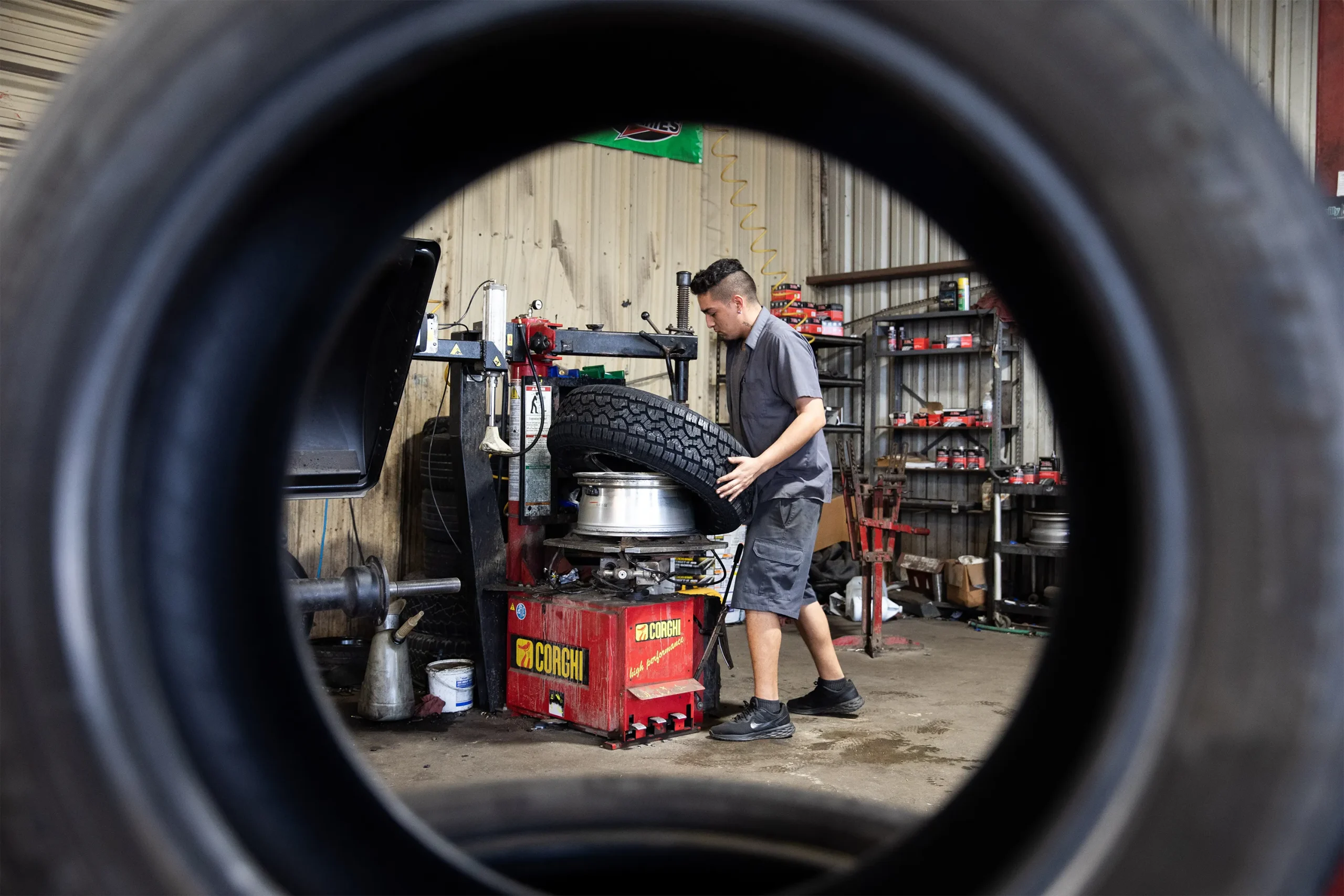
The SUV owner replaces tires three to four times at higher cost per set, spending $4,500 to $7,500 total. The tire cost difference alone reaches $2,000 to $5,000 over vehicle ownership.
Brake systems suffer equally. A heavy vehicle stopping from 60 mph must dissipate 50 percent more kinetic energy per stop than a lighter car. Brake rotors and pads on heavy vehicles wear faster and cost more to replace. A complete brake job on a large SUV runs $700 to $1,200. The same job on a compact car costs $350 to $600.
If the SUV requires brake work twice as often, the lifetime brake cost difference over 150,000 miles reaches $2,500 to $4,500. This money flows directly from the choice to drive a heavier vehicle.
The Total Lifetime Picture in Dollars
Now bring all these costs together into a single 15-year comparison. This is where the true financial damage of heavy vehicle ownership becomes impossible to ignore.
A heavy SUV getting 19 mpg combined versus a compact car getting 34 mpg combined, both driven 15,000 miles per year at an average fuel price of $3.75 per gallon over 15 years.
Fuel cost difference: $19,600 extra for the SUV owner over 15 years. This is the largest single component, but far from the only one. Tire cost difference over 15 years: $3,600 extra for the SUV owner due to faster wear and higher per-unit cost.
Brake and suspension cost difference: $4,000 extra for the SUV owner due to heavier mechanical stress and earlier replacement intervals. Insurance premium difference at $300 per year additional for the heavier vehicle: $4,500 extra over 15 years.
Fuel price spike exposure during two major price events over 15 years: $4,000 in additional costs beyond the base fuel calculation. Total lifetime financial cost difference: approximately $35,700 in favor of the lighter vehicle. That is $2,380 per year a hidden monthly payment of nearly $200 that never appears on any bank statement but leaves your wallet every month without fail.
If you invested that $2,380 annual savings at 7 percent return instead of spending it on heavy vehicle costs, you would accumulate approximately $60,000 over those 15 years.
The decision between a heavy vehicle and a light one is not a $35,000 decision. It is a $60,000 wealth decision when opportunity cost is included. Every extra pound your car weighs is a small, continuous, invisible tax on your financial life. Over time, that tax does not stay small it grows into one of the largest financial costs you will ever make without realizing it.
Also Read: 10 Vehicles With the Best Skid-Plate Protection From the Factory
