
The U.S. new-vehicle market continues to show surprising resilience despite upgraded interest rates, geopolitical uncertainty, and ongoing affordability challenges.
According to Cox Automotive’s latest forecast, June is expected to close with a seasonally adjusted annual sales rate (SAAR) of 16.1 million vehicles, maintaining the remarkably steady pace seen throughout much of the second quarter.
While the headline number suggests stability, the underlying competitive picture is changing rapidly.
Toyota, Hyundai Motor Group, and Stellantis are all expected to gain market share during the first half of 2026, while General Motors, Ford, and Tesla are projected to lose ground as consumer preferences increasingly shift toward hybrids, redesigned models, and value-focused offerings.
The report highlights an automotive market that has adapted to challenging economic conditions rather than collapsing under them. Consumers remain cautious, but demand has held up better than many analysts expected earlier in the year.
Also Read: ICON 4×4 Puts Its Latest C10- and C20-Based Build on the Road in a Five-Unit Run
June Sales Expected to Hold Near 16.1 Million SAAR
Cox Automotive forecasts June’s sales pace to finish near 16.1 million SAAR, virtually unchanged from March, April, and May. Such consistency is unusual given the volatility the industry experienced earlier this year from severe winter weather, changing trade policies, and fluctuations in fuel prices.
The company estimates 1.34 million new vehicles will be sold during June. That represents a 4.2 percent increase compared with June 2025, helped partly by an additional selling day, although it is expected to be nearly 10 percent lower than May’s volume because May benefited from particularly strong showroom traffic.
Charlie Chesbrough, Senior Economist at Cox Automotive, noted that buyers have largely shrugged off recent geopolitical tensions and higher gasoline prices. Instead of dramatic swings in demand, shoppers have continued purchasing vehicles at a pace that has remained surprisingly stable despite broader economic uncertainty.
That resilience has allowed Cox Automotive to leave its full-year 2026 sales forecast unchanged at 15.8 million vehicles, even though the first half of the year is expected to finish about 3.6 percent below the same period in 2025.
Toyota Continues Closing the Gap on General Motors
General Motors remains America’s largest automaker by sales volume, but its lead continues to shrink.
Cox Automotive projects GM will finish the second quarter with just under 705,000 vehicles sold, representing a 5.1 percent decline from a year earlier.
Through the first six months of 2026, GM sales are expected to be down 7.2 percent, with every major GM brand posting year-over-year declines. Buick and Cadillac have been particularly affected, each losing more than 20 percent of their first-half sales compared with last year.
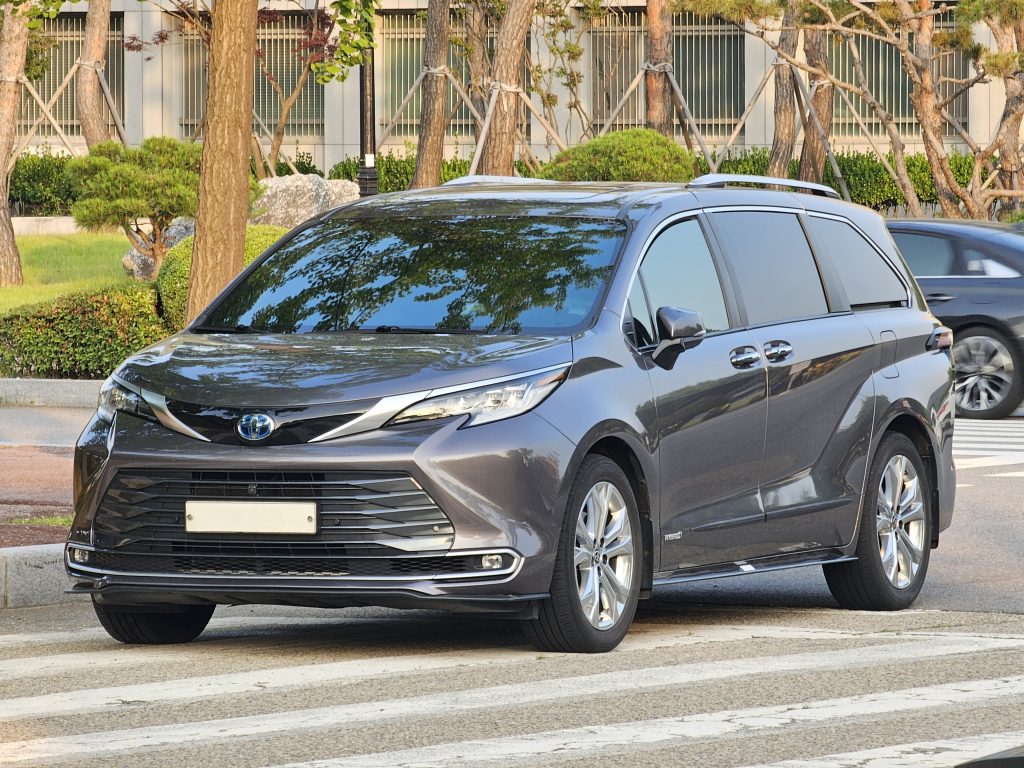
Toyota, meanwhile, continues moving in the opposite direction. The Japanese automaker is expected to record an 18.8 percent increase in second-quarter sales compared with the first quarter, significantly outperforming the broader industry.
According to Cox Automotive, Toyota’s momentum is being driven by strong demand for redesigned models and one of the industry’s broadest hybrid lineups.
As a result, Toyota has narrowed the gap separating it from GM to fewer than 100,000 vehicles, raising the possibility that the company could challenge for the U.S. sales crown if current trends continue through the second half of the year.
Toyota’s hybrid strategy appears particularly well timed. As fuel prices have increased following geopolitical tensions in the Middle East, many buyers have shifted toward vehicles offering improved fuel economy without committing to fully electric powertrains.
Hyundai Motor Group Continues Its Steady Rise
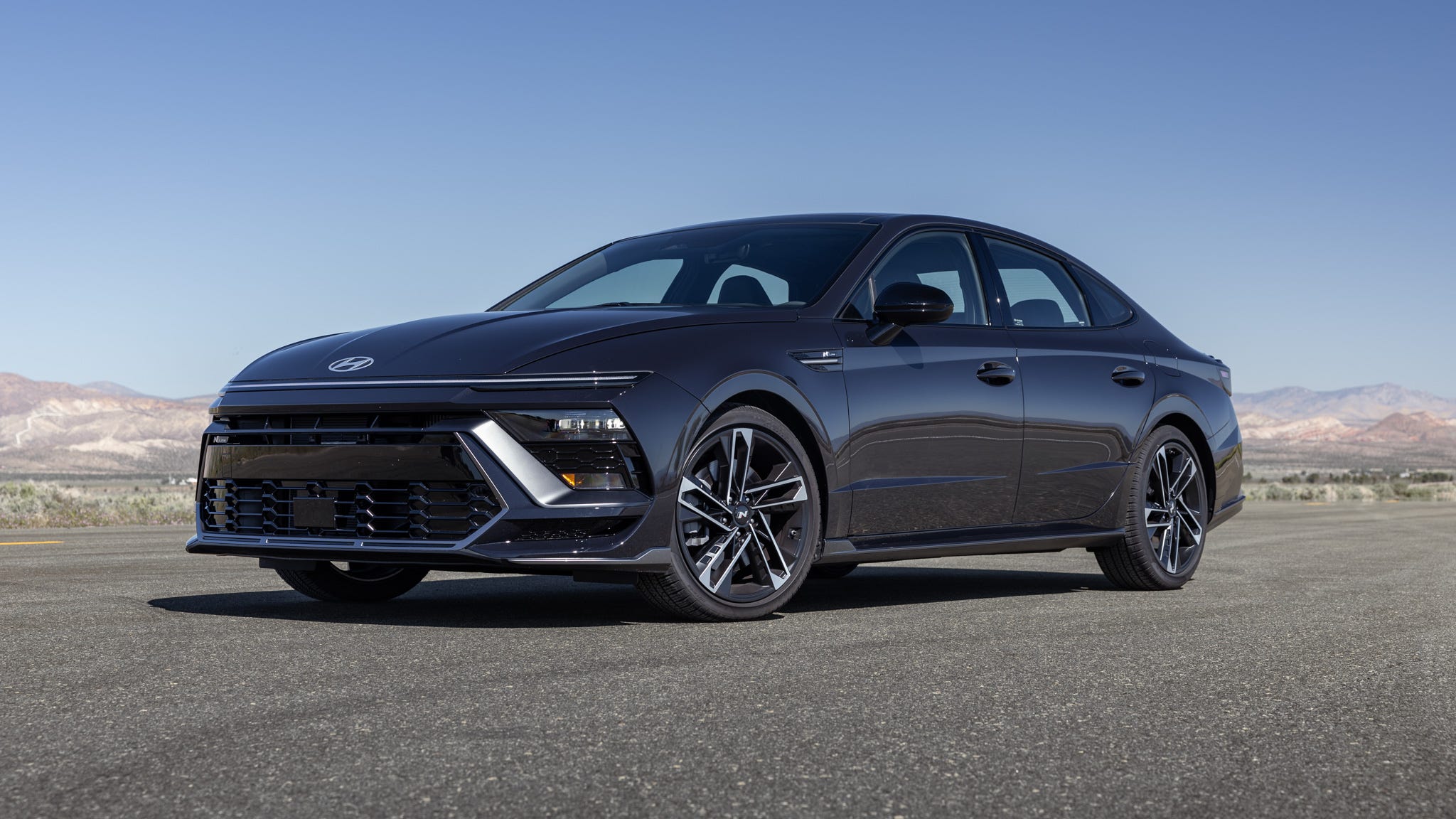
Hyundai Motor Group has quietly become one of the industry’s strongest performers. Cox Automotive estimates Hyundai’s market share has increased by 0.7 percentage points during the first half of 2026, continuing a trend that has developed over several years.
Rather than relying on a single best-selling model, Hyundai has benefited from a broad portfolio that includes Hyundai, Kia, and Genesis vehicles across multiple price segments.
Strong SUV sales, expanding hybrid availability, competitive warranty coverage, and frequent technology updates have helped the company attract buyers who might previously have considered traditional American or Japanese brands.
Hyundai has also benefited from increasing consumer confidence in its product quality. Independent reliability studies and improved resale values have strengthened the brand’s position, making it a more attractive option for buyers concerned about long-term ownership costs.
Unlike several competitors, Hyundai has also managed inventory relatively well, allowing dealers to maintain healthier stock levels without resorting to excessive discounting.
Stellantis Shows Signs of Recovery
Perhaps the biggest surprise in Cox Automotive’s forecast is the continued recovery of Stellantis.
After several difficult years marked by declining sales, inventory challenges, and leadership changes, Stellantis is projected to increase its sales volume by 4.8 percent during the first half of 2026 while also improving market share.
The turnaround has been driven by improved performance from brands such as Ram and Jeep, along with more disciplined inventory management and updated product offerings.
While Stellantis still faces significant challenges compared with some competitors, the latest forecast suggests its decline may finally be stabilizing.
The company continues investing in hybrid and electrified models while refreshing several key vehicle lines, giving dealers renewed optimism after multiple years of shrinking showroom traffic.
Ford and Tesla Face Growing Pressure
Not every automaker is benefiting from current market conditions. Ford is expected to experience one of the largest sales declines among major manufacturers, with first-half sales projected to fall 10.3 percent compared with the same period last year.
Although Ford remains one of America’s largest automakers, increasing competition in both trucks and SUVs has made maintaining market share more difficult.
Tesla also continues to face headwinds. Cox Automotive estimates Tesla’s U.S. sales volume will decline 14.6 percent during the first half of 2026 as competition intensifies across the electric vehicle market.
Unlike several rivals, Tesla currently has relatively few fresh products entering the market. Traditional automakers have significantly expanded their EV offerings over the past several years, giving consumers more choices across nearly every price segment.
At the same time, interest in hybrid vehicles has increased, reducing some of the momentum previously enjoyed by fully electric models.
Hybrids Continue Winning Buyers
One of the clearest trends emerging in 2026 is renewed consumer interest in hybrid vehicles. Although electric vehicles remain an important part of manufacturers’ long-term strategies, many buyers are currently choosing hybrids instead.
Higher gasoline prices have encouraged shoppers to seek better fuel economy, but higher EV prices, charging concerns, and the expiration of certain federal incentives have made hybrids an attractive middle ground.
Toyota has benefited perhaps more than any other manufacturer because of its long-established hybrid lineup.
Hyundai, Honda, and several other automakers have also expanded hybrid availability, allowing them to capture buyers seeking improved efficiency without changing driving habits.
Rather than choosing between gasoline and electric power, many consumers are increasingly selecting vehicles that combine both.
Affordability Remains the Biggest Challenge
Despite steady sales, affordability continues to dominate the market. Cox Automotive notes that high interest rates, increased household expenses, and tighter consumer budgets remain the biggest constraints on new-vehicle demand.
Vehicle prices themselves have stabilized compared with previous years, but financing costs continue to make monthly payments difficult for many households.
The report argues that today’s affordability issues extend beyond automobiles. Consumers are also paying more for housing, insurance, food, utilities, and other essentials, reducing disposable income available for vehicle purchases.
Even so, rising household wealth and relatively strong equity markets have helped offset some of those pressures for higher-income buyers.
As long as no major economic or policy shocks occur, Cox Automotive believes the market should continue operating within a high-15 million to low-16 million SAAR range through the remainder of the year.
Geopolitical Uncertainty Has Not Derailed Demand
One notable finding in the forecast is the relatively limited impact of recent geopolitical events.
The conflict involving Iran has contributed to higher oil prices, while ongoing trade uncertainty has complicated supply chains for many manufacturers.
Yet new-vehicle demand has remained remarkably steady. According to Cox Automotive, buyers appear to be adapting rather than delaying purchases.
Inventory availability has improved substantially compared with the shortages experienced during the pandemic, giving shoppers more choices while allowing dealers to maintain relatively stable sales volumes.
Manufacturers are also becoming more disciplined with production, helping avoid the severe oversupply problems that historically led to aggressive discounting.
What Buyers Can Expect During the Second Half
For consumers, the second half of 2026 is likely to look similar to the first. Vehicle availability should remain healthy across most segments, although popular hybrid models may continue experiencing stronger demand than comparable gasoline or fully electric vehicles.
Competition among manufacturers is expected to remain intense, particularly as Toyota continues challenging GM’s leadership position while Hyundai and Stellantis work to expand market share.
Affordability will probably remain the industry’s biggest challenge. Unless interest rates decline significantly, many buyers will continue focusing on monthly payments rather than sticker prices, encouraging automakers to emphasize financing incentives and lease programs.
Cox Automotive’s June forecast paints a picture of an auto market that has settled into a surprisingly stable rhythm. A projected 16.1 million SAAR suggests buyers continue purchasing new vehicles despite higher borrowing costs, higher fuel prices, and ongoing economic uncertainty.
Beneath that stability, however, competitive positions are changing. Toyota is rapidly closing the gap with General Motors; Hyundai continues gaining momentum through its expanding lineup; and Stellantis is showing signs of recovery after several difficult years.
Meanwhile, Ford and Tesla are losing market share as consumers increasingly gravitate toward hybrids, redesigned products, and manufacturers offering stronger value. If current trends continue, the second half of 2026 could produce one of the closest battles for U.S. sales leadership in years.
Also Read: Cupra Reveals 2026 Leon VZx Sportstourer With More Power Than the Hatch
