
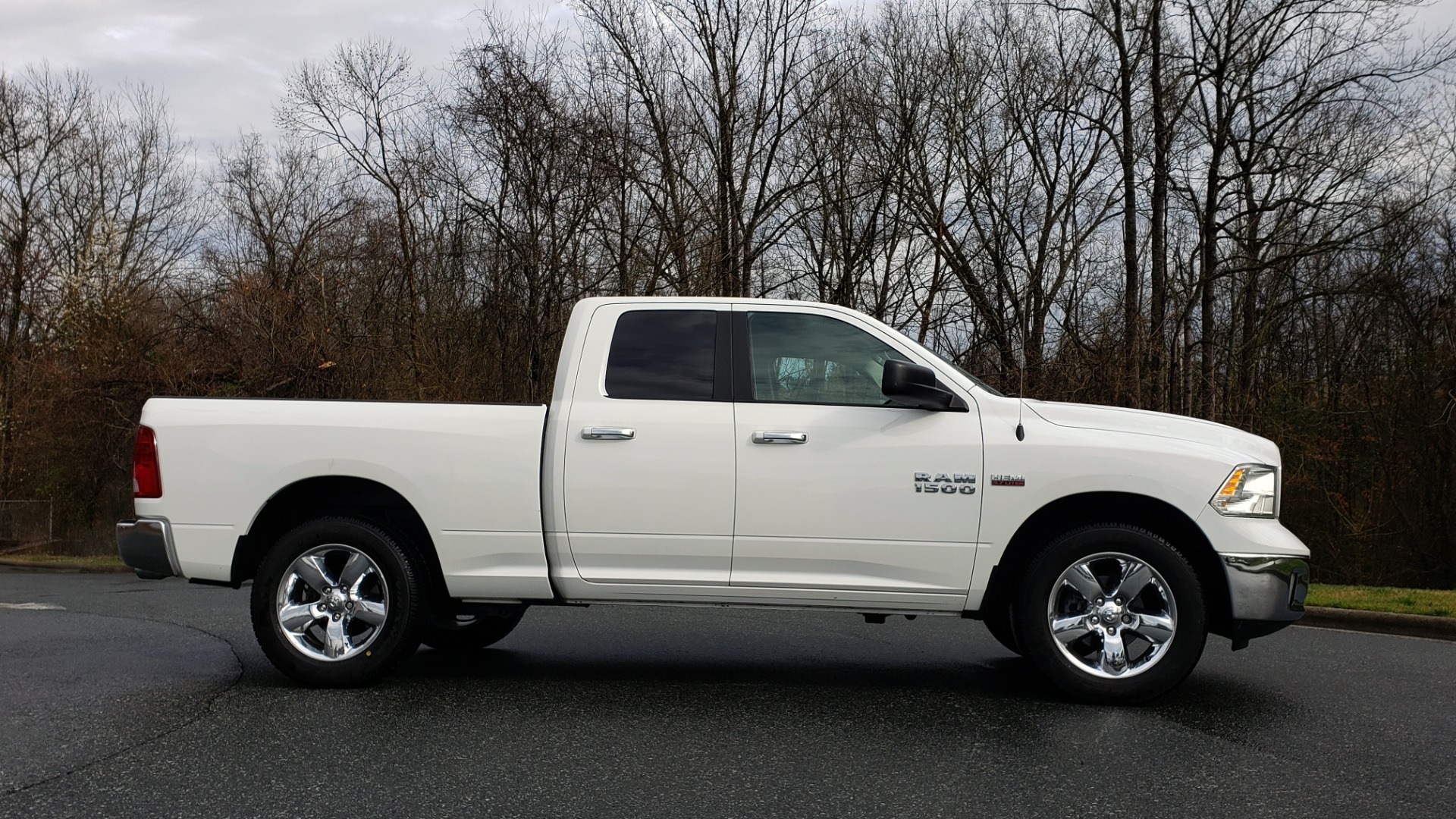
America’s automotive aftermarket is entering another year of strong growth, fueled by an aging vehicle fleet that continues to keep repair shops, parts suppliers, and service centers busier than ever.
According to the latest industry forecasts, the U.S. automotive aftermarket is expected to grow by 5.4 percent in 2026, supported by record vehicle longevity, increasing repair complexity, and consumers holding onto their vehicles longer instead of purchasing new ones.
The industry’s momentum comes as the average age of vehicles on American roads approaches 13 years, extending a trend that has steadily reshaped the automotive business over the past decade.
Rather than replacing vehicles every six or seven years, many owners are investing in maintenance and repairs that keep their cars, trucks, and SUVs on the road well beyond 150,000 or even 200,000 miles.
According to the Auto Care Association and MEMA Aftermarket Suppliers, total U.S. aftermarket sales are projected to exceed $460 billion in 2026, continuing one of the industry’s longest periods of sustained expansion.
At the same time, S&P Global Mobility reports the average age of light vehicles in operation reached 12.8 years in 2025 and is expected to edge closer to 13 years as replacement cycles continue lengthening.
The combination is creating favorable conditions for nearly every segment of the repair industry, from independent garages to dealership service departments and national auto-parts retailers.
Also Read: 10 SUVs With Third Rows That Are Too Cramped for Adults
Americans Are Keeping Their Vehicles Longer Than Ever
One of the biggest factors driving aftermarket growth is that vehicles now last much longer than they once did.
Two decades ago, reaching 150,000 miles was often viewed as the end of a vehicle’s useful life. Today, modern engines, transmissions, improved corrosion protection, synthetic lubricants, and better manufacturing quality allow many vehicles to exceed 200,000 miles with proper maintenance.
S&P Global Mobility estimates there are now nearly 300 million light vehicles operating on American roads, and their average age continues climbing almost every year. (spglobal.com)
Several factors have contributed to this trend. Vehicle quality has improved dramatically. Routine maintenance intervals have become longer. Rust protection is significantly better than it was during the 1980s and 1990s.
Owners also have access to better diagnostic tools, allowing mechanics to identify problems before they become catastrophic failures.
Instead of replacing vehicles at the first major repair, many consumers now view repairs as a more economical alternative to purchasing a new vehicle.
New cars have become much more expensive.
The economics of buying a new vehicle have changed considerably. According to Cox Automotive, the average transaction price for a new vehicle remains near historically high levels, while interest rates continue increasing monthly loan payments for many households.
For many families, spending several thousand dollars on repairs is still far less expensive than financing a $50,000 vehicle. A transmission replacement costing $6,000 may initially seem expensive.
However, compared with a new vehicle requiring monthly payments approaching $800 or more, repairing an existing vehicle often makes better financial sense.
That shift in consumer thinking has become one of the strongest drivers of aftermarket demand.
Instead of asking whether a repair is expensive, many owners now compare it against the cost of replacing the vehicle entirely.
Older Vehicles Require More Maintenance
As vehicles age, maintenance needs naturally increase. The first five years of ownership are often limited to routine oil changes, tire rotations, brake service, and scheduled maintenance.
After eight or ten years, however, additional components begin reaching the end of their service lives.
These commonly include:
- Suspension components
- Wheel bearings
- Water pumps
- Alternators
- Radiators
- Air-conditioning compressors
- Fuel pumps
- Starter motors
- Control arms
- Engine mounts
While modern vehicles are generally more reliable than their predecessors, they also contain more systems that eventually require servicing. The result is a larger volume of repair work entering independent repair shops every year.
Technology Has Increased Repair Complexity
Modern vehicles are lasting longer, but they are also becoming far more complicated. Today’s vehicles contain dozens of electronic control modules, advanced driver-assistance systems, turbochargers, hybrid components, high-pressure fuel systems, and sophisticated emissions equipment. Even relatively simple repairs frequently require diagnostic computers.
For example, replacing:
- A battery may require electronic registration.
- A windshield often requires ADAS recalibration.
- Brake service may involve electronic parking brake software.
- Steering components frequently require sensor recalibration.
These procedures increase labor time while creating additional revenue opportunities for repair facilities equipped with modern diagnostic equipment. The complexity also raises demand for technician training and specialized repair tools.
Collision Repairs Have Become More Expensive
The aftermarket benefits from more than mechanical repairs. Collision repair costs have also increased substantially.
Modern vehicles incorporate the following:
- LED headlights
- Radar sensors
- Cameras
- Parking sensors
- Adaptive cruise-control hardware
- Blind-spot monitoring systems
A relatively minor front-end collision that once required only a bumper replacement may now involve replacing radar modules, recalibrating cameras, installing new lighting assemblies, and performing computerized alignment procedures.
Insurance companies have repeatedly noted that rising parts costs remain one of the biggest contributors to higher claim expenses.
Those higher repair bills translate directly into greater activity throughout the aftermarket industry.
Electric Vehicles Create New Opportunities
Although gasoline-powered vehicles continue dominating America’s roads, electric vehicles are gradually becoming part of the aftermarket as well.
Early EVs are beginning to reach ages where suspension components, brakes, cooling systems, tires, and cabin equipment require regular maintenance.
While EVs generally eliminate engine oil changes and several traditional maintenance items, they introduce new service opportunities involving:
- Battery cooling systems
- High-voltage diagnostics
- Charging hardware
- Electric drive units
- Specialized tires
- Thermal-management components
Independent repair shops are increasingly investing in technician training for high-voltage systems as the electric fleet continues growing.
Rather than reducing aftermarket demand, electrification is gradually changing the types of repairs being performed.
Parts Suppliers Continue Expanding
Major aftermarket suppliers have responded to growing demand by expanding inventories and improving distribution networks.
National retailers, including AutoZone, O’Reilly Automotive, Advance Auto Parts, and NAP, have invested heavily in same-day delivery, commercial repair-shop support, and expanded product catalogs.
Online retailers have also transformed how replacement parts reach consumers. Instead of waiting several days for specialty components, many repair shops now receive multiple daily deliveries from regional distribution centers.
This improved logistics network helps repair facilities complete more work while reducing vehicle downtime.
Independent Repair Shops Are Benefiting
Independent garages remain one of the biggest beneficiaries of America’s aging vehicle fleet. Many owners of older vehicles eventually transition away from dealership service departments once factory warranties expire.
Independent shops often offer:
- Lower labor rates
- Flexible scheduling
- Aftermarket replacement parts
- Personalized customer service
As vehicles remain in service longer, these businesses continue building long-term relationships with owners.
Many independent facilities now invest in the same diagnostic equipment used by dealerships, allowing them to service increasingly sophisticated vehicles.
That investment has helped narrow the technological gap between independent repair shops and franchised dealers.
Supply Chains Have Improved Since the Pandemic
Another positive development for the aftermarket is improved parts availability. During the pandemic, many repair facilities struggled with extended delays for electronic modules, body panels, sensors, and drivetrain components.
While occasional shortages still occur, most supply chains have largely recovered. Manufacturers and distributors have diversified suppliers, increased inventories, and improved logistics systems.
That allows repair shops to complete work more quickly while reducing the number of vehicles waiting weeks for replacement parts.

Improved availability also supports stronger aftermarket sales because customers are less likely to postpone repairs when parts can be obtained promptly.
Consumers Are Becoming More Maintenance-Conscious
Vehicle owners are also becoming more proactive about maintenance. Digital maintenance reminders, smartphone apps, online service records, and improved consumer education have encouraged many drivers to perform preventative maintenance before serious problems develop.
Routine services, such as:
- Fluid changes
- Brake inspections
- Tire replacement
- Cooling-system maintenance
- Battery testing
help prevent larger mechanical failures while generating consistent business for repair facilities.
Many consumers now recognize that spending a few hundred dollars on preventative maintenance can avoid repairs costing several thousand dollars later.
Challenges Still Remain
Despite strong growth projections, the aftermarket continues to face several challenges. The industry continues experiencing technician shortages.
Many repair facilities report difficulty recruiting qualified mechanics capable of servicing modern vehicles.
Training requirements continue increasing as vehicles become more computerized. Repair shops also face higher equipment costs, rising wages, and growing investments in diagnostic software subscriptions.
Another concern involves parts pricing. Inflation has increased manufacturing, transportation, and labor costs, pushing replacement-part prices higher across many categories.
Even so, demand remains resilient because repairing an older vehicle generally remains less expensive than purchasing a replacement.
What It Means for Vehicle Owners
For consumers, the expanding aftermarket offers several advantages. Competition among repair providers continues to improve service quality while increasing parts availability.
Owners of older vehicles should continue finding strong support through both dealerships and independent repair shops.
However, they should also expect repair bills to remain higher than they were several years ago due to increasing labor complexity and more expensive replacement components.
Keeping up with preventative maintenance will become increasingly important as vehicles continue aging.
Regular inspections and timely repairs remain the most effective way to maximize vehicle life while avoiding larger mechanical failures.
The U.S. automotive aftermarket is entering another year of healthy expansion, with forecasts calling for 5.4 percent growth as America’s vehicle fleet approaches an average age of 13 years.
Longer-lasting vehicles, higher new-car prices, and improved manufacturing quality are encouraging millions of owners to repair rather than replace their cars, creating sustained demand for parts suppliers, repair shops, and service providers.
While today’s vehicles are more technologically advanced and expensive to repair than ever before, they are also capable of remaining on the road far longer than previous generations.
As long as consumers continue extending ownership and delaying new-vehicle purchases, the aftermarket is likely to remain one of the strongest and most resilient segments of the automotive industry.
Also Read: 10 New SUVs That Still Come With a Full-Size Spare Tire
