
The U.S. automotive market is entering a new phase in its transition toward lower-emission transportation, and the biggest winner is no longer the fully electric vehicle.
Instead, hybrid models are emerging as the preferred choice for millions of American buyers, offering improved fuel economy without the range anxiety, charging concerns, or higher purchase prices often associated with battery-electric vehicles.
After years of rapid EV growth fueled by generous government incentives and aggressive product launches, 2026 has become a year of recalibration.
Sales data released by leading automotive research firms show that hybrids are now driving much of the industry’s momentum, while electric vehicle demand has moderated following changes in federal policy and evolving consumer preferences.
The shift has prompted automakers to rethink product strategies, expand hybrid lineups, and delay or cancel several planned electric models.
Rather than viewing the transition as a setback for electrification, industry analysts describe it as a more balanced approach that reflects what consumers are willing to buy in today’s economic environment.
According to Cox Automotive, hybrid vehicles were among the fastest-growing segments of the U.S. new-vehicle market during the first half of 2026, while battery-electric vehicle sales remained under pressure after the expiration of the federal EV tax credit.
The firm’s analysts noted that many consumers continue to value improved fuel efficiency but are hesitant to commit to a fully electric vehicle because of charging availability, higher upfront costs, and uncertainty surrounding long-term ownership expenses.
The numbers highlight how quickly the market is evolving. Battery-electric vehicles accounted for roughly 6 percent of U.S. new-vehicle sales during the first quarter, while hybrid adoption continued to grow across a wide range of vehicle segments.
Although EV sales remain well above levels seen just a few years ago, growth has slowed considerably compared with the rapid expansion experienced earlier in the decade.
Also Read: 10 Automakers Ranked by How Much Driver Data They Collect
Consumers Are Choosing Practicality Over Technology
Automakers spent much of the past five years preparing for an aggressive shift toward fully electric transportation. Billions of dollars were invested in battery plants, dedicated EV platforms, and new manufacturing facilities based on forecasts that electric vehicles would rapidly replace gasoline-powered models.
However, consumer buying patterns have evolved differently. Many buyers still appreciate the environmental benefits and lower operating costs of electric vehicles but remain concerned about public charging infrastructure, charging times during long-distance travel, and higher purchase prices.
Those concerns have become more significant since federal purchase incentives expired, increasing the effective cost of many new EVs.
Hybrid vehicles have benefited directly from this changing sentiment. Because they combine gasoline engines with electric motors, hybrids offer significant improvements in fuel economy without requiring drivers to plug in the vehicle.
For many households, they represent a comfortable middle ground between traditional gasoline vehicles and fully electric transportation.
MarketWatch, citing Cox Automotive data, reported that demand for hybrids has accelerated across nearly every major automaker, with consumers increasingly viewing them as the most practical solution during the industry’s ongoing transition.
Toyota, Honda, Hyundai, Ford, and Kia have all reported strong hybrid sales, encouraging manufacturers to allocate additional production capacity toward electrified gasoline models rather than battery-electric vehicles alone.
Automakers Are Adjusting Their Investment Strategies
The changing sales mix is influencing decisions across the automotive industry. Instead of aggressively expanding electric vehicle lineups, many manufacturers are placing greater emphasis on hybrids while slowing the pace of some EV programs.
Toyota remains one of the clearest examples of this strategy. The company has long argued that consumers should have multiple electrified options rather than being pushed exclusively toward battery-electric vehicles.
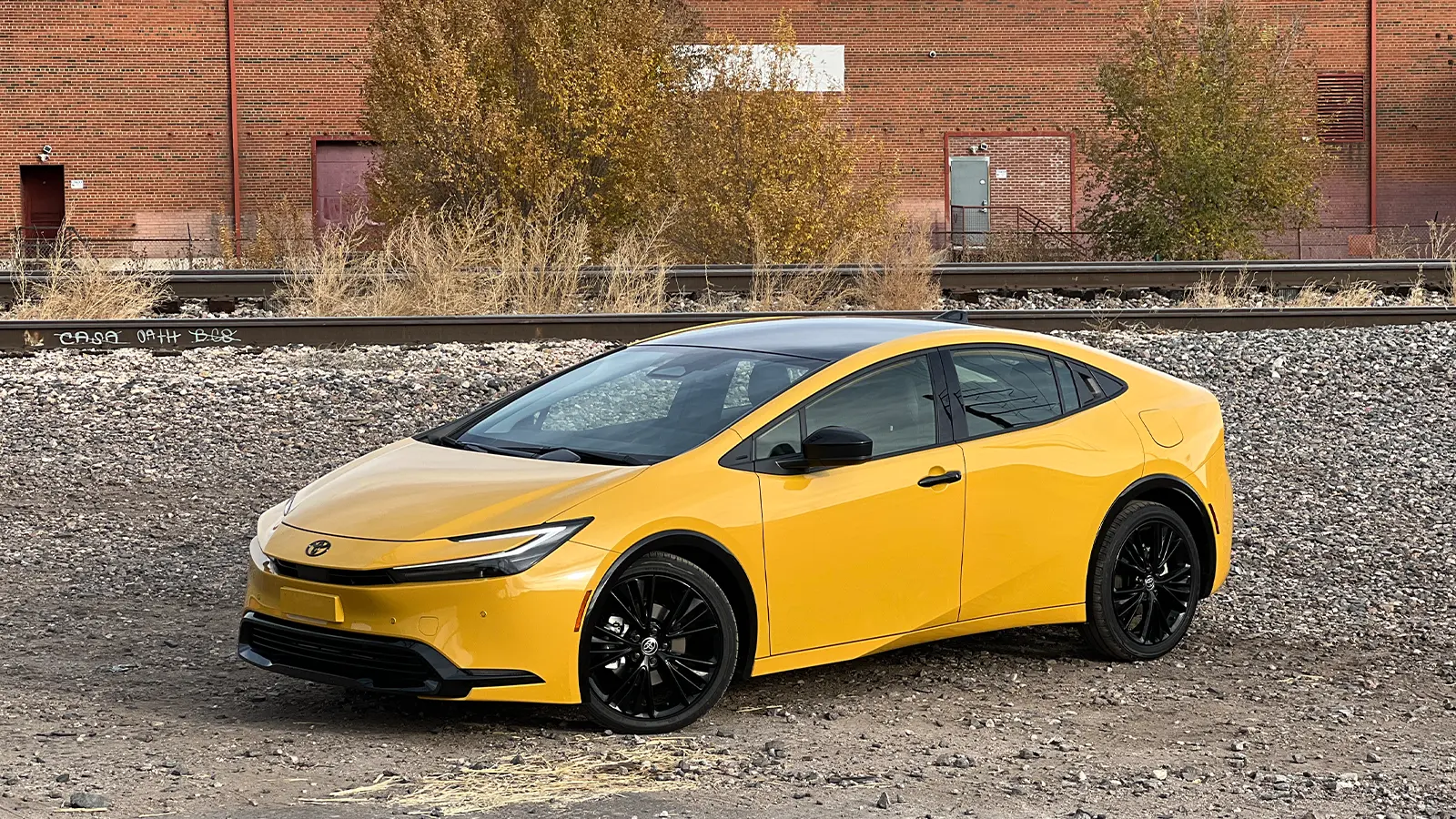
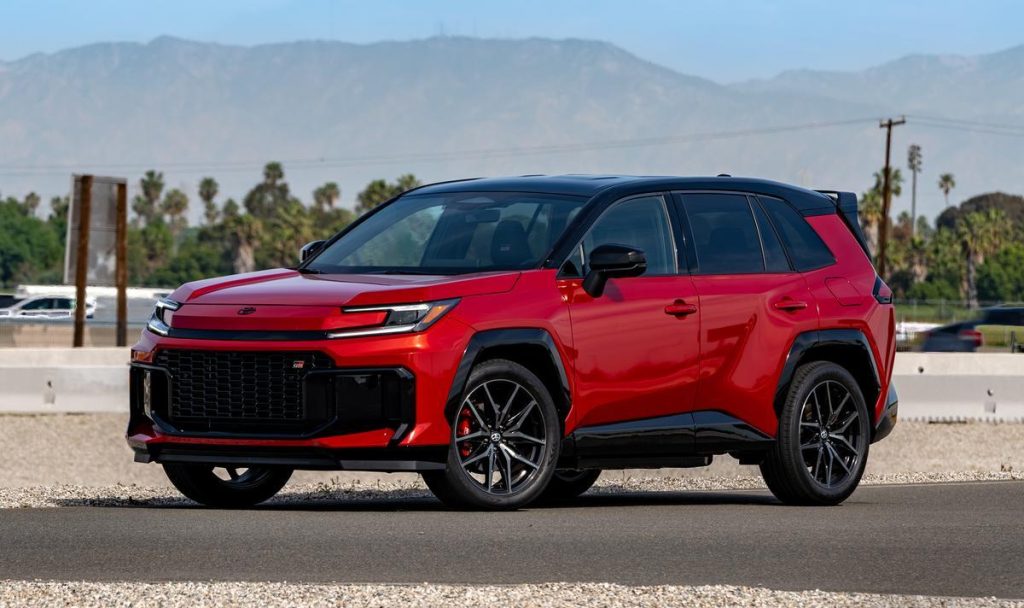
That approach is now paying dividends as hybrid demand continues to rise across models such as the Corolla, Camry, Prius, RAV4, and Grand Highlander. Honda has also expanded production of hybrid versions of the Civic, Accord, and CR-V after reporting stronger-than-expected consumer demand.
Several automakers have gone even further by delaying or canceling electric models planned for the U.S. market. Recent reporting from Business Insider highlighted multiple EV programs that have either been postponed or discontinued in 2026 as manufacturers respond to softer demand and prioritize profitability.
These decisions reflect a broader effort to balance long-term electrification goals with current market realities rather than abandoning EV development altogether.
Analysts at S&P Global Mobility believe hybrids will continue serving as an important bridge technology throughout the remainder of the decade.
Many consumers who are uncertain about fully electric ownership are choosing hybrids today, with the possibility of transitioning to battery-electric vehicles later as charging infrastructure expands and battery prices continue to decline.
EV Growth Is Slowing, Not Ending
Despite the recent slowdown, industry experts stress that electric vehicles remain a critical part of the automotive future.
Automakers continue investing billions of dollars in battery technology, software development, and next-generation manufacturing platforms that promise lower production costs and improved driving range.
The International Energy Agency continues to project long-term global growth in electric vehicle adoption, although the pace will differ by region depending on government policy, charging infrastructure, electricity costs, and consumer demand.
In the United States, analysts expect EV sales to recover gradually as more affordable models enter the market and public charging networks become more widespread.
For now, however, hybrids have become the strongest growth story in American auto sales. They offer buyers lower fuel consumption without requiring major changes to daily driving habits, making them particularly attractive during a period of economic uncertainty and changing government incentives.
The latest sales data underscores an important shift in the industry’s direction. Consumers are no longer choosing vehicles solely based on the newest technology. Instead, they are prioritizing affordability, convenience, and flexibility.
Automakers are responding by expanding hybrid offerings while refining their electric vehicle strategies to focus on models that can generate sustainable demand and stronger financial returns.
Rather than signaling the end of the electric vehicle era, the rise of hybrids illustrates that the transition to cleaner transportation is proving more gradual than many forecasts suggested.
The next several years are likely to feature a balanced mix of gasoline, hybrid, plug-in hybrid, and battery-electric vehicles as manufacturers adapt to evolving consumer preferences.
For the U.S. auto industry, success will increasingly depend not on producing the most electric vehicles but on offering the right mix of technologies that meet customers’ needs in a rapidly changing marketplace.
What This Means for Consumers and the Auto Industry
For consumers, the growing popularity of hybrids means they are likely to see more choices at dealerships over the next few years.
Automakers are increasing production of hybrid versions of popular sedans, SUVs, and pickup trucks to meet demand, while continuing to invest in battery-electric models that can appeal to buyers ready to make the transition.
This broader range of options gives shoppers greater flexibility to choose a vehicle that fits their driving habits, budget, and access to charging infrastructure.
Industry analysts believe pricing will also become a major battleground. As competition intensifies, manufacturers are expected to offer more attractive financing packages, lease incentives, and promotional pricing on both hybrids and EVs.
According to Edmunds, affordability remains one of the most important factors influencing new-car purchasing decisions, particularly as interest rates remain high compared with pre-pandemic levels.
Buyers are paying closer attention not only to monthly payments but also to long-term ownership costs, including fuel, maintenance, insurance, and depreciation.
Another emerging trend is the growing use of flexible manufacturing plants capable of producing gasoline, hybrid, and electric vehicles on the same assembly line.
Ford, General Motors, Hyundai, and several other manufacturers have announced investments in production systems that can quickly adapt to shifts in consumer demand.
Analysts say this flexibility reduces financial risk by allowing automakers to adjust output without committing entire factories to a single powertrain technology.
Looking ahead, the U.S. automotive market is expected to remain highly competitive as manufacturers balance emissions regulations, profitability, and evolving customer preferences.
Hybrids are likely to maintain their strong momentum through the remainder of 2026, while electric vehicles continue to mature through advancements in battery technology, faster charging capabilities, and lower production costs.
Rather than competing against one another, hybrids and EVs are increasingly becoming complementary technologies, each serving different segments of the market.
That balanced approach is shaping the industry’s next chapter and giving consumers more practical pathways toward lower-emission transportation without forcing a one-size-fits-all transition.
Also Read: 10 Beginner Motorcycles That Hold Their Value Best
