
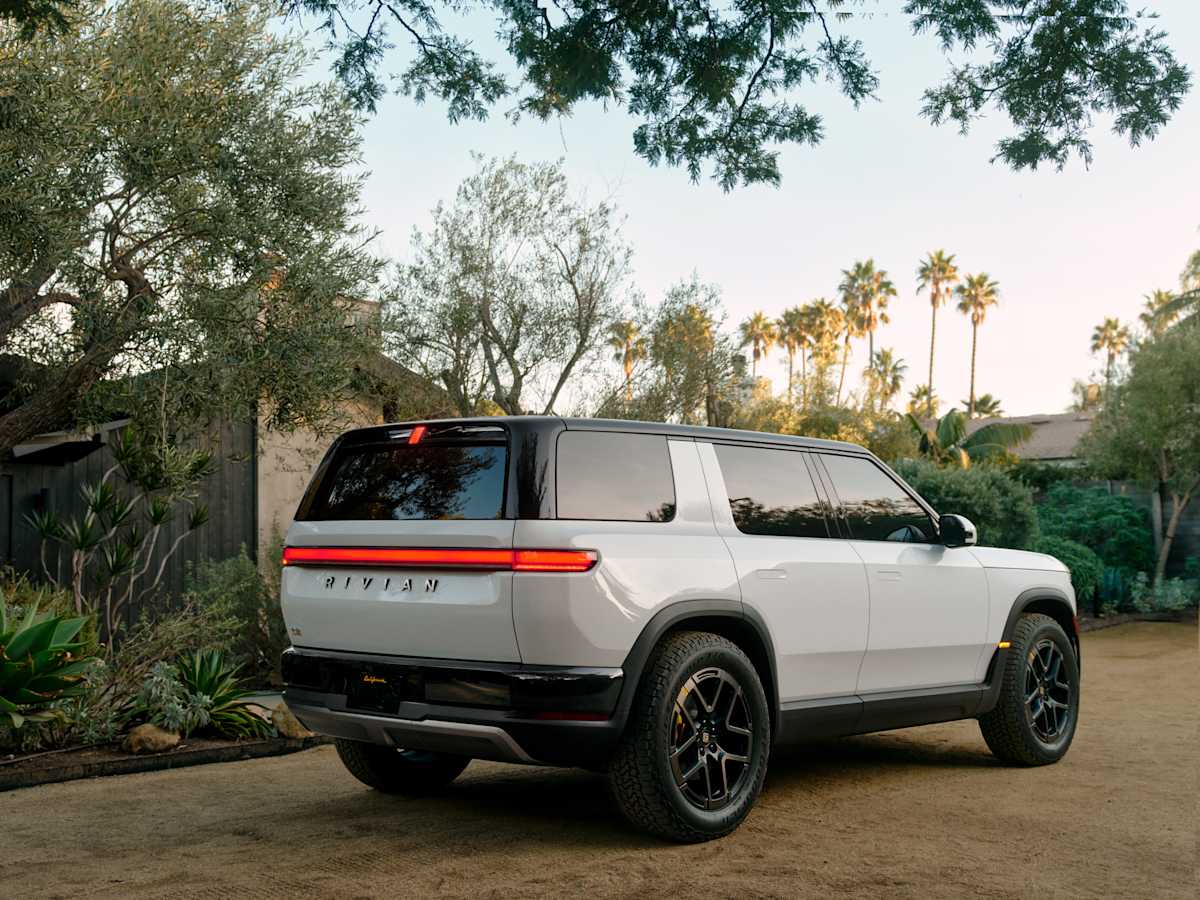
Rivian entered 2026 knowing it would be a defining year for the company. After spending several years establishing itself as a premium electric truck and SUV manufacturer, the California-based automaker has shifted its focus toward reaching a much larger customer base through the launch of the more affordable R2 SUV. Early signs suggest that the strategy is beginning to pay off.
The electric vehicle manufacturer surprised investors by raising its full-year delivery forecast after reporting stronger-than-expected second-quarter results, signaling that demand for its expanding product lineup remains resilient despite a challenging market for battery-electric vehicles.
The upgraded outlook comes at a time when several automakers have been forced to scale back production plans, delay new EV launches, or revise sales expectations following the expiration of federal purchase incentives and slowing industry-wide demand.
According to Reuters, Rivian now expects to deliver 65,000 to 70,000 vehicles during 2026, increasing its previous guidance of 62,000 to 67,000 units.
The revised forecast follows a second quarter in which the company delivered 12,194 vehicles, comfortably exceeding the 10,518 vehicles analysts surveyed by Visible Alpha had expected. Investors welcomed the stronger outlook, sending Rivian shares up by more than 10 percent in early trading.
The improved guidance represents an important milestone for Rivian. Since becoming a publicly traded company, the automaker has faced persistent questions about whether it could successfully transition from producing premium, low-volume vehicles to manufacturing electric SUVs capable of competing in the broader consumer market.
The latest results suggest that the company is beginning to make that transition more effectively than many analysts anticipated.
Also Read: Rivian Bets Its Future on the R2 SUV After Factory Tornado Damage
Strong Quarterly Performance Builds Investor Confidence
The second-quarter delivery figures reflected steady demand across Rivian’s existing portfolio while highlighting the early contribution of the newly introduced R2.
Alongside the 12,194 vehicles delivered, Rivian produced 12,613 vehicles during the quarter, keeping production closely aligned with customer demand and avoiding the inventory build-ups that have affected several competitors.
Analysts viewed this balance as evidence of improving operational discipline, particularly after the company spent the past two years focusing heavily on manufacturing efficiency and cost reductions.
The delivery increase was driven primarily by continued demand for the R1T pickup, the R1S SUV, the company’s commercial electric delivery vans, and the first customer deliveries of the R2.
While Rivian has not disclosed how many R2S have been delivered since production began, executives indicated that initial customer response has exceeded internal expectations.
Wall Street has been particularly encouraged because the results arrived during one of the most difficult periods for the American EV market in recent years. Higher borrowing costs, increased competition, and the expiration of the federal EV tax credit have pressured sales across much of the industry.
Against that backdrop, Rivian’s ability to outperform analyst expectations has strengthened confidence that its product strategy is resonating with buyers.
Why the R2 Has Become Rivian’s Most Important Vehicle
Although Rivian’s premium R1 models established the company’s reputation, executives have made it clear that the future depends on the success of the R2.
The midsize electric SUV has been designed to reach a far broader audience than Rivian’s flagship vehicles. Reuters previously reported that the launch edition starts at $57,990, with additional trims arriving over the next two years, including a model expected to start at approximately $45,000.
That pricing strategy positions the R2 much closer to mainstream electric SUVs while allowing Rivian to compete more directly with Tesla’s best-selling Model Y. Affordability is only one part of the equation.
The R2 introduces a redesigned manufacturing process intended to reduce production costs significantly compared with the larger R1 platform. Rivian has incorporated larger cast components, simplified suspension architecture, and a new drive unit to streamline assembly while improving manufacturing efficiency.
According to Reuters, the company believes these engineering changes will eventually reduce production costs by more than half compared with the R1 family, an improvement considered essential for achieving sustainable profitability.
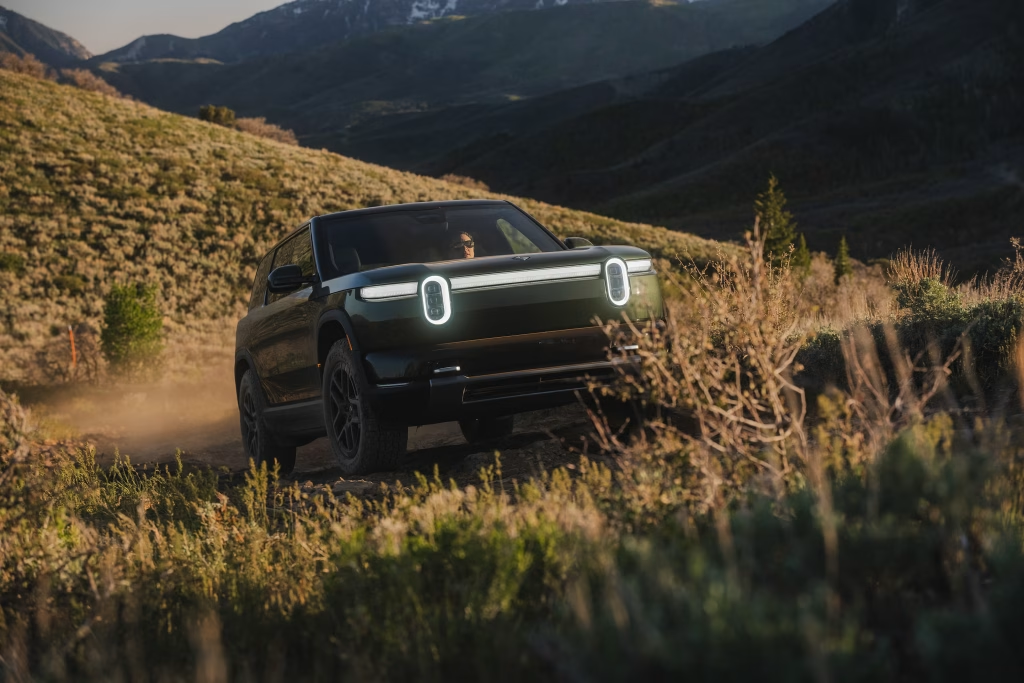
Chief Executive RJ Scaringe has repeatedly described the R2 as the company’s bridge from a niche premium brand to a higher-volume manufacturer. Unlike the adventure-focused R1 lineup, the R2 is aimed at families and mainstream buyers seeking a practical electric SUV with competitive pricing, modern technology, and everyday usability.
Growth Strategy Extends Beyond Retail Customers
The R2 is expected to support more than just consumer sales. Earlier this year, Rivian announced a strategic partnership with Uber under which the ride-hailing company plans to invest up to $1.25 billion in Rivian as part of an agreement to deploy 10,000 autonomous R2 SUVs on its platform beginning in 2028.
Although those vehicles remain several years away from commercial operation, the agreement provides Rivian with an important long-term source of demand while reinforcing confidence in the company’s software and autonomous driving ambitions.
At the same time, Rivian continues to benefit from its technology partnership with Volkswagen, which is focused on jointly developing next-generation software-defined vehicle platforms.
Industry analysts believe that collaboration provides Rivian with additional financial flexibility while creating opportunities to generate revenue beyond traditional vehicle sales.
As the company scales production of the R2, those partnerships could become increasingly valuable in supporting long-term growth and reducing development costs for future products.
A Stronger Outlook, but Challenges Remain
Although Rivian’s improved delivery forecast has strengthened investor confidence, the company still faces significant challenges as it enters the next stage of its growth. Scaling production from a premium, low-volume manufacturer to a mainstream electric vehicle brand is a difficult transition that has challenged many startups.
Rivian must not only sustain demand for the R2 but also manufacture it efficiently while protecting quality and reducing costs.
Competition in the midsize electric SUV segment continues to intensify. Tesla’s Model Y remains the benchmark in the category, while Hyundai, Kia, Chevrolet, Ford, and Honda are all expanding their electric vehicle offerings.
At the same time, established automakers are investing heavily in software, battery technology, and manufacturing improvements, increasing pressure on Rivian to differentiate itself through product quality, technology, and customer experience rather than price alone.
Despite those challenges, analysts believe Rivian enters the second half of 2026 with stronger momentum than many expected at the beginning of the year.
According to Reuters, the company’s updated delivery guidance reflects management’s confidence that production can continue increasing without the major disruptions that affected earlier vehicle launches.
Improvements in manufacturing efficiency, a healthier supply chain, and encouraging early customer feedback for the R2 have all contributed to that optimism.
Investors will now shift their attention to Rivian’s upcoming quarterly earnings report, where they expect further details on production costs, gross margins, cash flow, and reservation trends for the R2.
These financial indicators will provide a clearer picture of whether the company is progressing toward its long-term objective of sustainable profitability.
For Rivian, the higher delivery forecast represents more than a revision to annual guidance. It signals that the company’s strategy of expanding beyond premium adventure vehicles is beginning to gain traction at a time when much of the electric vehicle industry is experiencing slower growth.
If demand for the R2 continues at its current pace and manufacturing targets are achieved, Rivian will be better positioned to strengthen its market presence, improve financial performance, and compete more directly with established manufacturers.
The coming quarters will determine whether the R2 can become the breakthrough product that transforms Rivian from a promising EV startup into a consistently profitable automotive company, but the latest outlook suggests the company is moving in that direction with greater confidence than at any point since its public debut.
Also Read: Rivian Facility Damaged by Storm Amid Production Plans For R2
