
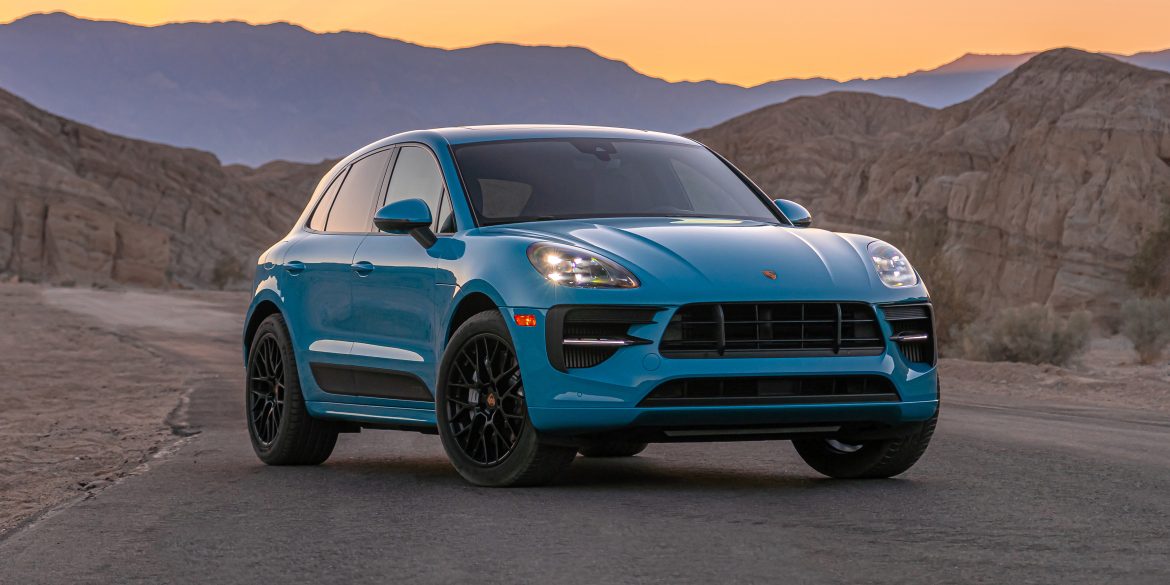
Porsche has officially ended production of the first-generation Macan, closing the chapter on one of the most successful vehicles in the company’s modern history.
The decision marks a significant milestone in Porsche’s long-term electrification strategy as the automaker shifts its focus toward the all-electric Macan and a new generation of battery-powered vehicles.
After more than a decade in production, the gasoline-powered Macan exits the market having transformed Porsche’s global business and helped establish the luxury compact SUV segment as one of the industry’s most profitable categories.
Since its debut in 2014, the Macan has consistently ranked among Porsche’s best-selling models worldwide. Combining sports car-inspired handling with SUV practicality, it attracted buyers who wanted Porsche performance in a more practical everyday package.
The vehicle also introduced thousands of new customers to the brand, many of whom later upgraded to larger SUVs or sports cars within Porsche’s lineup.
According to Porsche, production of the original internal combustion Macan has now concluded as the company accelerates its transition toward electric mobility.
The decision follows the introduction of the all-new Macan Electric, which is built on the Premium Platform Electric (PPE) architecture jointly developed with Audi.
Company executives said ending production of the first-generation model allows Porsche to concentrate manufacturing resources on next-generation electric vehicles while supporting its long-term sustainability goals.
Industry analysts note that the timing reflects broader changes occurring across the luxury automotive market.
Governments in Europe and other regions continue introducing stricter emissions regulations, encouraging manufacturers to expand battery-electric vehicle production while gradually reducing investment in traditional internal combustion platforms.
Also Read: 10 Cars That Outlived the Brand That Built Them
A Model That Reshaped Porsche’s Business
The original Macan played a transformative role in Porsche’s growth over the past decade. Before its introduction, Porsche’s global lineup relied heavily on sports cars and the larger Cayenne SUV.
The Macan expanded the brand into the compact luxury SUV segment, attracting younger buyers and families seeking a premium vehicle with everyday practicality.
The strategy proved highly successful. Throughout much of its production run, the Macan became one of Porsche’s highest-volume models, helping the company achieve record global sales while increasing profitability.
Its combination of responsive handling, premium interior quality, and powerful turbocharged engines distinguished it from many rivals in the luxury compact SUV market.
Industry experts often credit the Macan with strengthening Porsche’s financial position during a period when demand for premium SUVs continued growing worldwide.
Revenue generated by the Macan also supported investment in future technologies, motorsport programs, and the development of new electric vehicles.
Electric Successor Takes Center Stage
With production of the original model ending, Porsche is now concentrating on the fully electric Macan as the future of its compact luxury SUV lineup.
The new Macan Electric introduces significant technological advancements, including an 800-volt electrical architecture, ultra-fast DC charging capability, advanced battery technology, and substantially improved digital connectivity.
Built on the Premium Platform Electric, the vehicle has been engineered specifically as an EV rather than adapting an existing gasoline platform.
Porsche says the electric Macan maintains the driving characteristics that defined its predecessor while delivering the instant torque, quiet operation, and efficiency expected from a modern luxury electric vehicle.
Engineers have placed particular emphasis on preserving Porsche’s reputation for precise handling, ensuring the transition to electric power does not compromise the brand’s performance identity.
Industry analysts believe the Macan Electric will become one of Porsche’s most important products over the coming decade, particularly as luxury buyers increasingly consider battery-powered alternatives.
Strong demand for premium electric SUVs has encouraged nearly every luxury manufacturer to expand investment in the segment, making competition more intense than ever.
Balancing Heritage With Innovation
Ending production of a highly successful model is never a simple decision, particularly for a brand with Porsche’s history and loyal customer base.
Many enthusiasts continue appreciating the character of the gasoline-powered Macan, especially its turbocharged engines, engaging driving dynamics, and familiar internal combustion experience.
However, company executives have repeatedly emphasized that long-term competitiveness requires substantial investment in electrification while continuing to meet evolving emissions standards across global markets.
Rather than viewing the Macan Electric as a replacement alone, Porsche describes it as the next stage in the model’s evolution.
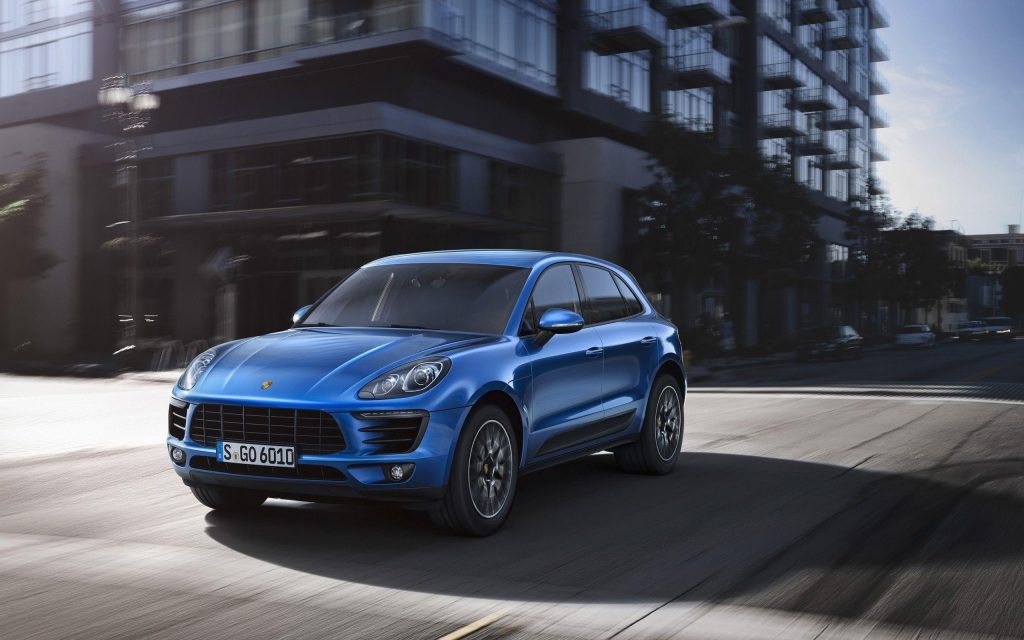
The company believes advances in battery technology, charging performance, and vehicle software will allow future electric models to preserve Porsche’s performance heritage while meeting changing customer expectations and regulatory requirements.
The End of an Era and the Beginning of a New Chapter
The conclusion of first-generation Macan production represents one of Porsche’s most significant product transitions in recent years. During its decade-long production run, the compact luxury SUV became much more than another model in the company’s lineup.
It expanded Porsche’s customer base, generated substantial global sales, and demonstrated that a practical SUV could still deliver the driving experience expected from one of the world’s most respected performance brands.
Industry analysts believe the Macan’s success provided Porsche with the financial strength to accelerate investment in electrification.
Revenue generated by the Macan and Cayenne helped fund the development of advanced battery technology, dedicated electric platforms, software systems, and new manufacturing facilities capable of supporting the company’s long-term transition toward zero-emission vehicles.
In many ways, the original Macan helped finance the future generation of Porsche products that are now beginning to reach customers.
The shift also reflects broader changes taking place across the luxury automotive market. Premium manufacturers are no longer treating electric vehicles as niche products but as central components of their future business strategies.
Porsche has repeatedly stated that customer demand for high-performance electric vehicles continues to grow, particularly in markets where charging infrastructure has expanded rapidly and environmental regulations are becoming more stringent.
At the same time, Porsche is taking a measured approach to electrification. While the Macan is transitioning to an all-electric platform, the company has confirmed that other model lines will continue offering internal combustion and hybrid powertrains where market demand and regulations allow.
This flexible strategy enables Porsche to adapt to regional customer preferences while gradually increasing the proportion of electric vehicles within its global portfolio.
Looking ahead, the Macan Electric will play a critical role in determining the success of Porsche’s long-term electrification plans.
The model enters one of the most competitive luxury SUV segments, where it faces rivals from Tesla, BMW, Mercedes-Benz, Audi, Cadillac, Genesis, Lucid, and Polestar.
To maintain the reputation established by the original Macan, Porsche must demonstrate that electric technology can deliver the same precision, driving engagement, and premium ownership experience that customers have come to expect from the brand.
For enthusiasts, the end of the gasoline-powered Macan marks the conclusion of a defining chapter in Porsche’s history.
For the company, however, it represents the beginning of a new era built around advanced electric technology, next-generation vehicle platforms, and sustainable performance.
If the Macan Electric proves as influential as its predecessor, Porsche will have successfully transformed one of its most important products while preserving the engineering excellence and driving character that have defined the brand for decades.
The retirement of the original Macan, therefore, symbolizes not only the end of a successful model but also Porsche’s confidence that its future will be driven increasingly by electric innovation without losing the performance heritage that made the Macan such a global success.
Also Read: 8 States Where It’s Cheapest to Own a Car in 2026
