
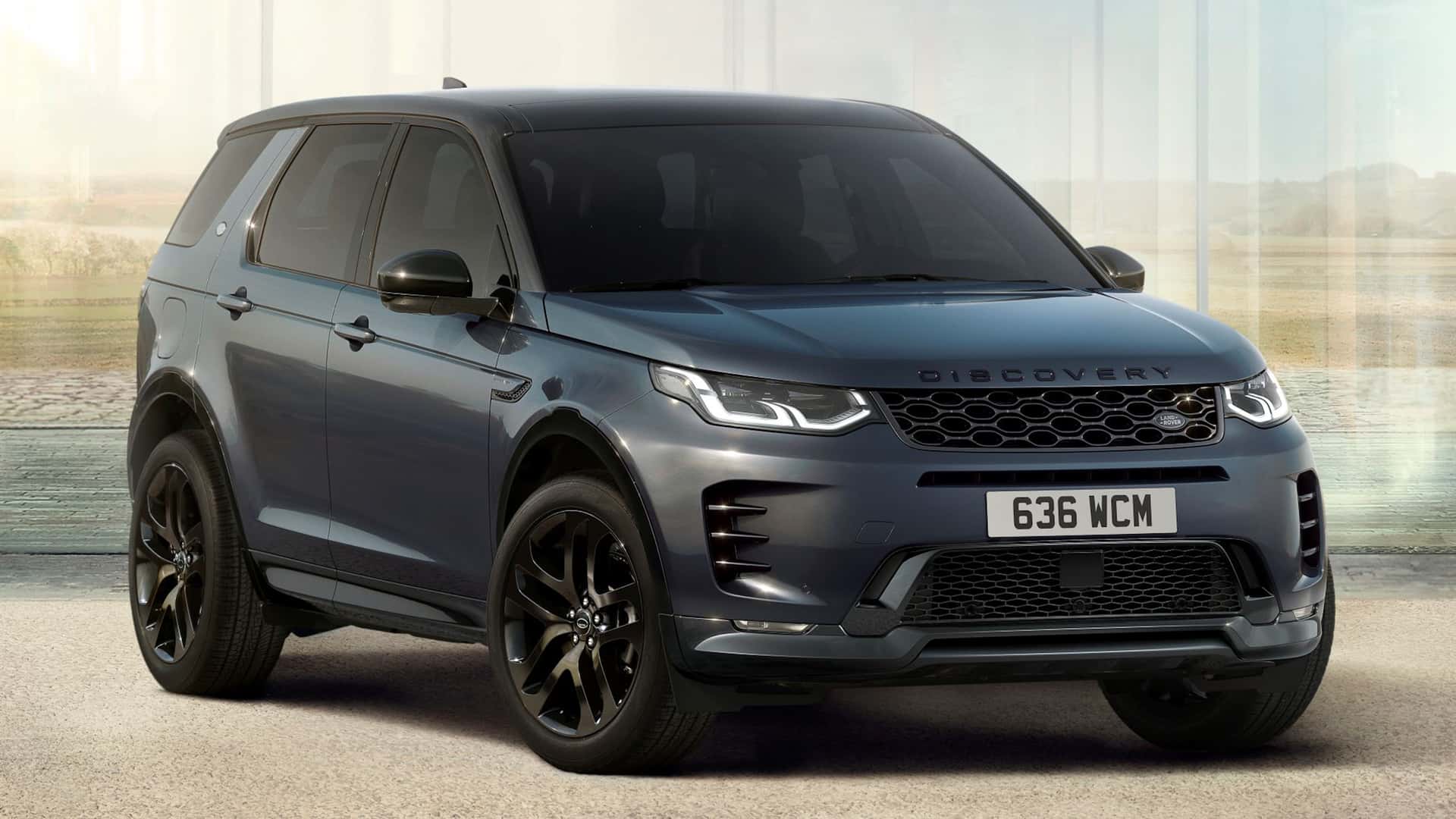
Jaguar Land Rover has confirmed that production of the Land Rover Discovery Sport will come to an end later this year, closing the chapter on one of the brand’s longest-running and most successful compact luxury SUVs.
Reported by Motor1 and Autocar on July 27, 2026, the decision is part of Jaguar Land Rover’s broader transformation strategy as the company prepares for an increasingly electrified future and reshapes its global product lineup.
Introduced in 2014 as the successor to the Freelander, the Discovery Sport quickly became an important model for Land Rover. It combined the brand’s renowned off-road capability with everyday practicality, premium features, and optional seven-seat versatility, making it attractive to families as well as adventure-oriented buyers.
During more than a decade on the market, the SUV established itself as one of Land Rover’s highest-volume vehicles and played a significant role in expanding the Discovery family.
Its retirement reflects not only changing consumer expectations but also the industry’s accelerating transition toward electric mobility.
As Jaguar Land Rover invests heavily in next-generation EV platforms and electrified luxury SUVs, older gasoline-powered models are gradually making way for vehicles designed around modern technology and stricter emissions standards.
The end of Discovery Sport production therefore represents both the conclusion of a successful product and the beginning of a new era for one of Britain’s most recognizable automotive brands.
Also Read: 10 Discontinued Engines Still In Great Demand
A Successor to the Freelander
The Discovery Sport entered production in 2014 to replace the Land Rover Freelander, a model that had helped establish the company in the compact SUV segment.
Rather than simply updating its predecessor, Land Rover introduced an entirely new vehicle with more premium styling, improved technology, enhanced off-road capability, and greater family practicality.
One of its most distinctive features was the availability of an optional third row of seats, allowing the Discovery Sport to accommodate up to seven passengers despite its relatively compact footprint.
This versatility helped differentiate it from many competitors while reinforcing Land Rover’s reputation for combining luxury with real-world usability.
Remaining in production for over ten years is increasingly uncommon in today’s rapidly evolving automotive industry.
Throughout its lifecycle, the Discovery Sport received numerous updates that helped maintain its competitiveness.
These improvements included revised exterior styling, upgraded infotainment systems, improved safety technologies, new powertrains, and electrified mild-hybrid and plug-in hybrid options in selected markets.
Despite these updates, the vehicle retained its original platform and full design philosophy, demonstrating the durability of its engineering and the continued popularity of its formula.
Its longevity reflects both strong customer demand and Land Rover’s confidence in the model’s position within the premium SUV market.
Why Jaguar Land Rover Is Ending Production
According to Motor1 and Autocar, the decision to discontinue the Discovery Sport forms part of Jaguar Land Rover’s long-term product transformation strategy.
The company is investing billions of dollars in electrification, software-defined vehicles, advanced manufacturing technologies, and dedicated EV architectures.
Maintaining older gasoline-powered models alongside entirely new electric platforms has become increasingly expensive.
Rather than continuing to update long-running vehicles, Jaguar Land Rover is choosing to redirect engineering resources toward next-generation products designed specifically for future market demands.
This strategy aligns with broader industry trends as manufacturers prepare for increasingly stringent global emissions regulations.
Jaguar Land Rover has made electrification one of its highest corporate priorities. Future Land Rover and Range Rover products are expected to feature significantly greater levels of hybrid and fully electric technology across multiple vehicle segments.
Dedicated electric platforms will provide greater flexibility for battery packaging, software integration, charging capability, and driving efficiency compared with modified gasoline architectures.
Ending production of the Discovery Sport allows Jaguar Land Rover to accelerate this transition while simplifying its global manufacturing operations.
The company has repeatedly emphasized that future product development will focus on premium electrified vehicles capable of meeting changing customer expectations worldwide.
Discovery Sport’s Legacy
The Discovery Sport played an important role in broadening Land Rover’s customer base. Its combination of luxury, practicality, and genuine off-road capability appealed to buyers who wanted a versatile family SUV without moving into the larger and more expensive Discovery or Range Rover models.
The vehicle also introduced many first-time customers to the Land Rover brand. Strong global sales helped support Jaguar Land Rover’s expansion during an important period of growth while strengthening the Discovery nameplate internationally.
Its contribution extends beyond sales figures, as it helped redefine expectations for compact premium SUVs capable of handling both urban commuting and off-road adventures.
What Could Replace It?
Jaguar Land Rover has not announced a direct successor to the Discovery Sport. However, industry analysts expect future compact luxury SUVs from the company to rely heavily on electrified powertrains and dedicated EV platforms.
Rather than introducing another traditional gasoline-powered replacement, Land Rover may choose to develop an entirely new vehicle designed specifically around electric architecture.
Such a model could offer improved interior space, enhanced software capabilities, longer driving range, and more advanced driver assistance technologies.
The company has indicated that future product planning will emphasize modern premium experiences alongside sustainable mobility solutions.
The retirement of the Discovery Sport also reflects changing trends throughout the luxury SUV segment.
Buyers increasingly expect advanced connectivity, seamless software integration, efficient electrified powertrains, and over-the-air updates in addition to traditional comfort and capability.
Manufacturers must therefore invest heavily in digital technology while continuing to improve safety, efficiency, and refinement.
Developing these innovations requires enormous financial resources, making it increasingly difficult to justify maintaining aging vehicle platforms.
Jaguar Land Rover’s decision illustrates how legacy models are gradually giving way to vehicles built specifically for the next generation of automotive technology.
What Owners Should Know
Although production is ending, existing Discovery Sport owners will continue receiving manufacturer support.
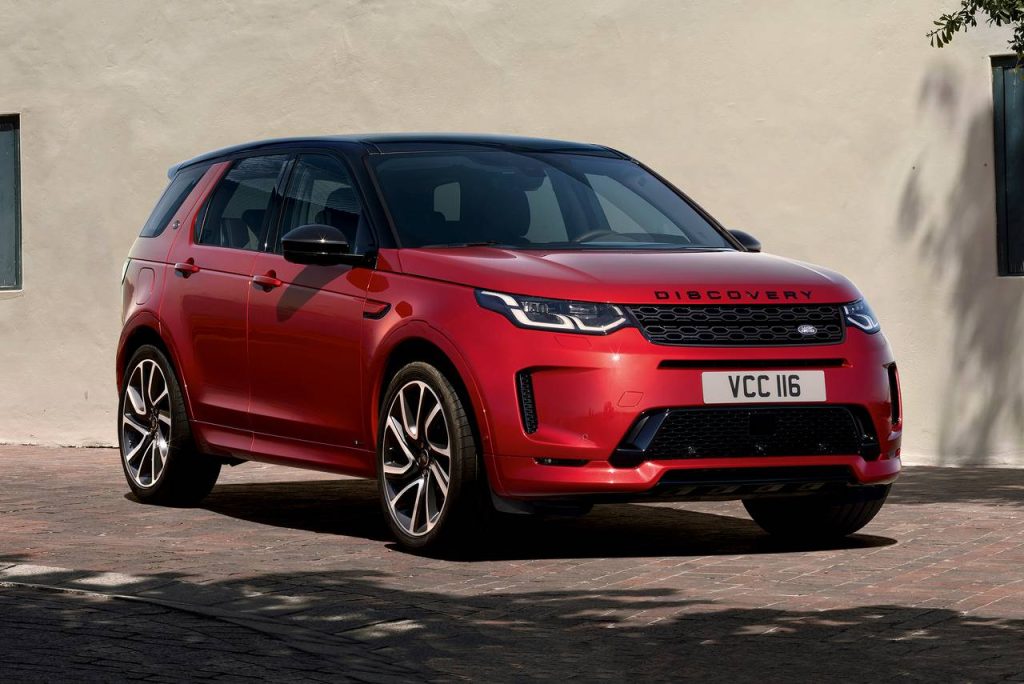
Replacement parts, warranty service, maintenance programs, and dealership servicing are expected to remain available through Jaguar Land Rover’s established after-sales network.
Owners should not expect immediate changes to vehicle support simply because production has concluded.
The Discovery Sport will continue serving thousands of customers worldwide for many years, and the company’s service infrastructure will remain responsible for maintaining those vehicles throughout their ownership lifecycle.
The end of Discovery Sport production marks the conclusion of a significant chapter in Land Rover’s modern history. According to Motor1 and Autocar, Jaguar Land Rover is retiring one of its longest-running SUVs as it accelerates its transition toward an electrified future and prepares an entirely new generation of premium vehicles.
For more than a decade, the Discovery Sport successfully combined everyday practicality, genuine off-road capability, premium comfort, and optional seven-seat versatility, earning a loyal customer base across global markets.
Its ability to balance family usability with Land Rover’s traditional adventure-focused character made it one of the brand’s defining models during an important period of growth.
While the Discovery Sport is leaving production, its influence on the company’s evolution will continue.
The knowledge gained from its success will help shape Jaguar Land Rover’s future electric SUVs, ensuring that the qualities that made the model popular, including versatility, refinement, and capability, remain central to the brand as it enters a new era of electrified mobility.
