
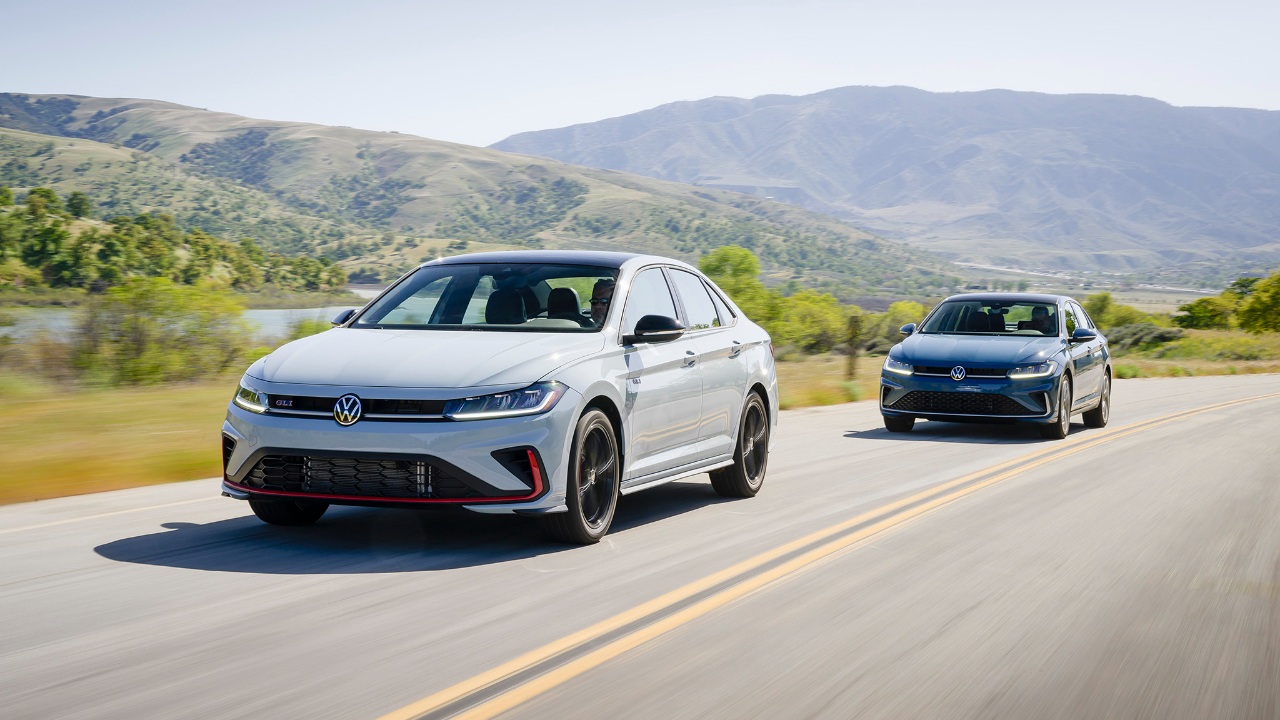
Volkswagen is reportedly planning a pickup truck for the U.S. market, with its Chattanooga, Tennessee plant emerging as the likely production site, a move that would give the German automaker a second American truck program alongside the one it is already building in South Carolina.
German business daily Handelsblatt first reported the plans in early August. Reuters followed on August 7, citing a company source who said Volkswagen intends to bring its first pickup to market before the end of the decade and to build it in the United States. Volkswagen declined to comment.
The truck is one piece of a broader overhaul of Volkswagen’s American business. According to Reuters, Marco Schubert, previously head of sales at Audi, is moving to the U.S. to replace Volkswagen of America CEO Kjell Gruner, who is leaving the company. Volkswagen brand chief Thomas Schaefer has pointed to pickups and large SUVs as the growth opportunities in the U.S., and reporting suggests a larger SUV positioned above the Atlas is under consideration alongside the truck.
What has not happened is an announcement. Volkswagen has not confirmed the program, a production location, specifications, powertrains, pricing, or a launch date, and the reporting rests on unnamed sources.
Volkswagen Group Already Has an American Pickup Coming
Any discussion of a Volkswagen pickup has to start with Scout. Scout Motors is a Volkswagen Group–backed venture formed in 2022 to revive the International Harvester Scout name. It is building a roughly $2 billion plant in Blythewood, South Carolina, where it plans to produce the Terra, a full-size body-on-frame pickup, and the Traveler, a full-size SUV. Production is targeted for 2027, though some analysts expect first customer deliveries closer to 2028. At peak capacity the plant is designed for about 200,000 vehicles a year.
Both Scout models are planned with a choice of battery-electric power or an extended-range “Harvester” setup that uses a gasoline engine as a generator. Scout has quoted a Terra entry price around $51,500 with incentives, with retail pricing starting under $60,000.
Scout operates independently, with its own CEO, headquarters, and direct-sales model, and it is not sold through Volkswagen dealers. But the capital and much of the engineering support come from Volkswagen Group.
That context changes the question. This is not Volkswagen discovering the American pickup market for the first time. It is Volkswagen considering a second truck program, sold through its own dealer network, while a Group-funded full-size truck is already under construction roughly 350 miles away.
It also narrows where a Chattanooga truck would plausibly sit. With Scout occupying the full-size, off-road-oriented end, a Volkswagen-badged pickup would more likely land in the midsize or compact space, against the Toyota Tacoma and Ford Ranger, or the Ford Maverick and Hyundai Santa Cruz. None of the current reporting specifies a size, so this remains inference rather than fact.
Why Volkswagen Wants a Pickup in the U.S.
The commercial logic is straightforward. Reuters reported that pickups accounted for nearly 20% of U.S. vehicle sales last year, with full-size trucks from Ford, General Motors, and Stellantis commanding high transaction prices. Ford and GM both raised their 2026 profit outlooks on the strength of combustion trucks and SUVs.
Volkswagen has almost no exposure to that revenue. It holds roughly 4% of the U.S. market and sold 329,813 vehicles here in 2025, down about 13% year over year. For a company under pressure from tariffs and Chinese competition in Europe, a high-margin segment it has never entered is an obvious place to look.
Volkswagen also has pickup engineering experience, just not in America. The current Amarok, built in South Africa and not sold in the U.S., was developed with Ford and shares its platform with the Ford Ranger.
The company has floated an American truck before, too. The Atlas Tanoak concept, shown at the 2018 New York auto show, was a unibody pickup built on the Atlas architecture. It never reached production.
Why Chattanooga Makes Sense
Chattanooga is Volkswagen’s only U.S. assembly plant, which makes it the default answer by process of elimination.

The more specific reason is capacity. The plant builds the Atlas and Atlas Cross Sport, and until this year it also built the electric ID.4. Volkswagen halted ID.4 production in Chattanooga in April after federal EV tax credits expired and demand fell, which left the facility with spare line capacity and a workforce already in place. A pickup program is one of the few things that could absorb it.
Building domestically also avoids the 25% U.S. tariff on imported light trucks, the “chicken tax,” in place since 1964, which has kept foreign-built pickups out of the market for six decades. That is on top of the more recent tariffs that have already cut into Volkswagen’s U.S. profitability, making local assembly less a preference than a requirement.
None of that makes Chattanooga official. Reuters described it as the expected location while noting that details remain undecided, and the final call would depend on the truck’s size, platform, powertrain, projected volume, and the cost of retooling the plant.
The Biggest Question Is Still Unanswered
Volkswagen has not decided whether to develop the truck itself or with a partner. Reuters reported that a decision is expected within the coming weeks and months, and that Ford is considered the leading candidate.
The two companies already have a working relationship in both directions. Ford uses Volkswagen’s MEB platform for the electric Explorer and Capri built in Cologne, and the Amarok rides on Ranger architecture. A Ranger-based Volkswagen pickup assembled in Tennessee is not a difficult thing to imagine, and it would cut years off the development timeline.
That decision matters more than the Chattanooga question. Going it alone means a new platform, a longer runway, and heavier capital spending at a moment when Volkswagen is trying to cut costs and reduce its model count. Partnering with Ford means a faster, cheaper truck that is harder to differentiate.
Powertrain is equally open. Volkswagen has not indicated whether the truck would be gasoline, hybrid, electric, or offered with several options, and given how sharply the U.S. EV incentive landscape shifted this year, that choice will shape the program as much as anything else.
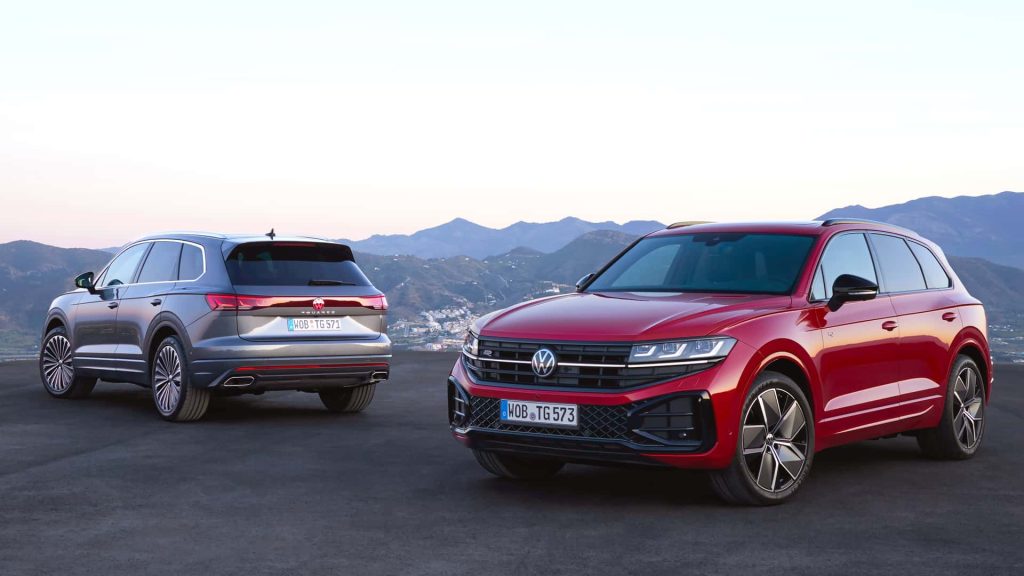
For now, what the reporting supports is narrow: Volkswagen is planning a U.S. pickup for sometime before 2030, Chattanooga is the expected build site, and the development approach is undecided. Volkswagen has confirmed none of it.
If the program goes ahead, the more interesting story will not be that Volkswagen built a truck. It will be that Volkswagen Group decided the American pickup market was worth entering twice.
