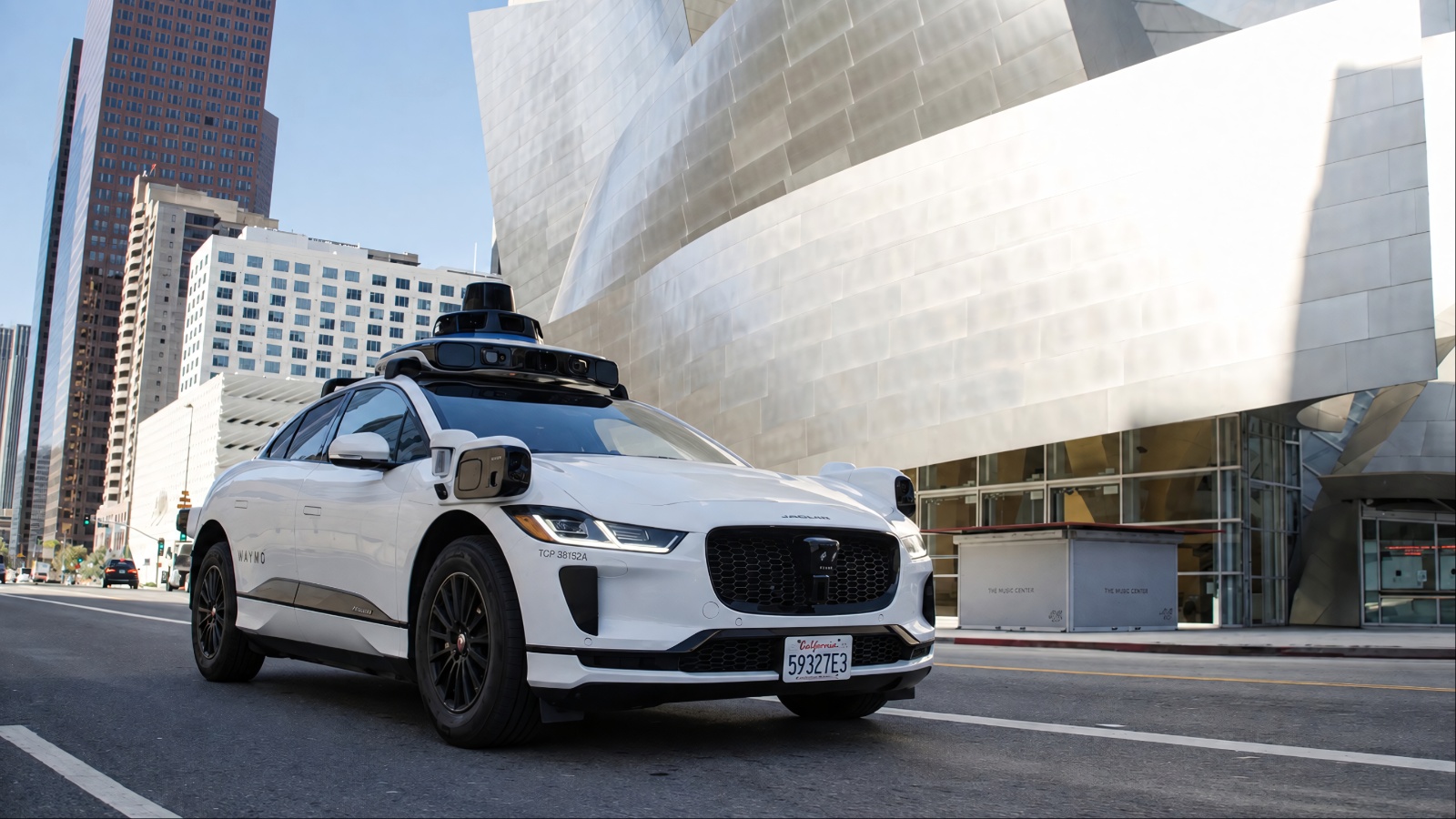
Waymo has received approval to significantly expand its driverless ride-hailing operations across California, opening the door for its robotaxi service to reach Sacramento and San Diego while also allowing the company to broaden its existing operations around Los Angeles and the San Francisco Bay Area.
The California Public Utilities Commission approved the expansion on August 13, giving Waymo its largest regulatory expansion in the state so far.
According to ABC7, the decision allows the Alphabet-owned company to expand its autonomous passenger service across 18 California counties, including the two major markets where Waymo has not previously offered commercial robotaxi rides.
The approval is an important step for Waymo because California remains one of the most closely watched autonomous-driving markets in the United States.
The company has spent years building its driverless technology in the state, and the new authorization gives it substantially more room to turn that technology into a larger transportation business.
However, approval does not mean Waymo will immediately fill every newly authorized area with robotaxis. The company has said its rollout will be gradual and guided by its safety framework.
California Gives Waymo Its Broadest Expansion Yet
The new authorization covers much more than Sacramento and San Diego. It allows Waymo to expand its existing service area around the San Francisco Bay Area and Los Angeles while adding communities in several additional counties.
The Los Angeles Times reported that the approval covers 18 counties and could more than triple Waymo’s service area in the regions surrounding Los Angeles and San Francisco.
Sacramento and San Diego are particularly significant because they represent entirely new passenger-service markets for the company rather than simple extensions of existing operating zones.
California’s regulatory system separates autonomous vehicle testing and commercial passenger deployment, meaning a company needs appropriate authorization before it can charge passengers for driverless rides.
The California Public Utilities Commission says its autonomous vehicle programs cover both drivered and driverless passenger services, while the Department of Motor Vehicles regulates the underlying autonomous vehicle deployment permits.
Waymo had already received an important regulatory expansion from the California DMV in November 2025.
The DMV’s approved operational design domain was expanded into additional portions of Northern and Southern California, including Sacramento County and San Diego County. The approved geography includes cities such as Sacramento, Chula Vista, and San Diego.
That distinction is important because the CPUC decision effectively allows Waymo to turn that geographic capability into a broader paid passenger service.
The company’s approved operating domain is also considerably broader than a simple daytime urban demonstration. The California DMV lists Waymo’s authorized conditions as covering all times of day and night and various weather conditions, including rain and fog.
The system remains restricted to the specific operational design domain approved by regulators, meaning Waymo’s vehicles cannot simply operate anywhere in California.
Waymo has emphasized that the rollout will happen progressively. That approach is significant because adding a city to an autonomous driving map is not the same as immediately providing widespread coverage.
The company needs to validate routes, map operating areas, establish pickup and drop-off locations, work with local authorities, and ensure that its autonomous driving system performs reliably under the conditions it encounters.
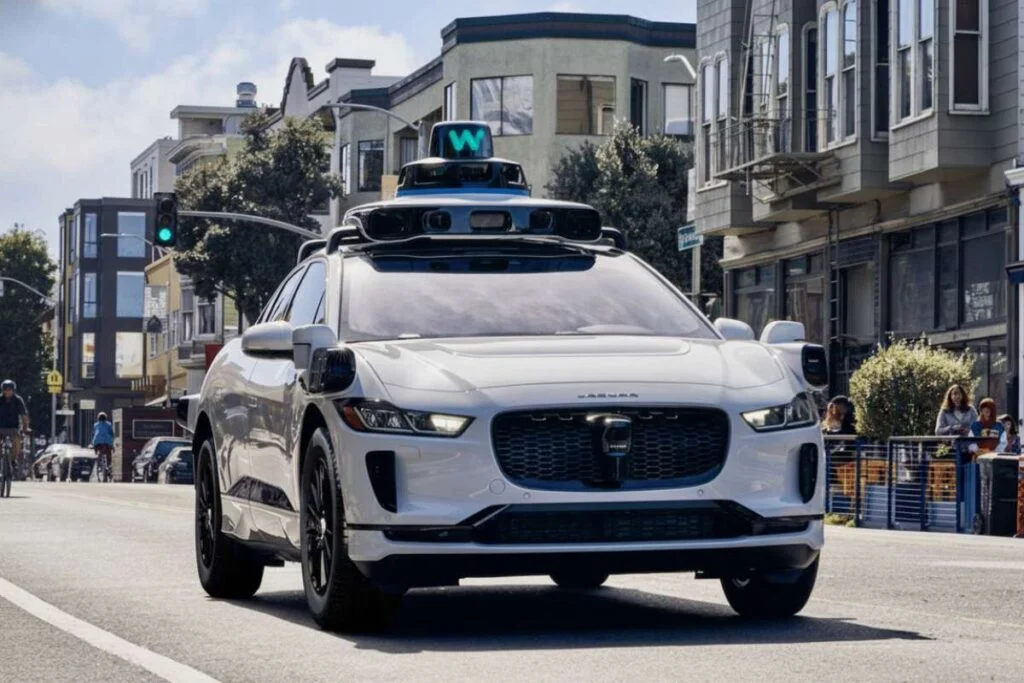
Sacramento is especially interesting because Waymo’s expanded authorization already covers a substantial portion of the surrounding area. The approved geography includes Sacramento as well as nearby cities such as Elk Grove, Folsom, and Rancho Cordova.
San Diego has an even broader list of approved communities, stretching from Carlsbad and Oceanside to Chula Vista, Escondido, and San Diego itself.
This gives Waymo considerable room to build a regional network instead of limiting the service to a small downtown operating zone.
Waymo Is Scaling as Robotaxi Competition Intensifies
The California approval comes as Waymo is rapidly increasing the scale of its robotaxi business across the United States.
Waymo said earlier this year that it had reached 500,000 paid autonomous rides per week across its U.S. operations.
TechCrunch reported in March that the company had increased its weekly paid rides tenfold from approximately 50,000 in May 2024 to 500,000 less than two years later. The company had also expanded from its original markets of Phoenix, San Francisco, and Los Angeles into several additional U.S. cities.
Waymo’s own current figures show the scale of the operation. The company says it is now providing more than 500,000 fully autonomous EV trips per week. That gives the company a substantial operational base as it enters additional California markets.
The significance of the California expansion therefore goes beyond two new cities. It allows Waymo to increase utilization of its autonomous driving system in one of the country’s largest and most technologically important states.
The company’s approach also differs from some of its competitors. Rather than introducing driverless rides nationwide at once, Waymo has generally expanded city by city after building a defined operating domain and working through local and state regulatory requirements.
That strategy could become increasingly important as competition grows. Tesla is pursuing its own robotaxi strategy, while Zoox is developing a purpose-built autonomous vehicle, and other companies are working with established ride-hailing platforms.
Uber, for example, has increasingly positioned itself as a platform that can connect passengers with autonomous vehicle operators rather than developing a complete robotaxi system itself.
Waymo’s advantage is that it already has a substantial commercial operation. The company has accumulated real-world experience with paying passengers, vehicle routing, remote assistance, and autonomous driving in different environments.
Its expansion into Sacramento and San Diego will add two more large California markets where the system can be tested under different traffic patterns and road conditions.
There are still significant challenges. Autonomous vehicles remain subject to intense scrutiny whenever they are involved in collisions or unusual road incidents.
Waymo has previously faced recalls and operational pauses involving its autonomous fleet, demonstrating that scaling a driverless transportation network requires continuous software development and safety monitoring.
California’s regulatory structure reflects that concern. The DMV requires autonomous vehicle manufacturers seeking deployment authorization to identify their operational design domain, demonstrate that their systems can respond to roadway situations in compliance with the California Vehicle Code, and provide evidence of testing and validation.
Deployment also involves requirements covering insurance and interaction with law enforcement and emergency responders.
Waymo’s own regulatory filings also describe restrictions designed to keep its vehicles within approved operating conditions. Its system is designed so riders cannot select destinations outside the approved geography, while the vehicle can respond to changes in conditions such as heavy rain or fog by adjusting its behavior or coming to a safe stop.
What the Expansion Means for the U.S. Robotaxi Market
The move into Sacramento and San Diego allows Waymo to demonstrate whether its robotaxi model can expand beyond the handful of cities where autonomous ride-hailing first became established.
San Diego is particularly valuable because of its size, tourism industry, and complex mixture of urban, suburban, and highway environments. Sacramento presents a different challenge, with a capital-city environment surrounded by suburban communities and a broader regional road network.
Successfully operating in both markets could strengthen Waymo’s case for future expansions elsewhere in the United States.
The economics are just as important as the technology. A robotaxi company ultimately needs to carry enough passengers to justify the cost of autonomous hardware, electric vehicles, maintenance, charging infrastructure, fleet operations, and remote support.
Larger service areas can increase the number of potential passengers, but they also make fleet management more complicated.
Waymo’s current scale suggests that it is moving beyond the experimental stage. The company says its service is already providing hundreds of thousands of autonomous rides every week, while its expansion strategy continues to add new cities.
The California decision could therefore become one of the most important milestones in the company’s attempt to turn robotaxis into a mainstream transportation service.
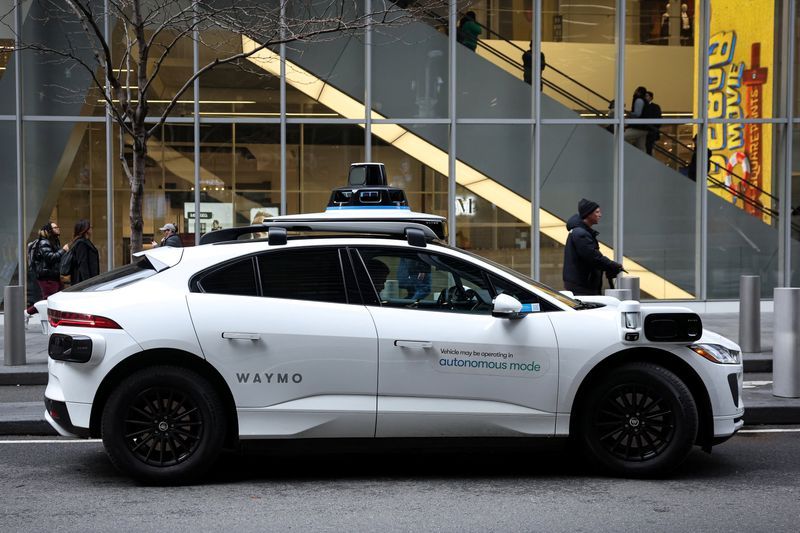
For Sacramento and San Diego residents, the change will not necessarily mean that driverless cars suddenly appear throughout the cities overnight. Waymo has indicated that deployment will be gradual, and the company will determine where and when service becomes available within the newly approved areas.
For the broader U.S. automotive and transportation industries, however, the significance is immediate. California has given one of the country’s leading autonomous driving companies permission to substantially widen its commercial footprint.
If Waymo can successfully translate its experience in San Francisco and Los Angeles into reliable operations across Sacramento, San Diego, and the newly authorized communities, the expansion could provide a blueprint for the next stage of the U.S. robotaxi industry.
The competition is no longer centered solely on proving that autonomous vehicles can drive without a human behind the wheel. The next challenge is proving that they can operate at scale, serve large numbers of paying customers, and become a practical alternative to conventional ride-hailing.