
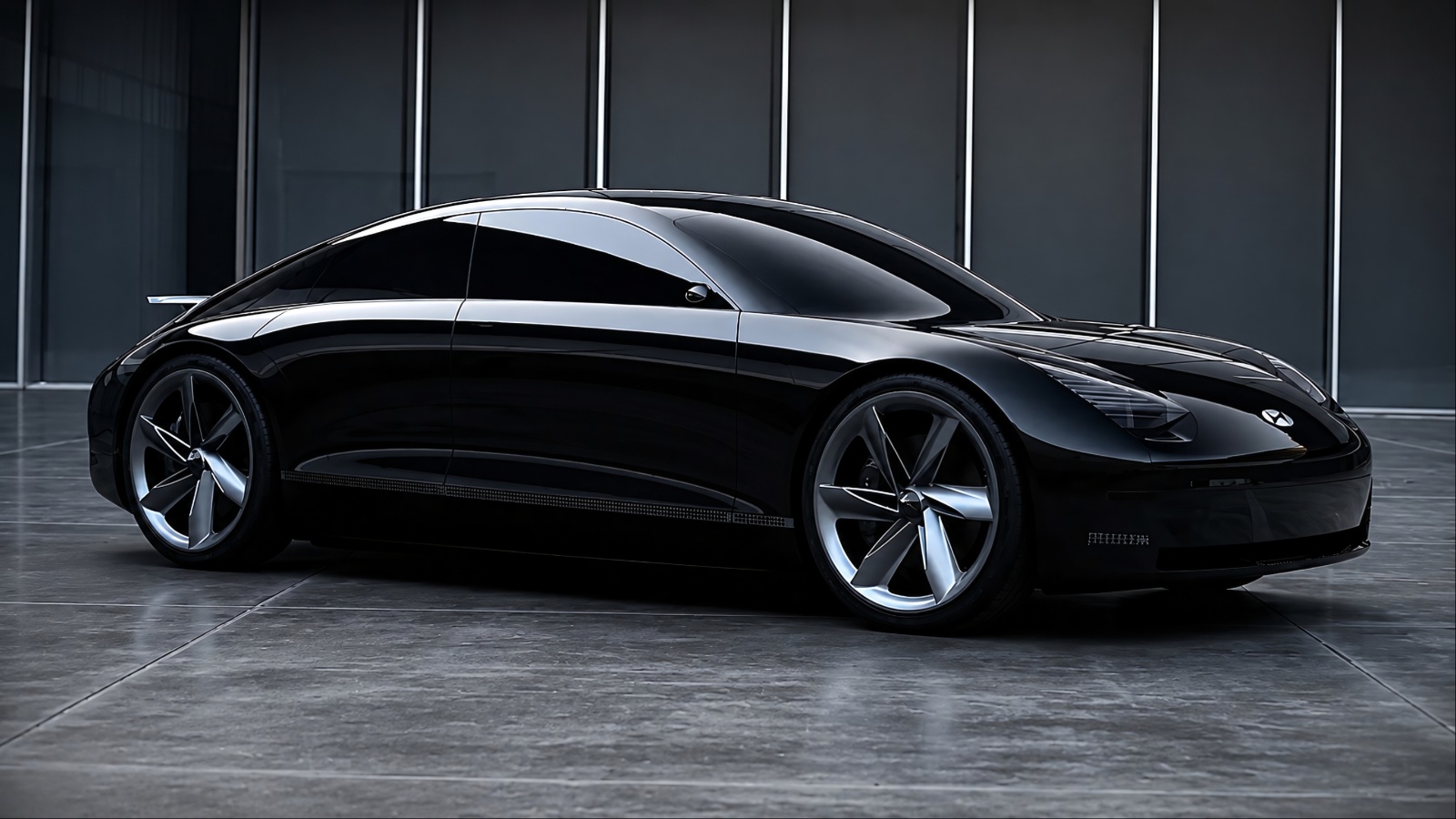
Hyundai Motor Group is expanding the role of its electric vehicles beyond transportation with a new global energy-management service designed to connect EV batteries with homes and electricity grids. Called AllDayEnergy, the service brings together smart charging and bidirectional charging technologies under a single identity across Hyundai, Kia, and Genesis.
The move could become increasingly important as electric vehicles evolve from products that simply consume electricity into mobile energy-storage systems capable of helping households and power networks manage electricity more efficiently.
According to WardsAuto, Hyundai Motor Group’s new service is intended to provide a more consistent energy-management experience across its three automotive brands while making greater use of the bidirectional charging capabilities available in its EV lineup.
Hyundai Motor Group officially announced AllDayEnergy on July 24, describing it as a global Vehicle-to-Everything, or V2X, energy-services brand. The company says the platform will eventually combine three major functions: smart charging, vehicle-to-grid, and vehicle-to-home services.
The initial rollout will focus on smart charging, with the United Kingdom serving as the first market before planned expansion into other parts of Europe, the United States, and South Korea.
How AllDayEnergy Will Use EV Batteries
The central idea behind AllDayEnergy is simple: instead of treating an EV battery as something used only to power a vehicle, Hyundai Motor Group wants to make that battery part of a larger energy-management system.
Traditional EV charging is essentially one-way, with electricity moving from the grid into the vehicle. Smart charging, known as V1G, adds another layer by allowing charging to be scheduled according to electricity prices, grid conditions, and the driver’s preferences.
For example, an owner could allow the vehicle to charge automatically when electricity is cheaper rather than immediately charging at a higher rate. The system can then ensure the vehicle reaches the desired charge level before the driver needs it.
Hyundai Motor Group says AllDayEnergy will eventually go further through bidirectional charging.
With Vehicle-to-Grid (V2G) technology, an EV can send stored electricity back to the grid. During periods of high demand, participating vehicles can potentially provide energy to the grid and then recharge when demand falls.
Vehicle-to-Home (V2H) works differently. It allows an EV battery to supply electricity to a home, potentially providing backup power during an outage or helping households manage when they draw electricity from the grid.
Hyundai Motor Group says these capabilities can allow customers to reduce energy costs while supporting greater flexibility in the electricity system.
The technology is particularly interesting because EV batteries represent substantial amounts of energy storage. Millions of vehicles connected to the grid could theoretically provide a large distributed storage resource without requiring every unit of storage capacity to be built as a conventional stationary battery.
However, the real-world value depends on infrastructure, electricity-market rules, compatible vehicles and chargers, utility participation, and customer willingness to allow their vehicles to participate.
The Service Will Expand Beyond Smart Charging
AllDayEnergy’s initial rollout will not immediately provide every V2X function in every market. According to Hyundai Motor Group, the service will begin with V1G smart charging before expanding to V2G and V2H capabilities.
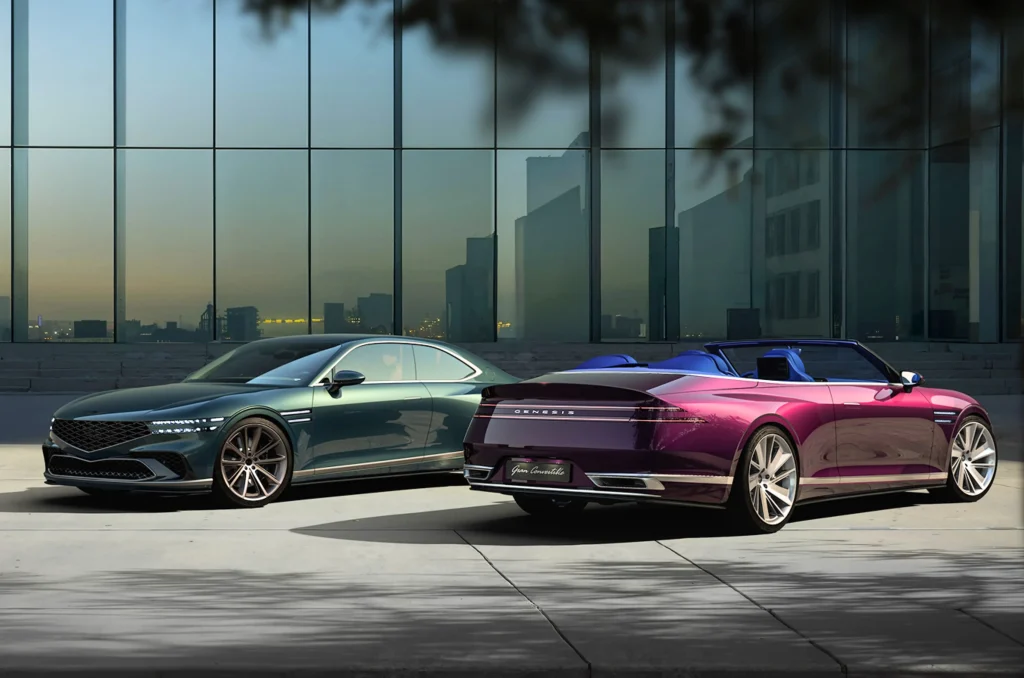
The company plans to begin its initial UK rollout through the Kia app, with broader expansion planned for Europe, the United States, and Korea.
This phased approach reflects the fact that energy markets differ considerably between countries.
A system that allows an EV to send electricity back to the grid requires more than a compatible vehicle. Utilities need to support bidirectional energy flows, regulators must establish appropriate rules, and charging equipment must be capable of handling power in both directions.
Hyundai Motor Group already has experience with these technologies in several markets. In Korea, the company has been piloting V2G technology on Jeju Island. The system allows participating EVs to charge when electricity prices are lower and discharge energy when prices rise, potentially helping both customers and the electricity system.
In the Netherlands, Hyundai Motor Group has developed a commercial V2G service using compatible Hyundai and Kia EVs and bidirectional chargers. The company says the service can automatically schedule charging and discharging based on electricity prices.
The United States has a different use case. Hyundai Motor Group has deployed V2H services that allow compatible EVs to provide backup electricity to homes. The company has highlighted the potential usefulness of this technology during emergencies that cause power outages.
That gives V2H an immediate consumer benefit that does not depend entirely on electricity trading. A sufficiently charged EV can effectively function as a large backup battery for a home.
The company says AllDayEnergy will bring these different services together under one global identity. That is significant because Hyundai, Kia, and Genesis have historically operated separate customer-facing digital ecosystems.
The unified approach could make it easier for customers to understand and access energy services regardless of which Hyundai Motor Group brand they drive.
Why EV Energy Management Could Become More Important
The launch comes as the relationship between electric vehicles and the electricity grid becomes increasingly important.
EV adoption means more vehicles need to be charged, potentially increasing electricity demand during periods when many drivers return home and plug in simultaneously. Unmanaged charging could create additional pressure on local electricity networks.
Smart charging provides a way to address that problem without necessarily requiring every driver to change their routine.
Instead of having thousands of vehicles begin charging simultaneously during the evening peak, software can stagger charging according to electricity prices, grid demand, and individual departure times.
Bidirectional charging takes the concept further by turning parked EVs into potential sources of electricity.
Hyundai Motor Group’s strategy therefore fits into a broader shift toward treating vehicles as part of the energy ecosystem rather than isolated transportation products.
The company has already been developing the necessary technology and partnerships. Its previous V2X programs have demonstrated that EV batteries can participate in energy-management systems, while AllDayEnergy is intended to make those capabilities more accessible and consistent for customers.
There are still significant limitations. Not every EV supports bidirectional charging, and compatible hardware can add cost.
Electricity regulations also vary significantly by market. Utilities need mechanisms for managing large numbers of distributed batteries, while customers need clear financial incentives to participate.
Battery degradation is another consideration. Sending electricity out of a vehicle repeatedly creates additional battery cycles, although the actual impact depends on how the system is operated and how much energy is exchanged.
Automakers and utilities therefore need to balance potential financial benefits against hardware costs, battery management, and customer expectations.
Hyundai Motor Group nevertheless believes the opportunity is large enough to justify building a global energy-services business around its vehicles.
The company’s move also reflects the growing importance of software in EV ownership. Modern electric vehicles already use connected applications to control charging, monitor battery status, and schedule departure times.
Adding energy-market information and bidirectional power management turns those same digital systems into tools for managing electricity.
For Hyundai, Kia, and Genesis owners, the long-term vision could mean using a single vehicle app to determine when the car charges, how much it costs to charge, whether electricity can be sold back to the grid, and whether the battery can provide backup power to the home.
The exact features will depend heavily on the market. In the United Kingdom, AllDayEnergy is expected to begin with smart charging through the Kia app. Hyundai Motor Group plans to expand the service to additional markets afterward, including the U.S. and Korea.
The company’s existing V2X programs suggest that the technology is not merely theoretical. It has already been tested and deployed in different forms, giving Hyundai Motor Group experience integrating vehicles, chargers, utilities, and energy-management software.
The broader significance is that Hyundai Motor Group is positioning its EVs as energy assets as well as transportation products.
If V2G and V2H become widespread, EV owners could eventually use their vehicles to lower household electricity costs, provide emergency backup power, and contribute energy to the grid during periods of high demand.
That could change the economics of EV ownership while helping utilities manage a growing fleet of electric vehicles.
For now, AllDayEnergy remains in the early stages of its global rollout. The first phase is focused on smart charging, while more advanced bidirectional services will be introduced progressively according to local market conditions.
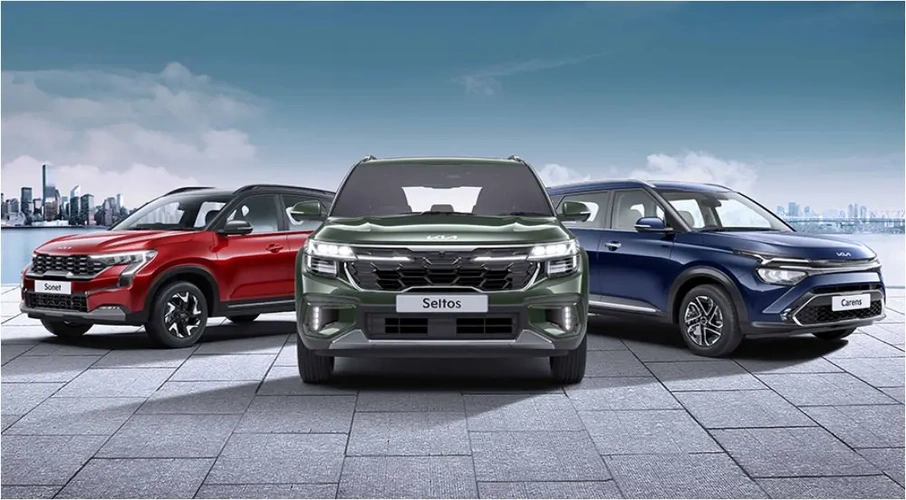
Still, Hyundai Motor Group’s decision to bring Hyundai, Kia, and Genesis under one energy-management platform signals that the company sees substantial long-term potential in the relationship between EVs and electricity.
As electric vehicles become more common, the biggest change may not be what happens when they are driving. It could be what happens while they are parked.
A vehicle sitting in a driveway or garage contains a large battery that, with the right software and infrastructure, can become part of the home’s energy system or even the wider power grid.
AllDayEnergy is Hyundai Motor Group’s attempt to build the digital infrastructure needed to make that possibility practical, giving its EV owners a more consistent way to manage energy while creating another potential role for electric vehicles in the transition toward a more flexible electricity system.
