

BMW is recalling 27,720 vehicles in the United States after discovering that premature wear at a driveshaft connection could cause a loss of power to the rear wheels and, under certain circumstances, allow a parked vehicle to roll away.
The recall affects selected 5-Series, 7-Series, and 8-Series models, including some of BMW’s more powerful and expensive sedans and coupes. The problem is located at the connection between the driveshaft and rear axle differential, where excessive wear can eventually compromise the transfer of power through the drivetrain.
According to the National Highway Traffic Safety Administration (NHTSA) recall filing, BMW decided to conduct the voluntary safety recall on August 5, 2026. The automaker said it has not received reports of crashes or injuries related to the defect.
Although the number of affected vehicles is relatively small compared with some of the industry’s largest recalls, the nature of the defect makes it particularly important. A failure while driving could leave the vehicle without rear-wheel power, while a failure after parking could create an unexpected rollaway if the parking brake is not engaged.
BMW plans to inspect the affected vehicles and either reinforce the connection with adhesive or replace the relevant drivetrain components entirely.
Which BMW Models Are Affected?
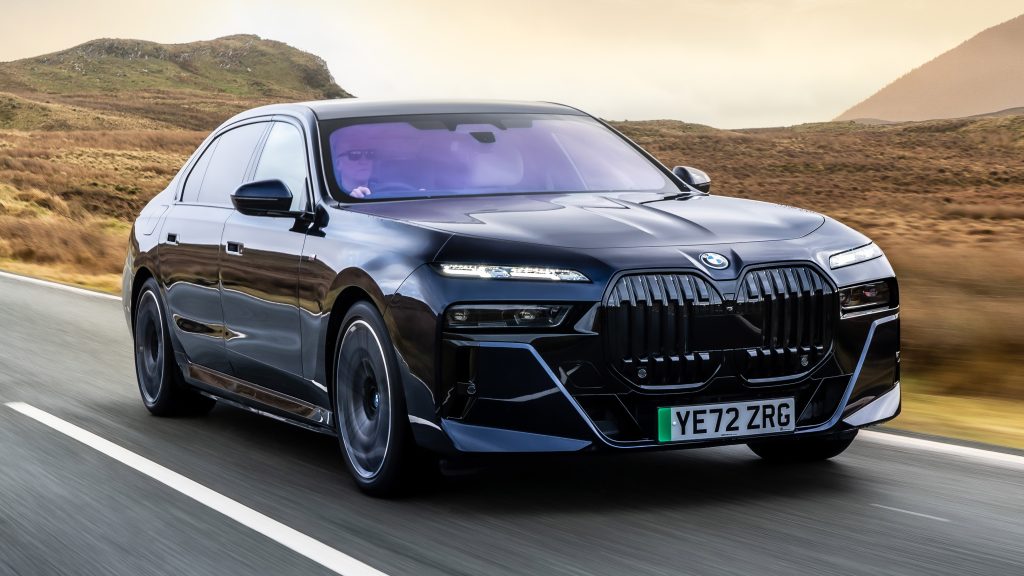
The recall covers several model years across three BMW nameplates. According to NHTSA documentation and reporting from Car and Driver, the affected vehicles include 2021-2023 BMW 540i, 540i xDrive, and M550i xDrive models; 2022-2026 BMW 840i and 840i xDrive models; and 2024-2026 BMW 750e xDrive models.
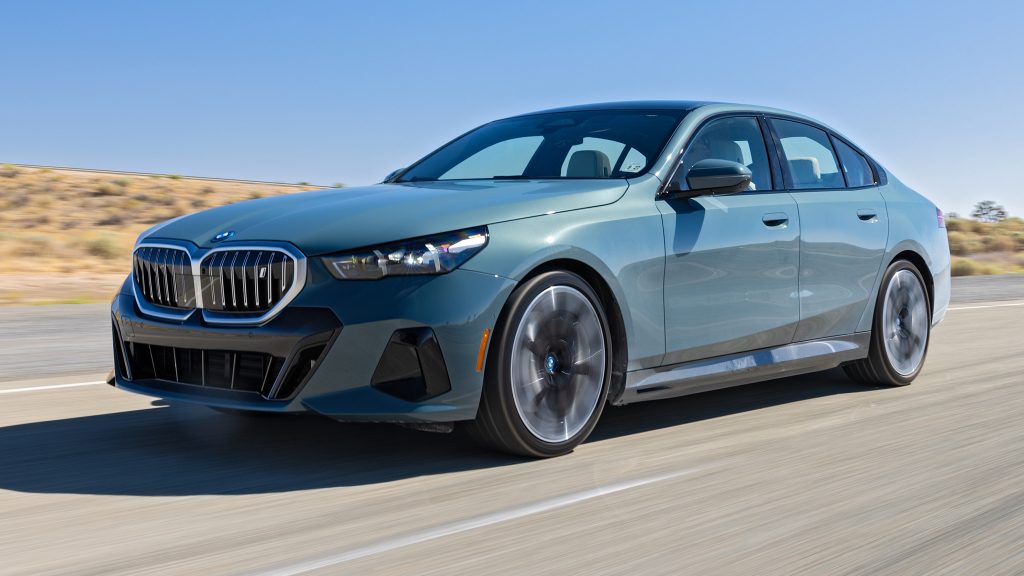
The 5-Series accounts for the largest portion of the campaign, with approximately 18,150 vehicles affected. The 8-Series accounts for another 7,372 vehicles, while approximately 2,198 BMW 750e xDrive models are included.
That distribution means the recall spans a wide range of BMW vehicles. The affected 5-Series models include both conventional rear-wheel-drive versions and xDrive all-wheel-drive variants, while the 750e xDrive is a plug-in hybrid version of BMW’s flagship 7-Series sedan.
The 8-Series models involved are similarly positioned toward the upper end of BMW’s lineup. Despite their differences, the affected vehicles share the drivetrain connection at the center of the recall.
The driveshaft transfers torque from the transmission toward the rear axle. At the rear of the vehicle, it connects with the differential, which then distributes power to the driven wheels. If the connection between these components becomes excessively worn, the mechanical link can deteriorate.
The immediate consequence can be a loss of propulsion at the rear wheels. A driver could therefore experience a situation in which the engine remains running and the transmission remains engaged, but the rear wheels are no longer receiving power as intended.
According to BMW’s recall filing, the excessive wear can eventually lead to a condition where the driveshaft-to-differential connection is no longer able to reliably transfer power.
That creates a potential safety concern because a sudden loss of drive can occur while the vehicle is moving.
Drivers may notice unusual noises, vibrations, or other signs of driveline problems before a complete failure.
Reports on the recall have identified symptoms such as shuddering under load, clunking noises, and intermittent loss of drive as possible warning signs, although not every affected vehicle will necessarily display obvious symptoms before the connection deteriorates. BMW’s recall is designed to identify the condition before it reaches that point.
How a Driveshaft Failure Could Cause a Parked BMW to Roll Away
The rollover risk is the most unusual part of the recall because many drivers assume that putting a vehicle in park mechanically locks the wheels.
Under normal circumstances, the transmission’s parking mechanism prevents the vehicle from moving. However, the system depends on the drivetrain remaining mechanically connected between the transmission and driven wheels. If the driveshaft-to-differential connection fails, that connection can be interrupted.
That creates a situation in which the transmission may still be in Park while the rear wheels are no longer properly restrained through the drivetrain. On an incline, the vehicle could potentially move if the parking brake has not been applied.
BMW specifically identifies this as a potential consequence of the defect in its NHTSA filing. The company advises owners to use the parking brake and avoid parking outside until the recall remedy has been completed.
The distinction between Park and the parking brake is important here. The parking brake provides a separate means of holding the vehicle stationary. Using it creates additional protection against movement if there is a problem somewhere in the drivetrain.
For that reason, BMW’s interim advice is particularly relevant to owners who have an affected vehicle but have not yet received the recall repair.
The recall is not suggesting that every affected BMW will suddenly roll away. The condition requires the driveshaft connection to experience sufficient wear or failure, and the vehicle must also be in a situation where the normal parking restraint is insufficient.
Nevertheless, an uncontrolled vehicle can present a serious hazard to pedestrians, other vehicles, and property.
The risk is even more concerning because many of the affected BMWs are relatively heavy luxury vehicles. A vehicle moving unexpectedly on a slope can quickly gain momentum, making even a seemingly minor mechanical failure potentially dangerous.
NHTSA’s documentation states that BMW is not aware of accidents or injuries associated with the issue so far.
That is an important distinction, but it does not eliminate the need for the recall. Safety recalls are frequently conducted before a defect results in injuries, particularly when an identified failure could reasonably increase the risk of a crash.
BMW’s Recall Fix Will Depend on What Inspectors Find
BMW’s remedy is somewhat unusual because there are two possible repair paths. Dealer technicians will inspect the connection between the driveshaft and rear axle differential.
If the condition is suitable for reinforcement, technicians will apply an adhesive to the connection. If the wear or damage is too extensive, BMW will replace the driveshaft and rear axle differential components as necessary.
Both repairs will be performed free of charge to affected owners. The two-stage approach allows BMW to address vehicles according to the condition of the connection rather than automatically replacing every affected drivetrain component.
That could reduce unnecessary replacement of parts that remain serviceable while ensuring vehicles with significant wear receive more extensive repairs.
The NHTSA filing states that owners will be notified by first-class mail and instructed to take their vehicles to an authorized BMW dealer. Dealer notification began in August, while owner notification is scheduled to begin on October 2, 2026. The NHTSA filing also indicates that the recall’s VIN-search capability is scheduled to become available on that date.
Until the repair is completed, owners should pay attention to unusual driveline behavior and use the parking brake whenever the vehicle is parked.
BMW’s recall instructions are particularly important for owners who routinely park on inclines. Even though the defect does not mean the vehicle will necessarily roll away, applying the parking brake provides an additional mechanical safeguard.
The campaign also illustrates why drivetrain components remain critical even in highly sophisticated luxury vehicles.
Modern BMWs contain extensive electronic systems, advanced driver assistance technology, sophisticated transmissions, and hybrid powertrains. Yet a relatively conventional mechanical connection between a driveshaft and differential can still create a serious safety concern if it wears prematurely.
The issue is also a reminder that driveline problems can affect more than performance. A worn driveshaft connection might initially seem like a reliability or drivability problem because it can cause vibration or loss of propulsion.
But because the drivetrain also plays a role in how a vehicle remains stationary when parked, the consequences can extend into vehicle safety.
For BMW, the priority now is ensuring that affected vehicles are inspected before the connection deteriorates far enough to create the more serious failure modes.
The recall covers a relatively limited portion of BMW’s U.S. fleet, but it includes some of the company’s most recognizable luxury and performance models. The 540i and M550i, 840i, and 750e xDrive represent different interpretations of BMW’s premium lineup, yet all share enough drivetrain architecture for the same issue to affect them.
That broad model coverage also explains why the campaign involves nearly 28,000 vehicles despite the relatively specific nature of the defect.
For owners, the good news is that BMW has identified the problem and established a repair procedure before reporting any known injuries or crashes. The more important issue is making sure owners respond once notifications arrive.
Anyone with an affected 5-Series, 7-Series, or 8-Series should not ignore unusual drivetrain noises, vibrations, or intermittent loss of propulsion. Owners should also use the parking brake whenever leaving the vehicle parked and follow BMW’s interim instructions until the recall inspection is completed.
The recall ultimately demonstrates how a small component can create a disproportionately important safety issue. The driveshaft connection may be hidden beneath the vehicle and normally receives little attention from drivers, but its failure can affect both propulsion and the vehicle’s ability to remain stationary.
BMW’s solution is straightforward in principle: inspect the connection, reinforce it where possible, and replace damaged components when necessary.
With the repairs being performed at no cost to owners, the most important remaining step is getting the affected vehicles into BMW dealerships.
For BMW, this recall is another reminder that even its most sophisticated vehicles depend on basic mechanical connections functioning correctly. For owners, it is a relatively simple safety precaution that could prevent a loss of power on the road or, in the more unusual scenario identified by NHTSA, an unexpected vehicle rollaway.
