

The National Highway Traffic Safety Administration has significantly escalated its investigation into engine failures affecting nearly 1 million General Motors trucks and SUVs, raising fresh questions about whether a previous recall adequately addressed a potentially serious problem with GM’s 6.2-liter V8 engine.
The federal agency has moved the investigation into an engineering analysis, a more advanced stage that allows regulators to examine the scope and causes of the alleged defect in greater detail. The development follows hundreds of complaints involving vehicles that experienced engine problems even after receiving repairs under an earlier recall.
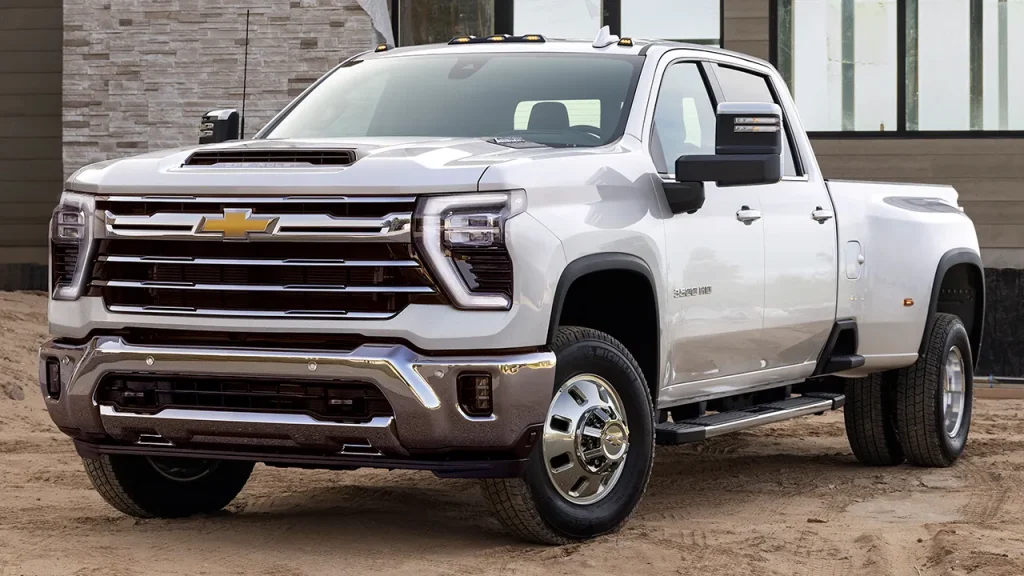
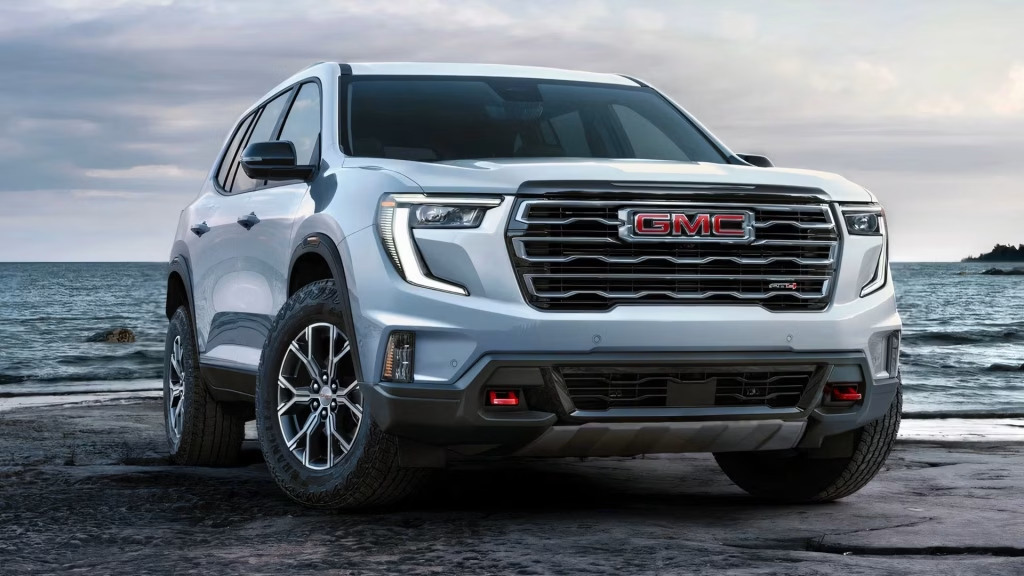
According to Reuters, NHTSA’s latest investigation covers 997,743 General Motors vehicles equipped with the L87 6.2-liter V8 engine. The affected vehicles include Chevrolet Silverado 1500, Tahoe and Suburban models, GMC Sierra 1500 and Yukon models, and the Cadillac Escalade. The expanded investigation covers model years 2021 through 2026.
The investigation does not mean NHTSA has determined that all of these vehicles contain a safety defect or that another recall is certain. Instead, regulators are examining whether GM’s earlier remedy was effective and whether additional vehicles or engine failures need to be addressed.
That distinction is important because the investigation follows a recall that already involved hundreds of thousands of vehicles and substantial numbers of reported engine failures.
Why NHTSA Is Looking at GM’s Engine Fix Again
The current investigation traces back to an earlier problem involving GM’s L87 V8 engine. NHTSA opened a recall query in January 2026 involving approximately 597,571 GM vehicles after receiving reports of engine damage and failures. Reuters reported that the vehicles were equipped with the 6.2-liter L87 gasoline engine.
The problem had already attracted significant attention before that investigation began. In January 2025, NHTSA opened a preliminary investigation covering 877,710 GM trucks and SUVs from the 2019 through 2024 model years.
The agency was responding to reports of engine failures involving the L87 V8, which was used in several of GM’s largest and most popular vehicles.
GM subsequently issued a recall in 2025 covering roughly 600,000 vehicles. The recall was intended to address engine failures associated with manufacturing and supplier-quality issues.
The remedy included inspections and, depending on the condition of the engine, possible engine replacement or modifications intended to prevent the problem from recurring. GM attributed the underlying issue to supplier quality problems.
But reports continued after vehicles received the recall remedy. According to Reuters, GM has received nearly 7,000 complaints involving engine failures or related problems after the recall, while NHTSA has received 499 complaints involving vehicles that had undergone the repair.
Regulators also identified another 191 complaints involving vehicles equipped with the same engine that were not included in the original recall population. That pattern is one of the main reasons the investigation has moved forward.
NHTSA’s own explanation of its investigative process shows why an engineering analysis is important. The agency says that after a preliminary review of consumer complaints and other information, investigators can obtain information from manufacturers concerning complaints, crashes, injuries, warranty claims, and other data.
If additional analysis is warranted, investigators conduct a more detailed examination of the character and scope of the alleged defect.
In this case, the central question is whether the original repair successfully addressed the underlying problem.
Some of the complaints involve engines that reportedly failed after receiving the recall remedy. That raises the possibility that the original defect was not completely understood, that the remedy did not eliminate every failure mechanism, or that the problem affects a wider range of engines than originally determined.
NHTSA is also examining vehicles outside the original recall population. That is particularly significant because it could indicate that the circumstances contributing to the engine failures were not limited to the production period initially identified by GM.
However, the expanded investigation should not be interpreted as proof that all nearly 1 million vehicles are defective.
NHTSA describes investigations as examinations of alleged safety defects. A probe can ultimately result in a recall recommendation, additional action by the manufacturer, or closure if the agency determines that a safety defect has not been established.
GM Faces Questions as Complaints Continue
The latest investigation creates another challenge for GM because the affected vehicles are among its most important products.
The Silverado and Sierra 1500 are core full-size pickup models, while the Tahoe, Suburban, and Yukon occupy important positions in the large SUV market. The Cadillac Escalade is also a high-profile vehicle for GM’s luxury division. All use the L87 6.2-liter V8 in the configurations covered by the investigation.
The potential consequences therefore extend beyond a relatively small specialty vehicle program. A safety issue involving this engine could affect a large population of vehicles used for family transportation, towing, commercial purposes, and daily driving.
The earlier investigation also generated a significant volume of complaints. Reuters reported that GM had identified more than 28,000 related complaints, including 12 crashes and 12 minor injuries, as well as 42 potential fire incidents.
Those figures do not establish that every incident was caused by the same underlying defect, but they help explain why regulators continue to examine the issue.
The latest engineering analysis will likely focus on several questions. One is whether the original recall correctly identified the affected production population. Another is whether the remedy was capable of preventing future failures.
Regulators will also need to determine whether engines produced outside the original recall period show similar problems.
The presence of complaints from vehicles that were not included in the original recall makes that question particularly important.
GM has said it is cooperating with NHTSA and has attributed the original problem to supplier quality issues. The company has also maintained that it is committed to vehicle safety.
For owners, however, the new investigation creates uncertainty because a vehicle that has already received a recall repair could potentially become part of a future action if regulators determine that the remedy was insufficient.
At this point, there is no new recall covering the entire nearly 1 million-vehicle population as a result of the engineering analysis. NHTSA is still investigating.
That means owners should not assume that their vehicle is unsafe simply because it falls within the investigation’s broader population. At the same time, owners experiencing symptoms such as unusual engine noises, loss of power, warning lights, or other serious mechanical problems should not ignore them.
NHTSA recommends that vehicle owners use its recall database to check their vehicles by VIN. The agency notes that VIN searches can show whether a specific vehicle has an unrepaired safety recall, although recently announced recalls may take time to appear in the system.
What Happens Next Could Determine Whether GM Faces Another Recall
The most important question now is what NHTSA discovers during the engineering analysis. The agency could determine that GM’s previous recall successfully addressed the problem and that the remaining complaints do not represent evidence of a broader safety defect. If so, the investigation could eventually close without another major recall.
The opposite outcome is also possible. If regulators find that the original remedy was ineffective, that the defect affects additional vehicles, or that engine failures present an unreasonable safety risk, GM could be required to conduct another recall or expand the existing remedy.
NHTSA’s investigation database is updated as the agency receives and analyzes information. The agency says investigations can lead to recall recommendations when a safety defect is identified, while its recall-management process also tracks whether manufacturers provide effective remedies to affected owners.
The size of the investigation makes the outcome particularly important. Nearly 1 million vehicles are now within the scope of the engineering analysis, although the actual number of vehicles ultimately determined to require another remedy could be substantially smaller.
For GM, the issue is also arriving as the company prepares for changes to its gasoline engine lineup. The automaker is developing its next generation of small-block engines, making the reliability of its current L87 V8 particularly important as GM manages the transition between engine generations.
For NHTSA, the investigation represents a test of whether a major recall has adequately solved a problem after repairs have been completed.
The agency’s decision to escalate the case does not establish that GM’s previous remedy failed. It does, however, signal that the volume and nature of the continuing complaints are serious enough to warrant a deeper engineering examination.
Until that analysis is completed, another recall remains a possibility rather than a certainty. But with nearly 1 million GM trucks and SUVs now within the investigation’s scope, the results could have major implications for owners, dealerships, and GM’s broader full-size truck and SUV business.
