
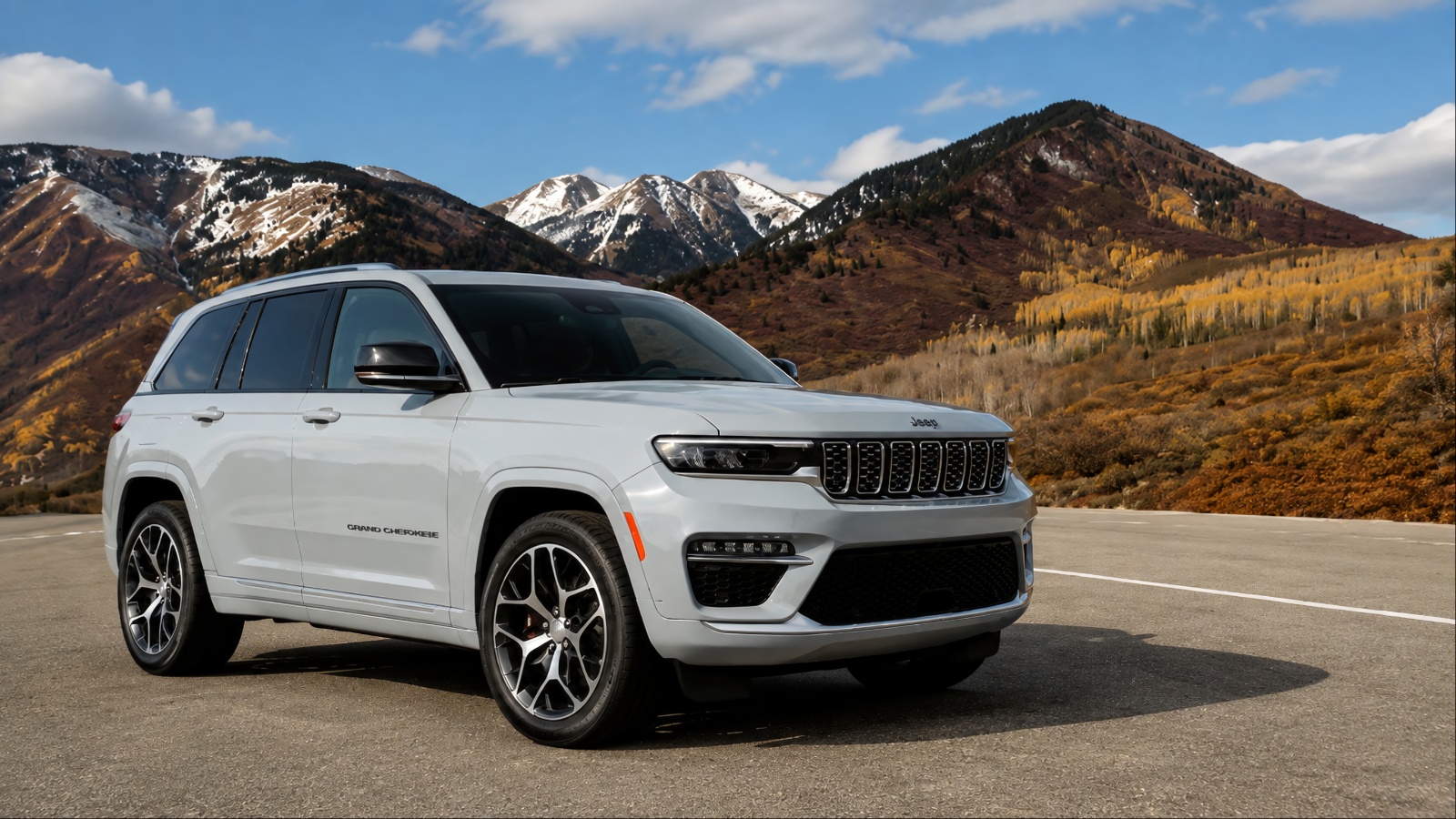
Stellantis has confirmed that the next-generation Jeep Cherokee will be built at its Belvidere Assembly Plant in Illinois, giving the long-idled factory a major role in the automaker’s next phase of U.S. manufacturing.
The decision is significant for both Stellantis and the workers who have been waiting for the plant to reopen since production was halted in 2023. The new Cherokee will also become the first U.S.-market vehicle built on Stellantis’ new STLA One global platform, making Belvidere an important launch site for the automaker’s future vehicle architecture.
According to WardsAuto, Stellantis expects pilot production of the next-generation Cherokee to begin during the first half of 2028, with regular series production targeted for the second half of 2029. The automaker plans to invest more than $800 million in the Belvidere facility, an increase from the $600 million investment previously announced.
The development represents a significant change from Stellantis’ earlier plans for the facility and comes as the company restructures its North American product strategy around more flexible vehicle platforms and a wider range of powertrains.
Belvidere Gets a Major New Role
Belvidere Assembly has been at the center of a lengthy dispute over Stellantis’ U.S. manufacturing footprint.
The plant, located about 60 miles west of Chicago, was idled in February 2023 after the fifth-generation Jeep Cherokee was discontinued following the 2023 model year. The closure left thousands of workers facing layoffs and created uncertainty over the future of one of Illinois’ most important automotive manufacturing sites.
Stellantis eventually reversed course and announced plans to invest in Belvidere. The company now intends to spend more than $800 million preparing the facility for the next-generation Cherokee and at least one additional vehicle based on the STLA One architecture.
WardsAuto reported that the plant is expected to be capable of building the Cherokee in all of its planned powertrain configurations across two shifts.
The increase in investment is important because Stellantis had previously indicated that the facility would receive approximately $600 million. The higher figure reflects the expanded role Belvidere is expected to play in the company’s future manufacturing strategy.
The reopening is also tied to Stellantis’ broader $13 billion commitment to expand its U.S. manufacturing capacity.
That investment is part of the company’s five-year FaSTLAne 2030 strategy, which was unveiled earlier this year. Stellantis plans to introduce more than 60 new vehicles and 50 significant product updates globally through 2030, with North America receiving a substantial portion of that investment.
WardsAuto reported that Stellantis expects 60% of its planned 60 billion euros, or approximately $70 billion, in global investment over five years to go toward North America. The company wants to substantially refresh its U.S. lineup while improving affordability and increasing the number of models available to customers.
The Cherokee is central to that strategy because it occupies an important position between the smaller Compass and larger Grand Cherokee in the Jeep lineup.
The current Cherokee returned for the 2026 model year after a three-year absence, but the new generation is already being positioned as part of Stellantis’ next major platform transition.
The present Cherokee uses a hybrid powertrain. WardsAuto reported when the model returned for 2026 that it combined a 1.6-liter four-cylinder engine with dual electric motors and a 1-kWh lithium-ion battery pack, with an estimated fuel economy of 37 mpg.
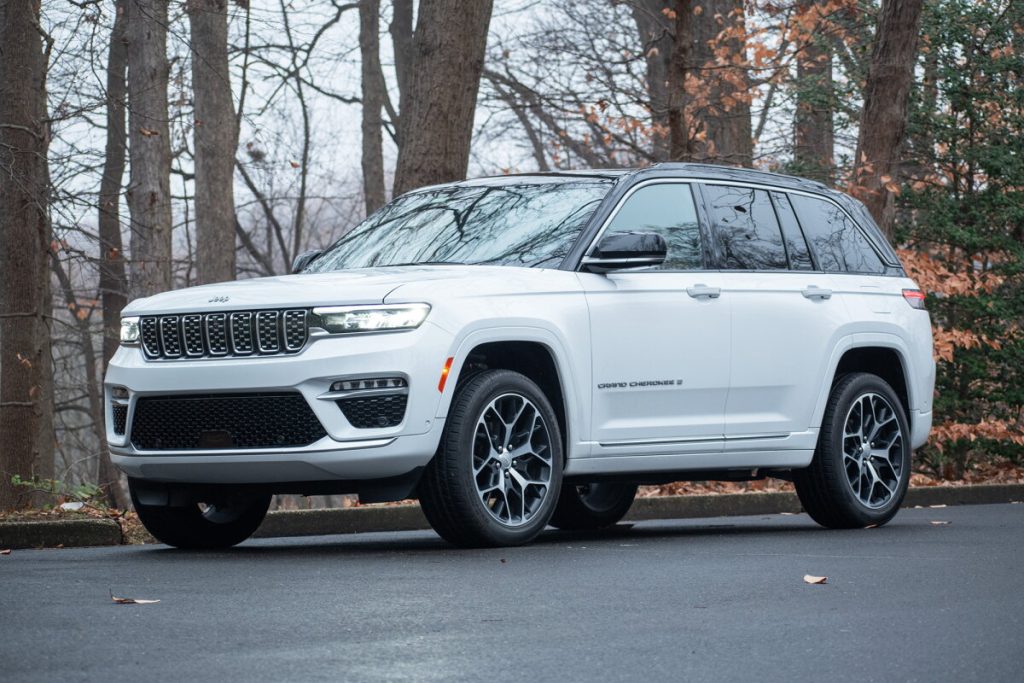
The next generation will be designed around a considerably more flexible architecture, allowing Stellantis to adapt the vehicle to changing consumer demand.
STLA One Brings Flexibility to Jeep
The most important technological aspect of the Belvidere decision may be the introduction of STLA One.
Stellantis describes the architecture as a modular global platform intended to support vehicles across multiple segments and powertrains. According to WardsAuto, STLA One combines elements of five existing Stellantis platforms into one scalable architecture covering global B-, C-, and D-segment vehicles.
The platform is designed around a modular approach that allows Stellantis to use common components while adapting the vehicle itself to different markets.
That flexibility is becoming increasingly important because Stellantis is no longer betting on a single powertrain strategy.
The company has significantly adjusted its electrification plans after EV sales failed to grow as quickly as expected. In February, Stellantis announced that it was writing off approximately $26 billion that had previously been allocated to EVs and electrification programs over five years beginning in 2021.
The company has since shifted toward a broader mix of gasoline, hybrid, plug-in hybrid, battery-electric, and range-extended powertrains. The next Cherokee will benefit directly from that change.
Stellantis’ North American product-planning chief Tom Sacoman recently told WardsAuto that the STLA One architecture is designed so the center module can accommodate multiple powertrain configurations without forcing the company to carry unnecessary BEV-related weight and components into internal-combustion versions.
That means the same basic vehicle architecture can support different technologies as customer demand changes.
For Jeep, that is particularly valuable. The brand has already introduced hybrid vehicles and continues to develop battery-electric models, but it is also maintaining gasoline-powered products because internal-combustion vehicles remain important to U.S. buyers.
Stellantis’ approach could allow the Cherokee to evolve without requiring an entirely separate manufacturing program for every powertrain. The strategy also addresses cost.
Stellantis says STLA One can reduce complexity and improve cost efficiency by as much as 20%, according to WardsAuto. The company hopes greater parts sharing and platform commonality will allow it to launch more vehicles while reducing duplicate engineering and manufacturing expenses.
That objective fits directly into the company’s broader effort to improve profitability. Stellantis has struggled with declining sales and profitability in North America, making new products particularly important.
A refreshed Cherokee manufactured in the United States gives Jeep another opportunity to compete in one of the most important segments in the American market while simultaneously putting an underused factory back to work.
Belvidere Reopening Brings Relief for UAW Workers
The return of production is also significant for workers represented by the United Auto Workers.
The Belvidere plant was idled shortly before the 2023 UAW contract negotiations, and the factory’s future became a major issue during the labor dispute. Stellantis subsequently committed to reopening the facility, but the timing and product allocation remained uncertain.
The latest announcement provides considerably more clarity. WardsAuto reported that Stellantis intends to continue supporting displaced UAW workers who have been waiting for the plant to reopen.
The company plans to offer temporary relocation opportunities while continuing supplemental unemployment benefits and healthcare coverage.
It also intends to increase unemployment benefits to reflect wage increases negotiated in the 2023 UAW contract and address future pension credits for employees who remain on layoff.
However, workers will have to wait longer than originally expected before the Cherokee program reaches regular production.
When Stellantis announced its earlier $600 million investment in October 2025, the company expected the Belvidere plant to begin producing the Cherokee and Compass for the U.S. market in 2027. The updated plan pushes the initial restart into 2028, with full series production of the next-generation Cherokee targeted for the second half of 2029.
That delay reflects the complexity of launching an entirely new vehicle architecture. The company will need to retool the plant, establish new supplier arrangements, and validate the STLA. One manufacturing process prepares the facility for multiple powertrain configurations.
Because the Cherokee will be the first U.S. vehicle built on STLA One, Belvidere will effectively serve as a launch site for a new generation of Stellantis manufacturing technology.
The factory is expected to produce at least two vehicles using the architecture, although Stellantis has not fully detailed the second model.
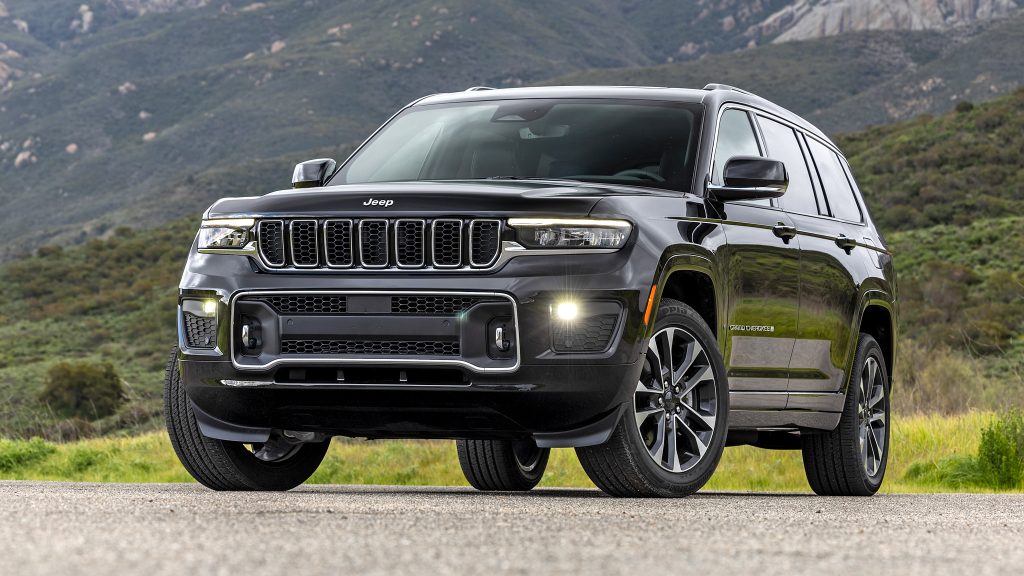
For Illinois, the Cherokee decision also represents an important manufacturing investment after years of uncertainty surrounding Belvidere.
The plant’s future is now closely tied to Jeep’s product strategy and Stellantis’ broader effort to rebuild its North American lineup. If the automaker can successfully launch the next-generation Cherokee and add another STLA One vehicle, Belvidere could become an important multi-product facility rather than simply a revived version of its previous operation.
The timing also allows Stellantis to align production with changing U.S. consumer preferences. The company is preparing for a market in which hybrids, gasoline engines, and battery-electric vehicles will coexist rather than one powertrain rapidly replacing all others.
That flexibility could prove especially valuable for Jeep. The next-generation Cherokee will therefore represent more than a new SUV. It will be a test of Stellantis’ new platform strategy, its revised approach to electrification, and its ability to make better use of its U.S. manufacturing footprint.
For Belvidere workers and the surrounding Illinois community, the announcement provides something that has been missing since 2023: a defined product and a clear path back to vehicle production.
The plant still has several years of preparation ahead, but the next-generation Cherokee has now given Belvidere a concrete future within Stellantis’ U.S. manufacturing strategy.
