
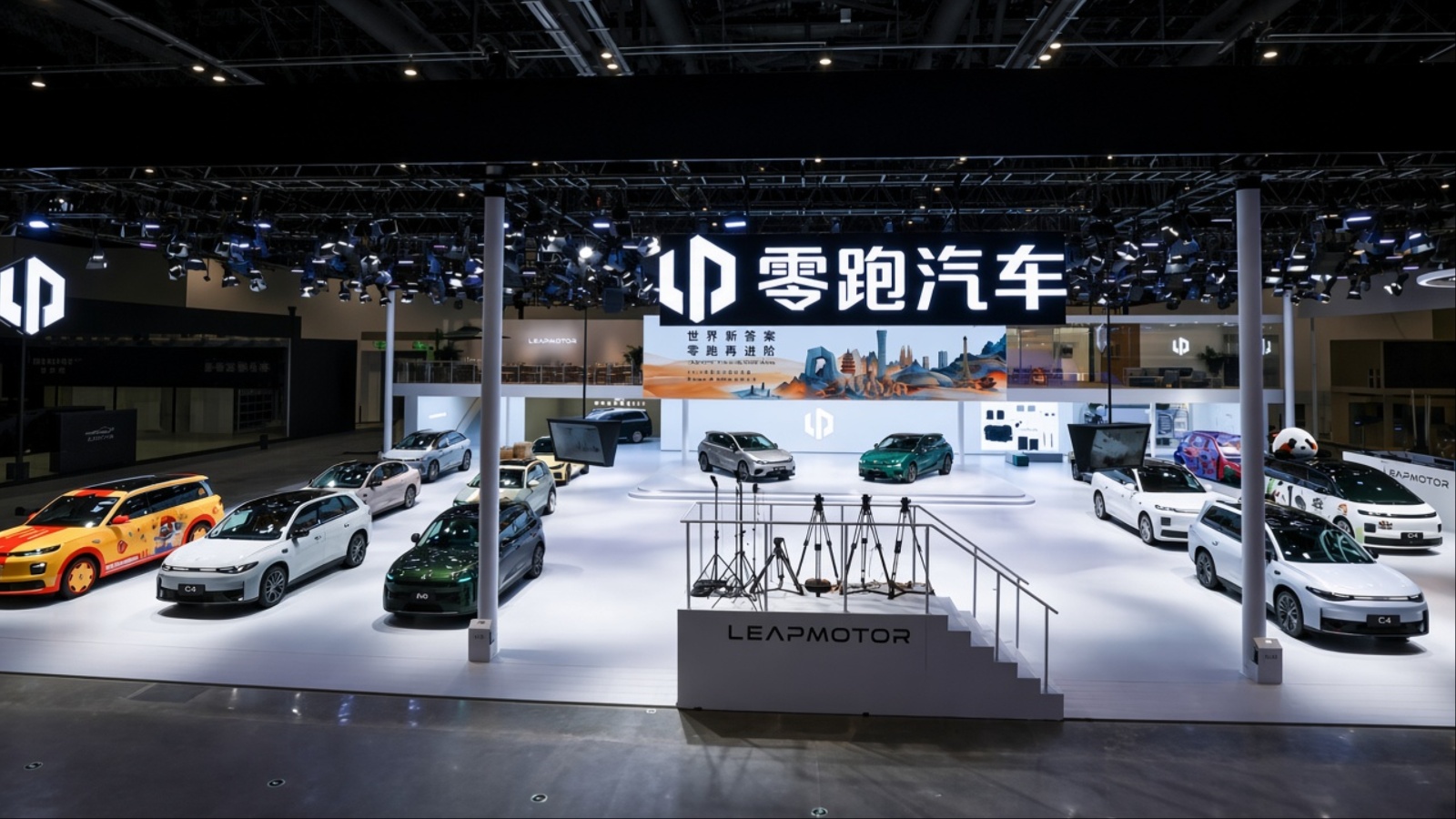
China has launched a year-long campaign aimed at strengthening vehicle quality and safety as the country’s rapidly expanding automotive industry faces increasing scrutiny over the reliability of new technologies.
The initiative comes just days after Chinese regulators announced the country’s largest-ever vehicle recall, involving approximately 4.3 million vehicles from Tesla and eight other automakers.
According to Reuters, Chinese regulators announced the new campaign on August 27, requiring automakers to conduct broader inspections of their vehicles and proactively identify and address potential defects.
The program will cover product quality, reliability, and durability while also examining newer technologies, including advanced driver-assistance systems, autonomous-driving functions, software updates, and cybersecurity.
The timing is significant. China’s automotive industry has expanded rapidly, particularly in electric vehicles and software-defined cars.
Automakers have been competing aggressively on price, technology, and launch speed, but regulators are now placing greater emphasis on whether increasingly sophisticated vehicles remain safe and dependable throughout their lifecycles.
The campaign represents a clear shift toward preventing problems before they become major safety incidents rather than relying primarily on recalls after defects emerge.
Regulators Expand Their Focus Beyond Traditional Vehicle Defects
China’s new campaign goes considerably beyond conventional mechanical inspections. Automakers will be expected to examine their products across the development and manufacturing process, including new technologies and supplier operations.
Reuters reported that companies must conduct comprehensive inspections covering product quality, reliability, and durability and submit detailed reports to local authorities by the end of 2026. Automakers will also be required to voluntarily recall vehicles when defects are identified.
The emphasis on advanced driver-assistance and autonomous-driving systems is particularly important. Modern vehicles increasingly depend on cameras, radar, software, electronic control systems, and connectivity to perform functions that directly influence driving.
A defect in one of those systems can therefore have consequences very different from a traditional mechanical problem.
Software updates are another major focus. Unlike older vehicles, many modern EVs can receive over-the-air updates that alter vehicle functions without requiring a customer to visit a dealership.
That creates new opportunities for automakers to correct problems quickly, but it also creates additional responsibilities to ensure that software changes do not introduce new safety issues.
Cybersecurity is being included in the campaign as well. Connected vehicles exchange information with external networks and increasingly depend on software for functions ranging from infotainment to driver assistance. Regulators therefore want manufacturers to consider potential security vulnerabilities as part of the vehicle’s broader safety assessment.
The campaign also places greater attention on emergency response. This is particularly relevant following the enormous recall announced earlier in August, when regulators targeted vehicles whose electronic door handles could make emergency escape difficult after a power failure.
China’s State Administration for Market Regulation has separately published recall notices involving multiple manufacturers over emergency door-release issues.
For example, Geely recalled more than 92,000 Zeekr 007 and Zeekr X vehicles because emergency mechanical door releases could be difficult to identify and operate after a serious crash. The company is using warning labels and software updates that can automatically lower windows following certain accidents.
Chery also recalled more than 57,000 iCAR 03 vehicles and 10,800 Fengyun X3 vehicles because emergency mechanical door handles could be difficult to identify, potentially delaying occupants’ ability to escape.
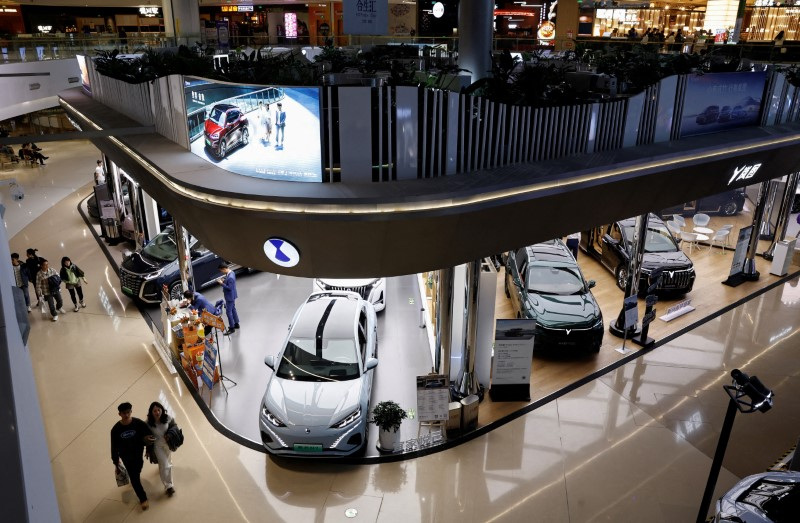
These cases demonstrate why regulators are increasingly examining the interaction between physical components and software rather than treating them as separate safety issues.
Record Recall Highlights Growing Pressure
The new campaign follows a record recall involving approximately 4.3 million vehicles, making it the largest automotive recall in China’s history.
According to Reuters, nine automakers are involved, including Tesla, Xiaomi, Leapmotor, Xpeng, and Geely. The recalls center on electronic door handles and emergency-release mechanisms that could become difficult to use when vehicles lose electrical power.
Tesla accounts for the largest portion of the recall. China’s regulator is recalling approximately 2.98 million Tesla vehicles, including Model 3 and Model Y vehicles produced in China as well as certain imported models. Tesla’s remedies include software updates and changes intended to make emergency-release information easier to identify.
The issue has attracted attention because concealed electronic door handles have become increasingly common on modern EVs.
Their sleek appearance can contribute to a vehicle’s aerodynamic efficiency and futuristic design, but regulators are now questioning whether some designs provide sufficiently obvious emergency access when the vehicle’s electrical systems fail.
China has already moved toward tighter requirements for these systems. Reuters reported that the country plans to prohibit concealed exterior electronic door handles without appropriate manual alternatives beginning in 2027.
This recall highlights a wider challenge for the automotive industry. New technology can create unexpected safety risks even as it brings improvements in convenience, efficiency, and vehicle design.
China’s automotive sector has moved particularly quickly in this area. Domestic manufacturers have introduced advanced driver assistance, connected services, autonomous-driving functions, and frequent software upgrades at a rapid pace. Regulators are now seeking to ensure that the speed of innovation does not outpace safety validation.
The scale of China’s vehicle market makes that oversight especially important. In 2025, China’s market regulator recorded 190 automotive recalls involving 6.846 million vehicles, according to official data.
Although the number of recalls and vehicles involved both declined from the previous year, the figures demonstrate the enormous scale of the country’s automotive ecosystem.
The current campaign could therefore influence how manufacturers approach product development across the industry.
Safety Becomes More Important as China’s EV Industry Matures
China’s new approach also reflects the changing priorities of its automotive industry. For years, domestic automakers competed aggressively on vehicle prices, range, acceleration, digital features, and the speed at which new models reached the market.
That competition helped Chinese manufacturers become major forces in the global EV industry. However, rapid development has also increased pressure on companies to maintain consistent quality and reliability.
Reuters reported that the China Association of Automobile Manufacturers has warned against irrational competition that could undermine product safety and consistency. The new government campaign appears to reinforce that message by requiring manufacturers to look more closely at quality throughout their operations and supply chains.
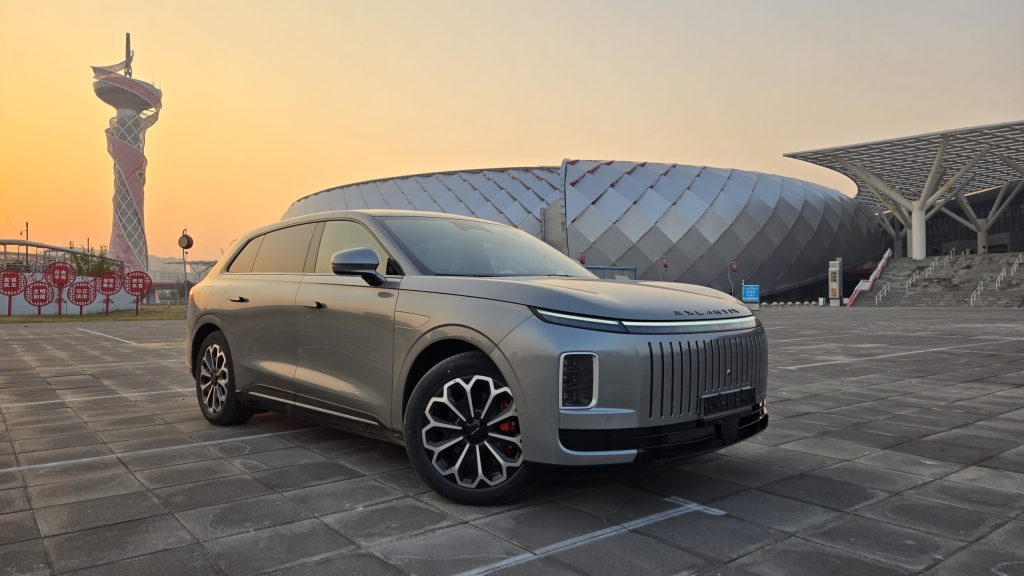
The implications could extend beyond China’s domestic market. Chinese automakers are expanding rapidly into Europe, Southeast Asia, the Middle East, and other international markets. Stronger domestic safety requirements could help manufacturers prepare for increasingly demanding regulations in overseas markets.
It could also encourage automakers to build safety checks into the development of software and autonomous-driving systems much earlier. That would be especially important as vehicles become increasingly dependent on artificial intelligence and automated decision-making.
For consumers, the campaign could eventually mean more proactive recalls, software fixes, and inspections before safety problems become widespread. Manufacturers, meanwhile, will face greater pressure to identify potential defects internally and report them rather than waiting for regulators or customers to uncover them.
The most important change may therefore be cultural rather than technical. China’s automotive industry is moving from an era defined largely by rapid growth and intense product competition toward one in which quality, safety, and long-term reliability are becoming equally important measures of success.
The year-long campaign will show how effectively regulators can apply these standards across China’s large and diverse automotive industry. Following the record recall involving 4.3 million vehicles, the message to automakers is clear. Advanced technology must not compromise basic vehicle safety.
As EVs become more software-driven and autonomous features become increasingly common, regulators are signaling that manufacturers will be expected to identify risks earlier, respond faster, and take greater responsibility for the safety of increasingly complex vehicles.
