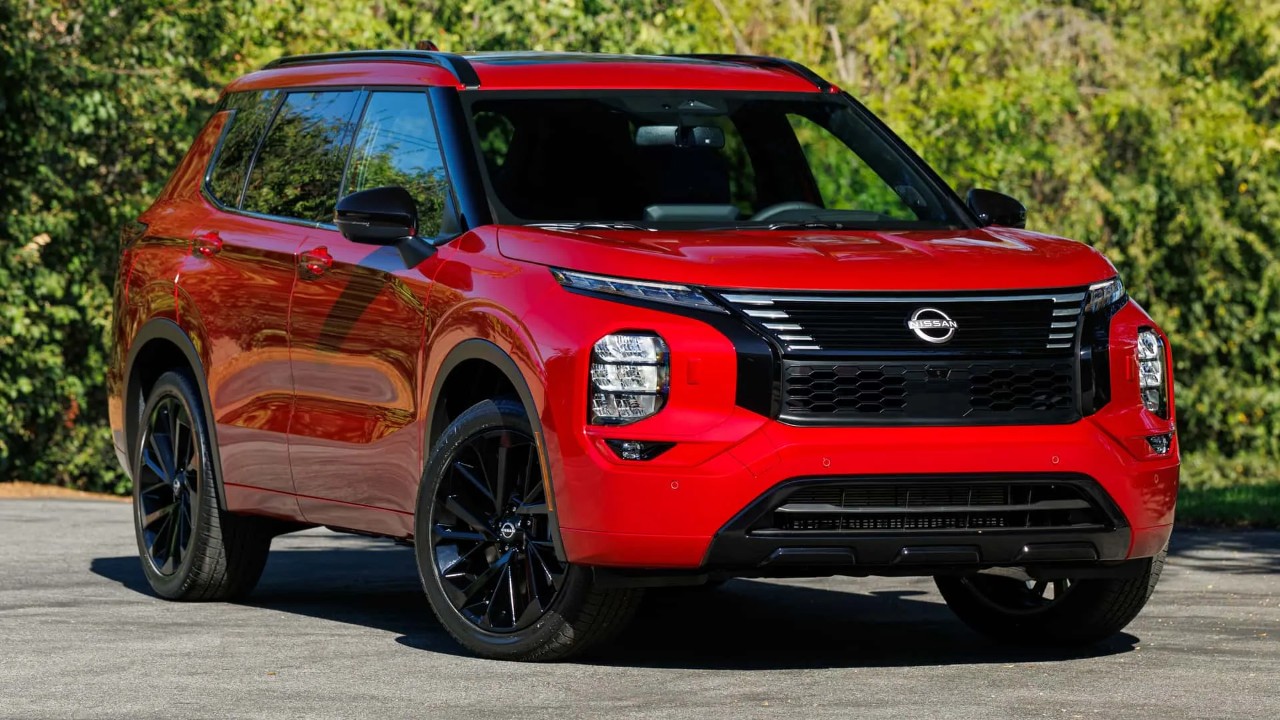
A two-year federal investigation into potential steering problems affecting the 2021 Nissan Rogue has ended without a recall, after U.S. regulators determined that the available evidence did not establish a consistent safety defect across the affected vehicles.
The investigation focused on allegations that the Rogue’s inner tie rods could bend or deform under certain circumstances, potentially affecting wheel alignment and steering control. The probe potentially covered more than 250,000 2021 Rogue SUVs, making the outcome significant for owners of one of Nissan’s most popular vehicles.
According to Autoblog, the National Highway Traffic Safety Administration’s Office of Defects Investigation closed the investigation on August 24, 2026, concluding that the number of relevant allegations was low compared with the size of the vehicle population and its exposure to the reported conditions.
Regulators therefore determined that a recall was not warranted based on the evidence available at the time.
The decision does not mean NHTSA found that a damaged tie rod is harmless. Instead, investigators concluded that the reports did not demonstrate a widespread manufacturing or design defect affecting the 2021 Rogue.
NHTSA’s investigation process allows the agency to review complaints, warranty information, manufacturer data, and other evidence before deciding whether a safety defect exists.
The agency explains that there is no fixed number of complaints required to trigger an investigation; instead, investigators look for evidence of a potential safety-defect trend.
What Triggered the Rogue Investigation?
The investigation began after NHTSA received reports involving alleged bending or deformation of the inner tie rods on 2021 Nissan Rogue models. The concern was that damage to these steering components could alter wheel alignment or potentially lead to a loss of steering control.
Tie rods are fundamental parts of a vehicle’s steering system. They connect the steering rack to the steering knuckle, allowing movement from the steering system to be transferred to the front wheels. If a tie rod becomes severely damaged, bent or disconnected, the affected wheel may no longer respond correctly to steering inputs.
That makes any investigation involving tie-rod failures important, particularly when it concerns a vehicle as widely sold as the Rogue.
According to Autoblog’s account of the investigation, reported problems included bent or deformed tie rods that could interfere with alignment, create abnormal tire wear and contribute to steering-related symptoms. NHTSA reviewed owner questionnaires, warranty claims, complaint information and other data supplied during the investigation.
However, investigators did not find a consistent pattern connecting the reported failures to a particular production period, mileage range, or repeatable failure mechanism. That finding was central to the decision to close the investigation.
Instead, NHTSA found that many of the reported incidents involved circumstances such as pothole strikes, curb impacts, road debris or previous collision damage. Those types of events can place unusually high loads on steering and suspension components, potentially bending parts that otherwise meet their intended design requirements.
Autoblog reported that NHTSA specifically found a low number of allegations relative to the affected vehicle population and the vehicles’ exposure. Investigators also did not identify a common production period or mileage range that would suggest the problem originated from a particular manufacturing issue.
That distinction is important. A vehicle component can fail after an impact without the component itself representing a safety defect under federal recall standards.
In other words, regulators were not simply asking whether Rogue tie rods had ever bent. They were examining whether the evidence demonstrated a defect that occurred often enough and under sufficiently similar circumstances to justify requiring Nissan to recall hundreds of thousands of vehicles. The investigation ultimately did not meet that threshold.
Why No Recall Was Ordered
The decision to close the case without a recall reflects the difference between a safety investigation and a confirmed safety defect.
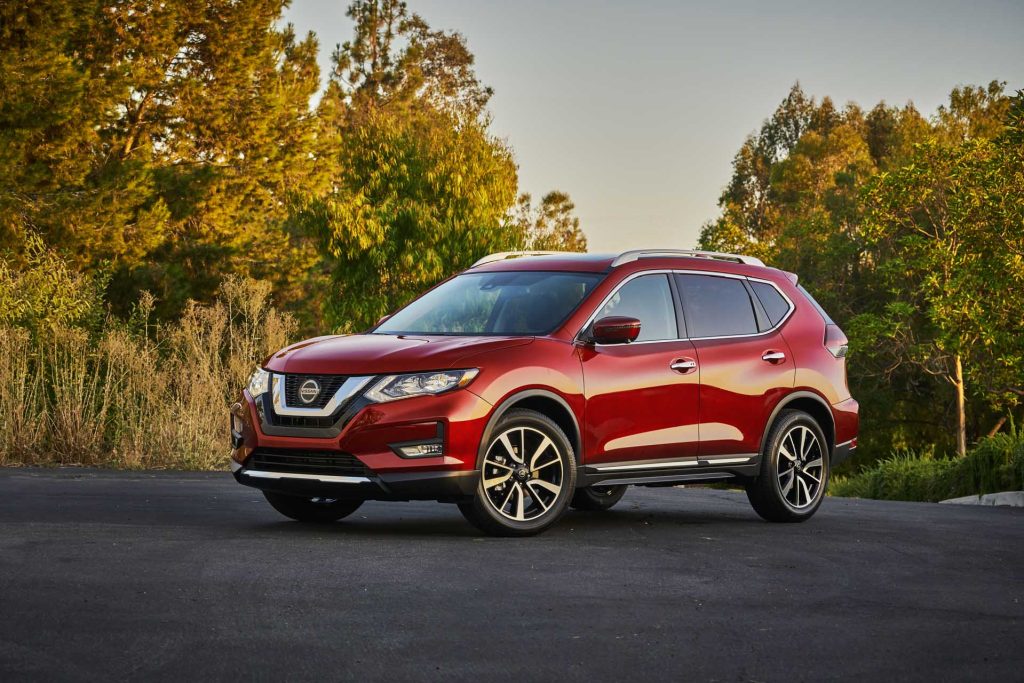
NHTSA’s Office of Defects Investigation collects information from multiple sources before deciding whether further regulatory action is necessary.
The agency says investigators may consider consumer complaints, crashes, injuries, warranty claims, manufacturer information, and other evidence when determining whether a safety-related defect trend exists.
In the Rogue case, the available information did not show the kind of consistent failure pattern regulators would normally expect from a widespread manufacturing or design defect.
That does not eliminate the possibility of individual failures. A tie rod that has been damaged by a pothole, curb, or collision can still create a serious steering problem, regardless of whether the vehicle is covered by a recall.
For Rogue owners, that means symptoms should not be ignored simply because NHTSA has closed the investigation. Excessive steering play, unusual vibration, knocking sounds, uneven tire wear or a steering wheel that no longer sits correctly can indicate problems with steering or suspension components.
Autoblog notes that a severely worn or broken tie rod can ultimately result in loss of vehicle control. The precise symptoms will depend on the nature and severity of the damage, but steering abnormalities generally deserve prompt inspection rather than continued driving.
The 2021 Rogue itself was a completely redesigned model. When it launched, Nissan gave the compact SUV a new platform, a new rack-mounted electric power-steering system, and revised suspension hardware.
The model used a naturally aspirated 2.5-liter four-cylinder engine producing 181 horsepower and 181 pound-feet of torque, paired with a continuously variable transmission. Front-wheel drive was standard, while all-wheel drive was optional.
Those details are relevant because the investigation concerned the 2021 model specifically rather than the entire Rogue nameplate.
The Rogue was also a major vehicle for Nissan in the U.S. market. Autoblog described it as Nissan’s top-selling vehicle in the United States, meaning that even a relatively uncommon defect could potentially affect a large number of customers if investigators found evidence of a common underlying cause.
Instead, the low number of allegations relative to the affected fleet weighed against a recall. NHTSA has nevertheless indicated that the issue can continue to be monitored.
Closing an investigation does not prevent the agency from considering new evidence in the future. If additional complaints establish a stronger pattern, regulators can reassess the situation.
What Rogue Owners Should Know
The end of the investigation provides some reassurance to owners of 2021 Nissan Rogue SUVs, but it should not be interpreted as a guarantee that every vehicle is free from steering problems.
The most important takeaway is that NHTSA did not identify sufficient evidence of a widespread defect requiring a recall. The agency’s conclusion was based on the number and characteristics of the reported incidents, including the role of external impacts and the absence of a consistent failure pattern.
Owners who experience steering problems should therefore have the vehicle inspected, particularly if the symptoms appeared after hitting a pothole, curb or significant road debris. Such impacts can cause damage even when there is no visible evidence immediately afterwards.
A professional inspection can also determine whether a steering problem is isolated to a tie rod or involves related components such as the steering rack, wheel alignment or suspension.
The conclusion is also separate from other issues that have affected Nissan vehicles. Autoblog recently noted that Nissan has faced other reliability concerns, including problems involving the VC-Turbo engine used in some newer Rogue models.
That issue does not apply to the 2021 Rogue covered by this steering investigation, which used the naturally aspirated 2.5-liter four-cylinder engine.
That distinction is important because different Rogue model years use different engines and mechanical configurations, meaning owners should avoid assuming that problems reported on newer vehicles automatically apply to the 2021 model.
For now, the federal investigation is closed, and Nissan is not required to conduct a recall related to the alleged tie-rod problem.
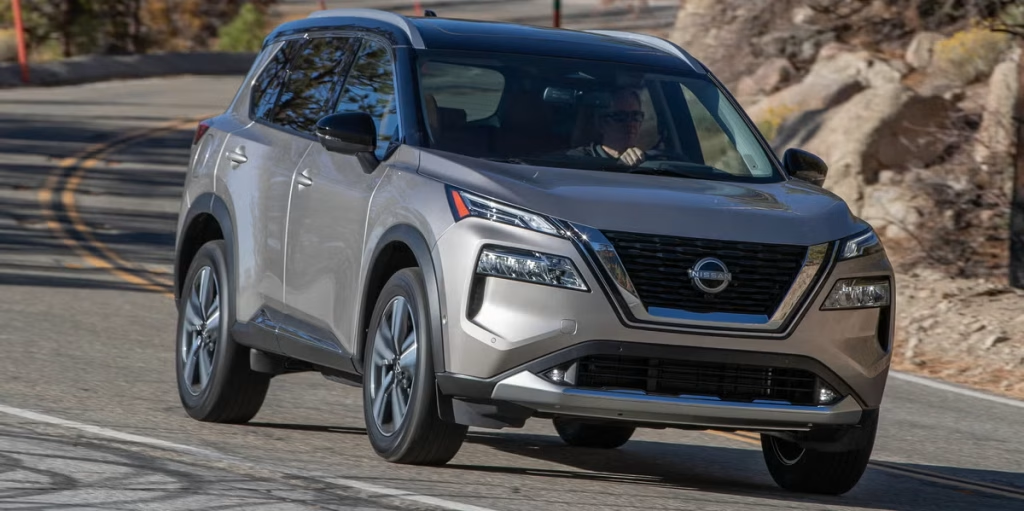
The case nevertheless demonstrates how regulators evaluate potential vehicle defects. A relatively small number of serious-sounding complaints can trigger a federal investigation when a critical safety component is involved, but a recall requires stronger evidence that the problem represents a safety-related defect affecting a broader population.
In this case, NHTSA found that evidence was insufficient. The investigation’s closure should therefore be viewed as a regulatory conclusion rather than a declaration that tie-rod failures cannot occur. Individual 2021 Rogue owners remain responsible for responding to warning signs and maintaining their vehicles properly.
For Nissan, meanwhile, the decision removes the immediate possibility of a large-scale recall involving more than 250,000 vehicles. For owners, it means there is no federally mandated repair associated with this investigation.
For NHTSA, the case also highlights the importance of evaluating complaints within their broader context. Evidence of component failures by itself does not necessarily prove that a manufacturing defect exists.
Unless new evidence changes that assessment, the 2021 Nissan Rogue will remain without a recall stemming from this particular steering investigation.