
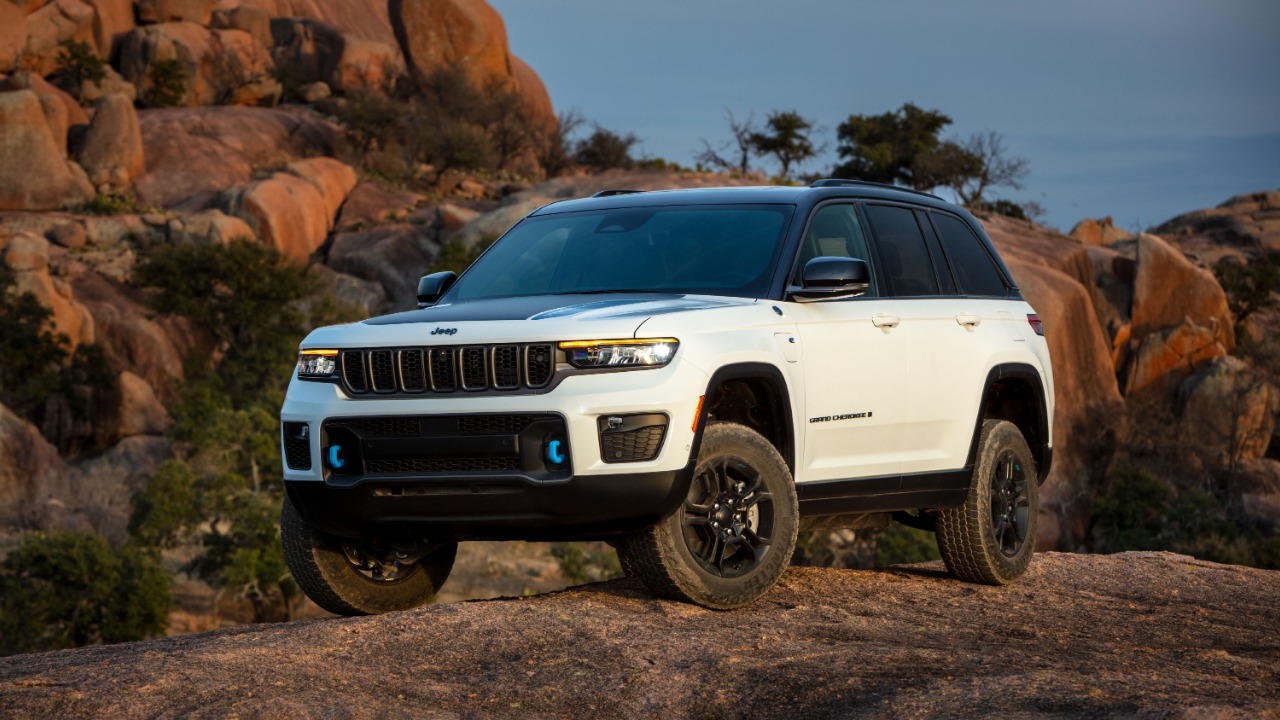
Jeep is facing another safety-related issue involving the Grand Cherokee, with a recall affecting tens of thousands of SUVs because of a problem involving the vehicle’s electronic braking system.
The issue is significant because modern braking systems rely on electronic control modules to manage functions such as anti-lock braking and stability control, meaning a software or module problem can affect how the vehicle responds during critical driving situations.
According to the National Highway Traffic Safety Administration (NHTSA), recalls are issued when manufacturers identify safety defects that could create an unreasonable risk to occupants or other road users.
NHTSA maintains recall information by vehicle, model year, and campaign, allowing owners to check whether their specific vehicle is affected.
The Grand Cherokee has been subject to multiple recalls over recent years, including campaigns involving software and electronic systems. That history illustrates how increasingly sophisticated vehicle architectures can introduce problems that were less common in older, mechanically simpler vehicles.
The latest brake-related concern is particularly important because braking is one of the vehicle’s most fundamental safety functions. Even when a vehicle retains some braking capability, losing electronic assistance or safety functions can increase stopping distances or reduce stability during emergency maneuvers.
Owners should therefore treat any recall involving the brake-control system seriously and arrange the required repair as soon as it becomes available.
Why Electronic Brake Software Matters
Modern vehicles do not rely solely on mechanical components to control braking. Electronic modules continuously monitor wheel speed, brake pressure, and vehicle movement, allowing systems such as anti-lock braking, traction control, and electronic stability control to intervene when necessary. The Grand Cherokee uses this type of electronic architecture.
NHTSA explains that federal vehicle safety standards cover braking systems as well as other critical areas such as crash protection and fuel integrity. Manufacturers must certify that their vehicles comply with the applicable federal standards.
A problem with a brake-control module can therefore have consequences beyond a warning light appearing on the dashboard.
The vehicle’s anti-lock braking system is designed to prevent the wheels from locking under hard braking. This allows the driver to maintain greater steering control while slowing down. Electronic stability control works differently, using sensors and individual brake applications to help keep the vehicle on its intended path when it detects a loss of stability.
If electronic control functions become unavailable, the driver may have to rely more heavily on conventional braking.
That is why software defects can become safety issues even when there is nothing visibly wrong with the brake discs, pads, or hydraulic lines.
The industry has increasingly moved toward software-controlled vehicle systems because they allow manufacturers to integrate braking, powertrain, and driver-assistance functions more closely. Software updates can also correct certain problems without requiring major mechanical work.
However, that convenience comes with another responsibility: manufacturers must ensure that software failures do not create unsafe conditions. The Jeep recall demonstrates the importance of that principle.
The Grand Cherokee is a large SUV that can carry several passengers and substantial cargo. Its size and weight make dependable braking particularly important, especially during emergency stops or when traveling at highway speeds.
What Grand Cherokee Owners Need to Know
The most important point for owners is that a recall does not necessarily mean every vehicle within the affected population has experienced the problem. Recall campaigns generally cover a defined group of vehicles identified by production dates, configurations, or vehicle identification numbers.
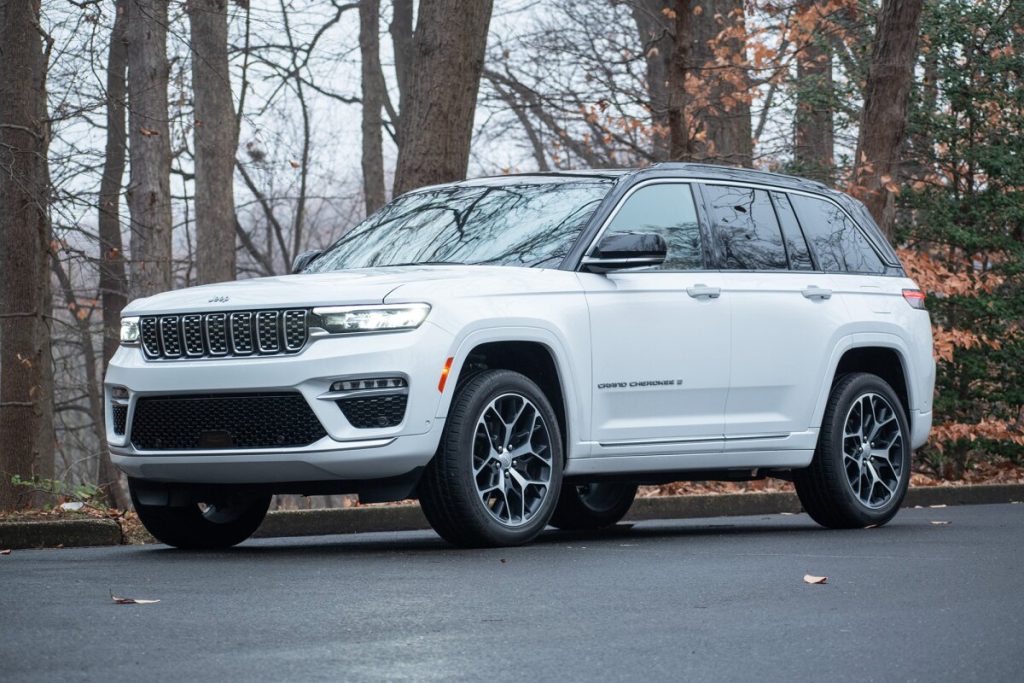
NHTSA specifically recommends that owners use their VIN to check for open recalls. The agency’s SaferCar system can also alert owners when a recall is associated with a vehicle in their account.
Owners should pay attention to warning messages involving the brake system, ABS, or electronic stability control. An illuminated warning indicator does not necessarily mean the vehicle has the specific recalled defect, but it should not be ignored.
A driver who notices unusual brake-pedal behavior, reduced braking assistance, or multiple safety-system warnings should have the vehicle inspected promptly.
The repair process for software-related recalls is generally less complicated than replacing major mechanical components. Depending on the specific campaign, dealers may reprogram or update a control module using factory diagnostic equipment.
When the remedy is a software update, the repair can usually be completed without replacing the brake hardware itself.
NHTSA states that safety recall repairs performed by authorized dealers are provided free of charge to vehicle owners. The agency also notes that recalls do not expire, although owners should not delay repairs because an unresolved safety defect can remain a risk.
This is particularly relevant for used Grand Cherokee buyers. Someone purchasing a secondhand SUV should not assume that a previous owner completed every recall. Checking the VIN is the most reliable way to determine whether an open campaign remains.
The Grand Cherokee’s broader recall history also demonstrates why checking by VIN is more useful than simply searching by model year.
Different versions of the SUV can use different equipment and production configurations, meaning a recall affecting one group may not apply to every Grand Cherokee. NHTSA’s database allows consumers to search recalls by VIN, vehicle year, make, and model.
A Growing Challenge for Modern Vehicles
The Jeep recall is part of a larger transformation taking place across the automotive industry. Vehicles increasingly operate like computers on wheels, with software controlling functions that were once handled almost entirely through mechanical components.
That transformation has created significant advantages. Electronic braking systems can respond more quickly to changing conditions, integrate with stability-control systems, and communicate with advanced driver-assistance features.
Software also allows manufacturers to modify system behavior without redesigning physical components. But the greater dependence on electronics means software reliability is now directly connected to vehicle safety.
The Grand Cherokee has already seen other software-related recalls. For example, certain 2022–2026 Grand Cherokee 4xe plug-in hybrids were recalled after a software error in the hybrid control system could result in a loss of drive power. The campaign involved more than 90,000 vehicles, according to recall records.
That issue was related to the hybrid powertrain rather than the braking system, but it illustrates the same broader trend: software errors can affect critical vehicle functions.
There have also been brake-related service communications involving newer Grand Cherokee models. A Stellantis service bulletin identified a diagnostic issue involving the Brake System Control Module 2 and brake-pressure sensor faults on certain 2023–2026 Grand Cherokee vehicles.
A service bulletin is not the same as a safety recall, and the existence of such a bulletin should not be interpreted as evidence that every vehicle has a safety defect. However, it shows how manufacturers increasingly rely on electronic diagnostics to identify and address braking-system problems.
For Jeep, maintaining customer confidence will depend heavily on how effectively it communicates these issues and completes repairs.
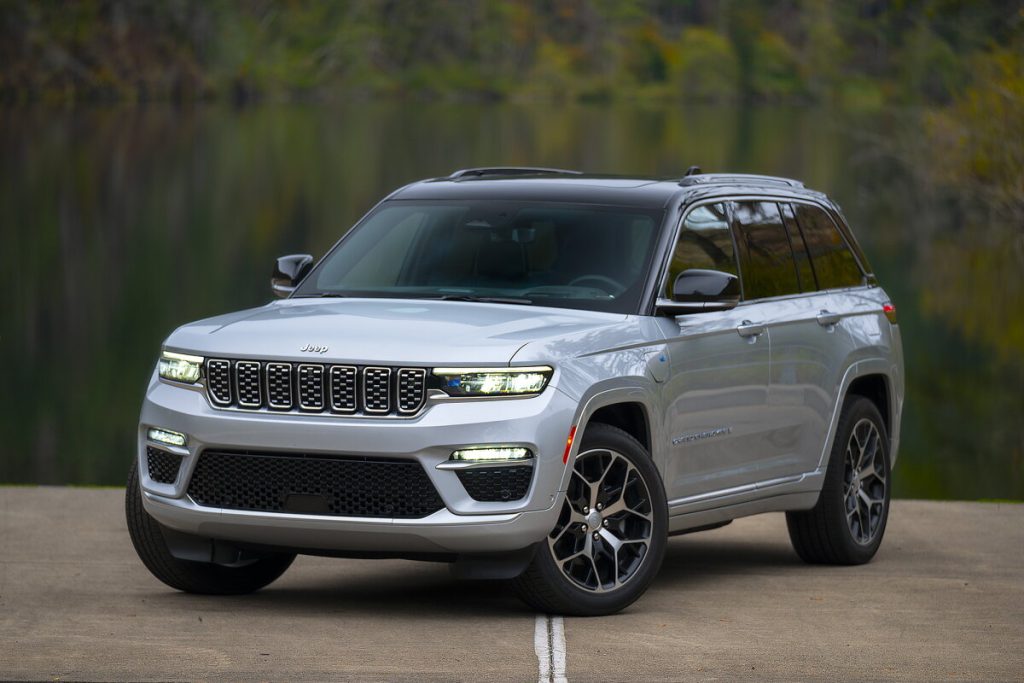
For owners, the message is straightforward: a recall involving electronic braking software should not be treated as a minor technical update. Braking systems are fundamental safety equipment, and electronic controls play an increasingly important role in their operation.
The safest approach is to check the vehicle’s VIN through NHTSA, confirm whether the recall applies, and schedule the repair with an authorized Jeep dealer. NHTSA’s SaferCar system can also provide automatic notifications when new recalls are issued.
The broader lesson is equally important for the automotive industry. As manufacturers add more software to vehicles, safety defects will increasingly involve electronic control systems rather than traditional mechanical failures.
That does not make modern vehicles inherently less safe, but it does make software quality and reliable electronic backups just as important as the physical components underneath the vehicle.
For Grand Cherokee owners affected by this campaign, completing the recall promptly is the most important step. A software fix may take considerably less time than a major mechanical repair, but its importance should not be underestimated.
When the system involved controls a vehicle’s braking functions, even a small software error deserves immediate attention.
