

General Motors and Ford are facing fresh scrutiny from U.S. safety regulators as the National Highway Traffic Safety Administration (NHTSA) examines separate complaints involving braking systems.
The developments put two of America’s largest automakers under additional regulatory pressure as increasingly complex electronic braking systems become common across gasoline and electrified vehicles.
The most clearly defined case involves Ford’s 2024 Maverick Hybrid, with NHTSA opening a defect petition covering an estimated 82,040 pickups. Regulators are examining allegations of intermittent loss of anti-lock braking and regenerative braking associated with certain fault codes.
According to the BRAKE Report, NHTSA opened petition DP26007 on August 24, 2026, after receiving a petition the previous month.
At the same time, NHTSA has escalated a separate investigation into General Motors’ electronic eBoost brake-assist system. That investigation now covers an estimated 1,164,820 GM vehicles, making it substantially larger than the Ford case.
The GM investigation began with complaints involving the Cadillac Lyriq but has since expanded to numerous GM models using the same braking technology.
Neither investigation automatically means a recall is coming. NHTSA must first determine whether the reported conditions represent safety defects requiring corrective action. An investigation is an evaluation of a potential problem, not a regulatory finding that every vehicle in the affected population is defective.
Ford Maverick Hybrid Braking Complaints Under Review
The Ford investigation centers on the 2024 Maverick Hybrid, a compact pickup combining a gasoline engine with an electric motor and regenerative braking.
According to NHTSA’s investigation information reported by The BRAKE Report, the agency is examining allegations of intermittent loss of anti-lock braking and regenerative braking when certain fault codes occur. The petition claims the condition could increase the risk of a collision.
The issue is significant because the Maverick Hybrid coordinates conventional friction brakes with regenerative braking. Regenerative braking uses the electric motor to help slow the vehicle while recovering energy for the hybrid battery. Anti-lock braking helps prevent wheel lockup during hard braking and allows the driver to retain steering control.
A malfunction affecting either system can therefore change how the vehicle responds when the driver applies the brake pedal.
The investigation was prompted by a consumer petition rather than an announcement that Ford had already determined a safety defect existed. Morningstar reported that the petition alleges intermittent loss of anti-lock and regenerative braking associated with certain diagnostic fault codes and claims that the problem contributed to a collision.
That allegation is now being evaluated by NHTSA. The estimated population of 82,040 vehicles does not mean all those Mavericks have experienced braking problems. It represents vehicles potentially covered by the investigation based on information available to regulators.
NHTSA can request technical information from Ford, examine vehicles, review warranty records, and assess crash reports before deciding what action, if any, is appropriate.
The Maverick Hybrid has already undergone previous software and brake-related scrutiny, making the latest petition another test of Ford’s ability to address complaints involving increasingly sophisticated electronic controls.
For owners, important warning signs include changes in braking behavior, unexpected warning messages, or any situation in which the vehicle does not respond normally to pedal input. A driver experiencing a significant braking problem should have the vehicle inspected rather than continuing to operate it normally.
At this stage, NHTSA has not ordered a recall for the 2024 Maverick Hybrid as a result of DP26007.
GM’s Investigation Expands to More Than 1.1 Million Vehicles
GM’s situation is considerably larger in scale. NHTSA has expanded its investigation into the automaker’s eBoost electronic braking system after receiving additional complaints that raise questions about how the system behaves when a component fails.
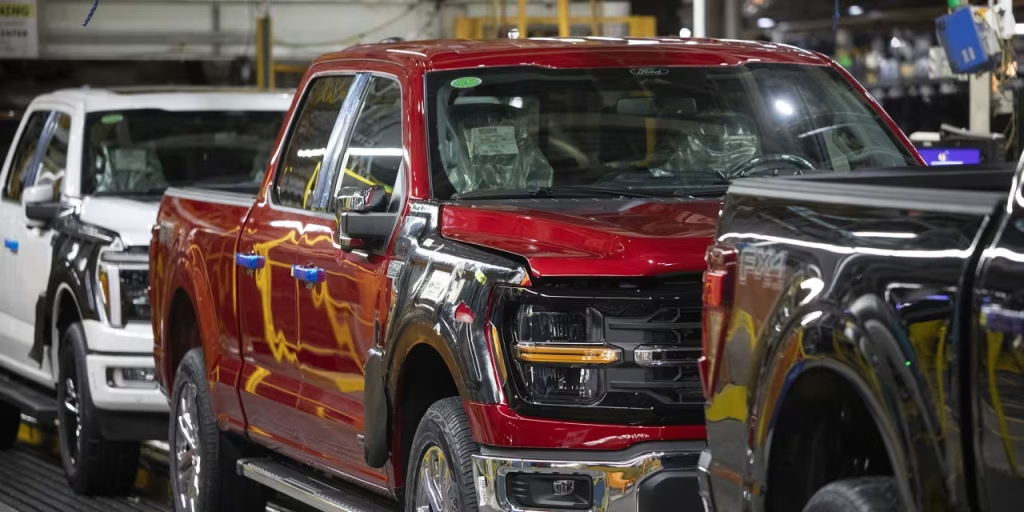
According to NHTSA’s investigation, the agency has identified approximately 1.16 million vehicles using the relevant system. The investigation covers vehicles from several GM brands and model lines, including the Cadillac Lyriq, Chevrolet Colorado, GMC Canyon, and several Buick, Chevrolet, and Cadillac SUVs.
The probe began in April 2024 following reports involving the 2023 Cadillac Lyriq. Owners reported a hard brake pedal and brake-system warning messages. NHTSA subsequently received additional reports describing loss of brake assist while vehicles were being driven.
The agency’s latest review includes 745 reports, according to investigation information summarized by MotorBiscuit. Those reports include 22 crash or fire incidents and six reported injuries, with no deaths listed.
The central issue involves the electronic brake-control system. Unlike a traditional vacuum-assisted setup, GM’s eBoost system uses electronic controls to provide hydraulic brake assistance.
If that assistance is lost, the vehicle can still have mechanical braking capability, but the driver may need to apply substantially greater force to the pedal. The concern is that such a change could happen unexpectedly while the vehicle is moving, potentially increasing stopping distances.
GM previously attributed the original problem to a possible spindle fracture inside the Electronic Brake Control Module during certain anti-lock braking events. The company told regulators that its earlier understanding was that loss of brake assist would occur only after the vehicle had stopped, with conventional braking remaining available.
However, newer complaints alleging loss of brake assistance while driving have prompted NHTSA to conduct a deeper engineering analysis.
The agency’s escalation does not establish that GM’s earlier explanation was incorrect. It means regulators want to determine whether the newer reports indicate a broader or more serious failure mode.
The investigation now includes vehicles built from 2023 through 2026, depending on the model. The breadth demonstrates how one component or system can create regulatory exposure across multiple nameplates.
What the Investigations Mean for Owners
The simultaneous scrutiny of Ford and GM highlights a broader challenge facing the modern automotive industry. Braking systems are becoming increasingly integrated with electronic controls, regenerative braking, stability-control systems, and driver-assistance technology.
That integration can improve efficiency and vehicle behavior, but it also introduces more software and electronic components into systems where reliability is critical.
Neither the Ford Maverick investigation nor the expanded GM investigation should be interpreted as confirmation that a recall is inevitable. NHTSA distinguishes between investigations and recalls, with investigations potentially being opened, expanded, or closed depending on the evidence collected.
For GM owners, an unusually hard brake pedal, a brake-system warning, or an unexpected change in braking assistance should be treated seriously. For Maverick Hybrid owners, any intermittent loss of braking functions or warning messages should similarly be reported and investigated.
The regulatory developments demonstrate why manufacturers face increasing pressure to identify safety problems early. Electronic braking systems involve complex interactions between hardware, software, and vehicle-control modules, making traditional assumptions about mechanical failures less applicable.
Ford has faced previous brake-related regulatory action. In 2025, the company recalled more than 312,000 U.S. vehicles after NHTSA determined that loss of electronic brake assist could extend stopping distances.
That earlier recall involved models including the F-150, Expedition, Bronco, Ranger, and Lincoln Navigator and was addressed through an electronic brake booster software update.
The current Maverick investigation is separate and does not mean the same defect exists in the Maverick Hybrid. However, it illustrates why regulators are paying close attention to electronically controlled braking systems.
For GM, the potential scale is even more significant. More than 1.1 million vehicles are now within the scope of the eBoost investigation, but that figure should not be confused with the number of vehicles that will ultimately require a recall.
NHTSA’s next steps will depend on what investigators find when they examine complaints, technical data, and affected components.
If regulators determine that a safety defect exists, GM or Ford could eventually be required to conduct a recall. If the evidence does not support such a conclusion, an investigation could instead be closed without further action.
For now, the key development is that both automakers are facing heightened scrutiny over braking performance.
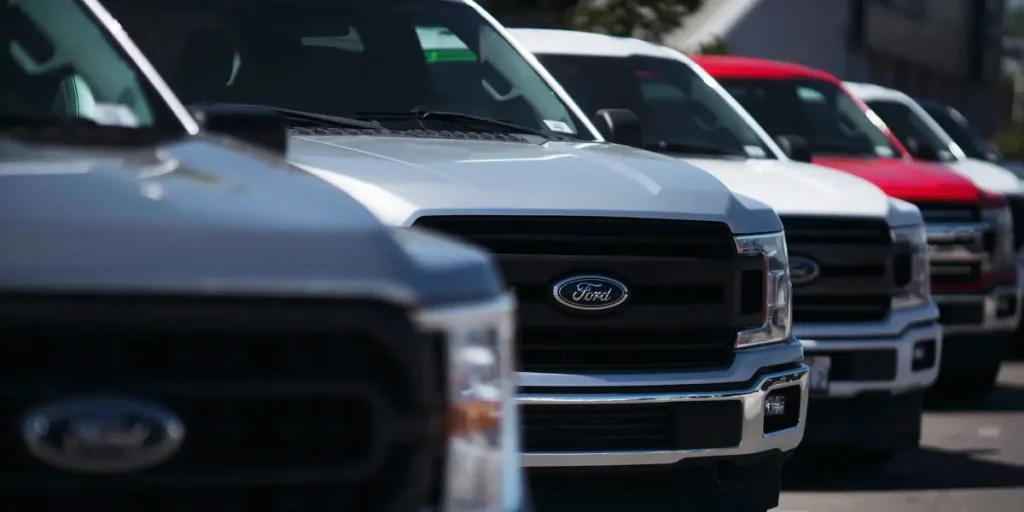
The Ford case focuses on a relatively small population of Maverick Hybrids and alleged losses of anti-lock and regenerative braking, while the GM investigation involves a much broader range of vehicles and concerns the performance of its eBoost brake-assist system.
The cases underline an important reality of modern vehicle safety: braking technology is no longer purely mechanical.
As electric motors, regenerative braking, and electronic controls become increasingly integrated into vehicles, regulators are examining not only whether hardware works but also whether systems continue operating safely when electronic components or control functions fail.
For owners, no recall has been announced from either investigation at this stage. The appropriate response is to monitor official NHTSA and manufacturer communications and report unusual braking behavior promptly.
For Ford and GM, the priority will be demonstrating that their systems provide predictable braking performance under both normal operation and fault conditions.
