
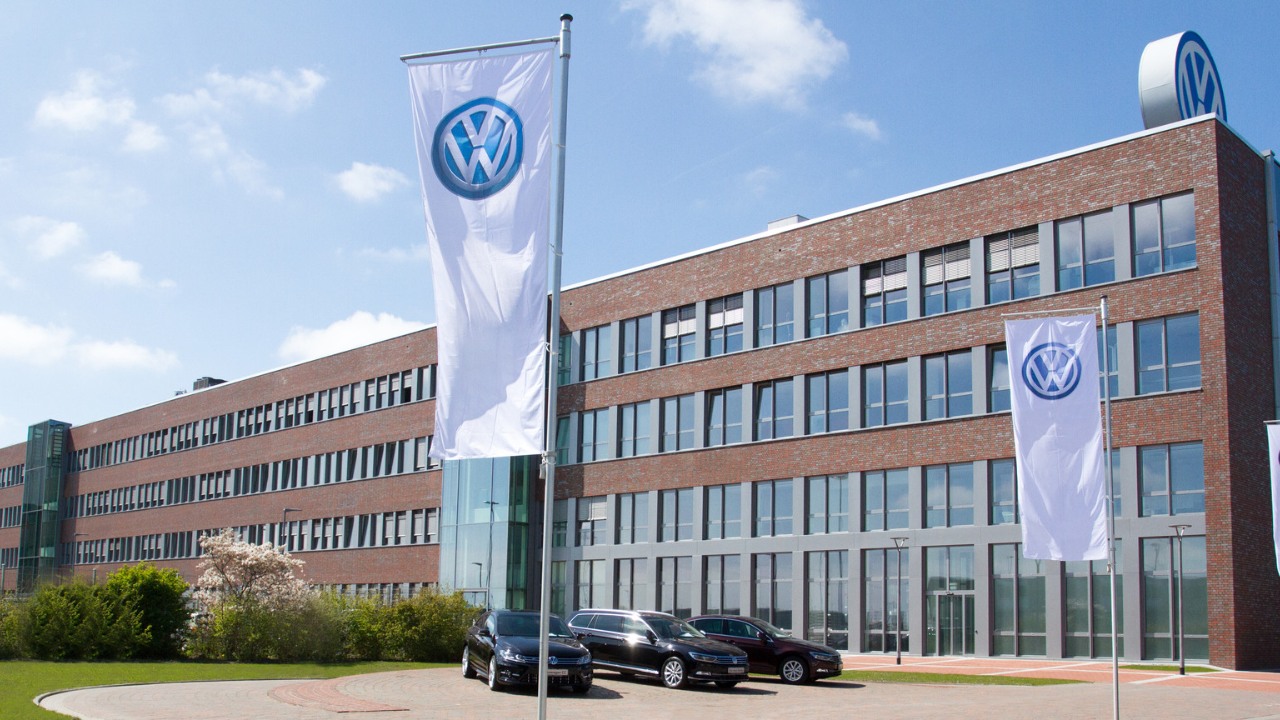
Volkswagen is considering a major reduction of its German manufacturing footprint as the automaker searches for deeper savings amid weak profitability, excess capacity, and growing competition from Chinese manufacturers.
According to Reuters, Volkswagen management plans to propose ending production at four German plants between 2031 and 2034. The reported plan would see production end at Emden and Zwickau in 2031, Hanover in 2032, and Audi’s Neckarsulm facility in 2034.
The proposal is based on an internal supervisory board document, and the board is expected to review it on September 4. Volkswagen has declined to comment on the contents of internal board documents.
The proposal is not yet a final decision. It faces resistance from labor representatives, who have already rejected previous attempts to impose deeper cuts. Still, the possibility of four factories losing production shows how serious Volkswagen’s cost problem has become.
The company has already agreed to substantial restructuring measures, including workforce reductions and lower production capacity. Management now argues that additional changes are necessary because several German plants remain significantly more expensive than alternative European production locations.
Volkswagen Chief Financial Officer Arno Antlitz warned on August 31 that four German sites have no economically viable follow-up production plans after their current programs end. He said maintaining the existing structure without reducing excess capacity would leave Volkswagen with a permanent cost disadvantage of roughly €1.5 billion a year.
Why Volkswagen Is Under Pressure to Cut Costs
Volkswagen’s German factories were built around an automotive industry dominated by combustion engines, large production volumes, and extensive mechanical manufacturing. The transition toward electric vehicles is changing that economic model.
EVs generally contain fewer mechanical components than conventional cars and require different production processes. At the same time, European electric-vehicle demand has developed more slowly and unevenly than many automakers expected.
Consumers remain divided over EV prices, charging infrastructure, and the timing of the transition away from combustion engines.
That creates a difficult capacity problem. Factories have substantial fixed expenses for workers, energy, equipment, and maintenance regardless of how many vehicles they produce. When output falls, the cost per vehicle rises.
German manufacturing is particularly challenging because labor and other operating costs are high compared with many competing locations. Volkswagen therefore has to decide which factories can support future models at competitive costs and which facilities may no longer have a strong economic case.
The company’s previous restructuring agreement demonstrated how difficult that decision can be. Volkswagen and its labor representatives reached a deal in December 2024 that avoided immediate German plant closures while reducing production capacity and employment. Management now believes further action is needed.
Antlitz has stressed that Volkswagen will attempt to protect jobs and industrial value creation at its sites, while also warning that keeping all four facilities operating without viable successor products would create a significant long-term cost burden.
The proposed timeline gives Volkswagen several years to adjust. Ending production between 2031 and 2034 would allow existing vehicle programs to reach the end of their life cycles before facilities are potentially wound down. It also leaves time for negotiations over alternative uses, future investment, or new production assignments.
Volkswagen’s German employees have significant influence through the company’s works council structure, while IG Metall remains a powerful force in negotiations. Reuters reported that union leaders have warned of major resistance if Volkswagen attempts to reopen agreements already reached with workers.
The conflict is therefore about more than four individual factories. It concerns how much manufacturing Volkswagen should retain in Germany and who should bear the cost of making the company more competitive.
Chinese Competition Adds to the Pressure
Volkswagen’s cost-cutting strategy is closely linked to the broader transformation of the European automotive industry.
Chinese manufacturers have become increasingly competitive in electric vehicles, particularly in batteries, software, electronics, and manufacturing efficiency. Companies such as BYD have expanded internationally and are putting additional pressure on established European automakers.
Volkswagen still has major advantages, including strong brands, extensive dealer networks, manufacturing experience, and a substantial European customer base. But those advantages do not eliminate the need to reduce costs.
Volkswagen has responded with major investments in electric platforms, software, and batteries. Its MEB architecture supports a broad range of EVs, while new platforms are being developed for future models. The company has also pursued partnerships with Chinese automakers to accelerate development.
But competitive vehicles will not solve Volkswagen’s problem if the cost of producing them remains too high.
That is why factory utilization has become central to the restructuring. A plant needs enough production volume and a strong future product program to justify its fixed costs. If an existing model ends and no economically viable successor is available, Volkswagen must decide whether to invest heavily in a new program or shift production elsewhere.
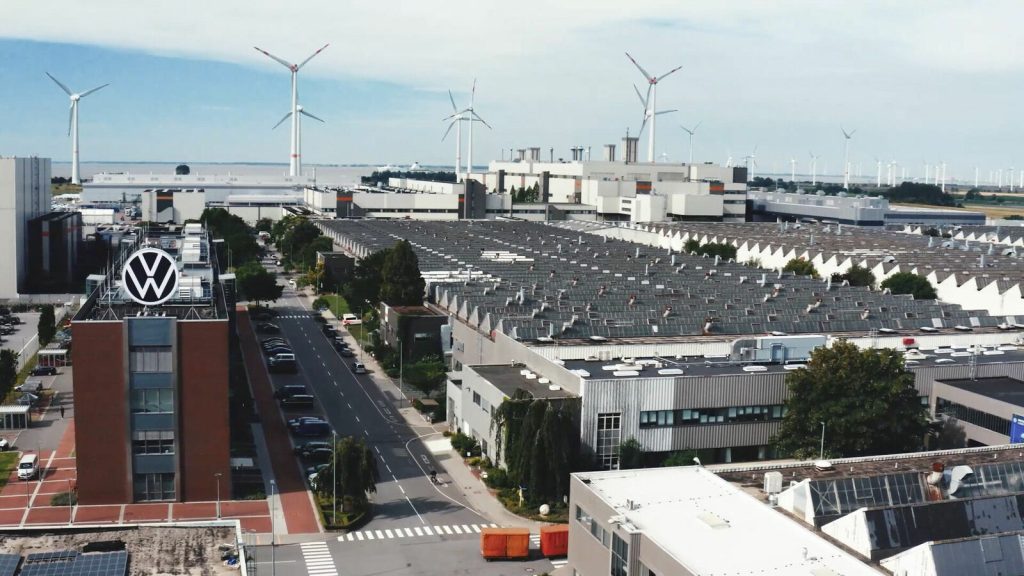
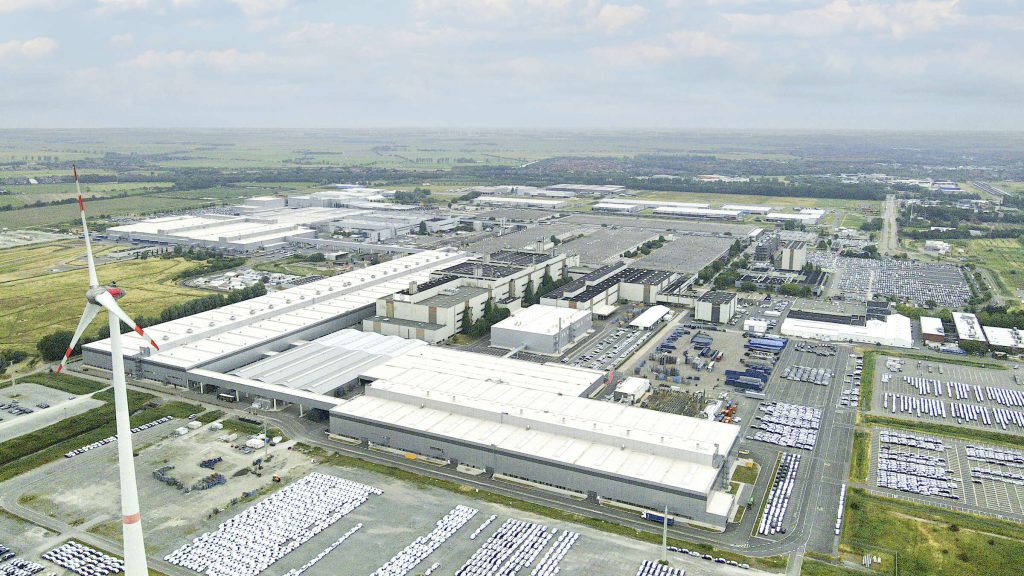
The four facilities now under discussion illustrate that challenge. Emden and Zwickau are closely associated with Volkswagen’s electric-vehicle transition, while Hanover has traditionally been important for commercial vehicles. Neckarsulm is an Audi facility, showing that the pressure extends across the wider Volkswagen Group.
Reuters previously reported that Volkswagen was considering four German plant closures and potentially up to 100,000 job cuts as part of a broader restructuring.
The latest plan provides more specific timelines for ending production, but it remains part of the same broader effort. The goal is to reduce excess capacity while making the company more competitive.
What the Potential Closures Mean
If production eventually ends at all four sites, Volkswagen would have a smaller German manufacturing network and potentially lower fixed costs. The company could concentrate future vehicle programs at facilities that are better positioned to operate efficiently.
However, closing plants also carries major risks. A factory supports thousands of direct jobs and additional positions at suppliers, logistics companies, and local businesses. Reducing production can therefore affect entire communities.
That makes negotiations particularly important. Labor representatives are likely to argue that Volkswagen should find successor products or alternative industrial uses for the affected facilities rather than simply allowing production to disappear.
The company, meanwhile, has to consider whether assigning new models to every plant would make financial sense.
Future product allocation will be critical. A factory with a high-volume electric model can remain competitive, while a facility without sufficient production may become increasingly expensive to operate. Volkswagen must determine where its future EVs, hybrids, and remaining combustion-powered vehicles should be built.
There is also an element of uncertainty. European EV demand could strengthen considerably later this decade. If Volkswagen reduces capacity too quickly, it could find itself short of production capability. If demand remains weak, maintaining too many plants could continue to weigh on profitability.
The 2031–2034 timeline allows Volkswagen to monitor those developments before the reported production endings take place.
For employees, however, uncertainty begins much earlier. Decisions about factory investments and future models can influence hiring, training, and job security years before a plant officially stops building vehicles.
Volkswagen’s leadership must therefore balance financial discipline with the need to maintain employee confidence and preserve industrial expertise.
For now, the reported closures remain a proposal rather than a finalized decision. The supervisory board still has to consider the plan, and negotiations with labor representatives are likely to be difficult.
What is clear is that Volkswagen no longer has the luxury of maintaining every factory under the assumptions that supported its previous business model. The company needs to lower costs while investing heavily in the technology required for the next generation of vehicles.
If Volkswagen succeeds, a leaner manufacturing network could give it greater flexibility and help it compete more effectively with Chinese rivals. If it fails to reduce costs, pressure for deeper restructuring is likely to continue.
The possible end of production at Emden, Zwickau, Hanover, and Neckarsulm is therefore more than a story about four German factories. It shows how deeply electrification, changing demand, and intensified global competition are reshaping one of Europe’s most important automakers.
