
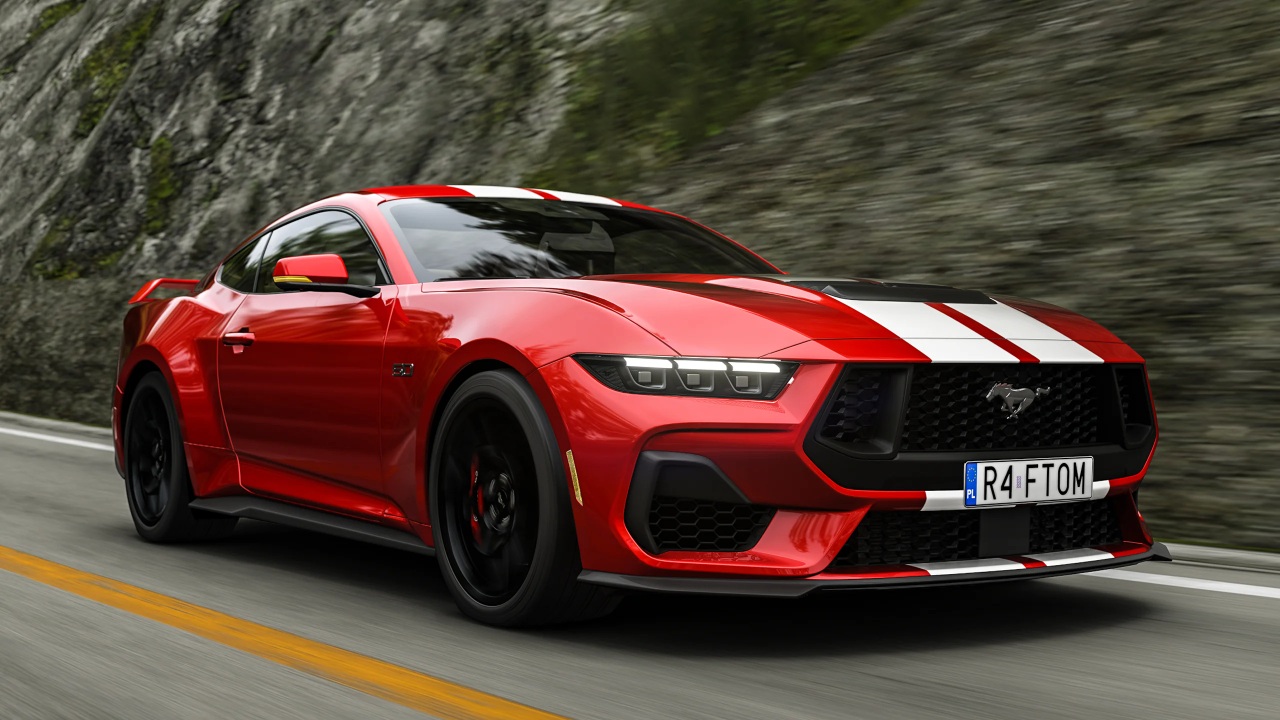
Ford is recalling 148,663 Mustang vehicles in the United States after discovering an electrical problem that can potentially cause a sudden loss of drive power while also disabling important functions such as the headlights and windshield-washing system.
The recall, announced September 1, 2026, affects certain 2024–2026 Ford Mustang models. According to Reuters, the National Highway Traffic Safety Administration (NHTSA) said the problem involves ground connections in the engine-compartment wiring harness.
If those connections fail, affected vehicles can lose propulsion or lose the ability to operate systems needed for visibility and normal vehicle operation.
The problem is significant because it combines two separate safety concerns. A sudden loss of drive power can increase the risk of a crash, while losing headlights or windshield-washing capability can make it harder for a driver to see or be seen, particularly at night or during poor weather.
Ford will repair the affected vehicles at no cost, although owners may have to wait for the final remedy to become available.
What Is Causing the Mustang Problem?
The recall centers on the engine-compartment wiring harness ground terminals. These connections provide an electrical path to ground for vehicle systems, and their failure can interrupt power to several functions.
According to NHTSA information cited by Reuters, the affected ground connections can fracture. When that happens, the Mustang could experience a loss of drive power. The same problem can also affect the headlights, windshield washer system, air conditioning, and engine cooling fan.
The combination of affected systems makes this more serious than an ordinary electrical malfunction.
Losing air conditioning would generally be an inconvenience, and a cooling-fan problem could create longer-term mechanical concerns. However, the potential loss of propulsion and visibility-related equipment creates a direct safety concern.
If a Mustang suddenly loses drive power while traveling in traffic, the driver could be forced to react quickly to avoid being struck from behind or becoming stranded in a dangerous location. The risk could be greater on highways, at intersections, or in heavy traffic.
A failure involving the headlights presents another concern. If the problem occurs at night, the driver could suddenly have reduced illumination of the road ahead while also becoming less visible to other motorists.
The windshield-washing system is similarly important during rain, road spray, or situations where dirt and debris cover the windshield. A driver who cannot clean the windshield may experience a rapid reduction in visibility.
NHTSA’s recall information identifies the campaign as 26V547, while Ford’s internal recall number is 26C40. The affected vehicles were produced between September 7, 2022, and June 9, 2026. However, not every Mustang built during that period is necessarily affected, so owners must verify their individual vehicle identification number.
Importantly, Ford has told regulators that it is not aware of crashes or injuries associated with this specific defect. That does not eliminate the potential risk, but it indicates that the recall is being conducted before the reported condition has resulted in known injuries.
Ford’s decision to recall such a large population also reflects the way safety campaigns are handled. Manufacturers do not need to wait for large numbers of crashes before addressing a defect that could create a safety hazard.
Which Mustangs Are Covered and What Is the Fix?
The recall affects 148,663 U.S. Mustangs from the 2024 through 2026 model years. The current-generation Mustang began with the 2024 model year, meaning the campaign reaches across a substantial portion of the seventh-generation car’s production.
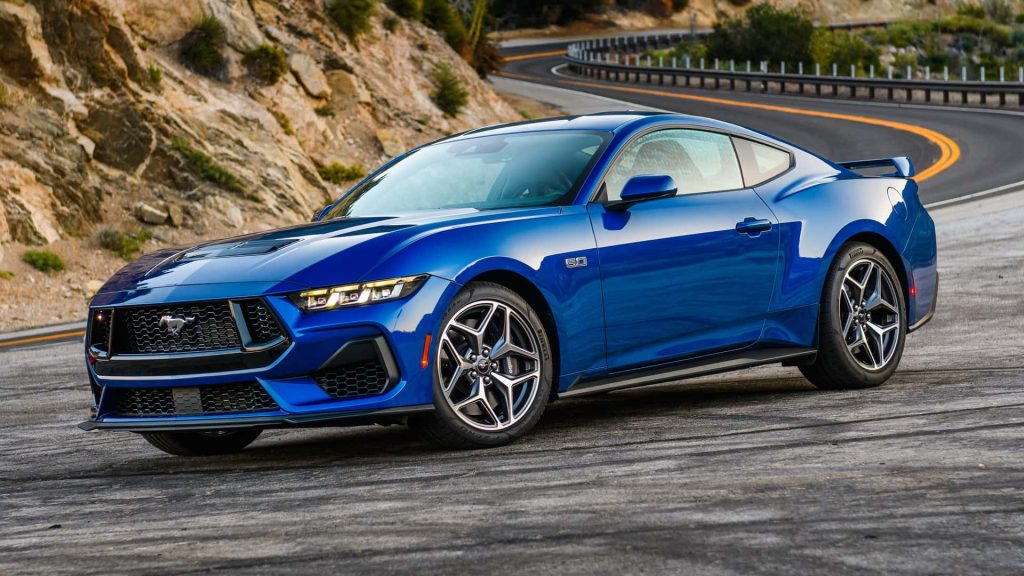
That includes different versions of the Mustang lineup. The recall is not limited to a single performance model or engine configuration, although owners should rely on their VIN rather than assuming that every Mustang of the same model year is included.
According to NHTSA information reported by Reuters, Ford dealers will replace the engine-compartment wiring-harness ground terminals with the corrected components free of charge.
The repair itself appears relatively straightforward compared with a major engine or transmission replacement. The concern is the availability and timing of the permanent remedy.
Ford began sending interim notification letters to affected owners on August 31, 2026, according to recall information reported by CBS News. The company expects additional communications once the final remedy becomes available, currently anticipated around March 2027.
That delay is notable because the defect potentially involves propulsion and visibility functions rather than a minor convenience feature.
Owners who receive a recall notice should therefore pay close attention to any instructions from Ford regarding vehicle operation before the permanent repair becomes available.
NHTSA recommends that consumers check their vehicles for open recalls using the vehicle identification number. The agency explains that its recall system can show unrepaired safety recalls associated with a specific vehicle, and recall repairs performed by manufacturers’ authorized dealerships are free of charge.
This is particularly important for used-car buyers. A person purchasing a used 2024, 2025, or 2026 Mustang should not assume that a previous owner completed every recall campaign. Checking the VIN provides a much more reliable answer.
Owners should also pay attention to symptoms that could indicate an electrical problem. A sudden warning message, loss of vehicle functions, or unexpected change in propulsion should be investigated rather than ignored.
Drivers who experience an apparent loss of power while on the road should prioritize getting the vehicle to a safe location and following the instructions provided by Ford or NHTSA.
Why the Recall Matters for Ford and Mustang Owners
The latest Mustang campaign arrives during an active period of recall activity for Ford. Reuters noted that Ford recalled 91,198 U.S. vehicles in June 2026 because their daytime running lamps could fail to dim properly, potentially reducing visibility for other drivers and increasing crash risk.
The new Mustang recall is unrelated to that earlier lighting campaign, but both illustrate how electrical and electronic systems have become increasingly important to vehicle safety.
Modern cars depend on extensive wiring networks to distribute power to computers, sensors, lighting systems, climate equipment, and powertrain components. A problem with a relatively small connection can therefore affect multiple functions simultaneously.
The Mustang recall also demonstrates why seemingly simple electrical components deserve serious engineering attention.
A ground connection may not receive the same attention as an engine, transmission, or braking system, but the failure of one can interrupt several vehicle functions. As vehicles become more electronically integrated, the reliability of wiring, connectors, and electrical grounding becomes increasingly important.
For Mustang owners, the immediate priority is determining whether the vehicle is included in the campaign.
NHTSA says owners can search for recalls by VIN, and its recall database is continuously updated as manufacturers submit new campaigns. The agency also emphasizes that safety recalls do not expire and encourages owners to have open recalls repaired as soon as possible.
The repair will not require owners to pay for the affected work. Once the final remedy is available, Ford dealers will perform the required repair without charge.
The larger issue is the potential combination of failures. A vehicle that loses propulsion is already presenting a serious situation, but the risk becomes greater if the same electrical problem also disables headlights or windshield washing. Those systems become especially important when driving after dark or during adverse weather.
That is why NHTSA classifies the condition as a safety concern rather than simply an electrical inconvenience.
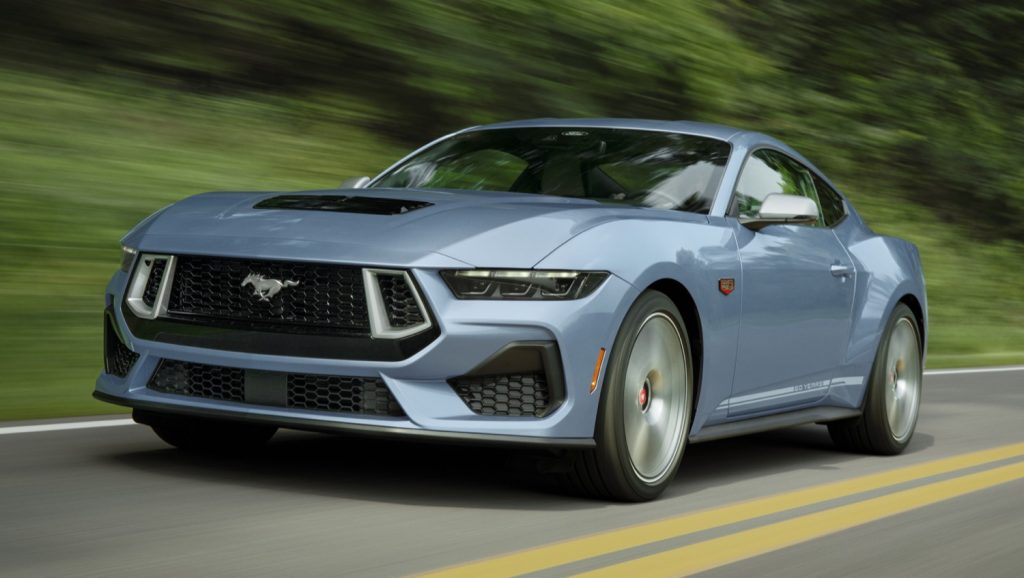
For Ford, the recall also reinforces the importance of identifying electrical-system weaknesses before they lead to widespread incidents. The Mustang is one of the company’s most recognizable models, and the affected population is large enough that ensuring owners receive clear instructions will be essential.
The recall does not mean that every affected Mustang will experience the failure. NHTSA and Ford are identifying a population that could contain vehicles with the problematic connections, allowing those vehicles to be repaired before a failure occurs.
For owners, the safest approach is simple. Check the VIN, follow Ford’s recall instructions, and schedule the repair as soon as the permanent remedy becomes available.
The latest Mustang campaign is ultimately a reminder that modern vehicle safety depends on far more than the engine, brakes, and tires. Electrical connections can determine whether a vehicle continues to move, whether its headlights illuminate the road, and whether a driver can maintain visibility through the windshield.
With 148,663 Mustangs included, Ford’s latest recall is substantial in size. While no crashes or injuries have been linked to the defect so far, the potential consequences of losing drive power or essential visibility functions make the campaign one that owners should take seriously.
