
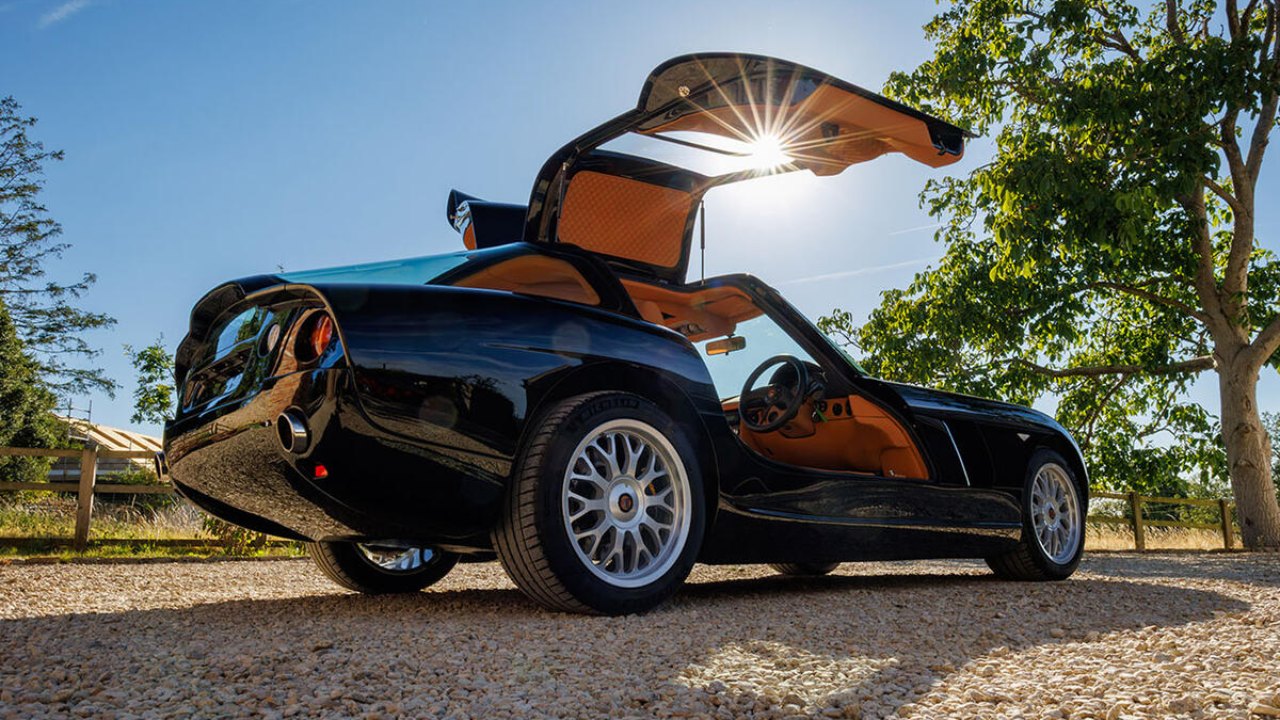
Bristol is back, and it is returning with a sports car formula that feels almost deliberately out of step with the modern automotive industry. The historic British marque is reviving its V10-powered fighter, bringing the name back into production after roughly 15 years of dormancy.
According to Autocar, Bristol Cars plans to build five more Fighters using unfinished chassis left from the original production run. The cars will be built in partnership with an unnamed UK manufacturer and represent the first step in a broader attempt to revive Bristol as a low-volume, highly individualistic performance brand.
The revival is notable not simply because an old model is returning, but because Bristol has chosen one of its most unusual cars to restart the company.
The Fighter was introduced in 2004 with an 8.0-liter V10 derived from the Dodge Viper, producing up to 600 bhp. It was a 210 mph luxury GT with gull-wing doors and rear-wheel drive, built in extremely small numbers.
Now, more than a decade after production ended, Bristol is using the remaining chassis to finish a chapter that was left incomplete while preparing the groundwork for a new future.
A V10 Relic Becomes Bristol’s First Step Back
The original fighter was never designed to compete with mainstream sports cars. Bristol traditionally occupied a strange but distinctive position in the British car industry, building expensive, hand-finished cars for customers who valued individuality and engineering character more than fashion or mass-market appeal.
The Fighter followed that philosophy. Its enormous V10 engine gave it supercar-level performance, but its mission was closer to that of a powerful grand tourer. The car combined extreme performance with the unusual character Bristol buyers expected.
Autocar reports that production of the Fighter continued in small numbers until 2011, when Bristol Cars went into administration. Just 13 examples are thought to have been registered, making the model exceptionally rare even among low-volume British sports cars.
The five new cars will not be conventional modern continuation models. Bristol will use the remaining unfinished chassis and sell the cars through Individual Vehicle Approval, or IVA. They will also carry period-correct 2008 number plates because the chassis were technically built during that period.
That detail may seem unusual, but it reflects the nature of the project. Bristol is not attempting to recreate the Fighter from scratch. It is completing vehicles that were effectively left unfinished when the original company collapsed.
One car has already been completed and is being shown at Salon Privé. According to Autocar, that example has a black exterior and tan interior, while buyers of the remaining four cars will be able to specify their own finishes.
Bristol has yet to reveal pricing for the new examples. The original Fighter was listed at around $315,000, while the revived cars are expected to cost considerably more. Their rarity, along with the expense of completing them decades after the original production run, is likely to push prices significantly higher.
That makes the project especially interesting at a time when the performance-car industry is moving toward smaller engines, electrification, and increasingly complex emissions technology. Bristol is choosing to restart with one of the most old-school powertrains imaginable.
A Bridge Between Old and New
Bristol’s new owners describe the five Fighters as more than a limited production run. The company sees them as a bridge between its past and its intended future.
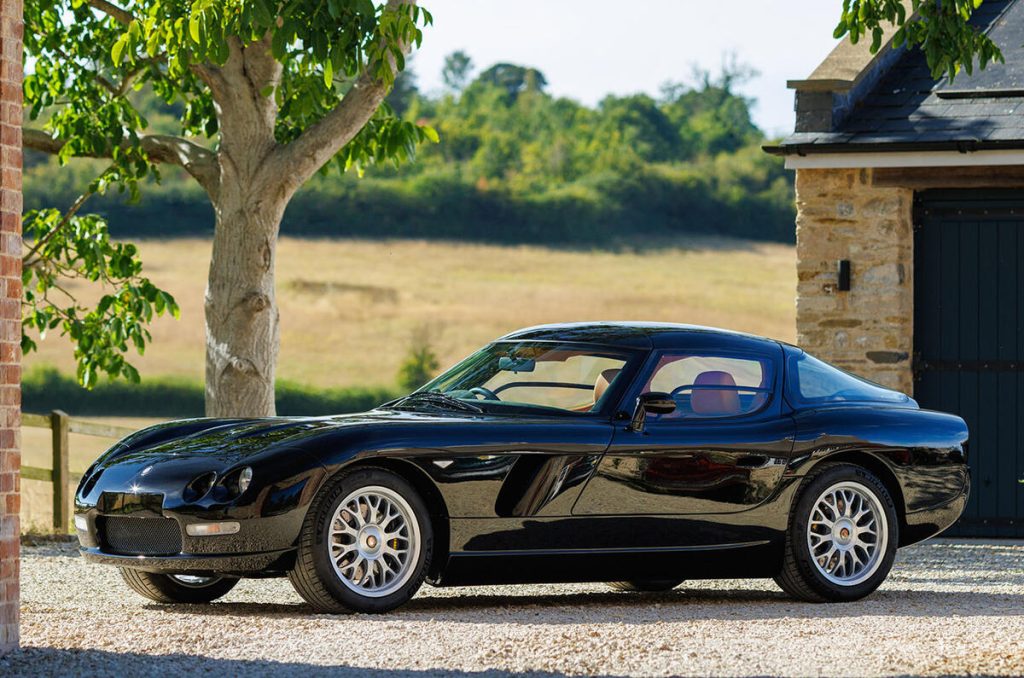
According to Autocar, Bristol says completing the remaining Fighter chassis will reconnect the marque with a tangible part of its history while establishing the first chapter of its return. The company has emphasized that the Fighter project is only the beginning and not the full extent of its plans.
Bristol never pursued mass production. Instead, it built relatively small numbers of distinctive cars for buyers who wanted something less obvious than a Bentley, Aston Martin, or other established luxury model.
The company says it intends to preserve that individuality while developing a future range. Autocar understands that additional cars could eventually be considered, including completely new models rather than further revivals of past products.
Exactly what those future vehicles will look like remains unclear. Bristol has not provided detailed technical plans, production targets, or launch schedules for an all-new model.
The company’s historical appeal came from doing things differently. Its cars were often expensive, unconventional, and built in tiny numbers, which gave them an identity that larger manufacturers could not easily replicate.
For enthusiasts, that formula is part of the attraction. The Fighter belongs to an era when small manufacturers could still build exceptionally specialized cars around dramatic engines and low-volume production.
Its return offers a rare opportunity to experience that philosophy in a newly completed example, while giving Bristol a chance to remind the market why its name has remained relevant among collectors.
Bristol’s ability to find the right balance between traditional craftsmanship and modern engineering will therefore determine whether this revival becomes a genuine automotive comeback or simply a fascinating footnote.
Why the Fighter Matters to Bristol
The decision to revive the Fighter makes sense from a heritage perspective because it is the last production car Bristol built before its collapse. Returning to that model allows the new company to reconnect directly with its most recent automotive history rather than attempting to invent a new identity immediately.
It also reinforces what makes Bristol different. The modern industry is dominated by global manufacturers with enormous production volumes, extensive technology platforms, and increasingly standardized components.
Bristol’s appeal is almost the opposite. It is based on exclusivity, craftsmanship, and a willingness to build cars that do not fit neatly into established categories. The Fighter embodies that approach.
Its V10 engine, gull-wing doors, and hand-built nature made it unlike almost anything else on the road. Even today, a 600 bhp rear-wheel-drive grand tourer powered by an 8.0-liter V10 feels radically different from the electric performance cars now entering the market.
That contrast could help Bristol attract attention during its return. Collectors and enthusiasts are increasingly interested in rare, characterful cars that represent a particular period of automotive history.
However, nostalgia alone will not be enough to support future production. Bristol will eventually need products that can meet modern regulations and provide customers with compelling reasons to spend substantial sums.
The company’s promise to remain focused on individuality, engineering integrity, and craftsmanship suggests it understands that challenge.
For now, the five Fighters provide a relatively low-risk way to restart the brand. The chassis already exists, the design is established, and the project does not require Bristol to immediately develop a completely new vehicle.
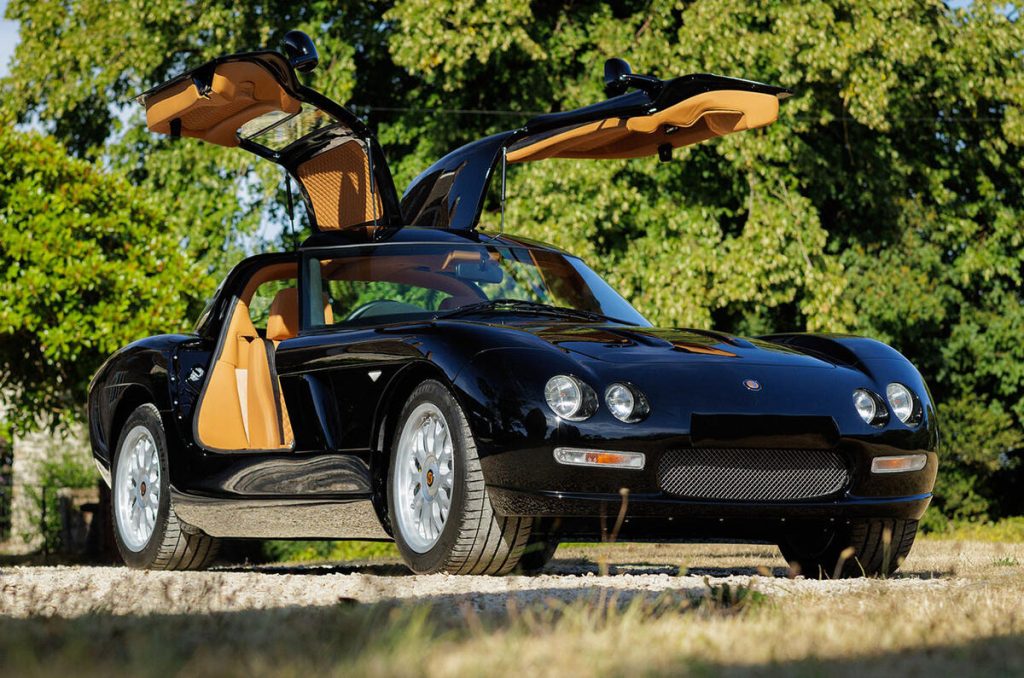
It also gives the company an opportunity to demonstrate its ability to complete and deliver cars to modern customers before taking on the considerably greater challenge of launching an entirely new model. What comes next is far more difficult to predict.
Autocar reports that Bristol is considering future models, but the company has not yet revealed whether those cars will use combustion engines, hybrid systems, or electric power. It has also not confirmed how large its future production ambitions might be.
Whatever direction Bristol takes, preserving its distinctive character will be essential. The brand cannot compete with major luxury automakers through production volume or massive technology investments. Instead, its strength comes from delivering something that many larger manufacturers have difficulty creating, a truly individual identity that sets its cars apart.
The return of the Fighter is a strong statement of that philosophy. After 15 years away, Bristol is coming back with an 8.0-liter V10, rear-wheel drive, and a car that was already considered unconventional when it first appeared. Only five will be completed, making the project extraordinarily exclusive.
More importantly, those five cars give Bristol a tangible connection to its past while creating a platform from which it can attempt to build a future.
The Fighter may therefore be remembered not just as an unusual British sports car returning from history, but as the vehicle that reopened the door for Bristol Cars.
