Jaguar Land Rover is preparing to reduce its UK workforce by as many as 4,000 salaried and management positions as the luxury automaker confronts falling profits, weaker vehicle demand, U.S. tariffs, and the continuing consequences of a major cyberattack.
According to Reuters and The Guardian, JLR is planning a voluntary redundancy program covering up to 4,000 salaried and management employees in the UK.
The proposed reductions come after a difficult period for the company, with financial pressure increasing just as JLR attempts to transform its brands and invest in a new generation of electric vehicles.
The company has faced several challenges at the same time. Sales have weakened in important markets, tariffs have increased costs in the United States, and a cyberattack disrupted production and operations.
Together, those pressures have created a difficult environment for a manufacturer that depends heavily on expensive luxury vehicles and carries substantial fixed costs.
The latest job-cutting plan is therefore more than a routine restructuring exercise. It shows how quickly external shocks can affect an automaker already managing an expensive transition toward electrification.
JLR has not indicated that the reductions will involve its entire workforce. The proposed program focuses on salaried and management positions, with voluntary redundancy expected to reduce headcount while limiting compulsory job losses.
Falling Profits and Multiple Pressures
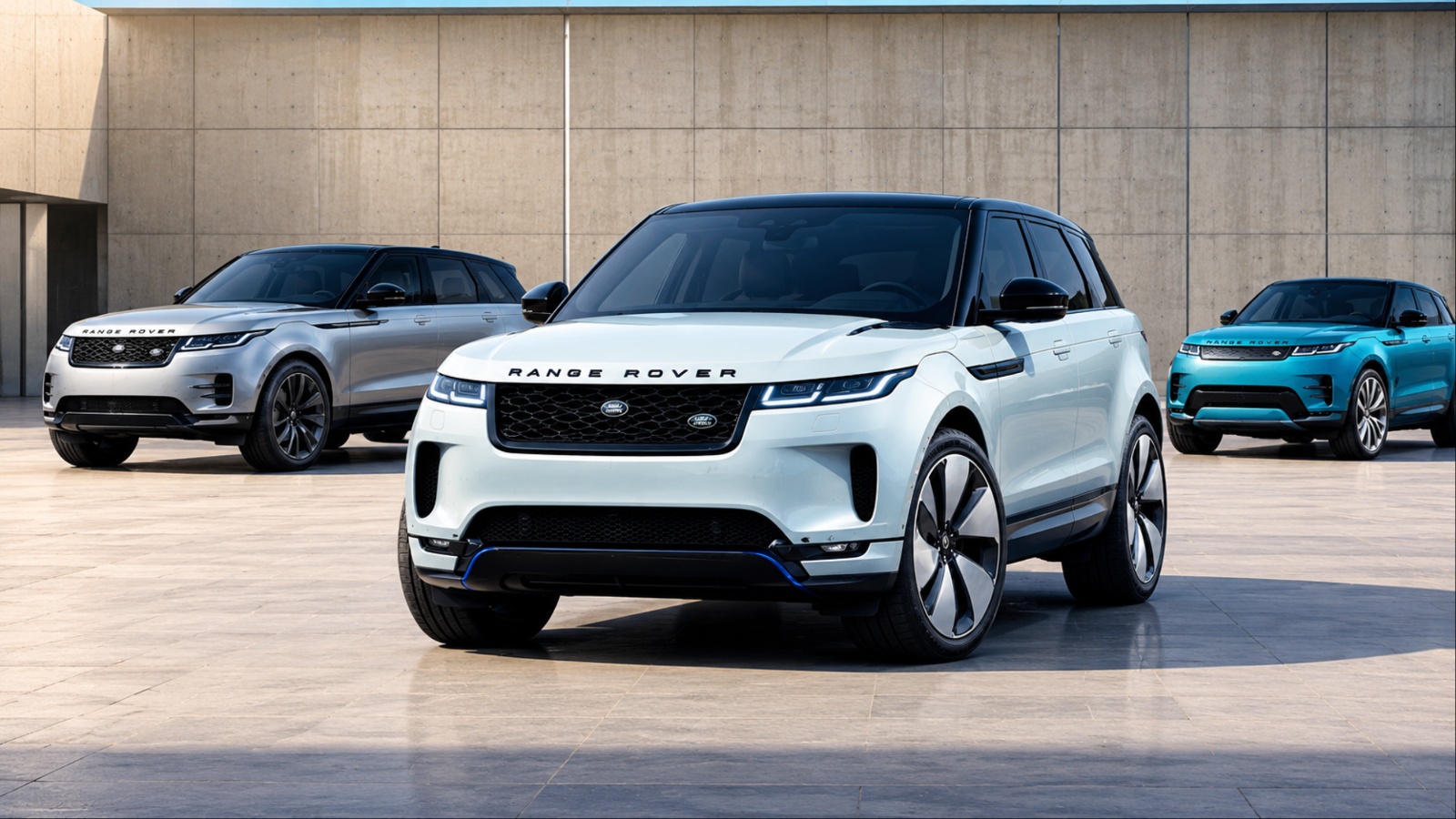
JLR has been attempting to strengthen its financial performance by concentrating on higher-margin vehicles and its most valuable brands. Its strategy centers on Range Rover, Range Rover Sport, Defender, and Jaguar, while the company has moved away from lower-margin models.
That approach can improve profitability when demand is strong, but it also leaves JLR exposed when buyers become more cautious. Luxury-car customers can delay purchases during periods of economic uncertainty, while high vehicle prices and financing costs can make demand more difficult to predict.
The United States is another source of pressure because it is an important market for JLR, particularly for Range Rover products. Higher tariffs can directly reduce profits on vehicles imported into the country.
An automaker can absorb some of that cost through lower margins or pass it to customers through higher prices, but neither option is attractive when profitability is already weakening. The cyberattack added another unexpected problem.
According to The Guardian, JLR suffered a major cyber incident that disrupted operations and forced the company to halt or reduce production at several facilities. The consequences extended beyond factory output because modern automakers depend on interconnected computer systems for manufacturing, logistics, ordering, and other business functions.
A prolonged production interruption can be especially damaging because factories continue carrying significant fixed expenses even when vehicles are not being built. Suppliers can also be affected when production schedules suddenly change.
The cyberattack therefore arrived at a particularly difficult time for JLR. The company was already trying to control costs and prepare for future vehicles, while the disruption created another financial burden. Reuters reported that the cyber incident caused a major production hit and contributed to the company’s deteriorating financial outlook.
Reducing salaried and management positions can lower recurring costs without immediately reducing manufacturing capacity. It can also simplify the organization as JLR prepares for a changing product lineup.
However, cutting too deeply can create risks. Automakers need engineers, software specialists, designers, and other skilled employees to develop future products. JLR is investing heavily in electrification and new vehicle technology, so it must reduce costs without damaging the capabilities required for its next generation of cars.
The Cyberattack Has Made the Situation Worse
The cyberattack is one of the most significant factors affecting JLR’s current situation. Modern vehicle manufacturing is highly dependent on digital systems. A disruption to IT infrastructure can affect factory equipment, parts ordering, dealer communication, vehicle distribution, and other operations.
For JLR, the attack caused production interruptions with a direct financial impact. The Guardian reported that the company’s operations were severely disrupted following the cyber incident, adding to difficulties caused by weaker demand and tariffs.
The company has been working to restore operations while assessing the broader consequences. Even after production resumes, automakers can face costs related to cybersecurity improvements, system recovery, and measures designed to prevent future attacks. Lost production can also affect suppliers and create delays that take time to resolve.
Cybersecurity has become an increasingly important issue across the automotive industry because vehicles and manufacturing facilities rely on software more heavily than ever. Automakers operate digital supply chains connecting factories, suppliers, dealerships, and customers.
A serious cyberattack can therefore become an industrial problem rather than simply an IT problem. JLR’s experience demonstrates the financial consequences of that vulnerability.
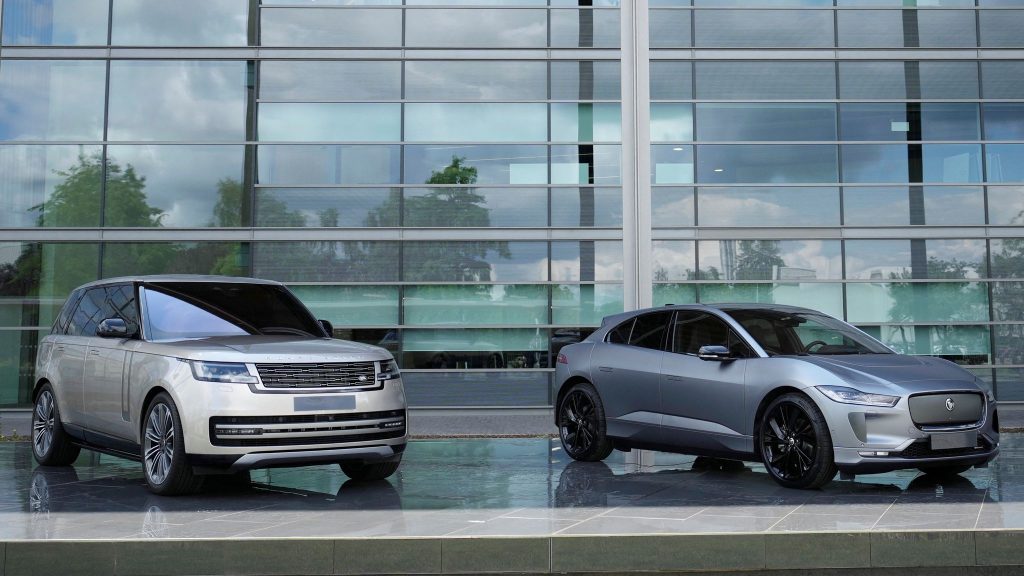
Those costs arrive alongside the much larger expense of transitioning its brands toward electrification. The company has committed significant resources to electric vehicles, including the Range Rover Electric and Jaguar’s next-generation models. Maintaining those investments while cutting operating expenses will require careful financial management.
The workforce reductions could help free money for those investments, but JLR will need to ensure that savings do not undermine its ability to develop competitive products.
That is particularly important because the luxury EV market has become more competitive. Traditional European manufacturers are expanding their electric portfolios, while Chinese companies are increasingly targeting premium segments with technology-rich vehicles.
JLR’s brands have strong global recognition, but their future success will depend on whether the company can deliver electric vehicles that justify premium prices.
What the Job Cuts Mean for JLR
The proposed reduction of up to 4,000 UK salaried and management positions is significant, but the use of voluntary redundancy suggests JLR is attempting to manage the restructuring gradually.
The company has not announced that all 4,000 positions will necessarily disappear. The final number will depend on employee participation and JLR’s assessment of its future staffing requirements. For employees, however, the proposal creates considerable uncertainty.
JLR is an important UK employer, with manufacturing, engineering, and corporate operations supporting thousands of jobs directly and many more indirectly. Changes to its workforce can therefore affect suppliers and communities connected to the company.
The reductions also raise questions about how JLR will organize itself for the future. The automotive industry is moving toward greater automation, electrification, and software development.
Traditional management structures designed around combustion-engine vehicles may no longer be appropriate for a company building a more digitally focused product portfolio.
JLR may therefore use the restructuring to eliminate duplicated functions and redirect resources toward engineering, software, and electric-vehicle development.
The company is also reshaping Jaguar as a more exclusive luxury brand while continuing to expand Range Rover and Defender. Those strategies require significant investment, making cost control increasingly important. The challenge is finding savings without damaging the brands that generate revenue.
JLR’s focus on higher-value vehicles means each model launch carries greater importance. A successful new Range Rover or Jaguar could generate substantial revenue, while a delayed or poorly received product could create additional financial pressure.
For now, the proposed job cuts demonstrate that JLR is responding aggressively to the combination of weaker demand, tariffs, and operational disruption.
The company’s immediate priority will be restoring production and protecting cash flow. At the same time, it must continue funding its long-term product strategy.
The proposed 4,000 job reduction is therefore significant, but it should be viewed within the larger context of the company’s challenges. JLR is dealing with a changing luxury-car market, higher trade costs, and a major cyber disruption while preparing for an electric future.
Cutting management and salaried positions can provide meaningful savings, but it cannot solve every problem by itself. The company’s recovery will ultimately depend on its ability to sell profitable vehicles, restore production stability, and successfully launch the next generation of electric models.
If the restructuring succeeds, JLR could emerge with a leaner organization and more resources available for future products. If financial pressure continues, however, further changes could become necessary.
The next few years will therefore be critical for one of Britain’s most important automotive manufacturers as it attempts to recover from its current setbacks while transforming its business for a rapidly changing luxury-car market.