
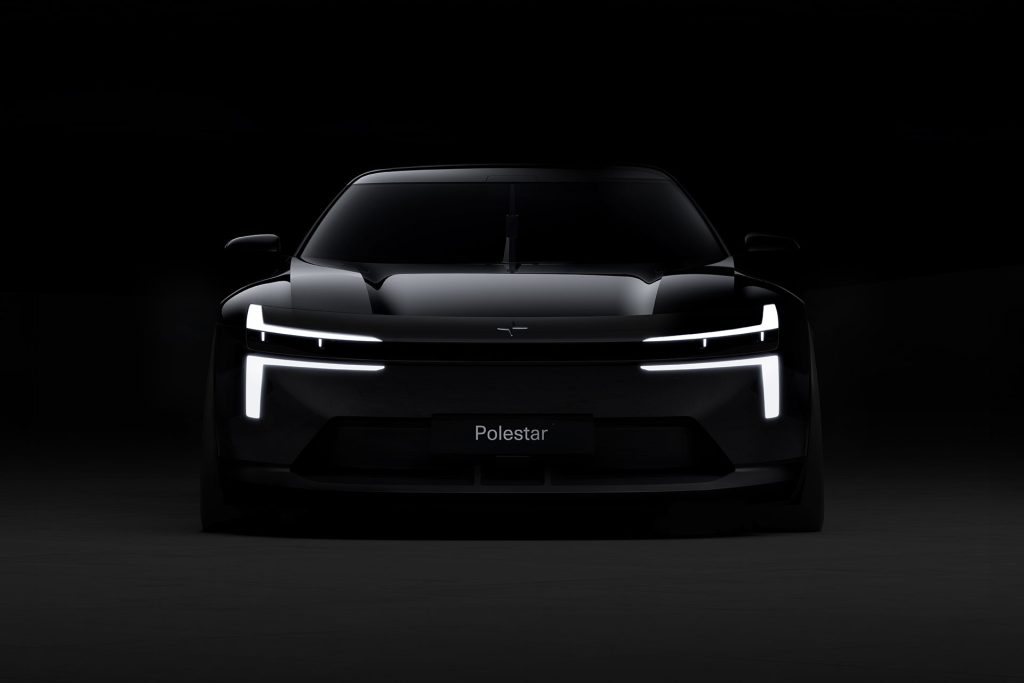
Polestar is using the Formula 2030 concept to signal the design direction of its future electric performance models. The show car is more than a standalone design project, as its styling introduces elements that are expected to carry over to the next Polestar 2 and the upcoming Polestar 7 compact SUV.
According to Polestar, Formula 2030 forms part of a broader strategy through 2030 focused on business growth and a path toward profitability. The concept also marks the first clean-sheet design created under the head of design, Philipp Römers, who joined Polestar in January 2025.
Polestar is entering one of the busiest periods in its product history, with four new vehicles planned within three years. The Polestar 5 is arriving in 2026, the Polestar 4 SUV has just entered sales, a new-generation Polestar 2 is planned for 2027, and the Polestar 7 is scheduled for 2028.
That makes Formula 2030 more significant than a conventional concept. It establishes the visual language that Polestar wants customers to recognize across a much larger future lineup. The full concept is scheduled to make its global debut in October.
A Bold Evolution, Not a Design Revolution
Polestar’s new design philosophy is being described as an evolution rather than a complete break from its existing identity.
Römers has said the brand already has a strong design language, making a radical reset unnecessary. Instead, Formula 2030 develops familiar Polestar elements while giving them a more aggressive and performance-focused interpretation.
The most obvious carryover is the brand’s distinctive Dual Blade lighting signature. The teaser shows the familiar lighting theme remaining recognizable but appearing wider and more dramatic. The front end also appears lower and broader than the current models, giving the concept a stronger stance.
Autocar reports that the teaser reveals a more angular shape, sporting proportions, and a possible S-duct integrated into the front end. Such an aerodynamic feature can direct airflow through the body and help manage pressure around the nose of the vehicle.
The design approach reflects Polestar’s attempt to strengthen its performance identity. The company already positions itself differently from Volvo despite sharing corporate and technical connections through Geely. Römers has said performance and driving dynamics are important ways for Polestar to distinguish itself.
That emphasis could become increasingly important as the brand expands. A recognizable design language gives Polestar a way to separate its products from the growing number of premium electric vehicles entering the market.
Formula 2030 also appears to retain the restrained Scandinavian character associated with Polestar. Rather than covering the car with excessive styling details, the teaser focuses on proportions, lighting, and aerodynamic surfaces.
This is consistent with the company’s previous concepts and production models, but the new direction appears more assertive.
The concept is primarily intended to establish a visual and philosophical direction rather than provide final specifications for future production vehicles. Polestar has not released powertrain, battery, range, or performance figures for Formula 2030.
The Next Polestar 2 and Polestar 7 Are Already in Sight
The strongest reason to pay attention to Formula 2030 is its direct connection to upcoming production models.
Polestar says the concept previews design attributes that will be used on the next-generation Polestar 2, which is planned for launch in 2027, as well as the Polestar 7 compact SUV expected in 2028.
The new Polestar 2 will be particularly important because the existing model established the brand’s identity and has accumulated more than 190,000 sales, according to Polestar. Replacing it successfully will be critical as the company moves into a new stage of growth.
The successor is expected to play a central role in Polestar’s future lineup, meaning the design cues introduced by Formula 2030 could eventually become familiar across a high-volume model.
The Polestar 7 is also strategically important. Polestar describes it as a compact premium SUV, placing it in one of Europe’s largest and fastest-growing electric-vehicle categories. The company has said the segment represented approximately one-third of European battery-electric vehicle volumes in 2025.
That gives the 7 considerable sales potential if Polestar can deliver a competitive product at an attractive price.
Formula 2030 therefore has a practical purpose. It gives customers an early indication of what these vehicles will look like while allowing Polestar to establish continuity between its current products and its next generation.
The approach is similar to what Polestar previously did with the Precept concept. That show car previewed the Polestar 5 and eventually evolved into a production model rather than remaining purely theoretical. Polestar has historically used concepts as a way to demonstrate ideas that can influence real vehicles.
This time, however, the company is using one concept to establish a broader design framework.
That could make Formula 2030 more influential than a single future model. Its visual elements may appear across sedans, SUVs, and other body styles as Polestar expands its portfolio.
The company says performance, technology, and sustainability remain the core pillars of its future strategy. Formula 2030 is intended to bring those themes together through design rather than simply adding more technology to existing vehicles.
A New Design Era Arrives During a Difficult Business Period
Polestar’s design ambitions come at a challenging moment for the company. Its first-half 2026 results showed retail sales of 30,423 vehicles, a 0.4% increase from the same period in 2025. However, revenue fell 4.4% to $1.36 billion, while the company reported an operating loss of $629 million.
Polestar said intensified competition and regulatory headwinds, particularly in the United States, were affecting its financial performance. The company also reduced its 2026 volume-growth guidance to low-to-mid single-digit growth from the previous low double-digit target.
The U.S. market represents an especially serious problem. Polestar said in June that the U.S. Department of Commerce’s Bureau of Industry and Security would not grant authorization for the company to sell vehicles from model year 2027 onward under the current Connected Vehicle Rule.
Polestar expects to continue selling earlier model-year vehicles from inventory before its new-vehicle sales operation winds down.
The company estimated that its U.S. operations increased its consolidated operating loss by approximately $211 million during the first half of 2026. That makes the push for new products and stronger markets especially important.
Formula 2030 is therefore arriving alongside a major business transformation, not simply a styling exercise.
Polestar has been expanding its retail network while introducing more vehicles. At the end of the first half, it had 235 sales points, excluding China, representing a 39.1% increase from a year earlier. The company says its strategy is to enter fast-growing, higher-value segments while increasing the proportion of sales made through retail channels.
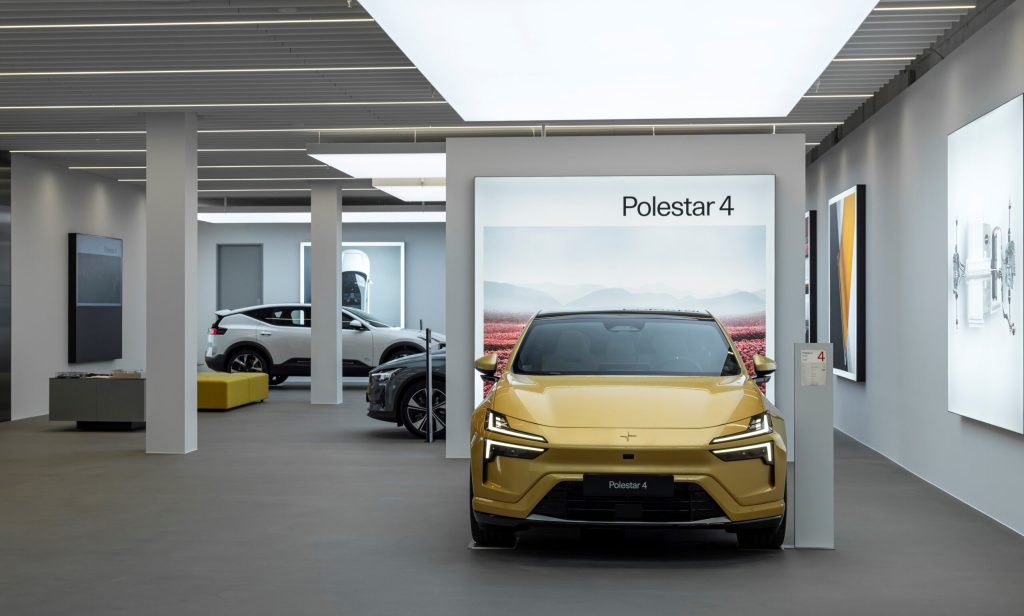
The product expansion is central to that plan. Polestar 5 is moving into customer deliveries, the Polestar 4 SUV has begun sales, the next Polestar 2 is due in 2027, and the Polestar 7 follows in 2028. The company also continues to list the Polestar 6 roadster as a future model.
Formula 2030 provides the visual thread connecting that expansion. For a relatively young brand, maintaining recognition is particularly important.
Polestar cannot afford to make every new vehicle look unrelated to the previous one, because its identity is still being established in major markets. At the same time, simply repeating the existing design would make the brand appear stagnant.
The answer lies in the middle ground Römers describes. The design needs to evolve enough to make the next generation feel fresh while still preserving the recognizable elements that define the model. That balance will be put to the test when the next Polestar 2 arrives on the market.
If Formula 2030 successfully translates into production vehicles, the concept could become an important turning point for Polestar. The company will have a recognizable design language that connects multiple new models while reinforcing its focus on performance and technology.
The bigger test, however, will not be whether the concept looks striking. It will be whether the production cars carrying its design cues can attract buyers in an increasingly crowded EV market.
Polestar has already established a distinctive identity. Its next challenge is turning that identity into sustained sales and profitability. Formula 2030 is the first clear preview of how the company intends to do it.
