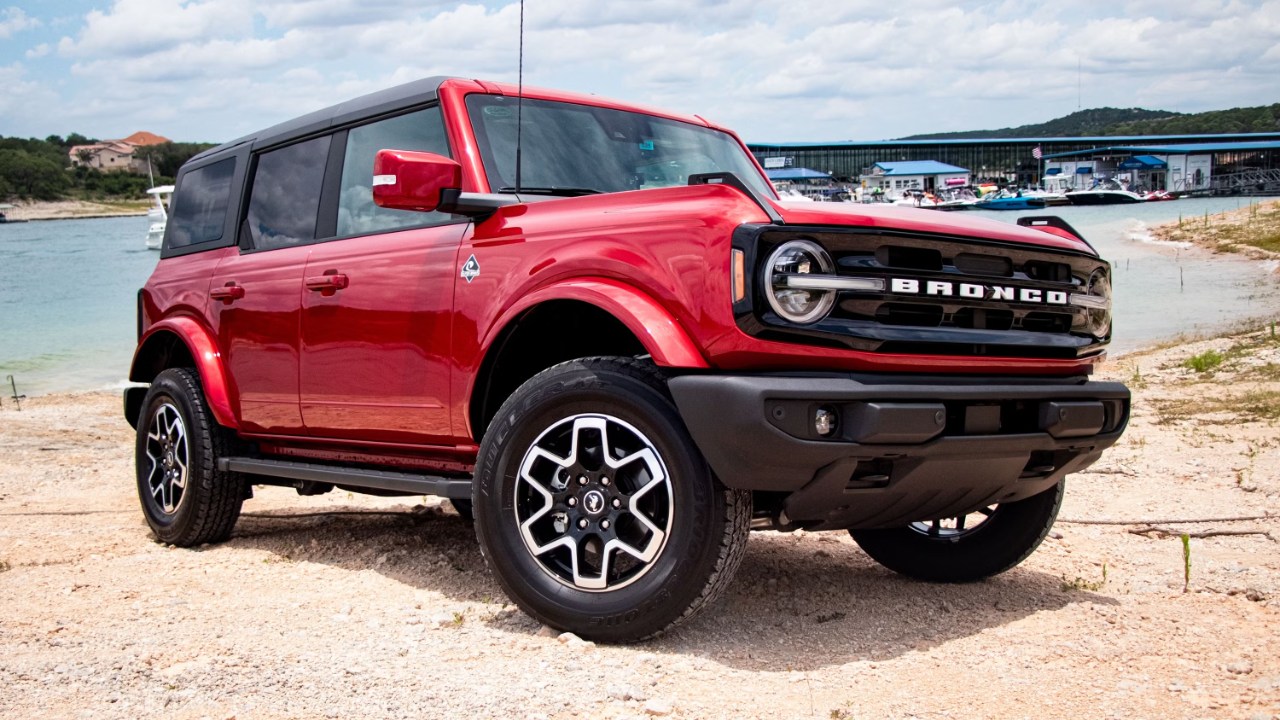
Ford is recalling 10,001 model-year 2026 vehicles after discovering that improperly manufactured engine piston domes can crack and fail, potentially causing a sudden loss of drive power.
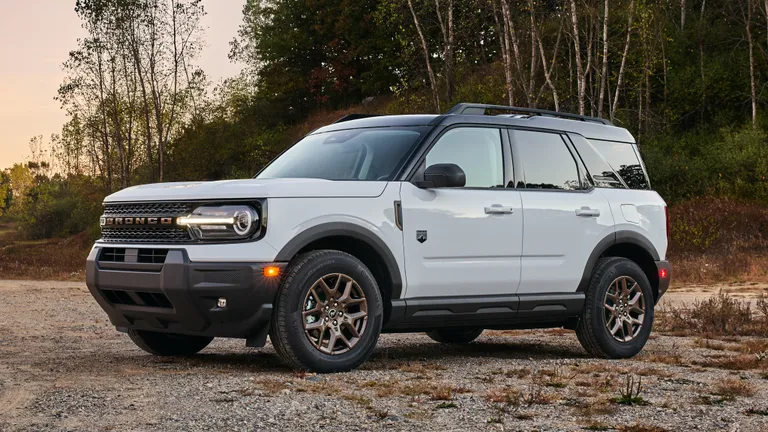
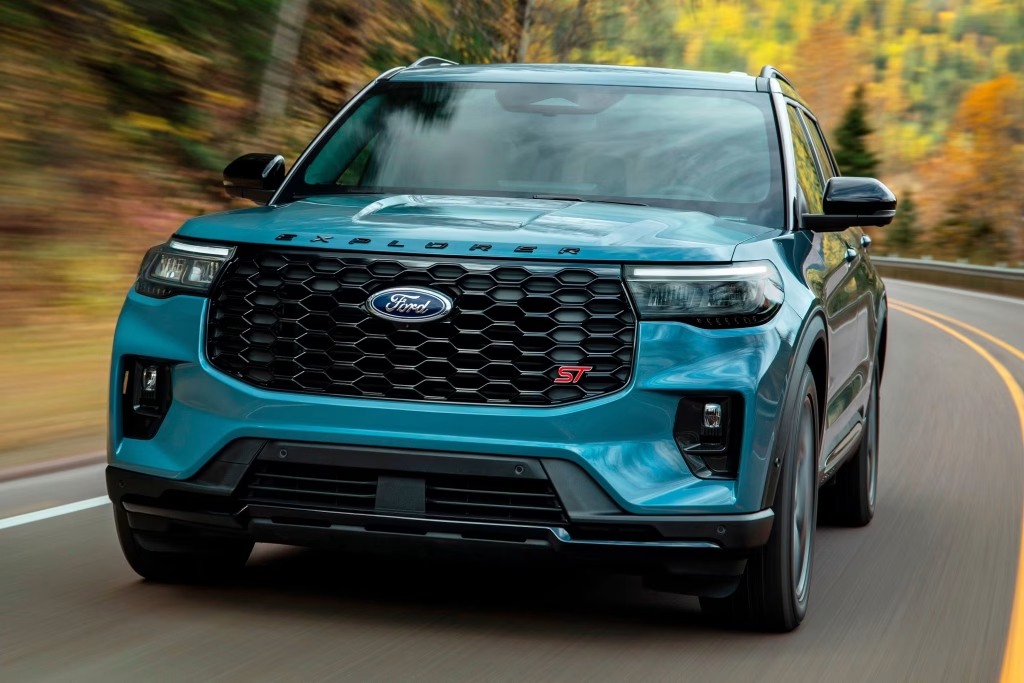
The campaign affects the Explorer, Bronco, Bronco Sport, Mustang, and Ranger and could require complete engine long-block replacements in vehicles where damaged pistons are found.
The recall is significant because it involves an internal engine component rather than a minor software or trim issue. Ford has already identified engine failures connected to the defect, including failures during vehicle production and incidents involving vehicles in the field.
The National Highway Traffic Safety Administration lists the campaign as recall 26V548, while Ford identifies it as 26S61. NHTSA records 10,001 potentially affected vehicles, although CarComplaints reported the campaign as involving more than 13,000 vehicles. The federal recall population is the more specific figure and covers five 2026 Ford models.
Ford says the piston domes may have been manufactured incorrectly. The defect can lead to piston dome failure and an unexpected loss of drive power, which NHTSA says increases the risk of a crash.
The recall is particularly notable because the affected vehicles are relatively new. They are 2026 model-year products, meaning some owners could face a serious engine repair shortly after purchasing a new vehicle.
A Manufacturing Problem Inside the Piston
The problem begins with the construction of the affected pistons. The piston dome contains a nickel-resistant, or Ni-Ring, insert bonded to the surrounding aluminum. According to Ford’s investigation, a supplier experienced a machining-tool problem that allowed the tool to strike the Ni-Ring insert.
That impact fractured the intermetallic bond between the insert and aluminum. The damaged area can then develop a crater crack that grows during engine operation. If the piston dome ultimately fails, the engine can misfire, make abnormal noise, or stop producing power.
CarComplaints reported that Ford had identified 38 engine failures at its assembly plants by August 12, involving the affected 1.5-liter and 2.3-liter engines. Ford had also identified 13 engine failures in vehicles already in customers’ hands. No crashes or injuries had been reported in connection with the piston defect.
The affected engines span two engine families. The 2026 Bronco Sport vehicles in the recall use the 1.5-liter EcoBoost, while the affected Explorer, Bronco, Mustang, and Ranger vehicles use the 2.3-liter EcoBoost.
The recall population is relatively narrow because the problem is tied to specific piston production. It does not mean every 1.5-liter or 2.3-liter EcoBoost engine is defective.
That distinction matters for owners and prospective buyers. A Ford vehicle equipped with one of these engines is not automatically included in the campaign. The vehicle identification number determines whether the specific vehicle falls within the affected production population.
NHTSA says the affected VINs became searchable through its recall system on August 28. Owners can therefore check their vehicles even if they have not yet received a letter.
The defect also illustrates how a manufacturing problem at a component supplier can create consequences across several different vehicle lines. Ford uses related engines across multiple products, so a problem with a piston supplier can affect an SUV, off-road vehicle, sports car, and pickup at the same time.
Some Owners Could Need a New Engine Long Block
The consumer impact of this recall becomes much more serious if an inspection finds a damaged piston.
Ford’s remedy calls for dealers to inspect the affected engine pistons. If a cracked piston is discovered, the dealer will replace the long block of the engine at no cost to the owner. NHTSA says the replacement is necessary because the damaged internal component cannot simply be treated as a minor service item.
An engine long block generally includes the major internal engine assembly, including the block, cylinder head, and internal components. Replacing one is a substantially larger repair than replacing a sensor, wiring connector, or software module.
That means some owners could face significant downtime while dealers obtain replacement engines and complete the repair. The recall does not mean every affected vehicle will receive a new long block. Only vehicles where the inspection identifies the relevant piston damage will require that remedy.
The warning signs can include a check-engine light, unusual engine noise, or an engine misfire. However, owners should not assume that the absence of those symptoms guarantees that a vehicle is unaffected. The recall exists because the piston defect can potentially develop into a failure during operation.
NHTSA’s stated safety consequence is unexpected loss of drive power. A sudden reduction or complete loss of propulsion can be dangerous, particularly when merging into traffic, overtaking another vehicle, or traveling at highway speeds.
Ford has not issued a general do-not-drive order for this campaign. Nevertheless, owners who experience unusual engine noise, persistent misfires, or a check-engine warning should contact Ford or a dealer rather than continuing to operate the vehicle as though nothing has happened.
The timing of the repair is also important. Ford’s initial owner notices were scheduled to warn customers about the safety issue in early September, while additional letters are expected once the full remedy becomes available. The long-block replacement remedy is anticipated in December 2026.
That creates a period in which some owners may know their vehicle is affected before the complete repair process is available. Drivers should follow the instructions in their recall notification and contact a Ford dealer for guidance if symptoms appear.
Five Ford Models Are Included
The 10,001 vehicles are spread across five different Ford nameplates. The Bronco Sport represents the largest portion of the campaign, with 5,199 vehicles affected. The Explorer accounts for 3,071, followed by the Bronco with 1,062. The Ranger accounts for 432 vehicles, while the Mustang is the smallest group at 237.
The numbers show why this is primarily an engine-component recall rather than a problem specific to one vehicle design. The same manufacturing issue has reached multiple products using affected engines and pistons.
The production windows are also relatively narrow. The recalled vehicles were built during specific periods in early 2026, which allowed Ford to identify a defined group rather than expanding the campaign to every vehicle using the same engine family.
For owners, the most important step is to verify the VIN. NHTSA’s recall system allows consumers to search for open recalls using a 17-character vehicle identification number. Ford dealers can also determine whether a particular vehicle is included.
The repair will be performed free of charge. This campaign is another reminder that a new vehicle is not immune from serious manufacturing defects. Modern engines are built from thousands of components, and a failure in one specialized part can affect reliability, performance, and safety.
It also shows why recall numbers alone do not tell the whole story. A campaign affecting 10,001 vehicles may be much more consequential for individual owners than a larger recall involving a simple software update if the remedy can involve replacing an engine.
Ford will need to inspect the affected vehicles and identify damaged pistons before those failures turn into additional roadside breakdowns. For owners, responding quickly is equally important, particularly if the vehicle begins showing symptoms associated with piston damage.
The recall does not indicate that every affected Explorer, Bronco, Bronco Sport, Mustang, or Ranger will suffer engine failure. It identifies a manufacturing defect that creates a meaningful possibility of piston damage and loss of drive power.
For the owners whose vehicles pass inspection, the recall should provide reassurance that the affected component has been checked. For those with damaged pistons, a long-block replacement should restore the engine to the required condition without leaving the owner responsible for the cost.
The most important point is that the problem is not simply a warning-light issue. It involves an internal engine component capable of failing and potentially causing a sudden loss of propulsion.
With 10,001 vehicles officially included in NHTSA campaign 26V548 and actual engine failures already identified, Ford’s response will be closely watched as the company moves from notifying owners to completing the physical repairs.