
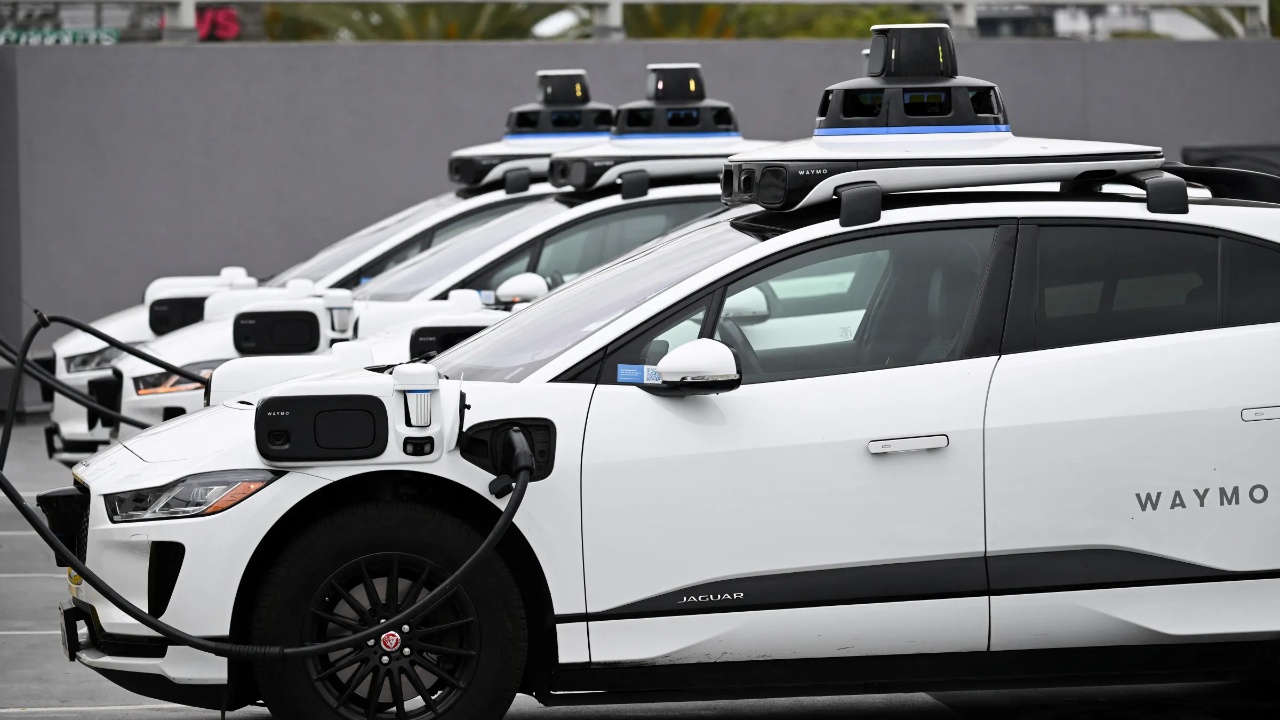
Waymo has officially brought its autonomous ride-hailing service to Las Vegas, giving the Alphabet-owned company its first commercial robotaxi operation in Nevada. Public riders can now request fully autonomous trips in parts of the city, marking another important step in Waymo’s rapid expansion across the United States.
The Las Vegas launch comes as the robotaxi industry becomes increasingly competitive. Amazon-backed Zoox began offering paid autonomous rides in the city last month, while Tesla is also developing its own robotaxi business.
Waymo, meanwhile, is expanding beyond its established markets in California, Arizona, and Texas while adding new cities at an increasingly rapid pace. Reuters reported that the company was valued at $126 billion in February after raising $16 billion.
For Waymo, Las Vegas offers a particularly demanding environment. The city combines dense tourist traffic, major entertainment venues, complex intersections, and a steady flow of pedestrians. Successfully operating without a human driver in such conditions could provide an important demonstration of the maturity of Waymo’s technology.
Waymo Opens Las Vegas Service With Ojai Robotaxis
Waymo began accepting its first public riders in Las Vegas on September 14, initially using a fleet of only a few dozen vehicles. The company plans to increase the number of vehicles as the service develops.
Reuters confirmed that the Las Vegas operation uses Waymo’s sixth-generation self-driving system installed in the company’s Ojai robotaxi, which is built on a Zeekr vehicle platform.
Waymo says more than 100,000 people have already expressed interest in riding its robotaxis in Las Vegas. The company is initially opening access gradually rather than making the entire service immediately available to every potential customer.
The initial service area covers almost 24 miles and includes portions of the Las Vegas Strip and surrounding neighborhoods. Riders can request trips from Boulder Junction along Las Vegas Boulevard toward Sahara Avenue, with the service also extending between areas near Spring Valley and Winchester.
That means Waymo is not limiting its Las Vegas operation exclusively to tourists traveling between casinos. The company says the service is intended to serve both visitors and residents, including everyday trips to businesses and neighborhood destinations.
Major destinations include Allegiant Stadium and The Venetian, giving Waymo access to locations that can experience extremely high traffic volumes during sporting events, concerts, and major conventions.
The timing is significant because Las Vegas is one of the most heavily visited cities in the United States. A robotaxi service operating there has to deal with unusual combinations of traffic conditions, including large numbers of pedestrians, taxis, rideshare vehicles, buses, and visitors who may be unfamiliar with local roads.
Waymo has been preparing for the launch through months of testing and data collection. The company says it has been validating the performance of its autonomous driving system across the city before allowing public passengers to ride without a human driver.
The company plans to gradually extend access to more riders throughout Clark County before eventually opening the service to everyone.
A New Battleground for the Robotaxi Industry
Las Vegas is becoming an important test of how quickly autonomous ride-hailing can move from limited demonstrations into a genuine commercial service.
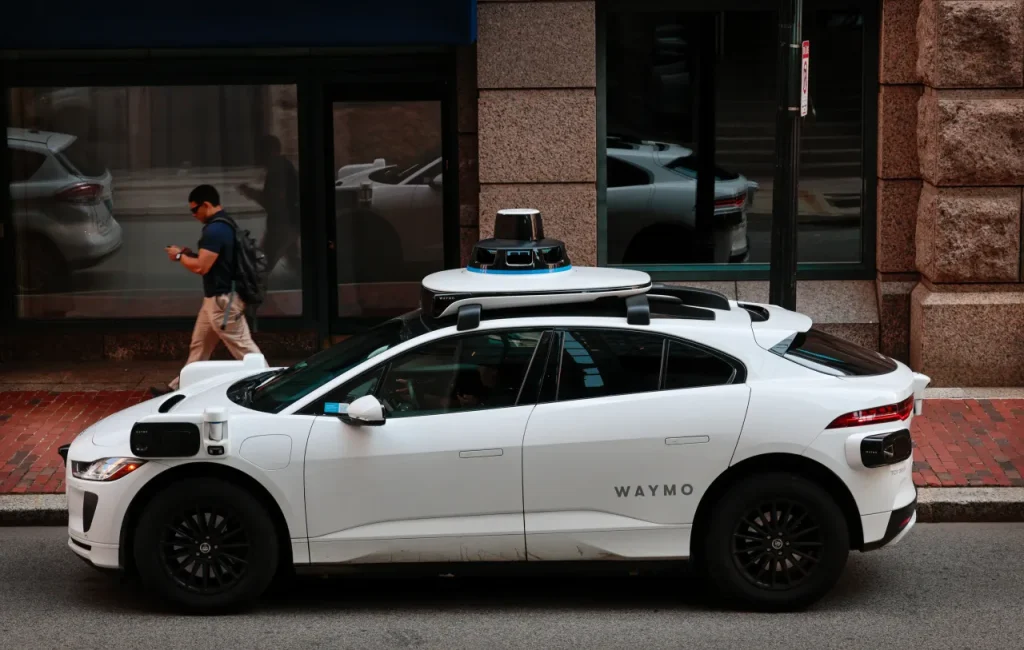
Waymo already operates public robotaxi services in multiple U.S. markets. Earlier in September, it began welcoming public riders in Denver, San Diego, and Tampa, expanding the number of cities where passengers could take fully autonomous trips. Waymo said those launches brought its service to 14 cities before the Las Vegas rollout.
The company is therefore pursuing a very different strategy from simply perfecting autonomous driving in one or two cities. It is building a broader network of markets where its technology can generate operational experience and revenue.
That expansion is becoming more important as competitors enter the same field. Zoox, Amazon’s autonomous-vehicle subsidiary, started commercial operations in Las Vegas in August, making it the only robotaxi operator offering paid rides to the public in the city before Waymo’s arrival, according to Reuters.
Tesla is another major potential competitor. Its approach differs from Waymo’s because Tesla has focused heavily on using its existing vehicle fleet and driver-assistance hardware as the foundation for autonomous services. Waymo instead operates purpose-built robotaxi fleets equipped with dedicated autonomous-driving hardware and software.
The difference between those strategies could become increasingly important as companies move from demonstrations toward large-scale commercial operations.
For Waymo, Las Vegas also provides an opportunity to demonstrate that autonomous driving can handle an environment where road behavior can be less predictable than in ordinary suburban traffic.
Tourists regularly cross roads outside conventional patterns, ride-share vehicles stop near crowded destinations, and traffic conditions can change rapidly around hotels and entertainment venues. Those conditions make the city useful as a real-world test of autonomous driving at scale.
Waymo says its sixth-generation driver system is designed to handle these situations using a combination of sensors, computing, and artificial intelligence. The Ojai vehicle adds a newer passenger-focused cabin, including larger displays and additional interior features designed around the robotaxi experience.
The company says Ojai will also form the majority of the fleets in Las Vegas, Denver, and San Diego.
Safety and the Next Stage of Expansion
Safety will remain the central issue as Waymo expands its robotaxi business. Allowing passengers to ride without a human driver requires regulators and customers to trust that the autonomous system can consistently respond to situations that may be difficult even for experienced drivers.
Waymo says its accumulated safety data supports that confidence. According to the company, the Waymo driver has been involved in 94% fewer crashes resulting in serious injury or worse compared with human drivers over the same distance driven.
That is a Waymo-reported comparison, rather than an independent government determination, but the company is increasingly using its accumulated driving data to support its expansion strategy.
The Las Vegas rollout is therefore about more than adding another city to Waymo’s map. It allows the company to demonstrate that its autonomous system can operate reliably in one of the country’s busiest tourism destinations while carrying paying passengers.
The company is also pursuing expansion beyond the United States. On the same day that Waymo announced the Las Vegas public rollout, it revealed plans with Japanese partners GO and Nihon Kotsu to launch a fully autonomous commercial taxi service in Tokyo in 2027, subject to regulatory approval and validation.
Reuters reported that the initial Tokyo fleet is expected to be small before expanding toward approximately 100 vehicles.
That international expansion shows how Waymo is attempting to move autonomous transportation from a technology demonstration into a global mobility business.
Las Vegas may be particularly important because the city offers a combination of high tourism demand and complicated driving conditions. If Waymo can expand its service reliably while maintaining strong safety performance, the city could become one of its most visible commercial markets.
The company is starting cautiously, however. A few dozen vehicles are being deployed initially, and access is being expanded gradually rather than through an immediate full-scale rollout. Reuters reports that Waymo intends to scale the fleet over time.
That approach allows Waymo to gather more operational data before committing significant resources to a much larger fleet.
The arrival of Waymo also changes the competitive landscape for Las Vegas transportation. Visitors who previously depended primarily on conventional taxis, human-driven rideshare services, and rental cars now have another option that removes the driver from the equation.
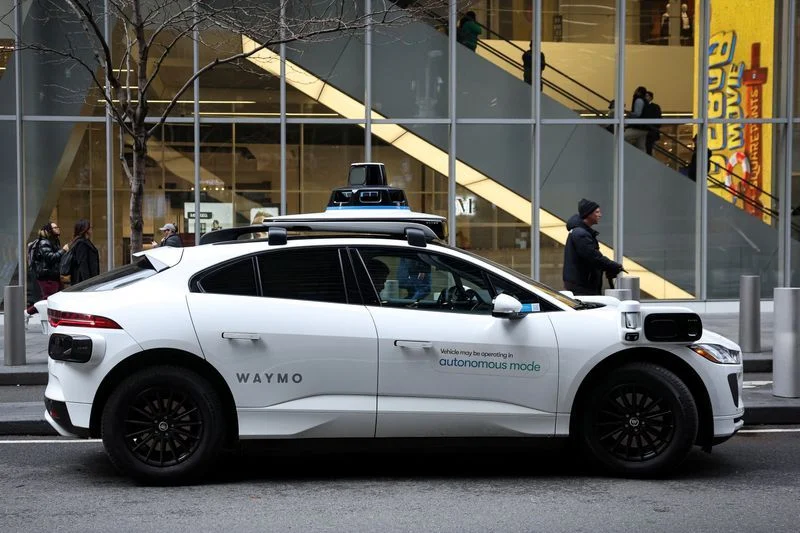
Whether autonomous ride-hailing becomes a major part of everyday transportation will depend on several factors, including reliability, pricing, availability, public acceptance, and the ability of operators to expand economically.
Waymo’s Las Vegas launch suggests the company believes those conditions are increasingly favorable.
For the broader automotive industry, the significance is equally clear. Robotaxis are moving beyond controlled pilot programs and into some of America’s most visible transportation markets.
Waymo’s decision to begin public rides in Las Vegas, while simultaneously preparing for further U.S. and international expansion, shows how quickly the commercial autonomous-driving race is developing.
The immediate challenge will be proving that the technology can deliver a dependable passenger service every day, not simply complete impressive demonstrations.
Las Vegas will now provide Waymo with one of its most demanding real-world tests and another opportunity to show whether driverless transportation can become a normal part of urban mobility.
