The U.S. electric-vehicle market showed signs of improvement in August as both new and used EV sales increased, while lower prices and a growing supply of off-lease vehicles gave shoppers more choices.
According to Cox Automotive’s August EV Market Monitor, new EV sales reached an estimated 78,895 vehicles, up 2.5% from July, while used EV sales climbed 25.9% month over month to 44,350 units. Used EV sales were also up 14.7% from August 2025.
The results come after a difficult year for the U.S. EV market. New EV sales were still 46.9% below the unusually strong August 2025 result, when buyers rushed to purchase vehicles before the federal EV tax credit expired.
Even so, the latest figures point to a market becoming less dependent on a single manufacturer and increasingly supported by a wider range of vehicles and prices.
Cox Automotive also found that the average transaction price for a new EV fell to $54,754 in August, down 1.3% from July and 2.8% from a year earlier. The average EV price premium over comparable gasoline vehicles narrowed to $4,847, or 9.7%.
That combination of lower new-EV pricing and expanding used inventory is giving consumers more ways to enter the electric-vehicle market.
Used EV Supply Expands as Off-Lease Vehicles Return
One of the biggest changes is occurring in the used market. Used EV sales increased by nearly 26% from July, reaching 44,350 vehicles in August.
Cox Automotive attributes part of that growth to an increasing number of off-lease EVs returning to the market. These vehicles are expanding the selection available to shoppers who may not want to pay new-EV prices.
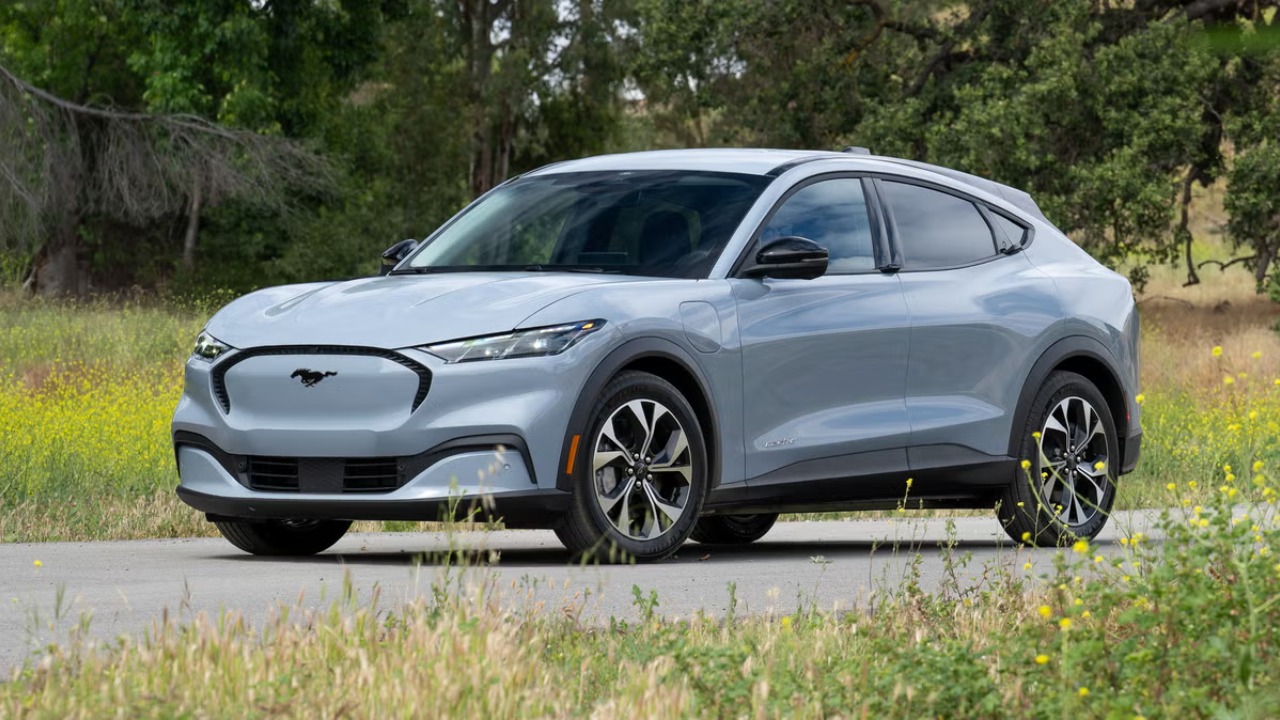
Tesla remained the largest source of used-EV sales, but other manufacturers also recorded substantial gains. Nissan’s used EV sales increased 45.1% month over month, while Cadillac rose 37.7% and Kia increased 32%. The Tesla Model 3, Tesla Model Y, and Ford Mustang Mach-E generated some of the largest increases in used EV volume.
The growing supply is important because EVs have historically been more expensive than comparable gasoline vehicles. A larger supply of used examples gives buyers access to models that may have been too expensive when new.
Average used-EV listing prices fell to $37,441 in August, down 1% from July. Prices were still 8.2% higher than a year earlier, but the premium over comparable gasoline vehicles narrowed to 7.8%. Cox Automotive said lower-priced brands and models captured a larger share of market activity.
The price movement is also occurring within the wider used-car market. Cox Automotive reported that the average used-vehicle listing price across the market reached $27,239 in August, up 7% from a year earlier.
That means the average used EV remains considerably more expensive than the average used vehicle, although the gap depends heavily on the specific model and segment.
Growing EV supply could gradually change that equation. As more leased vehicles reach the used market, shoppers should have access to a wider selection of three- and four-year-old electric vehicles, including models from manufacturers that have expanded their EV offerings in recent years.
For consumers, that can make depreciation an important part of the purchasing decision. A used EV may offer access to newer technology at a substantially lower price than the original vehicle cost, although battery condition, warranty coverage, and charging capability remain important factors.
New EV Prices Move Closer to Gasoline Vehicles
The new EV market is also becoming more price competitive. Cox Automotive reported that the average transaction price for a new EV dropped to $54,754 in August.
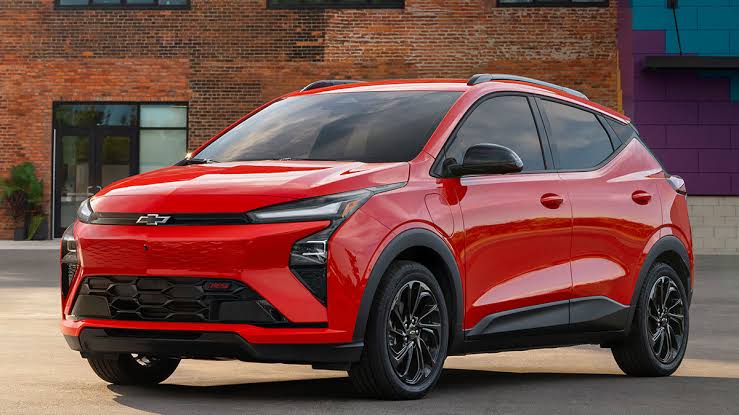
The reduction was partly driven by stronger sales of lower-priced models, including the Toyota bZ, Chevrolet Bolt, and Toyota C-HR. Prices also declined for several established EV nameplates. As a result, the price premium compared with gasoline vehicles narrowed to 9.7%.
That does not mean EVs have reached complete price parity with gasoline vehicles. The average new EV still cost about $4,847 more than the comparable ICE+ average in August. However, the direction of the gap is significant because purchase price remains one of the biggest barriers to EV adoption.
Incentives also played a role. Cox Automotive said incentives averaged approximately $6,594 per new EV, equivalent to 12% of the average transaction price. Incentive spending was lower than a year earlier, yet transaction prices still declined.
That suggests automakers are increasingly competing through product pricing and mix rather than relying exclusively on large incentives.
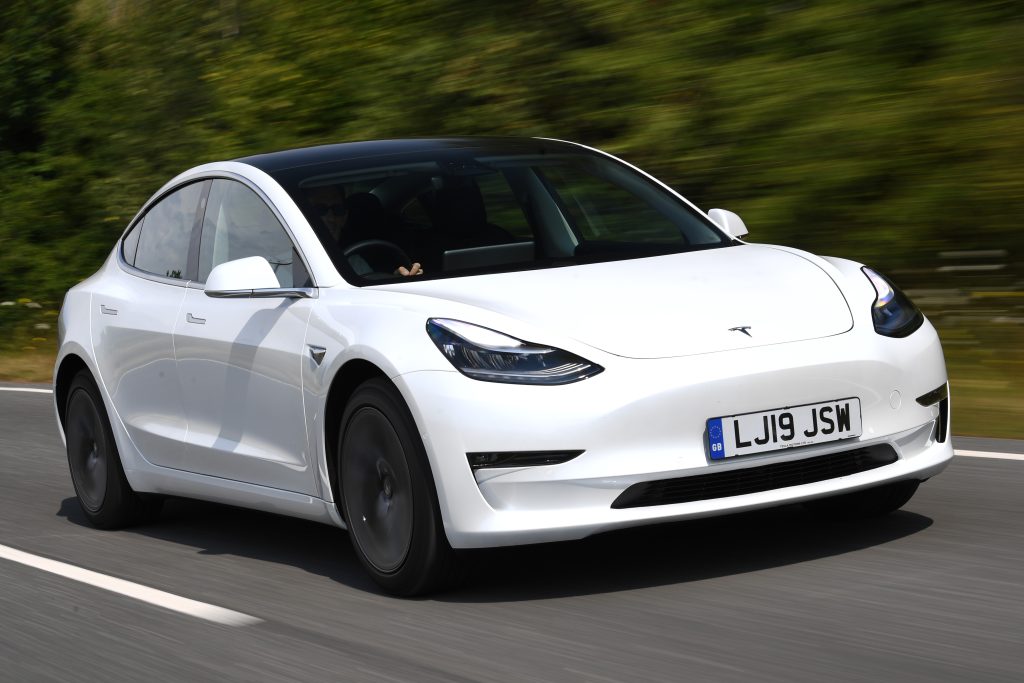
Tesla remained the largest EV seller in August with an estimated 40,816 vehicles, but its share of the new EV market declined to 51.7%. Toyota, Rivian, Hyundai, and Cadillac followed, while Chevrolet, Cadillac, and Kia also recorded month-over-month sales increases.
The changing manufacturer mix is notable. For years, Tesla dominated U.S. EV sales to a much greater degree than other manufacturers. Cox Automotive’s August data show that competitors are gaining ground as more electric models reach the market.
Toyota’s EV sales increased 34.9% from July, helped by the bZ. Chevrolet sales increased 30.3%, while Cadillac rose 13.1% and Kia gained 12%.
That broader competition is giving consumers more choices across different sizes and price points.
Inventory Is Becoming More Balanced
Inventory conditions also improved during August. Cox Automotive reported that new-EV inventory fell to 78 days’ supply, down 9.6% from July. EV inventory remained higher than gasoline-vehicle inventory, but the difference narrowed to just two days, the smallest gap of the year.
A smaller inventory gap suggests automakers are getting closer to matching production with actual demand. Excess inventory can lead to heavier discounts, while insufficient inventory can restrict customer choice.
Used EV inventory is also expanding, although the market is absorbing that additional supply. The increasing number of off-lease vehicles is giving dealers more EVs to sell while providing consumers with more options.
Cox Automotive’s data indicate that used EV demand is keeping pace with much of that growth. The company described the August market as one where expanding supply continued to be met by healthy consumer demand.
That could become increasingly important as more EVs reach the three- to five-year-old stage. Leasing has been an important channel for EV sales, and those vehicles eventually return to dealerships as used inventory.
For shoppers, this creates a broader range of choices between new EVs with the latest technology and used models that can offer lower purchase prices.
However, affordability remains a challenge across the broader used-car market. Cox Automotive reported that vehicles priced below $15,000 represented only 15.1% of used inventory in August, down from 20.6% a year earlier.
That means the growth of the used EV supply does not automatically create a large supply of inexpensive electric cars. Many of the vehicles entering the market remain relatively new and therefore carry prices above the cheapest used-car categories.
Still, the direction of the EV market is changing. More off-lease vehicles are returning, new models are entering lower price ranges, and the difference between EV and gasoline-vehicle transaction prices is narrowing.
The August results do not indicate that the U.S. EV market has returned to the rapid growth seen before the federal tax credit expired. New EV sales remained substantially below the previous year’s record pace.
Instead, the latest data suggest the market is entering a more mature phase. Consumers have more choices, manufacturers are competing across a wider range of prices, and used inventory is becoming an increasingly important part of the EV market.
Cox Automotive says pricing, incentives, and the industry’s ability to absorb growing used-EV volumes will be important indicators in the coming months.
For buyers, the combination of lower new-EV transaction prices and expanding used supply could make electric vehicles more accessible than they were several years ago.
The market is still working through the effects of changing incentives and uneven demand, but August’s results show that affordability and availability are beginning to play a larger role in bringing more Americans into EVs.