
General Motors is facing a changing U.S. vehicle market as its product strategy remains heavily centered on electric vehicles. Hybrid vehicles accounted for 19% of U.S. retail vehicle sales in August 2026, according to Reuters, giving automakers with established hybrid lineups an important advantage as gasoline prices remain elevated.
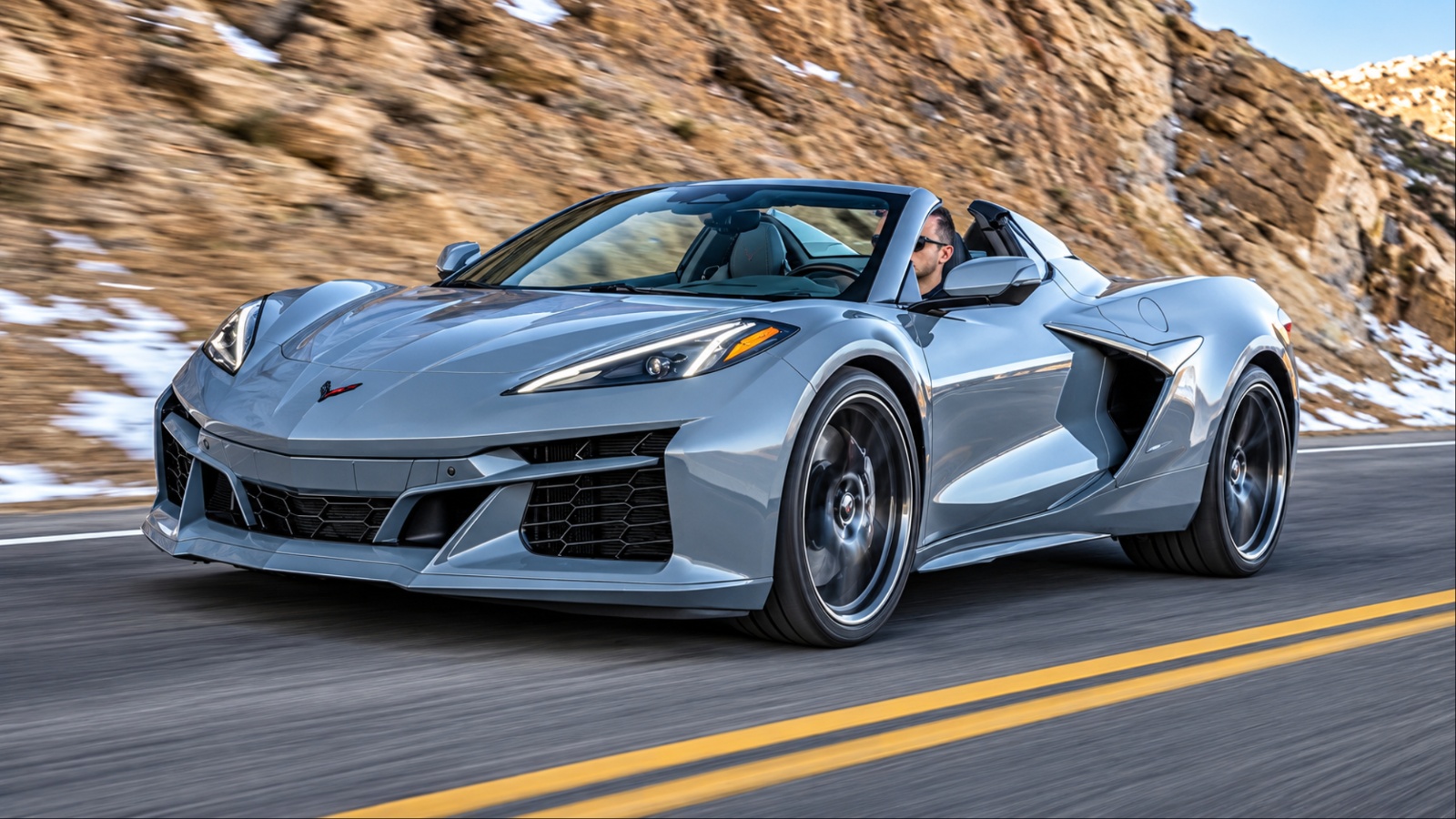
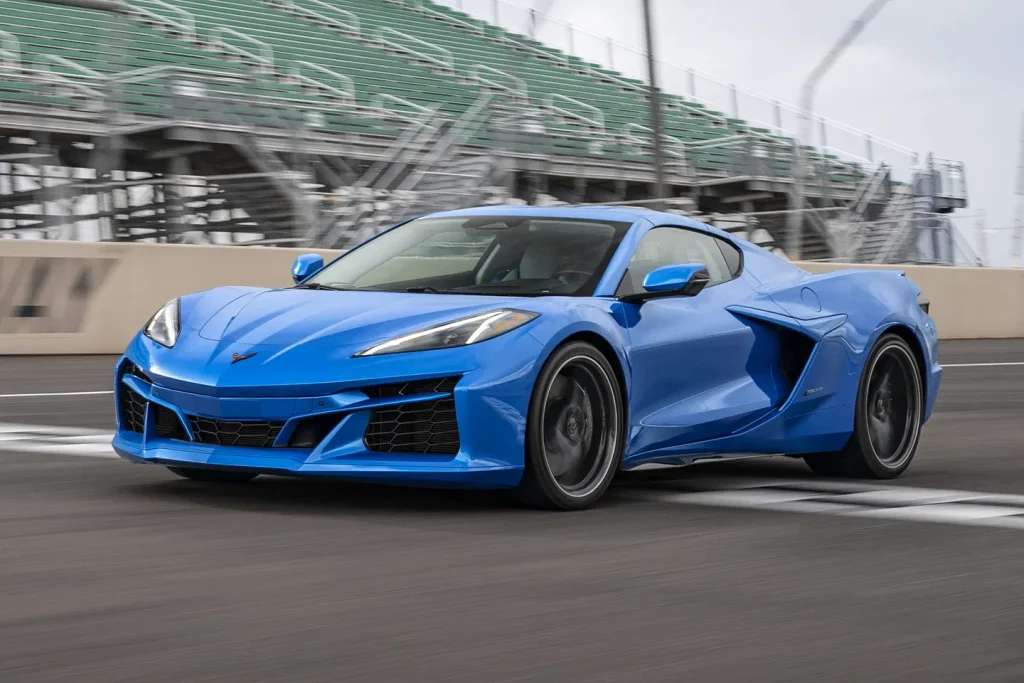
GM, by contrast, has almost no conventional hybrid vehicles available in the United States. Its only hybrid offering is the Chevrolet Corvette E-Ray, which uses hybrid technology primarily for performance rather than fuel economy.
That leaves Chevrolet, Cadillac, GMC, and Buick without mainstream hybrid SUVs, sedans, or pickups that compete directly with products from Toyota, Honda, Hyundai, and Kia.
The shift in demand is creating a difficult situation for GM dealers. Many customers want better fuel economy without taking on the charging requirements associated with a fully electric vehicle.
Reuters reported that hybrid sales reached 19% of U.S. retail sales in August, up from roughly 16% before the conflict involving Iran pushed gasoline prices higher. Hybrid vehicles also sold more than twice as quickly as conventional gasoline vehicles from dealer lots during the second quarter, according to J.D. Power.
Hybrid Demand Is Growing While GM Sits Outside the Mainstream
A conventional hybrid combines a gasoline engine with an electric motor and battery but does not require external charging. That makes it relatively easy to adopt because drivers can continue using gasoline stations while gaining improved fuel economy.
Plug-in hybrids add a larger battery that can be charged externally, allowing electric driving for shorter trips before the gasoline engine takes over.
Battery-electric vehicles eliminate gasoline but require charging access and involve different ownership considerations.
For consumers who want improved fuel economy without making a complete transition to a BEV, hybrids have become an increasingly attractive middle ground.
Toyota has been particularly well positioned because it has offered hybrid vehicles for decades. Reuters reported that more than half of Toyota’s U.S. sales during the first half of 2026 came from electrified vehicles, most of which were hybrids rather than battery-electric models.
Honda has also expanded its hybrid range, while Hyundai and Kia offer hybrid versions of several popular SUVs.
The compact SUV segment highlights the difference. Toyota sells hybrid versions of the RAV4, Honda offers a hybrid CR-V, and Nissan is accelerating its hybrid Rogue program.
GM’s comparable compact crossovers, including the Chevrolet Trax and Buick Envista, use gasoline power rather than conventional hybrid systems.
Reuters also reported that Florida dealer Bill Wallace has seen strong customer interest in hybrids at his Hyundai, Kia, and Mazda dealerships, while his Chevrolet and Cadillac stores have few hybrid options for those shoppers. That product gap could become increasingly important if hybrid demand remains elevated.
GM’s EV Strategy Is Now Facing a Different Market
GM’s limited hybrid lineup is partly the result of a strategy developed when the company expected battery-electric vehicles to become the dominant form of electrification relatively quickly.
CEO Mary Barra previously described hybrids as an “interim solution” and said GM wanted to move toward EVs rather than make a major investment in technology it expected to eventually replace.
GM subsequently expanded its EV portfolio across Chevrolet, Cadillac, and GMC. The company says it was the No. 2 EV seller in the United States in 2025, with EV sales increasing 48% year over year. GM continues adding electric models and plans native NACS charging ports across its 2027 EV lineup.
But U.S. EV demand has not developed as quickly as many automakers originally expected. The end of federal consumer EV incentives in 2025, changing government policies, and higher gasoline prices have altered the balance between powertrain technologies.
Reuters reported that GM’s U.S. market share declined to 16.8% during the first half of 2026, compared with 17.6% a year earlier, while Toyota and Honda gained share.
The decline cannot be attributed entirely to the lack of hybrids. Pricing, inventory, product mix, and broader market conditions also influence market share. However, GM’s hybrid gap means it lacks a mainstream fuel-efficient option for customers who are not ready to purchase an EV.
GM has responded by maintaining a broad gasoline portfolio, particularly in trucks and SUVs. That gives the company a different mix from Toyota and Honda, but it also leaves a noticeable gap between conventional gasoline vehicles and battery-electric models.
The 2027 Plug-In Hybrid Plan Could Change the Lineup
GM’s plans for plug-in hybrids date back to 2024, when the company said it would introduce plug-in hybrid vehicles in North America beginning in 2027.
The technology could give GM another option for customers who want some electric driving capability while retaining gasoline power for longer journeys. However, the timing and exact models remain uncertain.
Reuters reported that supplier sources and forecasting firms expect GM’s first mainstream U.S. hybrid offerings to arrive closer to the end of the decade, despite the company’s previous 2027 target for plug-in hybrids. GM declined to provide Reuters with a new timetable.
That uncertainty comes as competitors expand their hybrid portfolios. Toyota and Honda already have extensive hybrid ranges. Hyundai and Kia are adding more hybrid products, while Nissan is accelerating its Rogue hybrid program because of growing demand for hybrid SUVs.
GM sells vehicles such as the Chevrolet Equinox, Blazer, and GMC Terrain in segments where hybrid competitors are becoming increasingly common.
One analyst cited by Reuters expects hybrids to account for as much as 34% of U.S. vehicle sales by 2031. That is a forecast rather than a guaranteed outcome, but it illustrates why manufacturers are reassessing their powertrain strategies.
GM’s long-term EV investments could still become valuable if battery-electric adoption accelerates later this decade. The company has already invested heavily in batteries, software, charging, and EV manufacturing. For dealers, however, the immediate issue is what customers want today.
A customer looking for a fuel-efficient Chevrolet crossover can currently choose a gasoline model or a fully electric vehicle such as the Equinox EV. There is no conventional hybrid Equinox positioned between them.
That leaves GM exposed if buyers want better fuel economy but are not ready to switch to a BEV.
The current market does not mean EV demand has disappeared. GM has reported strong growth in its electric-vehicle business and continues investing in the segment. Instead, the data suggest U.S. consumers are choosing among several electrification technologies rather than moving in one direction.
For GM, the challenge is that its lineup covers the gasoline and battery-electric ends of that spectrum much better than the middle.

The company now has to determine how quickly it can add hybrids without undermining the EV strategy it has spent years developing.
The coming years could bring a more diversified GM lineup, with gasoline vehicles, conventional hybrids, plug-in hybrids, and battery-electric models operating alongside one another.
For now, the 19% hybrid share recorded in August shows where a significant portion of U.S. buyers are turning. Toyota, Honda, Hyundai, Kia, and Nissan have products ready for those customers, while GM is largely waiting for its next generation of electrified vehicles to fill the gap.
Whether GM’s strategy changes will depend on how consumer demand develops and how quickly the company can introduce hybrid and plug-in-hybrid vehicles.
Its strong EV portfolio and established gasoline trucks and SUVs give it two major parts of the market, but the rapid growth of hybrids has created a middle ground where GM currently has relatively few choices.
