
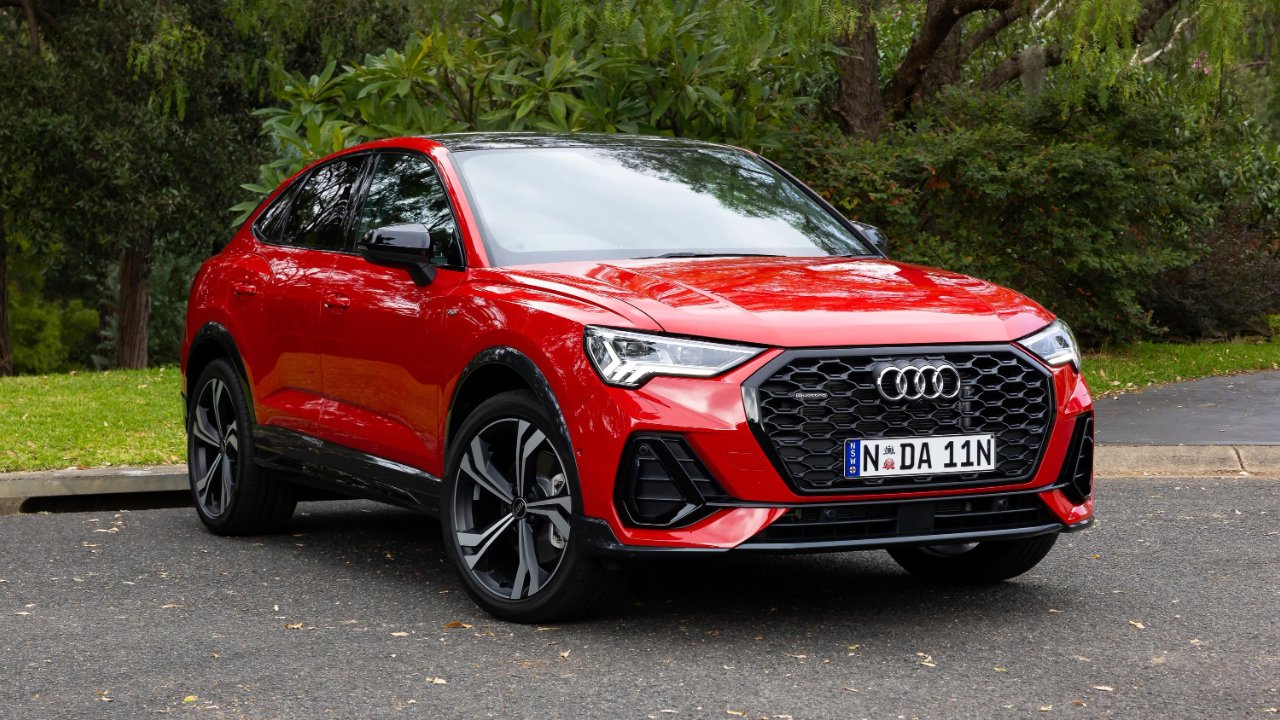
Volkswagen Group of America is recalling 208,724 vehicles in the United States because a steering-rack mounting bolt can corrode and break, potentially allowing the steering rack housing to fracture and causing a loss of steering control. The recall affects certain Volkswagen Tiguan and Atlas SUVs as well as Audi Q3 models from several model years.
The National Highway Traffic Safety Administration lists the campaign as 26V590000, while Volkswagen identifies it with recall numbers 48LG and 48VT. The affected vehicles are certain 2018 Volkswagen Tiguan models, 2018-2019 Volkswagen Atlas models, and 2019-2021 Audi Q3 vehicles.
The defect involves a relatively small component, but its position within the steering system makes the potential consequence significant. According to the recall information, moisture can reach the area around the right-side steering-rack mounting bolt.
Corrosion can eventually weaken the bolt enough for the bolt head to fracture. If that happens, the steering rack can become inadequately supported, potentially damaging the rack housing and reducing the driver’s ability to steer the vehicle.
Volkswagen plans to replace the affected mounting bolt with an improved component at no charge to owners. Vehicle Identification Numbers covered by the recall became searchable through NHTSA on September 16, while owner notification letters are expected to be mailed beginning November 10, 2026.
Which Volkswagen and Audi Vehicles Are Affected?
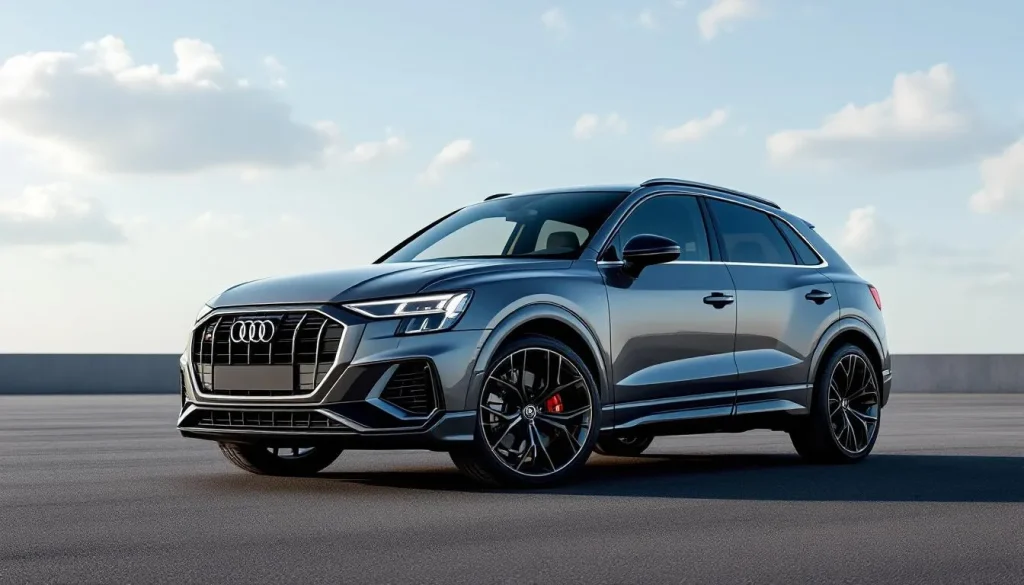
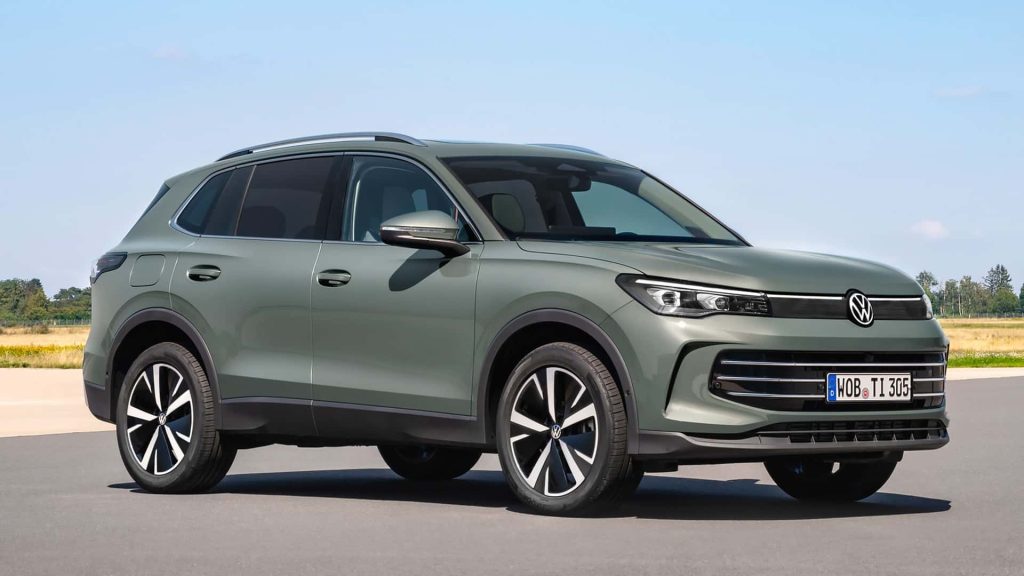
The recall covers three vehicle lines spread across Volkswagen and Audi. For Volkswagen, the affected vehicles include the 2018 Tiguan and 2018-2019 Atlas. For Audi, the campaign covers certain 2019-2021 Q3 vehicles. Not every vehicle from those model years is necessarily included, so owners need to check the VIN rather than relying only on the model year.
The affected population breaks down to approximately 85,713 Volkswagen Tiguan SUVs, 82,601 Volkswagen Atlas SUVs, and 40,410 Audi Q3 vehicles, according to recall information reported from the federal filing. Together, those vehicles account for the 208,724 units covered by the campaign.
The common factor is the steering-rack mounting arrangement rather than the vehicles sharing the same brand. Volkswagen Group uses related engineering and component systems across multiple products, which can result in a single component problem affecting vehicles sold under different nameplates.
The defect does not involve the steering wheel itself or an electronic steering-control software problem. Instead, it concerns the hardware that secures the steering rack to the vehicle’s subframe.
That distinction is important because the steering rack has to remain firmly positioned as the front wheels respond to steering inputs. If a mounting point becomes compromised, forces normally handled by the complete mounting structure can be transferred to the remaining attachment points and the rack housing itself.
NHTSA says a broken steering-rack housing can result in a loss of steering control, increasing the risk of a crash.
The defect is also not necessarily something an owner would spot during a normal walk-around. The affected bolt is underneath the vehicle, and corrosion can develop around the mounting area without producing an obvious exterior warning.
How the Steering Bolt Can Fail
The failure sequence begins with moisture reaching the area surrounding the right-side steering-rack mounting bolt. Over time, that exposure can lead to corrosion. The corrosion can weaken the bolt and eventually cause its head to fracture.
If the bolt head breaks, the steering rack can be left supported by only its remaining mounting point. According to information from the recall filing, this can put additional stress on the steering-rack housing and potentially cause the housing to fracture.
The consequences can be particularly important during steering maneuvers. Reporting on the recall indicates that Volkswagen’s testing found the rack housing was more likely to fracture during parking or low-speed maneuvering, when steering loads can be relatively high.
Owners may also notice rattling or knocking noises from the front axle area if the problem is developing.
However, an unusual noise does not automatically mean the vehicle has this particular defect. Front-end rattles and knocks can have numerous causes, including suspension components, brakes, and other hardware. The recall’s VIN lookup remains the appropriate way to establish whether a particular vehicle is covered.
The scale of the campaign should also not be interpreted as meaning that all 208,724 vehicles have a defective bolt. Recall campaigns generally cover a defined population that could contain the affected component or condition. Reporting based on the recall filing indicates Volkswagen estimated that approximately 1% of the recalled vehicles may have the defect.
That percentage is an estimate of the affected population, not a forecast that a specific number of vehicles will experience a steering failure.
More importantly, the potential consequence identified by NHTSA is serious enough that vehicles within the affected population are being recalled so the component can be replaced before the problem develops.
Volkswagen and Audi owners should therefore treat a matching VIN as the important factor rather than trying to determine whether their vehicle appears likely to have the problem.
Free Repair and What Owners Should Do
Volkswagen’s remedy is relatively straightforward. Dealers will replace the right-side steering-rack mounting bolt free of charge. The replacement uses a bolt designed with improved corrosion resistance.
The recall does not require replacement of the entire steering rack as a standard remedy. The purpose of the campaign is to remove the potentially vulnerable mounting bolt and install the improved component.
The recall campaign was reported to NHTSA on September 11, 2026, under campaign number 26V590000. Volkswagen’s internal recall numbers are 48LG and 48VT. NHTSA records show that VINs associated with the campaign became searchable on September 16. Owner letters are scheduled to begin going out November 10.
Owners do not have to wait for a letter to determine whether their vehicle is involved. NHTSA’s recall system allows consumers to search using a vehicle’s VIN. The agency says its VIN search shows unrepaired recalls associated with a particular vehicle, while searches by year, make, and model provide broader recall information.
NHTSA also recommends checking recall status regularly because recalls can be added after a vehicle has already been purchased. The agency’s SaferCar system can provide recall notifications for registered vehicles and equipment.
The presence of a recall does not mean that a vehicle has already experienced the defect. It means the vehicle belongs to a population for which the manufacturer and regulator have determined that corrective action is necessary.
For owners of an affected Tiguan, Atlas, or Q3, the appropriate response is to confirm the VIN, contact an authorized Volkswagen or Audi dealer, and arrange the free repair.
Drivers who have noticed new rattling or knocking noises around the front axle, particularly alongside changes in steering behavior, should have the vehicle inspected rather than assuming the sound is unrelated.
There is also a separate Volkswagen recall involving certain 2025 Tiguan models, but it concerns a completely different issue.
That campaign involves a software problem that can cause the body control module to reset, potentially resulting in an engine stall and loss of certain vehicle functions. It should not be confused with the 208,724-vehicle steering recall covering older Tiguan models.
The Volkswagen Group campaign demonstrates how a component that appears relatively minor can become a significant safety issue when it is part of a critical vehicle system. A steering-rack mounting bolt normally receives little attention from owners, but its failure can affect the structural integrity of the steering assembly.
For the affected vehicles, the repair is being provided without charge, and owners can verify campaign status through NHTSA’s VIN lookup rather than waiting for a notification letter.
With 208,724 Volkswagen and Audi vehicles included, this is a substantial U.S. safety recall, but the number represents the potentially affected population rather than confirmed steering failures. The key issue for individual owners is whether their specific VIN is included and whether the recall repair has been completed.
