
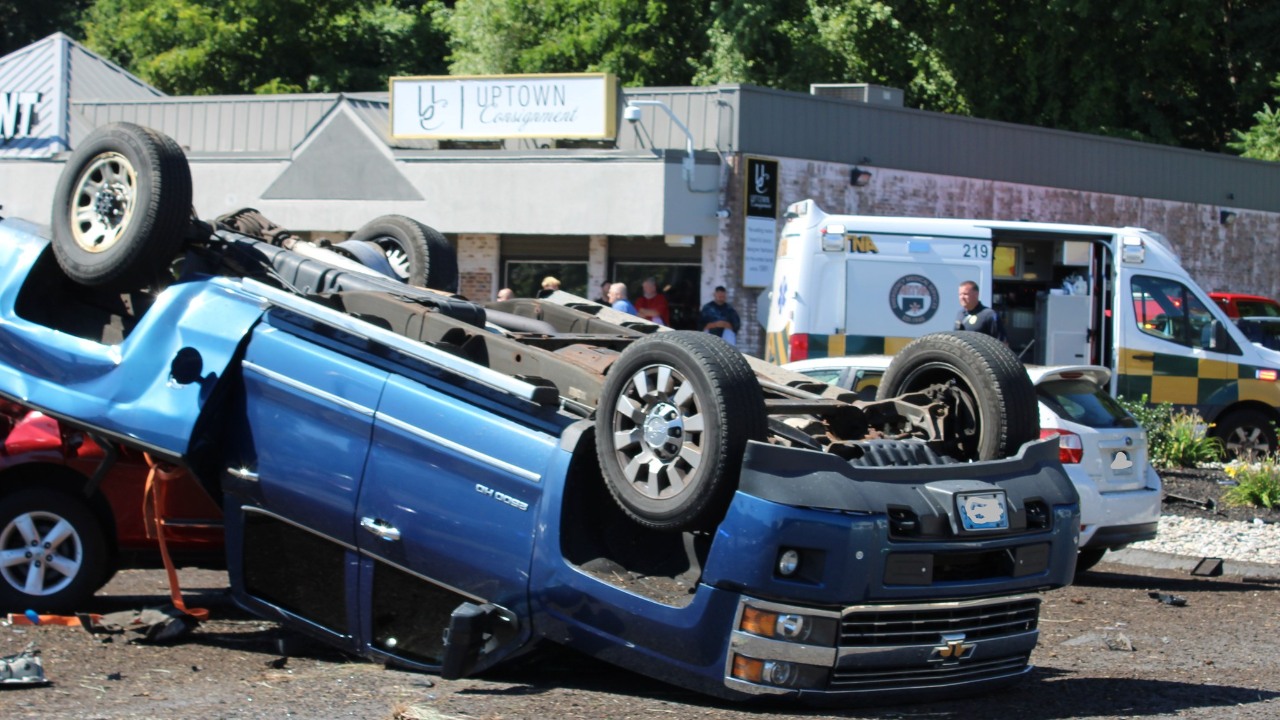
The National Highway Traffic Safety Administration’s Special Crash Investigations program is designed to give federal safety officials an unusually detailed look at serious and unusual crashes.
But the program’s activity has fallen sharply in 2026, raising questions about how effectively the federal government is collecting the kind of real-world evidence that can identify emerging vehicle safety problems.
Through late June, NHTSA had opened only two Special Crash Investigations (SCI), according to an analysis published by Vehicle Safety. That compares with a typical pace of more than 50 cases by the middle of the year and more than 100 investigations in a normal full year historically cited for the program.
The slowdown matters because SCI is not simply another crash database. NHTSA describes it as its most detailed level of crash investigation, with professional investigators examining vehicles, crash scenes, occupants, and safety systems in cases selected because they can provide insight into unusual or emerging safety issues.
The agency has not publicly attributed the 2026 pace specifically to staffing reductions, and the decline could reflect changes in case selection, investigative priorities, or resources being directed toward larger safety investigations.
But the unusually low number of SCI cases has nevertheless created a gap worth examining, particularly as newer technologies such as advanced driver assistance and automated driving systems become more common.
Why Special Crash Investigations Matter
SCI cases are fundamentally different from ordinary crash statistics. NHTSA receives enormous amounts of information through police reports, insurance records, consumer complaints, and its broader crash databases.
SCI investigators go considerably deeper. According to NHTSA, teams can inspect the crash scene, examine damaged vehicles, document occupant injuries, analyze safety systems, and retrieve event-data-recorder information when available. Investigators also interview crash victims and witnesses and review police and medical records.
That level of detail can help answer questions that ordinary crash statistics cannot. For example, investigators may determine how an airbag performed during a particular collision, how a seat belt interacted with an occupant, whether a vehicle’s advanced driver-assistance technology was active before a crash, or how a particular vehicle structure contributed to injuries.
NHTSA says the program has historically helped the agency and the automotive industry understand emerging safety issues. Its work has covered airbag performance, school-bus crashes, alternative-fuel vehicles, child restraints, adaptive controls, and vehicle-pedestrian interactions.
The program can also contribute to the early identification of potential safety defects. That is particularly relevant when investigating technologies that are still developing. A conventional crash may tell regulators that something went wrong. A detailed SCI investigation can potentially provide clues about why it happened.
NHTSA’s own documentation says SCI investigations can be selected because of special crash circumstances, emerging technologies, or potential vehicle safety defects. The agency also says cases can be chosen throughout the year as they arise rather than being selected according to a fixed annual quota.
That means a lower number of cases does not automatically demonstrate that the agency is ignoring crashes or that safety investigations have stopped. But the scale of the decline is notable.
Vehicle Safety’s analysis found just two SCI cases through late June 2026, compared with a normal midyear pace of more than 50. If that pace continued for the rest of the year, the publication estimated only around four cases for the entire year.
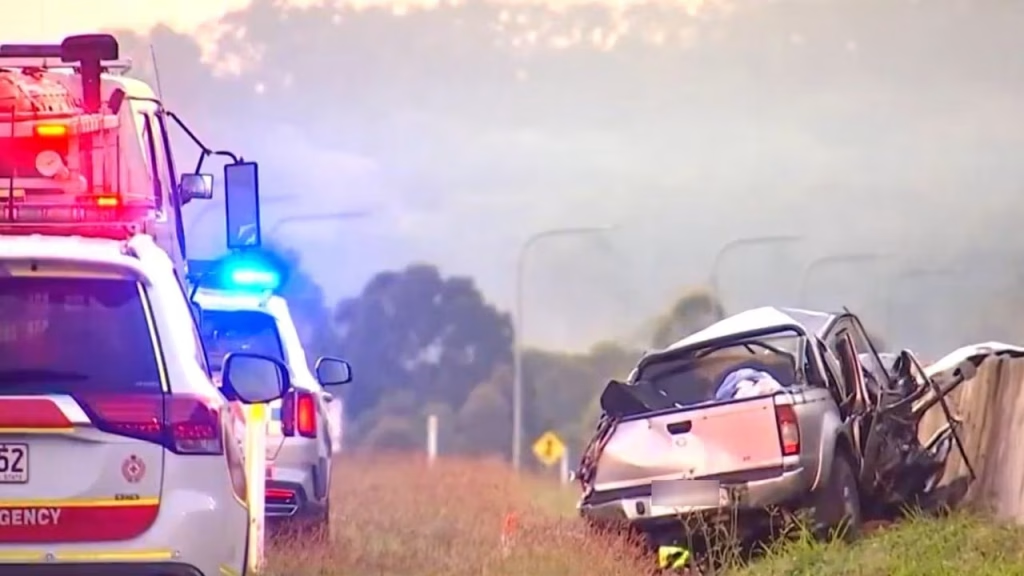
NHTSA’s own description says the program has historically investigated more than 100 crashes annually, making the 2026 figure an unusually large departure from its established activity.
The Timing Is Important for Vehicle Safety
The reduction comes at a time when the automotive industry is changing rapidly. Modern vehicles increasingly rely on electronic braking systems, automated emergency braking, adaptive cruise control, lane-centering technology, and increasingly sophisticated automated-driving systems.
These technologies create safety questions that cannot always be answered through traditional crash statistics.
A detailed investigation can establish what a vehicle was doing immediately before a crash, which safety systems were active, what warnings were displayed, and how the vehicle’s hardware performed during the collision.
That information can become valuable to regulators when they investigate complaints involving a specific technology or vehicle model.
NHTSA itself specifically identifies automated driving systems and crash-avoidance technologies as areas where SCI can provide useful real-world information.
The agency has also been dealing with a growing number of investigations involving modern electronic vehicle systems. Recent federal reviews have examined issues ranging from automated-driving technology to electronic braking and suspension components.
That makes detailed crash reconstruction potentially more important, not less. At the same time, America’s road safety picture provides plenty of reasons for continued investigation. NHTSA’s latest available full-year data show that 39,254 people died in U.S. motor vehicle crashes in 2024, according to final FARS data.
The figure was lower than the 40,901 deaths recorded in 2023, and preliminary federal estimates put 2025 at approximately 36,640 fatalities, a further decline of about 6.7%.
Those improvements are important and provide context that is missing from a claim that roadway deaths are simply continuing to rise.
The 2024 figure was still above the 36,355 deaths recorded in 2019, the last full year before the pandemic. That represents roughly 8% more deaths than 2019, although the 2025 preliminary estimate would put fatalities much closer to the pre-pandemic level.
So the case for robust crash investigation does not depend on claiming that traffic deaths are currently increasing. The issue is that even as fatalities decline, the safety agency needs high-quality information to understand where remaining risks exist and how new vehicle technologies perform in real crashes.
A Slowdown Does Not Automatically Prove a Resource Crisis
There is an important counterpoint to the criticism surrounding the SCI program. NHTSA has not publicly said that staffing shortages caused the 2026 reduction in SCI investigations. Nor does the available evidence establish that every crash that might previously have received an SCI investigation is simply being ignored.
SCI cases are selected based on evolving safety priorities, and NHTSA can concentrate resources on particular investigations or broader studies. The agency’s own documents say investigations may be selected throughout the year and can focus on specific technologies or crash types.
There are also other NHTSA data programs operating alongside SCI. The agency maintains the Fatality Analysis Reporting System, the Crash Investigation Sampling System, and other crash research programs. Those databases continue to provide information even when a particular SCI case is not opened.
That means the two-case figure should not be interpreted as evidence that NHTSA has stopped collecting crash information altogether. Still, the magnitude of the decline makes the question difficult to dismiss.
SCI exists specifically to perform detailed investigations that ordinary databases cannot replicate. If only a handful of cases are being examined, fewer crashes are receiving that level of forensic attention.
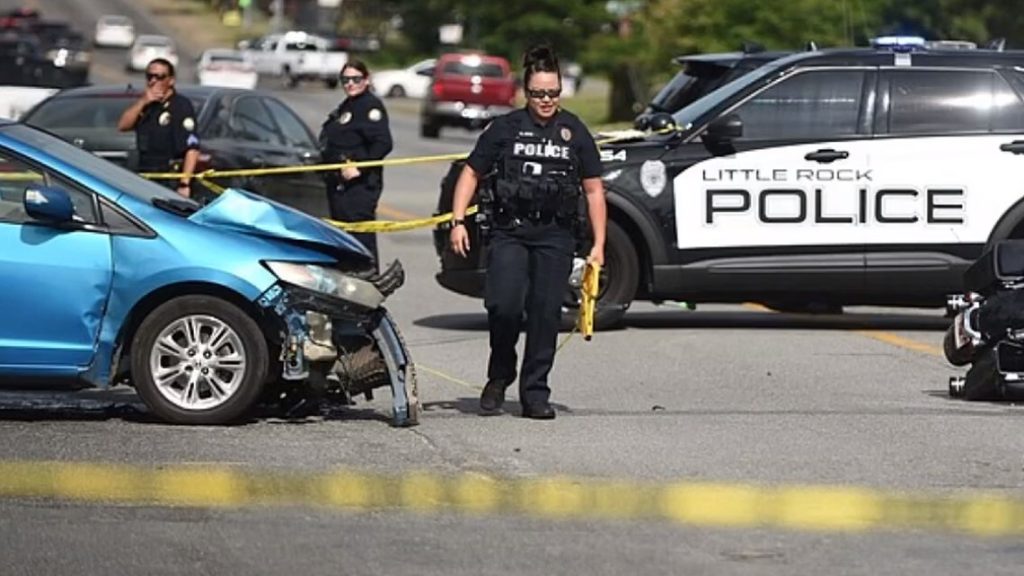
For vehicle safety regulators, the concern is not simply the number of reports produced. It is what could be missed when fewer vehicles are physically examined, fewer crash scenes are reconstructed, and fewer emerging technologies are studied under real-world conditions.
The 2026 slowdown therefore deserves continued scrutiny, particularly as NHTSA faces increasingly complicated questions involving automated driving, electronic safety systems, and software-controlled vehicles.
A lower investigation count could ultimately prove to be the result of a deliberate change in priorities or investigative methods. It could also reflect constraints that have not been publicly explained. At this stage, the available evidence does not establish which explanation is responsible.
What is clear is that NHTSA’s SCI program has historically provided a level of crash analysis that broader databases cannot replace. With only two investigations opened through late June, the agency’s most detailed crash-investigation pipeline is operating at a pace far below its historical norm.
The key question for the remainder of 2026 is therefore not simply how many crashes NHTSA investigates, but whether the agency is still collecting enough detailed real-world evidence to identify the next major vehicle safety problem before it becomes widespread.
