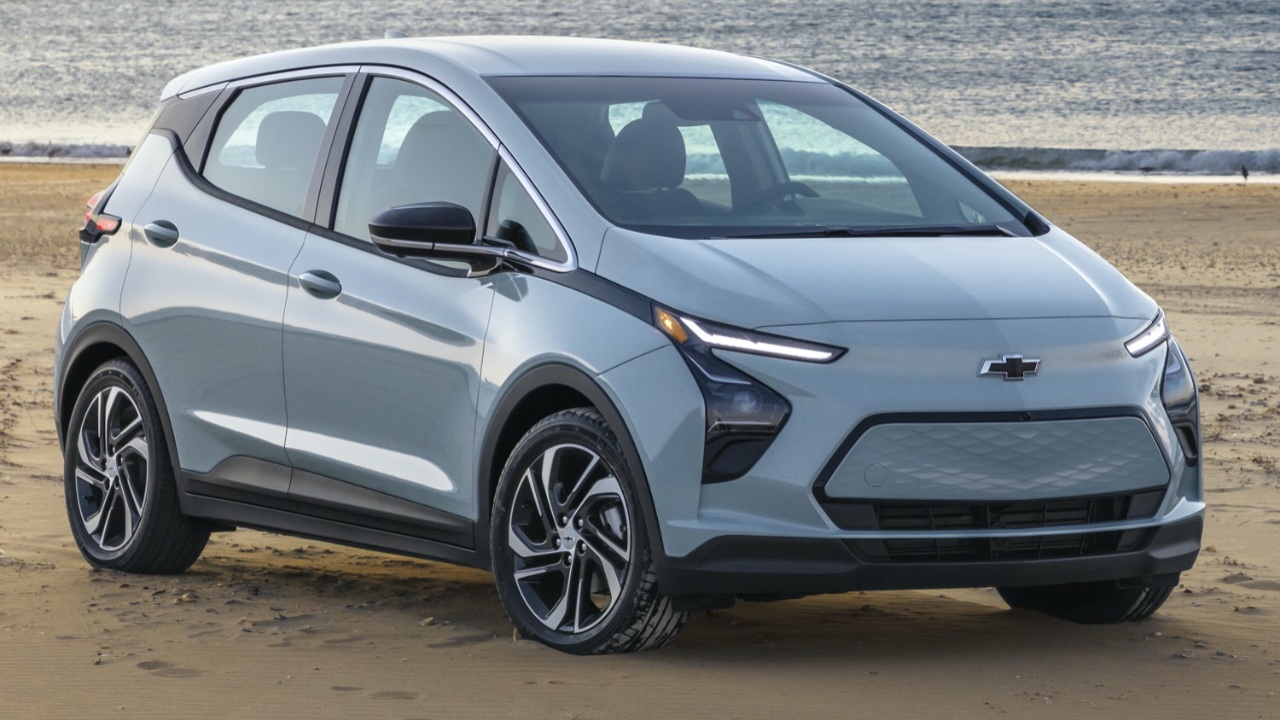
General Motors is making another significant adjustment to its electric-vehicle strategy, combining a fresh $1 billion cost-reduction target with plans to revive the Chevrolet Bolt as part of a lower-cost EV push.
The move reflects a major shift in how GM is approaching electrification after several years of heavy investment, slower-than-expected EV demand, and substantial losses associated with its electric vehicle operations.
According to Reuters, GM now expects to reduce operating costs by another $1 billion through the end of 2027. At the same time, the automaker is reversing its previous decision to discontinue the Chevrolet Bolt and plans to update the vehicle with a newer battery based on its Ultium technology strategy.
The decision is significant because the Bolt has historically occupied a different position within GM’s EV lineup from larger and more expensive models such as the Cadillac Lyriq, Chevrolet Silverado EV, and GMC Hummer EV.
Bringing the nameplate back with a cost-conscious approach gives GM a way to target buyers who may be interested in an EV but are less willing to pay the premium attached to many electric vehicles.
GM Looks for Another $1 Billion in Savings.
The new cost-reduction target comes as GM continues adjusting its business to changing market conditions. The company has already taken steps to reduce spending, simplify operations, and scale its EV manufacturing capacity to better match demand.
GM’s financial results earlier in 2026 showed why cost control remains important. In its second-quarter results, the automaker said its losses on EVs were expected to improve by $1 billion to $1.5 billion during the year, helped by right-sizing EV capacity and lower production volumes.
GM said it had already realized approximately $500 million of that improvement during the first half of the year.
The company has also faced higher costs from tariffs, raw materials, logistics, and relocating some production to the United States.
Reuters reported in July that GM expected tariffs to reduce its bottom line by between $2.5 billion and $3.5 billion in 2026, while inflation in raw materials, chips, and logistics was expected to create another $1.5 billion to $2 billion of pressure.
That environment makes the additional $1 billion cost target more than a routine efficiency program. GM is attempting to lower its cost structure while preserving enough investment capacity to continue developing vehicles that can compete in a market where EV demand has become considerably more difficult to predict.
The strategy also comes after GM substantially increased its focus on profitability rather than simply maximizing EV production. In July, the company said its average U.S. transaction price was around $52,000 during the second quarter, while its North American operating margin improved to 8.6% from 6.1% a year earlier despite a 4% decline in quarterly sales.
GM faces two major challenges at the same time. The company must maintain the profitability of its traditional truck and SUV business while also finding ways to reduce the cost of building and selling electric vehicles.
Why the Chevrolet Bolt Is Coming Back
The Chevrolet Bolt’s return represents the clearest part of that strategy. GM previously planned to move away from the Bolt as it introduced a new generation of EVs built around its Ultium technology.
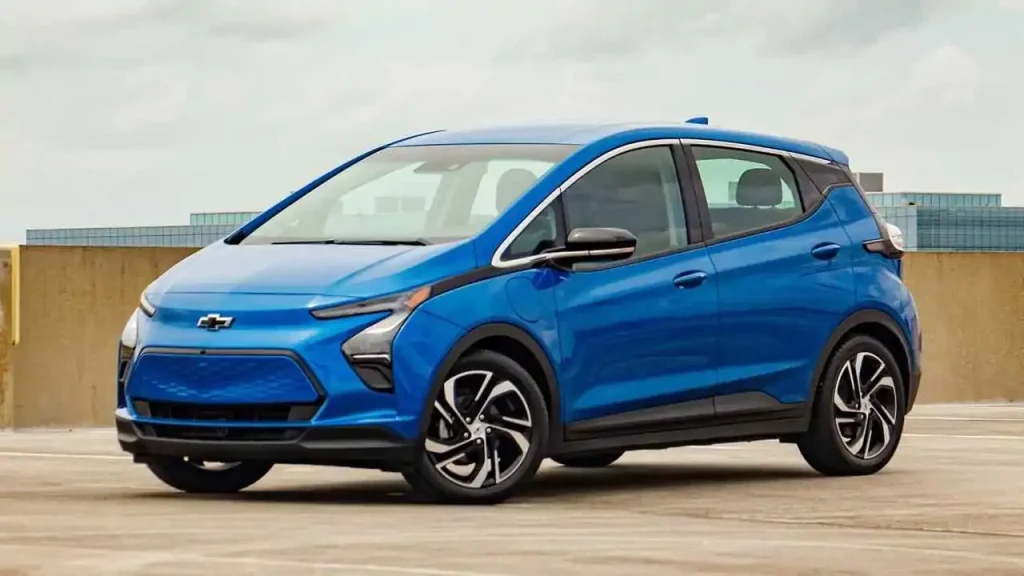
However, the company has now decided that the nameplate still has value, particularly if it can be positioned as a more affordable electric vehicle.
GM’s first-generation Bolt demonstrated that there was consumer demand for a relatively inexpensive EV with useful range. The original Bolt EV offered an EPA-estimated range of 259 miles in its final model years, giving buyers an alternative to significantly more expensive electric vehicles.
The newer Bolt strategy is different because GM can draw from technology and manufacturing lessons gained through its broader EV program.
GM has previously described its battery strategy as technology agnostic, saying it wants to use different battery chemistries and cell formats depending on requirements for range, performance, charging speed, and cost.
The company has also said its partnership with LG Energy Solution is focused on improving battery technology while reducing costs.
GM’s current U.S. sales data also show that the Bolt nameplate continues to attract attention despite its limited availability. During the first quarter of 2026, Chevrolet recorded 791 Bolt deliveries, compared with just 13 during the same period in 2025.
That represented a dramatic increase, although the absolute volume remained small. By comparison, Chevrolet sold 9,589 Equinox EVs during the same quarter.
The numbers suggest why a lower-cost Bolt could have a role in GM’s future lineup. Rather than relying exclusively on expensive electric trucks, SUVs, and luxury vehicles, the automaker can use a smaller EV to address buyers who prioritize affordability.
That approach also fits with the changing U.S. EV market. Reuters reported in September that the expiration of the federal $7,500 EV tax credit had contributed to weaker demand, while several automakers had scaled back or delayed EV manufacturing projects.
GM and other manufacturers have consequently been forced to reassess the scale and timing of their electrification investments.
A More Pragmatic EV Strategy
The revived Bolt is therefore about more than bringing back a familiar Chevrolet name. It illustrates how GM’s electric strategy is becoming more focused on economics.
For several years, the industry’s EV race was driven heavily by the expectation that electric vehicle sales would rapidly replace gasoline-powered vehicles. Automakers invested billions of dollars in battery plants, dedicated EV platforms, and new manufacturing capacity. GM was one of the companies that committed heavily to this transition.
The market has not developed at the pace many automakers originally expected. Reuters reported this month that U.S. EV manufacturing investment has slowed sharply, with numerous projects canceled, delayed, or converted as manufacturers respond to weaker demand.
GM’s Lordstown battery operation with LG Energy Solution has also experienced periods of reduced production and worker layoffs because of weak EV demand.
GM is now trying to avoid repeating the same mistake of building capacity faster than customers are willing to buy the resulting vehicles.
The Bolt could help because a smaller, less expensive EV requires a different business model. Lower battery costs, simplified vehicle architecture, and careful control of production volumes can potentially make an affordable EV easier to justify than a large electric vehicle with expensive battery capacity.
GM’s existing Ultium experience could also provide an advantage. The company has already developed battery manufacturing operations and uses aluminum-based cells in vehicles, including the Chevrolet Equinox EV, Chevrolet Silverado EV, GMC Sierra EV, and Cadillac Lyriq.
The challenge will be turning that technology investment into a vehicle that can deliver meaningful range at a price attractive enough to bring more mainstream buyers into the EV market.
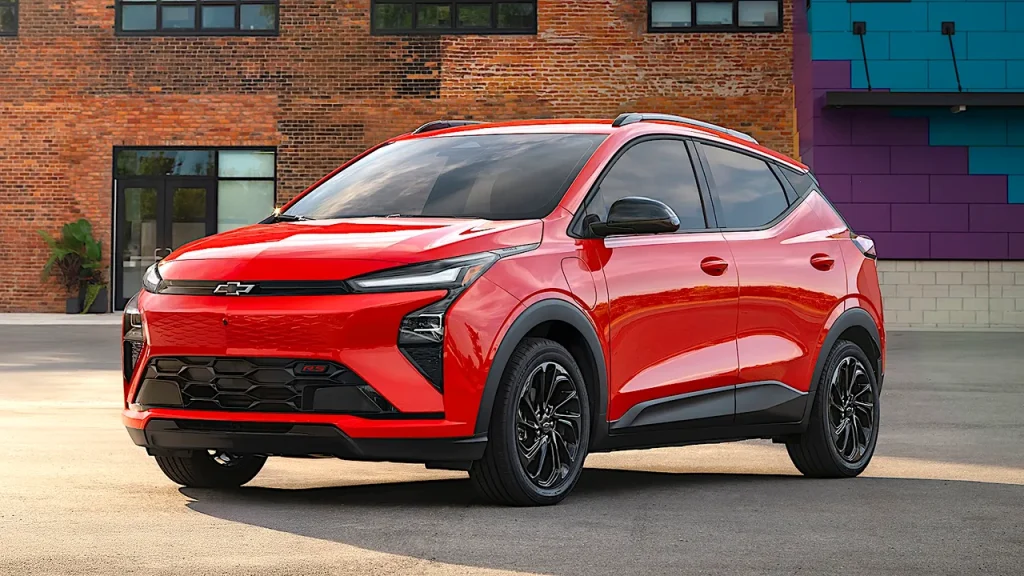
GM’s latest strategy does not signal a retreat from electric vehicles. Instead, the company appears focused on making its EV business more financially disciplined. The additional $1 billion cost-cutting goal, the return of the Bolt, and efforts to reduce EV losses all reflect a common focus on improving the economics of electric vehicle production and sales.
The Chevrolet Bolt could become one of the most important tests of that approach. If GM can combine a familiar nameplate with lower battery costs and a more efficient manufacturing strategy, it would give the automaker a way to compete for EV buyers without depending entirely on high-priced electric trucks and luxury models.
At the same time, the company will have to balance that investment against stronger demand for its profitable gasoline-powered pickups and SUVs.
GM’s latest move therefore represents a shift from an EV strategy centered on rapid expansion toward one focused more heavily on affordability, flexibility, and financial discipline. The revived Bolt will show whether that approach can translate into a sustainable electric vehicle business in a much more challenging U.S. market.