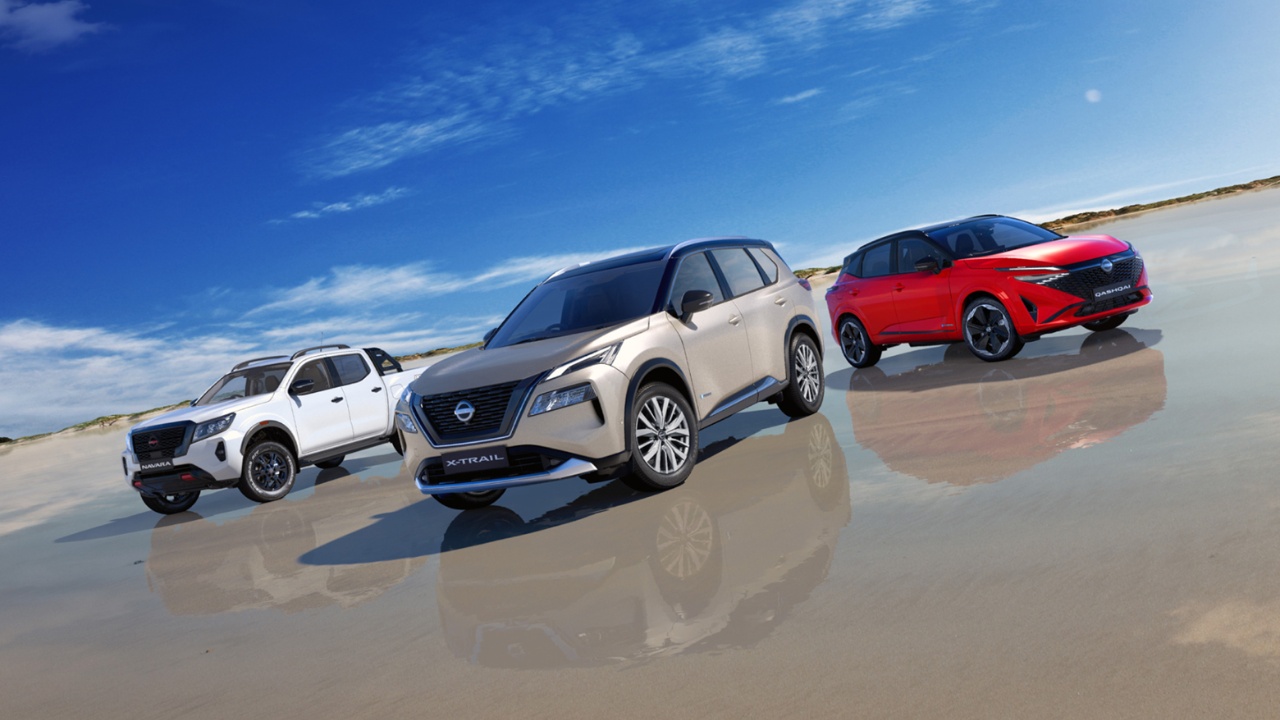
Nissan and Honda are taking a significant step toward making their future vehicles more like software platforms, agreeing to jointly develop standardized electronic control units and core software for next-generation software-defined vehicles.
The two Japanese automakers plan to introduce the jointly developed electronic and electrical architecture in their next-generation software-defined vehicles from fiscal 2029 onward. The agreement covers multiple electronic control units, an in-vehicle operating system, key middleware, and vehicle-control software.
The partnership seeks to tackle a major challenge for modern automakers as vehicles become more complex and expensive to develop. Software, connected services, advanced driver assistance systems, and electric powertrains are all adding new layers of technology to today’s cars.
Rather than developing every underlying computer system independently, Nissan and Honda intend to create common technical foundations that can be adapted for their respective vehicles.
The companies say the approach should allow them to combine engineering resources, improve development efficiency, accelerate innovation, and reduce development costs.
Why Vehicle Computers Are Becoming So Important
A modern vehicle contains far more computing technology than earlier generations of cars. Electronic control units manage functions ranging from propulsion and braking to body electronics, infotainment, connectivity, and driver-assistance systems.
Traditional vehicle architectures often distribute these responsibilities across numerous separate ECUs. As more software-based functions are added, that approach can make vehicle architecture increasingly complicated.
Software-defined vehicles take a different approach. Instead of treating software primarily as something fixed at the time a vehicle leaves the factory, SDVs are designed around computing platforms that can support functions through software and potentially receive updates throughout the vehicle’s life.
Nissan already operates remote software-update technology that allows software to be downloaded while the vehicle is being driven and installed after the vehicle is stopped. The company describes connected software updates as a way of keeping vehicle systems current without requiring every improvement to be performed through a traditional service visit.
That approach becomes more important as automakers add increasingly sophisticated software functions.
Nissan’s and Honda’s new agreement is therefore not simply about using the same computer hardware. The companies intend to standardize several layers of the technology stack.
Their agreement covers high-performance main ECUs, sometimes referred to as high-performance computers, as well as zone ECUs that manage electronic functions within particular areas of the vehicle. It also includes the vehicle operating system, portions of middleware, and vehicle-control software.
The companies are effectively attempting to establish a common technological foundation while retaining the ability to develop their own vehicle products on top of it.
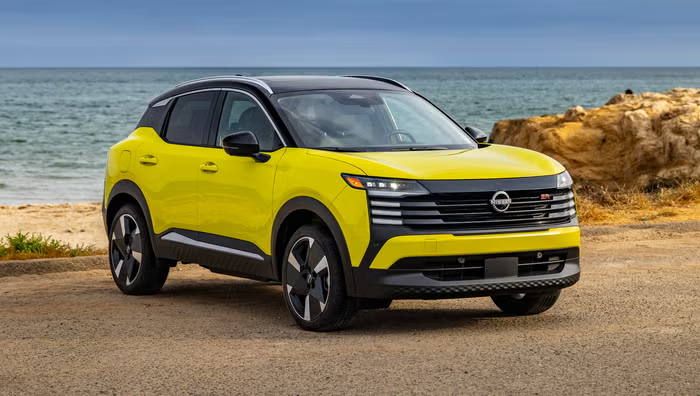
That distinction is important. Standardizing underlying architecture does not mean Nissan and Honda vehicles will become identical. Each automaker can continue developing its own exterior designs, interiors, powertrains, vehicle characteristics, and customer-facing software experiences.
Instead, the companies can share some of the expensive technology underneath those products.
A Push to Reduce Development Costs
Cost reduction is one of the clearest reasons behind the agreement. Nissan and Honda said their software collaboration is designed to improve investment efficiency and reduce development costs by creating common specifications for core ECUs and software.
By combining development resources, the companies expect to benefit from greater economies of scale. The timing is significant for both manufacturers.
Vehicle development is becoming more expensive as automakers invest simultaneously in electrification, advanced driver assistance, connected services, and software. Developing separate computer architectures for every vehicle family can require substantial engineering resources and repeated validation work.
A shared foundation could allow the companies to spread some of those costs across a larger number of vehicles.
Nissan is already pursuing greater commonality across its product development operations. The company’s current industrial strategy calls for standardized architectures, shared components, and common development toolkits. Nissan says this approach is intended to reduce development time by 40%, bringing its target time to market down to 30 months.
The Honda-Nissan software agreement takes the same basic principle into one of the most technically complicated parts of modern vehicle development.
For Honda, software standardization also fits with a broader effort to improve development efficiency. Honda’s 2026 business strategy includes greater use of digital tools and artificial intelligence in vehicle development, along with efforts to reduce development time for future products.
The two companies’ partnership could therefore provide a way to increase development efficiency without requiring each company to independently build every foundational computing system.
What Drivers Could Notice From the New Architecture
The first vehicles using the jointly developed architecture are not expected until fiscal 2029 onward, so there are still several years before consumers will experience the results. The most visible changes may come through software.
A software-defined architecture can make it easier for automakers to introduce new functions, improve existing systems, and distribute updates after vehicles have been sold. Depending on how Nissan and Honda implement their systems, future vehicles could receive more frequent software improvements without requiring hardware changes.
However, the companies have not announced a complete list of customer-facing features that will result from the partnership.
The agreement also does not mean that every software function will be identical between Nissan and Honda vehicles. The automakers are primarily standardizing the foundational technology, including common specifications for core computing hardware and software layers.
That could give engineers more flexibility to concentrate their resources on features that differentiate individual models rather than repeatedly developing basic electronic architecture from scratch.
The move also reflects how vehicle development is increasingly overlapping with the technology industry. Automakers are no longer competing only through engines, transmissions, suspension systems, and body design.
Computing power, software architecture, connectivity, and update capability are becoming increasingly important components of the vehicle itself.
Nissan and Honda announced the agreement as part of their broader strategic partnership. Their collaboration has been focused on areas where combining development resources could improve competitiveness, particularly as the automotive industry undergoes rapid technological change.
The companies began studying software collaboration before reaching the joint development agreement. Their August 31 announcement said the software domain was identified as an important area for cooperation because of the rapid pace of technological innovation and the need to improve research and development efficiency.
The planned 2029 deployment therefore represents more than a single shared component program. It points toward a bigger change in how Nissan and Honda intend to develop vehicles.
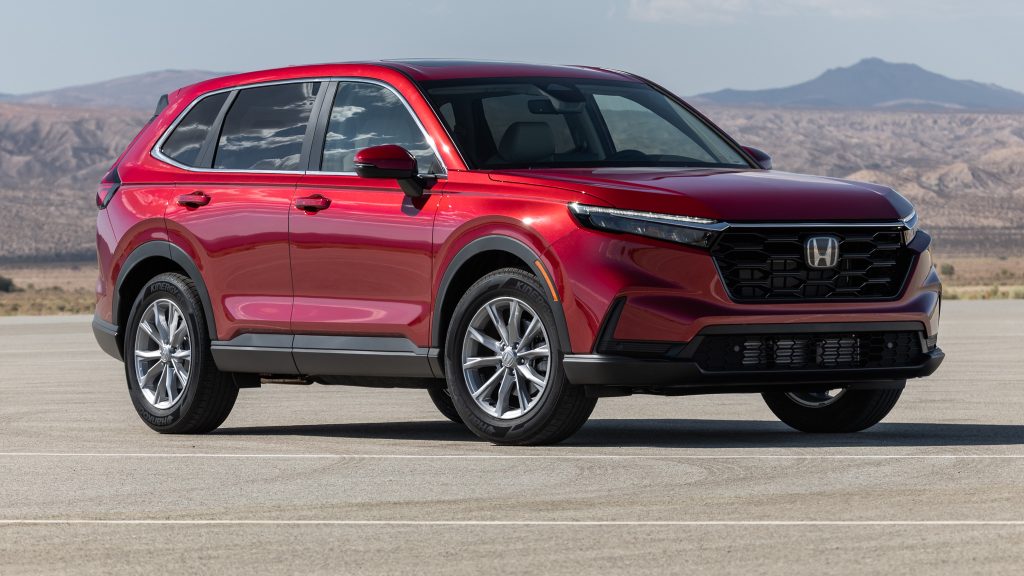
If the standardized architecture works as planned, engineers at both companies could have a common foundation for increasingly complex vehicle systems while still developing distinct products for their customers.
For drivers, the change may eventually be less visible than a new engine or body design. Instead, it could appear through faster software updates, more integrated electronic systems, and new vehicle functions that can be improved after the car reaches the road.
Nissan and Honda are now working toward making that computing foundation common. Starting around fiscal 2029, the results of that cooperation are expected to begin appearing in their next generation of software-defined vehicles.